


Creating a workspace that balances creativity and productivity is more than just arranging desks and chairs. The environment in which we work has a profound impact on our ability to think clearly, generate ideas, and stay focused. A thoughtfully designed office can energize employees, foster collaboration, and ultimately improve results. In this article, we’ll explore practical strategies to transform your workspace into a hub of innovation and efficiency.
Understand the Needs of Your Team
Before you start moving furniture or painting walls, it’s crucial to understand what your team truly needs. A workspace that inspires creativity for one team may stifle it for another. Conduct surveys, hold discussions, or observe daily workflows to identify pain points. Are employees struggling to focus because of noise? Do they need more space for brainstorming sessions?
Once you understand these needs, you can start tailoring the office environment. For example, some teams thrive in open spaces that encourage collaboration, while others perform better with quiet, separated areas where deep work can happen uninterrupted. Flexibility is key, your office should adapt to different work styles rather than enforce a single approach.
Prioritize Natural Light and Air Quality
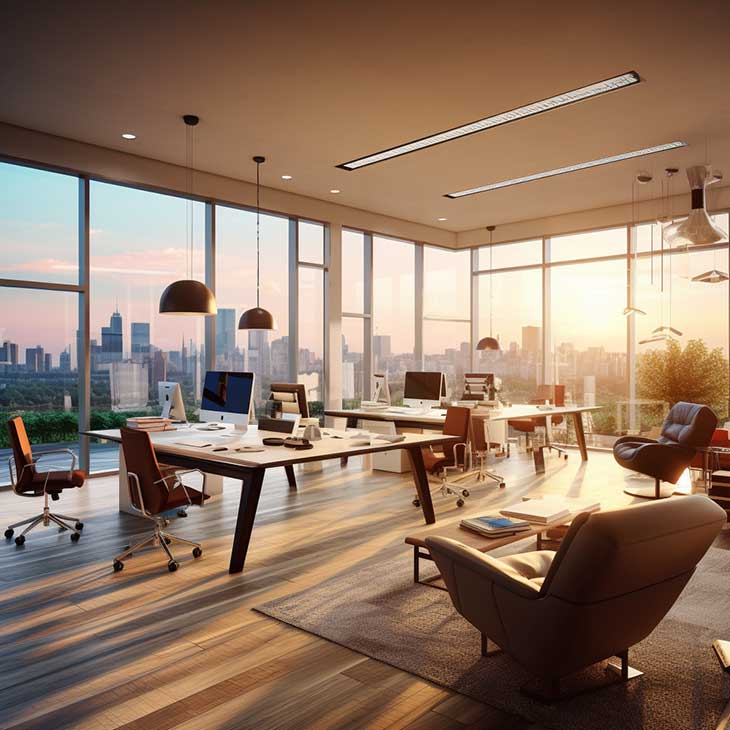
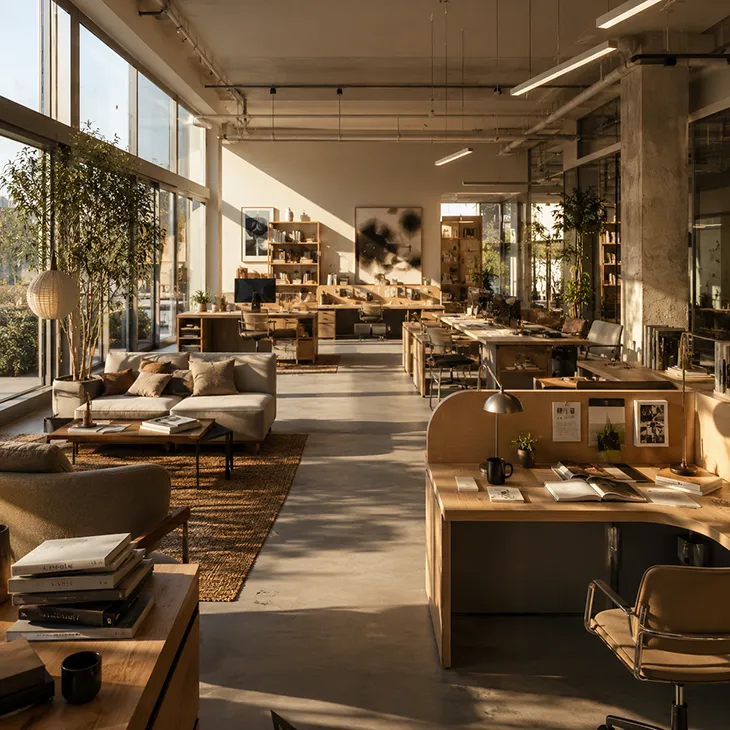
The physical environment directly affects productivity and mood. Studies have shown that access to natural light improves alertness, reduces fatigue, and even enhances creativity. Position desks near windows whenever possible, and consider glass partitions to allow light to travel through the space.
Air quality is just as important. Poor ventilation can lead to headaches, low energy, and a decrease in overall focus. Incorporating air purifiers, plants, or simply keeping windows open during good weather can make a significant difference. According to Harvard Business Review, employees in well-lit and well-ventilated spaces report higher job satisfaction and are more likely to remain engaged throughout the day.
Choose Colors That Stimulate Creativity
Color psychology is a tool often overlooked in office design. Certain colors can subtly influence mood and behavior. Blue tends to encourage calm and focus, making it ideal for analytical tasks. Yellow stimulates energy and optimism, which can spark creative thinking. Greens promote balance and reduce eye strain, creating a more comfortable environment for extended work periods.
Rather than painting the entire office a single color, consider using accents, furniture, or artwork to introduce stimulating shades. The goal is to create an environment that feels lively without being overwhelming.
Incorporate Collaborative Spaces
Innovation often happens when people come together to exchange ideas. Creating areas specifically designed for collaboration can significantly enhance creativity. Think of open lounge areas, whiteboard walls, or modular seating arrangements that encourage impromptu discussions.
At the same time, it’s important to strike a balance. Employees still need private spaces to concentrate when completing tasks that require deep focus. A mix of collaborative zones and quiet areas ensures that all types of work can be done efficiently.
Provide Ergonomic and Functional Furniture
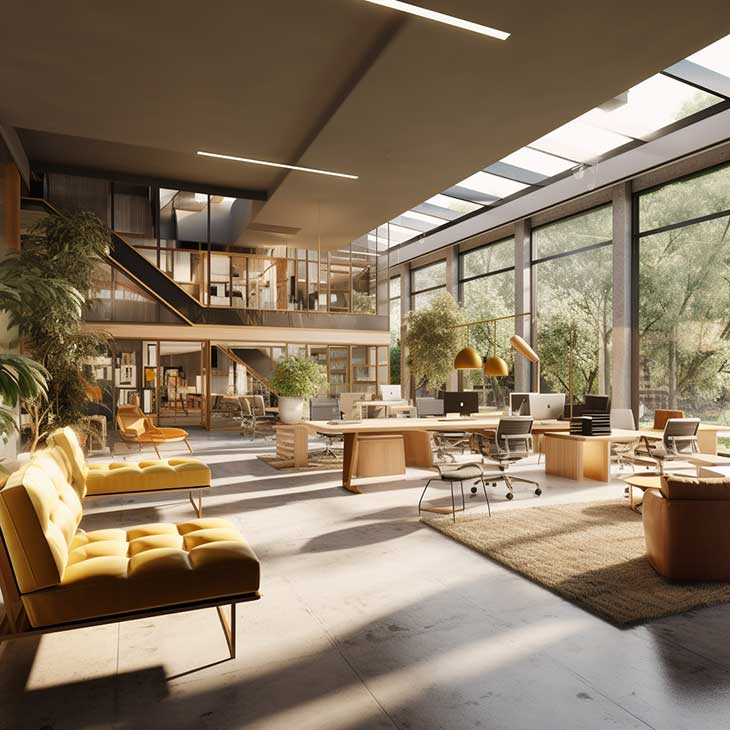
Comfort and functionality are non-negotiable when it comes to productivity. Ergonomic chairs, adjustable desks, and thoughtfully positioned monitors reduce physical strain, allowing employees to work longer and more effectively. Poor ergonomics can lead to discomfort, which distracts from both creativity and output.
In addition, furniture should support flexibility. Movable desks and chairs allow employees to rearrange their environment for brainstorming sessions or team meetings. The ability to customize a workspace fosters a sense of ownership, which in turn encourages engagement and motivation.
Introduce Technology Thoughtfully
Technology can either enhance or hinder productivity. The key is to provide tools that streamline work without creating unnecessary distractions. High-speed internet, collaborative software, and adequate charging stations are essential, but excessive gadgets or notifications can interrupt workflow.
Add Personal Touches and Inspiring Decor
Workspaces that feel sterile or impersonal often fail to engage employees. Personal touches, like artwork, plants, or even a few quirky decorations, can make the office feel more inviting and inspiring. Encourage employees to personalize their desks or create communal areas that reflect your company’s culture.
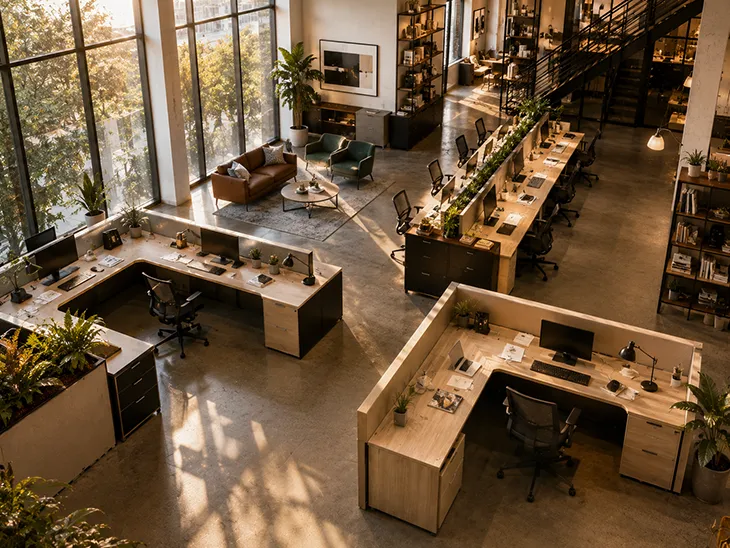
Inspiration can also come from studying successful workspace designs. Well-planned offices show how layout, lighting, furniture, and shared areas can shape employee performance and satisfaction.
Foster a Culture That Supports Creativity
Even the most beautifully designed office will fail if the company culture doesn’t support creative thinking. Encourage experimentation, reward innovative ideas, and allow employees time for brainstorming and reflection. Regularly scheduled workshops, hackathons, or idea-sharing sessions can reinforce a culture that values both creativity and efficiency.
Maintain Organization and Reduce Clutter
Cluttered spaces can be distracting and stressful. Regularly audit the office for unnecessary items and ensure that storage solutions are efficient. From filing cabinets to digital databases, organization reduces cognitive load and frees up mental space for creative thinking.
Using records storage services not only helps with organization but also ensures compliance and security for important documents. This practical approach demonstrates that efficiency doesn’t have to come at the cost of innovation.
Continuous Improvement
A productive and creative office is never truly finished. Employee needs evolve, new technologies emerge, and organizational goals change. Regularly seek feedback and be willing to adjust the workspace accordingly. Simple changes, like swapping out furniture, updating colors, or redesigning collaborative areas, can have a significant impact over time.
Remember, the ultimate goal is to create an environment that naturally supports both inspiration and output. When employees feel comfortable, energized, and engaged, their best ideas emerge effortlessly, and productivity naturally follows.
Finally, designing a workspace that sparks innovation and efficiency requires attention to both physical and cultural elements. From lighting and ergonomics to collaboration and organization, every detail contributes to the overall experience. By prioritizing flexibility, comfort, and inspiration, you can create an environment where employees thrive, ideas flourish, and results improve.