


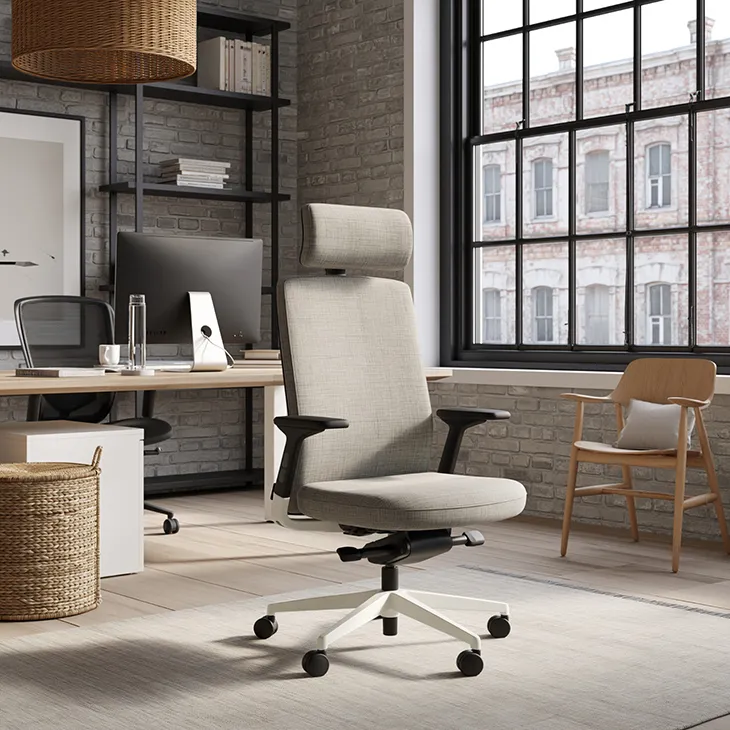
Office chairs have come a long way from the basic padded seats once found in most workplaces. Today, people expect more from the chair they use every day. It should support posture, allow movement, adjust to different body types, and remain comfortable through long hours of computer work, calls, and focused tasks.
Still, not every ergonomic feature is equally important for every user. A headrest, for example, can be useful in the right situation, but it is not something every office worker automatically needs. Its value depends on how a person sits, how often they recline, and whether they experience neck or shoulder fatigue during the day.
Why Additional Head Support Is Getting More Attention
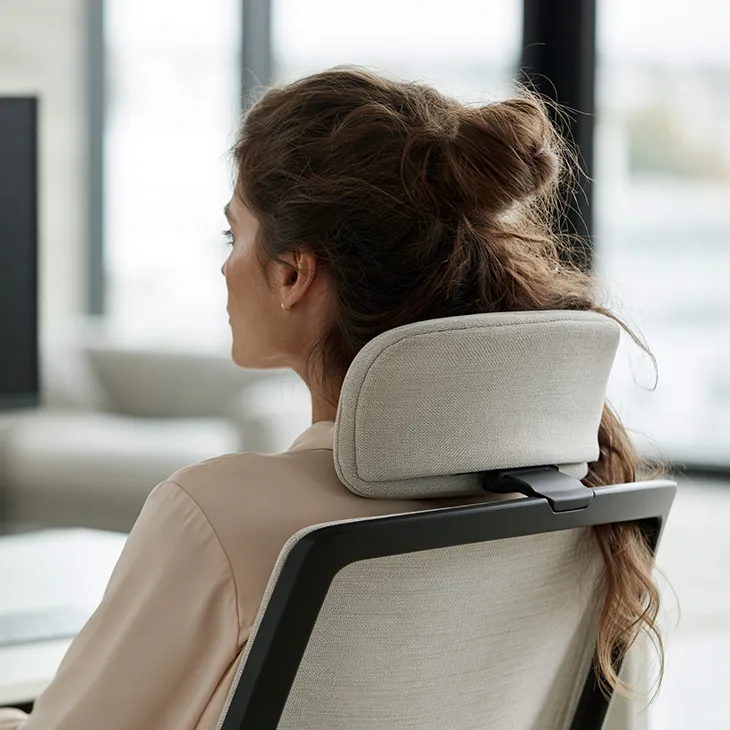
For people researching headrests for Herman Miller chairs, the decision should go beyond appearance. A headrest needs to fit the chair correctly, support the neck naturally, and avoid pushing the head forward. It should also match the user’s height, sitting style, and preferred recline position.
For years, headrests were treated as optional because office chair design mostly focused on the lower back. Lumbar support, seat height, armrests, and tilt mechanisms received most of the attention. That made sense in older office routines, where people moved around more often, walked to meetings, and rarely sat in the same position for several hours straight.
Modern work has changed that. Remote work, hybrid schedules, and long video meetings mean many people now stay seated for longer stretches. When movement decreases, small posture issues become more noticeable. The neck and shoulders may start carrying tension, especially during screen-heavy tasks.
Does Every User Need a Headrest?
A headrest can be helpful, but it is not a universal fix. Some people lean back often while reading, thinking, or joining virtual meetings. For them, extra support behind the head and neck can make the chair feel more complete.
A headrest may be useful if someone:
- sits for long periods each day;
- reclines often during work or breaks;
- feels neck stiffness after desk work;
- spends many hours in video calls;
- prefers a more relaxed sitting position.
However, some users sit upright most of the time and rarely use the recline function. Others prefer more freedom around the shoulders and upper back. In those cases, adding a headrest may not change much.
The better question is not “Does every office chair need a headrest?” but “Does this user’s work style make a headrest useful?”
What to Check Before Buying
Buying a headrest is not only about choosing a product that looks right. The practical details matter more, especially when the chair already has a specific ergonomic design.
| Feature | Why It Matters |
| Compatibility | The headrest should fit the exact chair model. |
| Height adjustment | It helps align support with the user’s neck and head. |
| Tilt control | It supports different upright and reclined positions. |
| Material | Mesh, foam, and hybrid materials feel different over time. |
| Installation | A secure setup helps prevent wobbling or poor fit. |
| Chair design | The headrest should not block the chair’s normal movement. |
Before ordering, it is also worth checking whether installation requires tools and whether the accessory can be removed without leaving marks. This is especially important for users who want to preserve the original look of a premium chair.
Why Adjustability Is More Important Than Extra Padding
Many people assume that a soft headrest automatically provides better comfort. In practice, adjustability usually has a greater impact on the overall experience.
People naturally change posture throughout the day. Someone may sit upright while typing, recline during a virtual meeting, and lean back while reading a report. A fixed headrest often supports only one of these positions, while an adjustable one can move with the user.
The most useful models typically offer:
- height adjustment for different body sizes;
- tilt adjustment to match various reclining angles;
- stable positioning that stays in place after adjustments.
A properly adjusted headrest should support the head when needed without forcing it into an unnatural position.
Choosing the Right Material
Material affects comfort just as much as adjustability.
Mesh remains a popular option because it allows air to circulate and helps reduce heat during long work sessions. Foam provides a softer surface that some users find more comfortable, especially when reclining for longer periods. Hybrid designs combine breathable fabrics with supportive padding to balance comfort and durability.
Rather than looking for the “best” material, it is usually more practical to choose one that matches the office environment and personal preferences.
Will a Headrest Change the Chair’s Appearance?
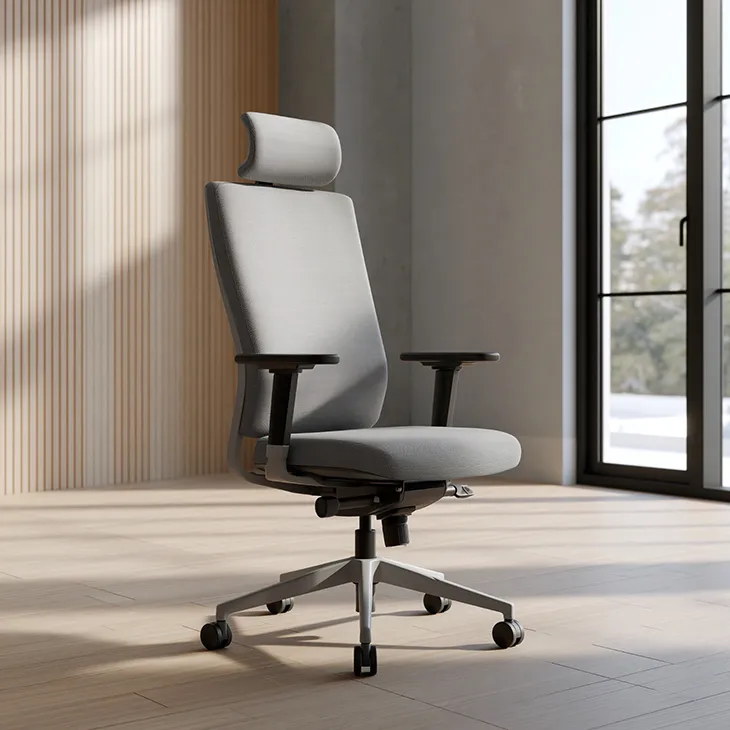
Some buyers hesitate because they enjoy the clean design of their office chair and worry that adding a headrest will make it look bulky.
Modern aftermarket headrests are generally designed to complement the original chair instead of competing with it. Many follow similar shapes, colors, and materials so they blend naturally with the existing design.
Even so, appearance remains a personal preference. Some people appreciate the additional functionality regardless of visual changes, while others prefer to keep their chair exactly as it was originally designed.
Can Installing a Headrest Affect the Warranty?
This is a question many buyers overlook.
Before installing any aftermarket accessory, it is worth reviewing the manufacturer’s warranty information. Warranty policies differ between brands, and some may include specific guidance regarding modifications or third-party accessories.
Installing a headrest does not automatically affect warranty coverage, but checking the documentation first can help avoid confusion later. Choosing accessories designed specifically for the chair model is also a practical way to reduce compatibility issues.
Looking Beyond the Product Description
Specifications provide useful information, but they do not tell the whole story.
Before making a purchase, it helps to look at real installation photos, user experiences, and adjustment demonstrations. These often reveal details that are difficult to judge from technical specifications alone, such as how easily the headrest can be adjusted or whether it stays stable after repeated use.
Many buyers also compare products from specialized retailers such as OfficeLogixShop, paying attention to compatibility, available adjustment options, materials, and installation methods. Looking at these practical details often leads to a better decision than focusing only on appearance or brand names.
Comfort Depends on the Entire Workspace
Even the best headrest cannot compensate for a poorly adjusted workstation.
For the most comfortable setup, several elements should work together:
- The chair should be adjusted to the correct height;
- Lumbar support should fit the natural curve of the back;
- Armrests should allow relaxed shoulders;
- The monitor should be positioned at an appropriate viewing height;
- The desk should encourage a neutral working posture.
When these components are adjusted together, a headrest becomes part of a complete ergonomic system rather than a standalone solution.
Finally, headrests have become more relevant as working habits continue to change. Longer periods at the desk, remote work, and greater awareness of ergonomics have encouraged many people to think more carefully about how they set up their workspace.
However, a headrest is not essential for everyone. The best choice depends on individual work habits, preferred sitting positions, and the design of the chair itself. Taking time to compare compatibility, adjustment features, materials, and installation requirements makes it much easier to select an accessory that genuinely improves everyday comfort.
Instead of viewing a headrest as a universal upgrade, it is better to treat it as one element of a well-designed workstation. When chosen thoughtfully and matched to the user’s needs, it can provide meaningful support while fitting naturally into an ergonomic office setup.