


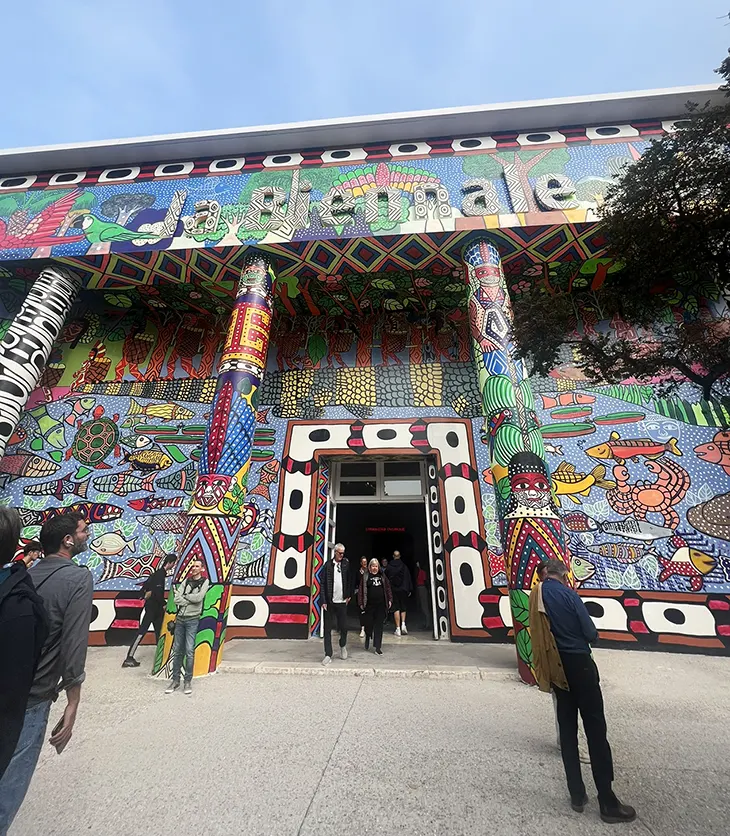
The European Union has definitively withdrawn a two million euro grant from the Venice Biennale, citing Russia’s presence at the world’s biggest contemporary art show. The decision marks an escalation in the political fallout over the Biennale’s decision to restore Russian participation for the first time since Moscow’s 2022 invasion of Ukraine.
“Cultural events, funded by European taxpayers’ money, should safeguard democratic values, foster open dialogue, diversity and freedom of expression, values which are not respected in today’s Russia,” said European Commission spokesman Thomas Regnier in a statement Tuesday.
The Biennale opened in May with Russia taking part after a two-year ban. The return sparked immediate backlash. Ukraine’s Culture Minister Tetiana Berejna likened the invitation to “inviting a serial killer to a dinner with your friends.” The international jury resigned in protest. Yet organizers maintained their position, arguing the Biennale was founded on “openness, dialogue, and the rejection of any form of closure or censorship.”
The EU’s two million euro subsidy co-financed the Biennale College and Venice Production Bridge, programs the Biennale says have “nothing to do with Russia’s participation.” In its response, the Biennale stated the cancellation “has no significant impact on the budget, the balance sheet, or the scheduled and ongoing activities.” The institution said it would “assert our rights in all relevant forums.” The funding loss, while substantial, is replaceable. Private donations and sponsor commitments can fill the gap, as they have for other cultural institutions facing similar pressures. But the EU’s withdrawal signals something deeper: institutional Europe is drawing a line.
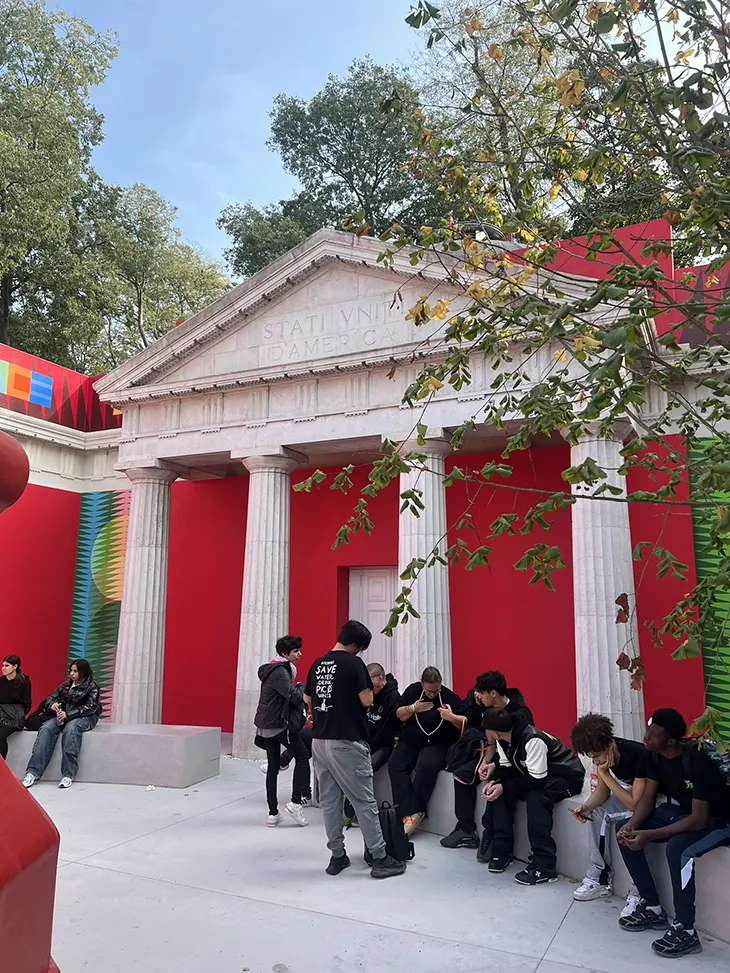
That line puts major sponsors in an awkward position. BVLGARI is positioned as the exclusive partner of the Biennale for the next three editions, a multi-year commitment that reaffirms the brand’s relationship with contemporary art. The Maison is presenting a major commission by Lotus L. Kang at the BVLGARI Pavilion. Yet BVLGARI, alongside other luxury and corporate sponsors including Armani Beauty, MasterCard, and Cartier, now operates in a context that major European institutions have explicitly rejected.
For these sponsors, the question is no longer abstract. Can corporate sponsorship of major art institutions coexist with stated commitments to democratic values and freedom of expression when those institutions choose to include state representation from a country actively suppressing both?
The Architecture Biennale, arriving in less than a year, will test these tensions further. Equally important to the art world but less visible in mainstream media, the Architecture Biennale faces its own decisions about Russian participation. As the political and cultural stakes remain high, sponsors will face the same calculus: what does support for these institutions now actually mean?








There should also be no Israel or any other contra actively involved in war then?