


For weeks, every goal, missed chance and elimination carried the weight of the moment. Joy and frustration fed endless debates over selections, tactics, overlooked players and decisions that might have changed a result. With one match quickly replacing the last, there was little time to consider FIFA World Cup 2026 tournament as a whole.
FIFA WORLD CUP 2026
Several days after the final, that tension has eased. Spain’s title remains the defining result, but the first 48-team edition now comes into sharper focus through its records, ranking changes, breakthrough nations and final World Cup appearances from several major names.
FIFA staged 104 matches featuring 1,039 players from 48 nations. The teams scored 308 goals, producing an average of 2.96 goals per match.
Spain Won Through Historic Defensive Results
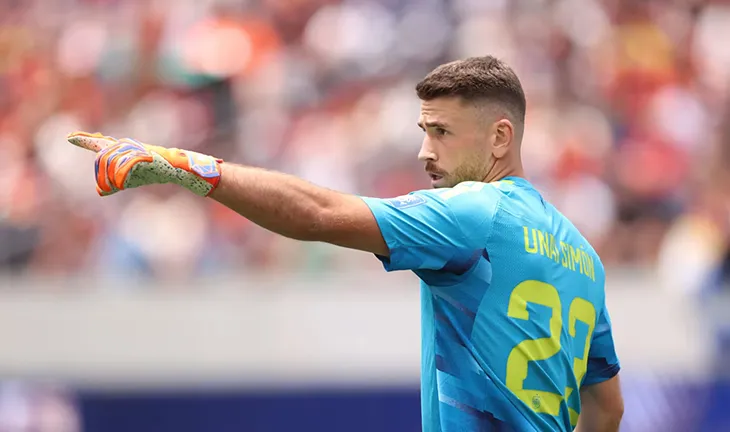
Spain conceded one goal during eight matches, fewer than any previous World Cup champion. Goalkeeper Unai Simón recorded seven clean sheets, setting a new record for one edition. Luis de la Fuente also became the oldest coach to win the competition at 65 years and 28 days.
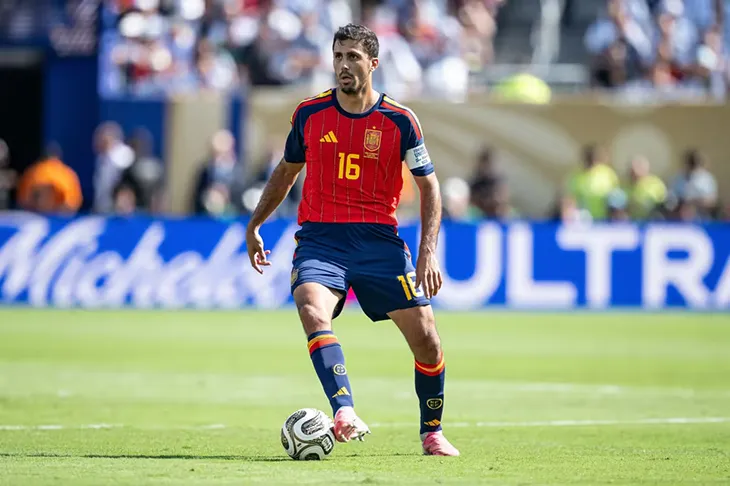
Rodri completed 790 passes for Spain and broke his own record of 638 from Qatar 2022.
The title gave Spain another first. The country became the first nation to hold FIFA’s senior men’s and women’s World Cup titles at the same time following the women’s victory in 2023.
Lamine Yamal and Pau Cubarsí also entered the record book. Both players appeared eight times before turning 20, the highest total for any teenager in World Cup history. They joined Pelé, Giuseppe Bergomi and Kylian Mbappé among the teenagers who played in a men’s final and left as champions.
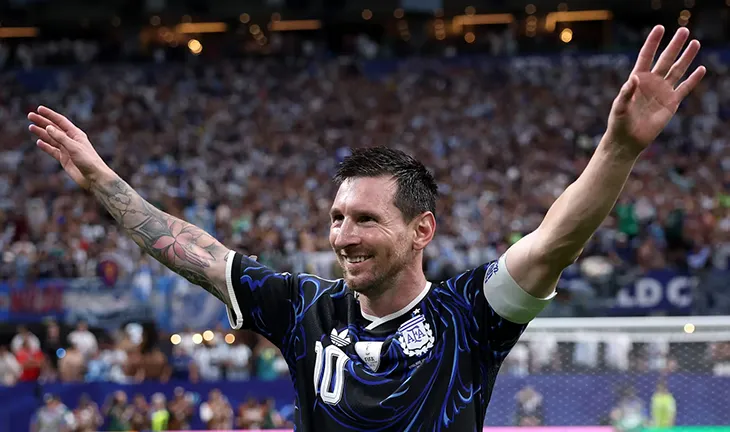
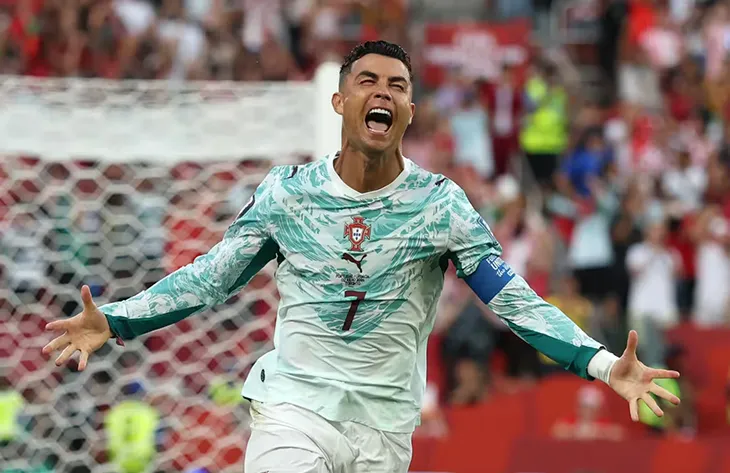
Messi, Mbappé and Ronaldo Rewrote the Record Book
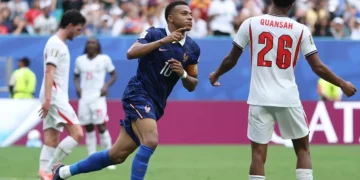
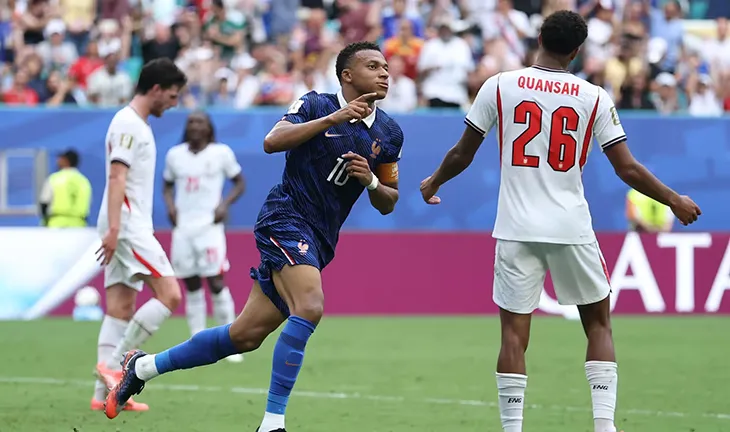
Kylian Mbappé finished the tournament as the leading scorer in men’s World Cup history with 22 goals. He entered the competition behind Lionel Messi, then scored 10 times during the 2026 edition to finish one goal ahead of the Argentine.
Messi extended his record to 34 World Cup appearances and increased his total number of victories to 23. He also scored in nine consecutive World Cup appearances, passing the previous record of six held by Just Fontaine and Jairzinho.
Cristiano Ronaldo became the first player to score at six men’s World Cups. The Portugal captain achieved the record at the age of 41, extending a tournament career that began in Germany in 2006.
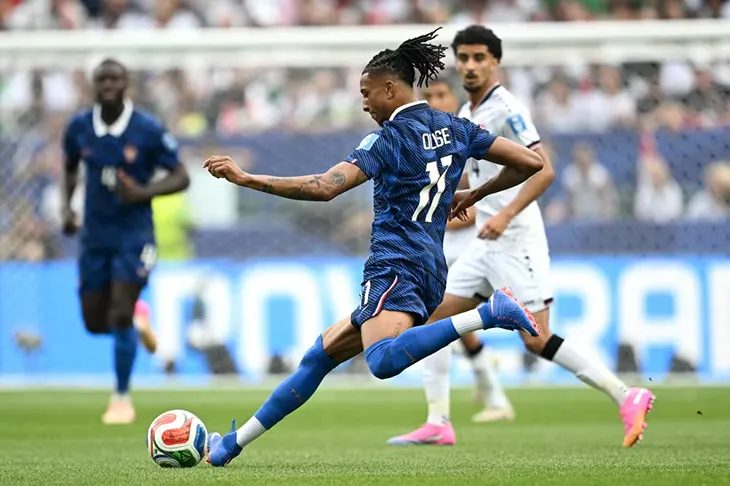
France winger Michael Olise registered seven assists, surpassing Pelé’s previous record of six from 1970. Five of those assists created goals for Mbappé, the highest total from one player to the same teammate at one edition.
Dick Advocaat became the oldest coach to lead a team at the tournament when he managed Curaçao at 78 years and 271 days.
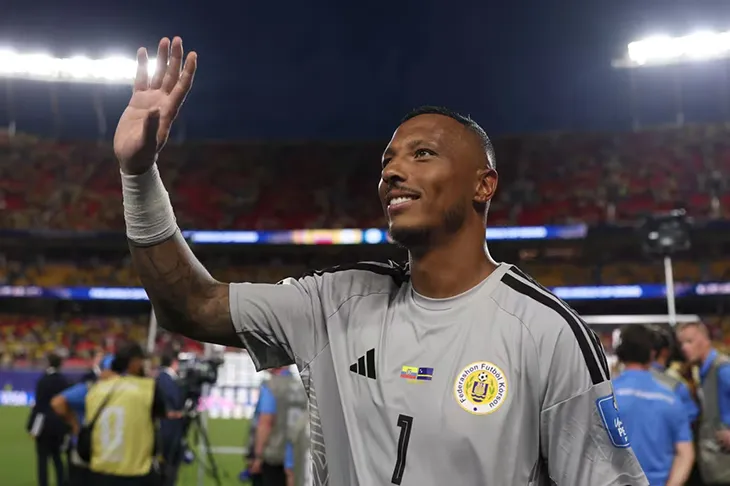
New Nations Created Their Own Records
The expanded competition gave four countries their World Cup debuts: Cabo Verde, Curaçao, Jordan and Uzbekistan. Their inclusion brought new teams into the tournament while creating several unexpected records.
Curaçao became the smallest nation by population ever to play at a World Cup. Goalkeeper Eloy Room made 16 saves against Ecuador, matching Tim Howard’s record for the most saves in one match. Room reached the total in fewer minutes.
Cabo Verde became the smallest country by population to qualify for the knockout stage. The team completed the group stage unbeaten and forced Argentina into extra time before losing 3-2 in the Round of 32.
The new format also introduced a Round of 32 and allowed the top two teams from each of the 12 groups to advance alongside the eight strongest third-place teams.
The 20 Highest-Ranked National Teams After World Cup 2026
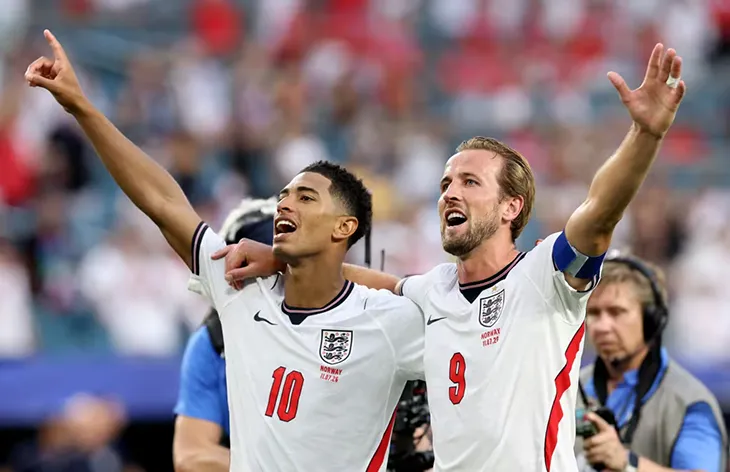
Spain returned to first place in the FIFA men’s ranking after defeating former leader Argentina in the final. France remained third, while England held fourth following its semifinal appearance and third-place finish.
Morocco climbed to sixth, its highest ranking to date. Mexico rose four places to return to the top 10 for the first time since March 2022. Norway recorded the largest rise, gaining 12 places after reaching the quarterfinals.
The latest FIFA men’s ranking, updated on July 20, 2026, lists the top 20 nations as follows:
- Spain
- Argentina
- France
- England
- Brazil
- Morocco
- Portugal
- Belgium
- Netherlands
- Mexico
- Colombia
- Germany
- Croatia
- Switzerland
- Italy
- United States
- Japan
- Senegal
- Norway
- Uruguay
Several International Careers Reached Their End
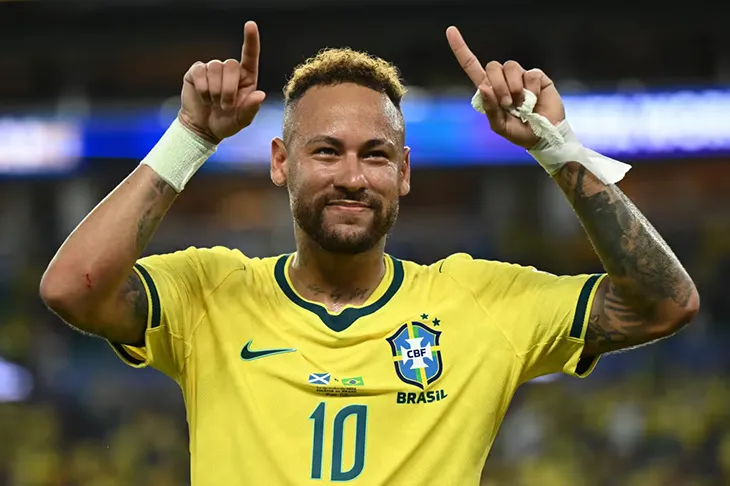
World Cup 2026 also marked the final international tournament for several established players. Manuel Neuer, Neymar, Riyad Mahrez, Guillermo Ochoa and Patrik Schick ended their national-team careers after the competition.
Neuer returned to Germany for one final tournament after previously stepping away from international football. Mahrez had already confirmed that 2026 would mark his final World Cup, while Ochoa completed a Mexico career that included six consecutive editions.
Neymar ended a Brazil career that placed him among the country’s leading scorers, and Schick retired ten years after scoring on his Czechia debut. Didier Deschamps also left his role as France coach after 14 years. His tenure included the 2018 title, the 2022 final and another semifinal appearance in 2026.
The tournament may also represent the final World Cup appearances for Lionel Messi, Cristiano Ronaldo and Luka Modrić, three players who defined the competition for much of the past two decades. FIFA described 2026 as Ronaldo’s final World Cup, while Messi has yet to announce whether he will continue with Argentina. Modrić declined to discuss his future after Croatia’s elimination.
Finally, after more than five weeks of competition, we are slowly closing the chapter on FIFA World Cup 2026. Attention now turns to the centenary edition in 2030, which Morocco, Portugal and Spain will host, with three commemorative matches taking place in Argentina, Paraguay and Uruguay.