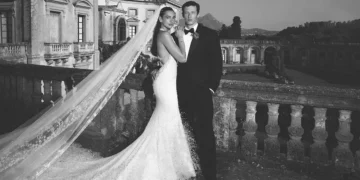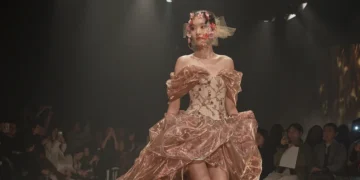



The bridal market has become impossible to ignore. What was once the exclusive domain of heritage houses and specialized bridal labels is now a strategic entry point for established contemporary designers. The latest addition to this expanding roster is London-based Dilara Findikoglu, who has just unveiled her debut bridal collection, a move that signals something larger than a seasonal expansion. It reflects a fundamental shift in how independent brands are reading the economy and consumer behavior.
Bridal has always been a high-margin category. A single wedding dress commands prices that dwarf seasonal collections, and the emotional investment behind the purchase translates into lower price sensitivity. But what’s changed is the timing. In an economic climate marked by uncertainty, inflation, and shifting consumer priorities, luxury discretionary spending has become fragmented. Yet wedding budgets remain largely protected. Couples still allocate significant resources to their ceremonies and celebrations, even when other luxury categories contract. For independent designers, bridal represents a counter-cyclical opportunity, a moment to capture revenue when other segments soften.
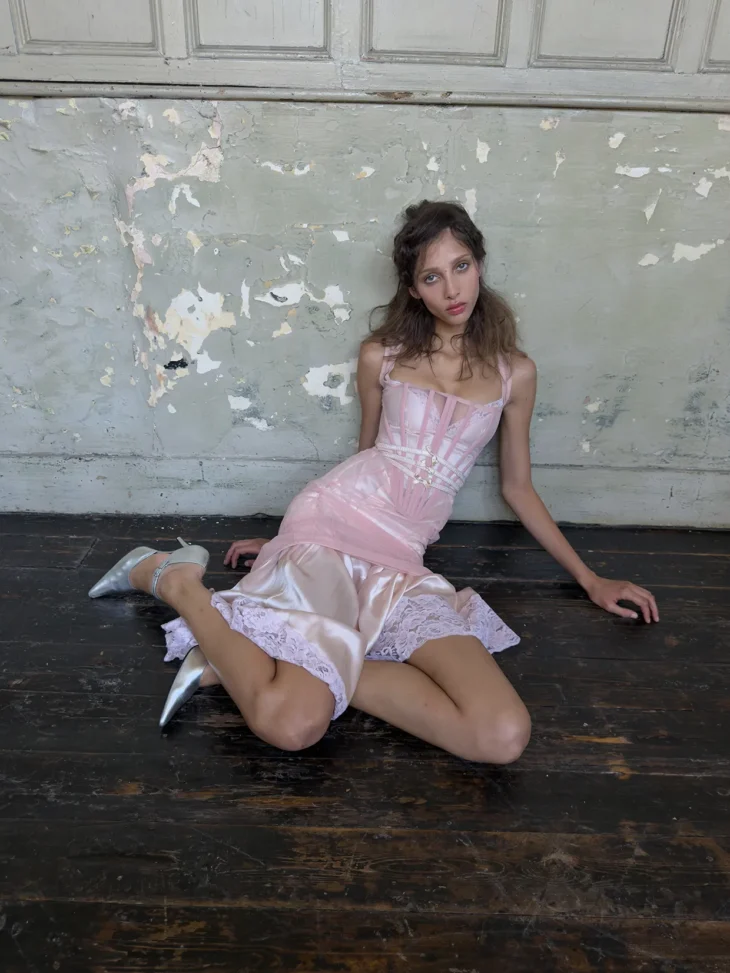
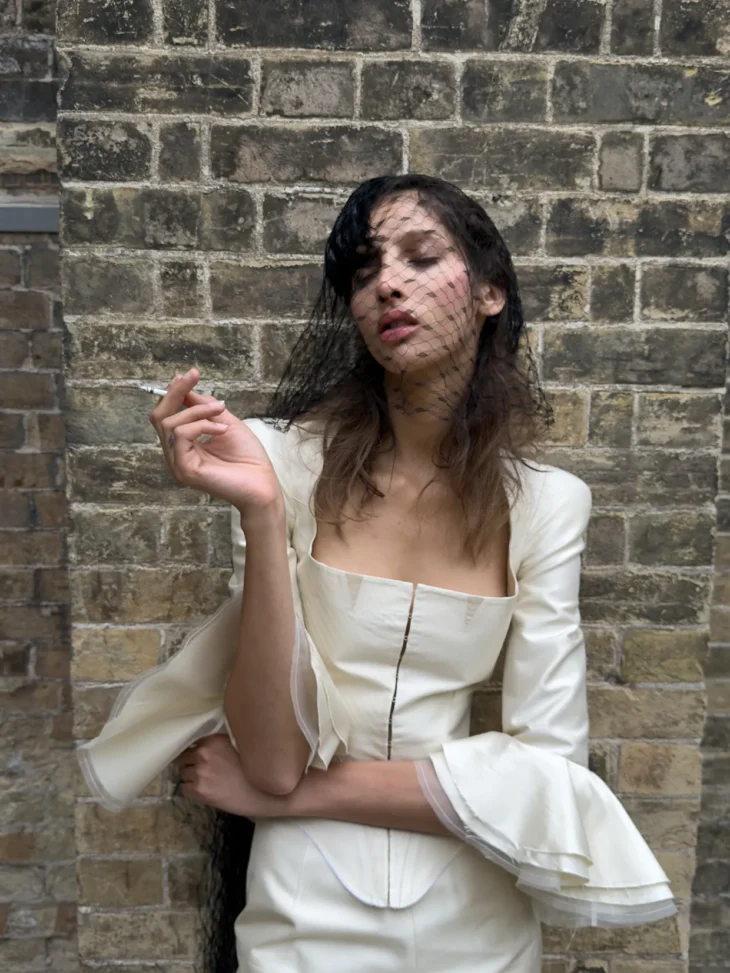
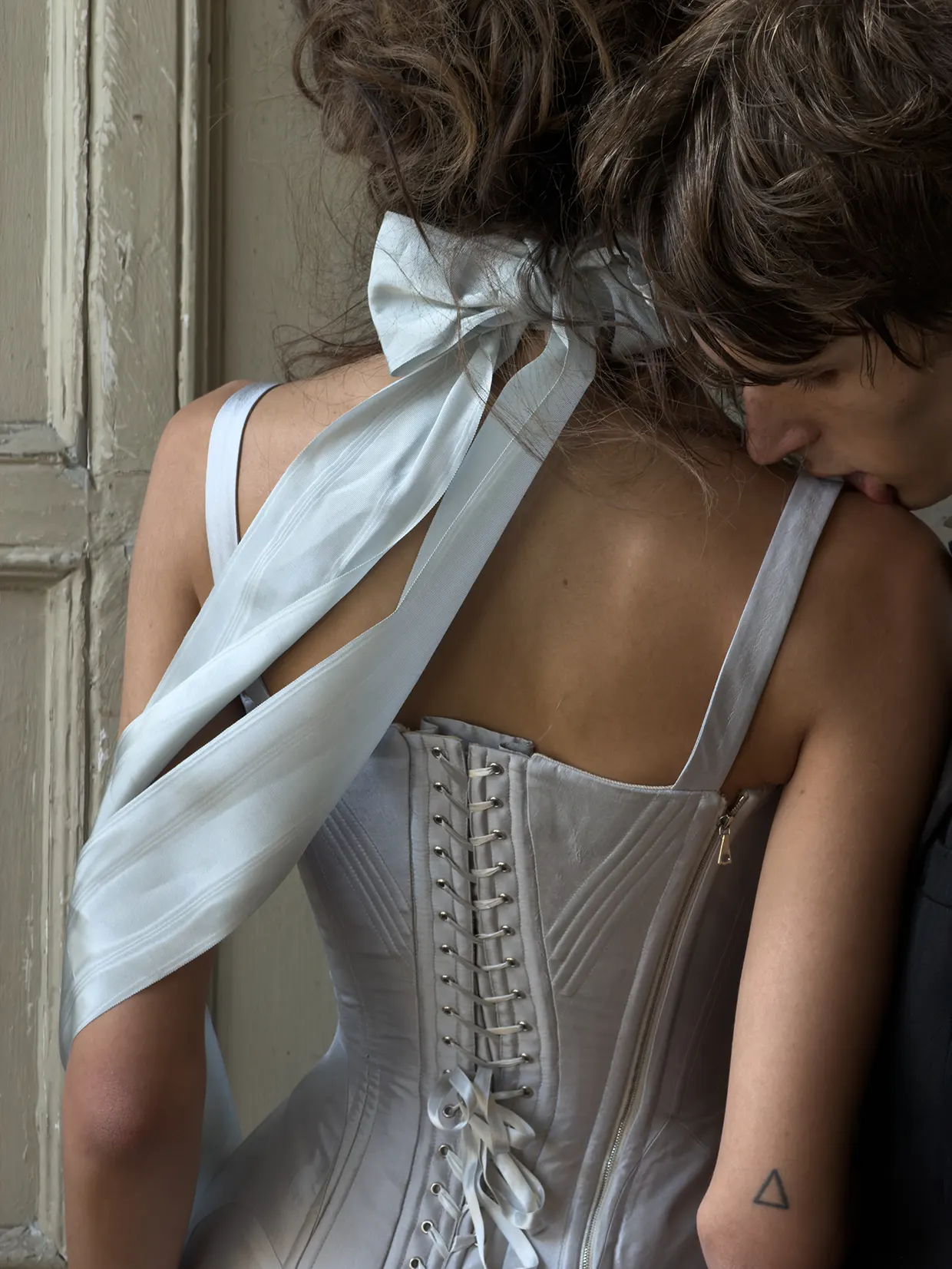
Dilara Findikoglu’s approach is instructive. Rather than creating a separate, reverential bridal narrative, she’s extended her core DNA into wedding dressing. Her debut collection reimagines signature silhouettes as pieces for the after-party, ivory and color-way options in silk taffeta and raw-edged chiffon ruffles. The designer frames this as “tradition merged with rebellion,” positioning bridal not as a departure but as a natural evolution. This strategy is calculated. It allows her to leverage existing brand equity while accessing an entirely new revenue stream without diluting her core aesthetic.
The broader context matters. Recent entrants like Matieres Fecales, with their collaboration featuring model and influencer Gabriette, demonstrate that bridal momentum extends across design categories. What unites these launches is a clear-eyed assessment: brides today, particularly younger, design-forward brides, want their wedding clothes to reflect their actual identity, not an idealized version of femininity. They’re rejecting the erasure that traditional bridal enforces. They want rebellion in ivory. They want their after-party dress to feel as urgent and true as their everyday wardrobe.
This shift has economic implications worth examining. The traditional bridal industry, dominated by established houses with significant overhead, operates on different margins and inventory models than contemporary independent brands. When an established contemporary label enters bridal, they bring efficiency, direct-to-consumer distribution, and lower fixed costs. They can price competitively while maintaining margins. They can produce in smaller quantities, reducing inventory risk. For independent designers operating in constrained economic conditions, bridal becomes a lever for margin improvement and cash flow stabilization.

The data supports this reading. Wedding spending, particularly in the US and Western Europe, has remained resilient even as discretionary fashion spending has contracted. Couples prioritize their celebration moment above other luxury categories. For brands with existing customer loyalty and design credibility, capturing even a fraction of this market can meaningfully impact annual revenue. A single bridal collection can generate revenue equivalent to an entire seasonal output for a mid-sized independent label.
What’s particularly telling is the influencer and celebrity integration, Gabriette’s collaboration with Matieres Fecales, for instance. These partnerships reduce marketing overhead and provide social proof to an audience already primed to spend. The ROI on celebrity-backed bridal launches far exceeds typical campaign spending, which is why even cash-constrained independent brands are pursuing these collaborations.
Findikoglu’s bridal entry, positioned as an after-party edit rather than a full ceremonial collection, is strategically smart. It lowers production risk, signals accessibility, and appeals to a bride who wants to celebrate, not perform. It’s tradition for a generation that rejects tradition, but still spends like it matters.
Discover more of Dilara Bridal in our gallery:
The bridal moment is real. And for independent designers reading the economic landscape, it represents one of the few growth vectors available in a constrained market. Explore more bridal collections. See Matieres Fecales‘ wedding collaboration here.