


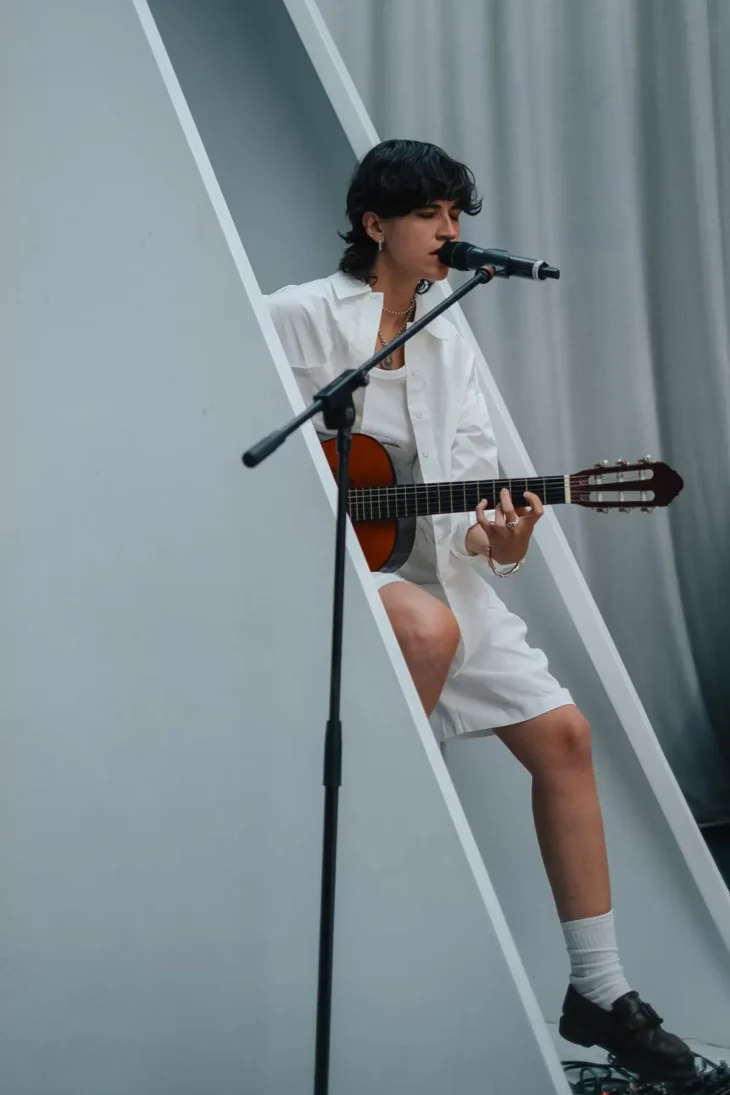
Fashion has a habit of looking inward. Shows are built around the same cities, the same buyers and the same conversations, and the industry can sometimes feel like a closed room that everyone agreed to stay in. Lisbon offers a useful reminder that there is another way to spend a week in fashion. The city’s ModaLisboa platform is the centre of the season, but the real reason to make the trip sits outside the runway, in the workshops where shoes are still made by hand.
We travelled to Portugal as guests of APICCAPS, the Portuguese Footwear, Components, Leather Goods and Allied Products Manufacturers’ Association. The invitation was to see the industry as it actually works, and that is what we did. Nothing was staged for us and nothing was kept at a distance. We were able to follow the production from start to finish, watching how a shoe moves from raw material to finished pair, and asking questions at every stage.
Why the Factory Visit Changes the Story
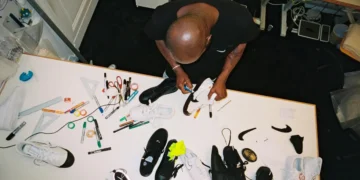
Most fashion coverage stops at the finished product. A photograph of a shoe on a runway tells you how it looks. It says very little about how it was built, who built it, or what decisions were made along the way. Seeing the production first hand changes that. The shoe becomes a sequence of decisions: how the leather is cut, how the upper is shaped over the last, where the stitching is placed and by whose hands.
LATEST SHOES STORIES ON DSCENE
For a publication that cares about craft, that difference matters. The Portuguese footwear sector is large, exporting 68 million pairs worth €1.718 billion in 2025, and it sells more than 90 percent of its output abroad. Those numbers are impressive, but they flatten the work into statistics. On the factory floor, the scale becomes personal. A pair of shoes is a series of small, specific acts, and most of them are still done by people with years of experience.
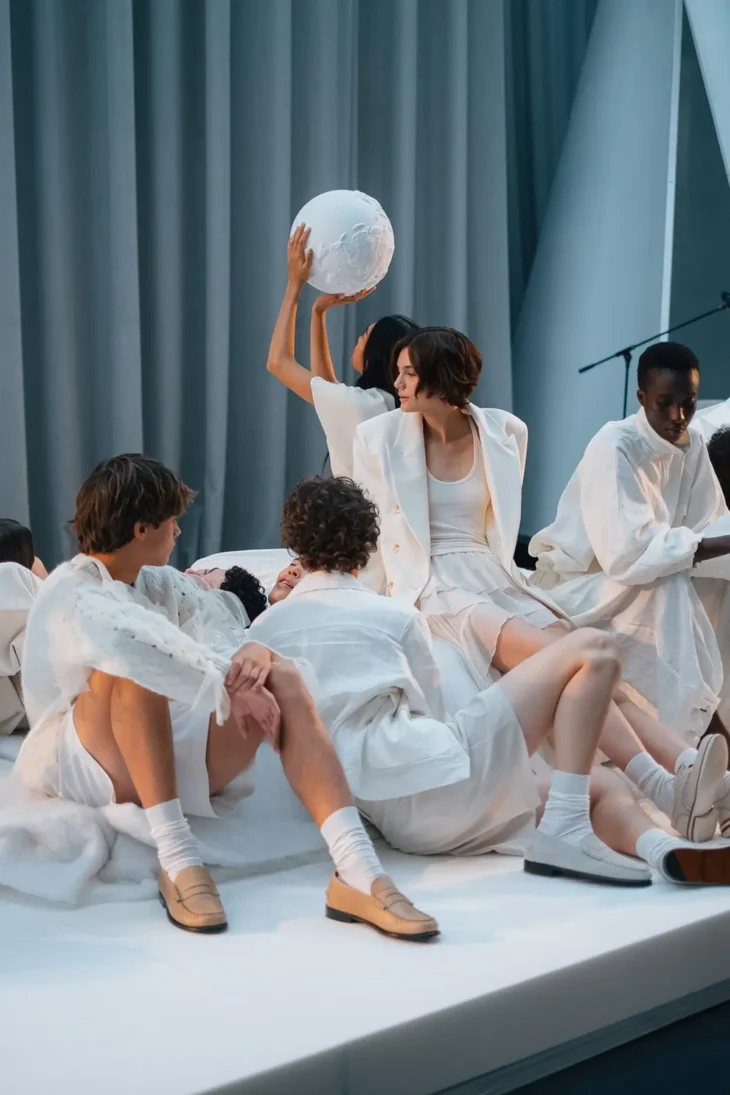
The sector itself is aware of how much this depends on the workforce. Its investment programmes have focused on automation and digital tools, but the leadership has been clear that technology is meant to support existing knowledge, not replace it. Luís Onofre, President of APICCAPS, has framed the aim as combining generations of skill with new methods. What we saw reflected that balance. The machines do part of the work, and the people do the rest with a precision that is difficult to replicate.
Handmade Is Not a Slogan Here
“Handmade” is a word the fashion industry uses loosely. In Portugal it describes something specific. Hand-stitched uppers are not a special edition feature in many of these workshops. They are part of the normal process, and they show up even in footwear designed for demanding, practical use. That was one of the details that stayed with us.
The clearest example of this in the current cycle is the collaboration between the London designer Saul Nash and the Portuguese brand TOWORKFOR. For his Spring Summer 2027 collection, STANCE, Nash reworked the classic boat shoe using lightweight materials, a mesh and suede upper, and a drawstring-inspired lacing system. The design was shown at Milan Fashion Week, and it was built in Portugal. Nash has said he was struck by the quality of the work, even on footwear made for safety and industrial settings.
That is the point that matters for readers who follow menswear closely. Portugal is not only a place for high-volume production or for copying a silhouette from elsewhere. It is a place where a designer from London can take an unexpected starting point, a shoe built for work, and turn it into a fashion object without losing the integrity of the construction.
Materials From the Bioeconomy
Behind some of these collections is a research effort that most fashion coverage never reaches. BioShoes4All was one of the largest transformation initiatives the Portuguese footwear cluster has ever undertaken. Over four years, it brought 69 Portuguese organisations together around a single goal: moving the sector toward the bioeconomy, with stronger collaboration between companies, universities and research centres.
The results are concrete. The project led to 46 new footwear and leather goods products, and 45 of them have a lower environmental footprint. Forty-four have a lower carbon footprint and 27 a lower fossil footprint. The team also developed new biomaterials from resources and by-products that would otherwise go to waste, including pine bark, olive leaves, coffee grounds, chestnut shells and olive stones. In certain leather industry processes, water consumption was reduced by 20 percent.
The materials used in the designer collaborations described above were developed within this project. That link matters. It means the shoes shown on the runway are not only an aesthetic statement. They are also a test of what a more responsible material base can look like in practice.
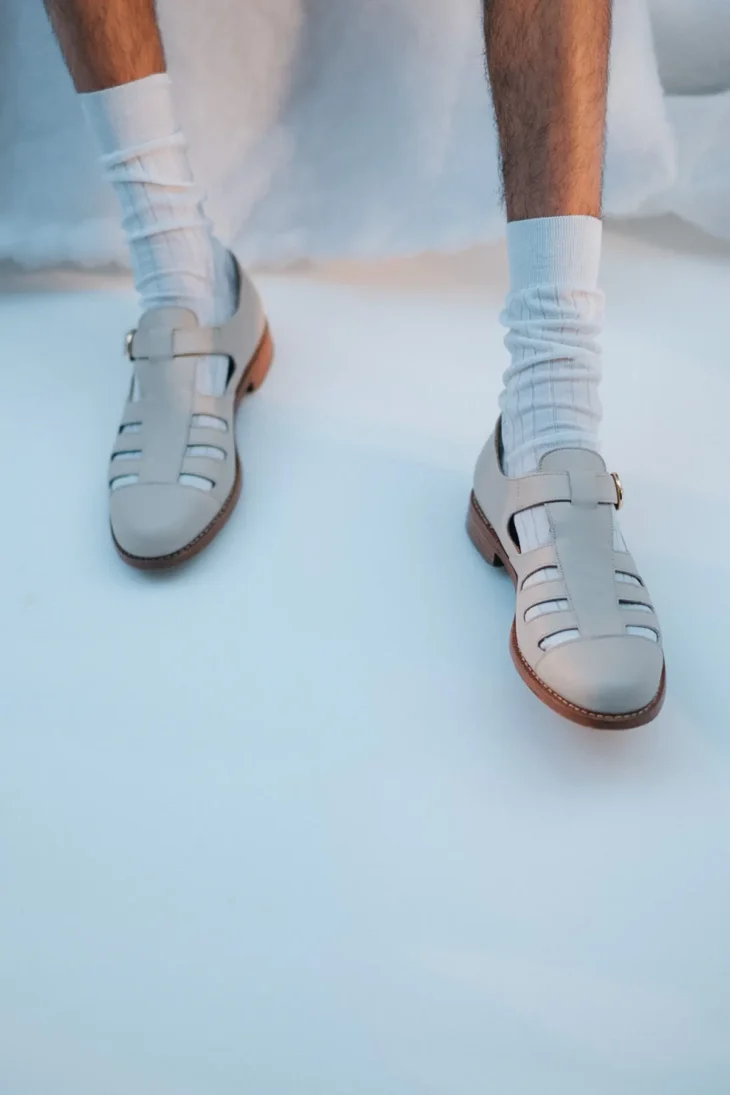
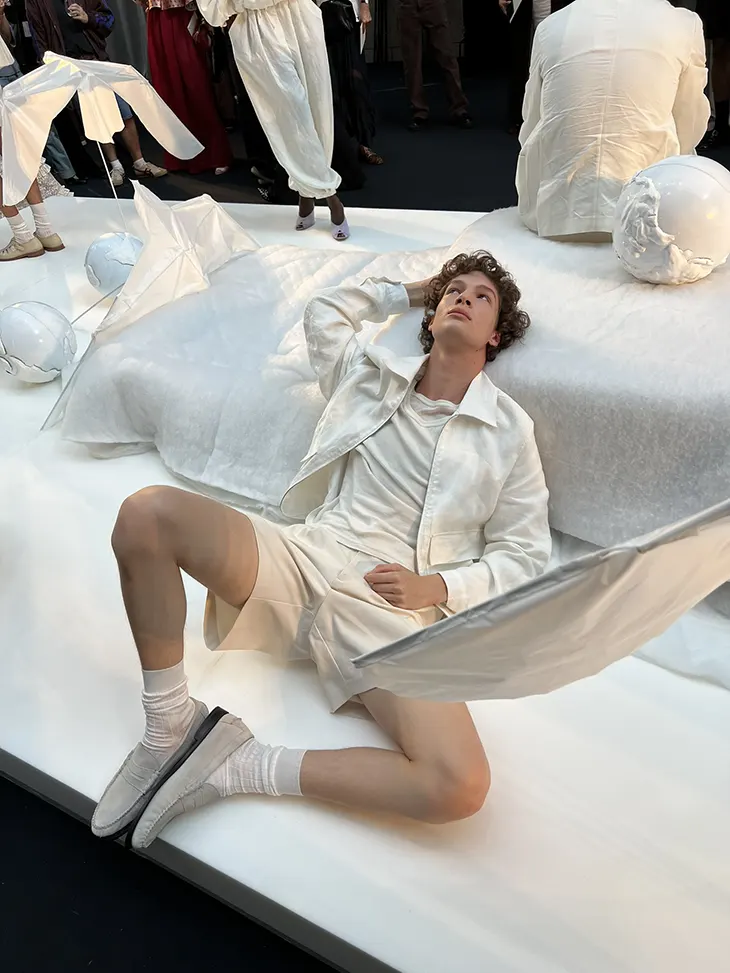
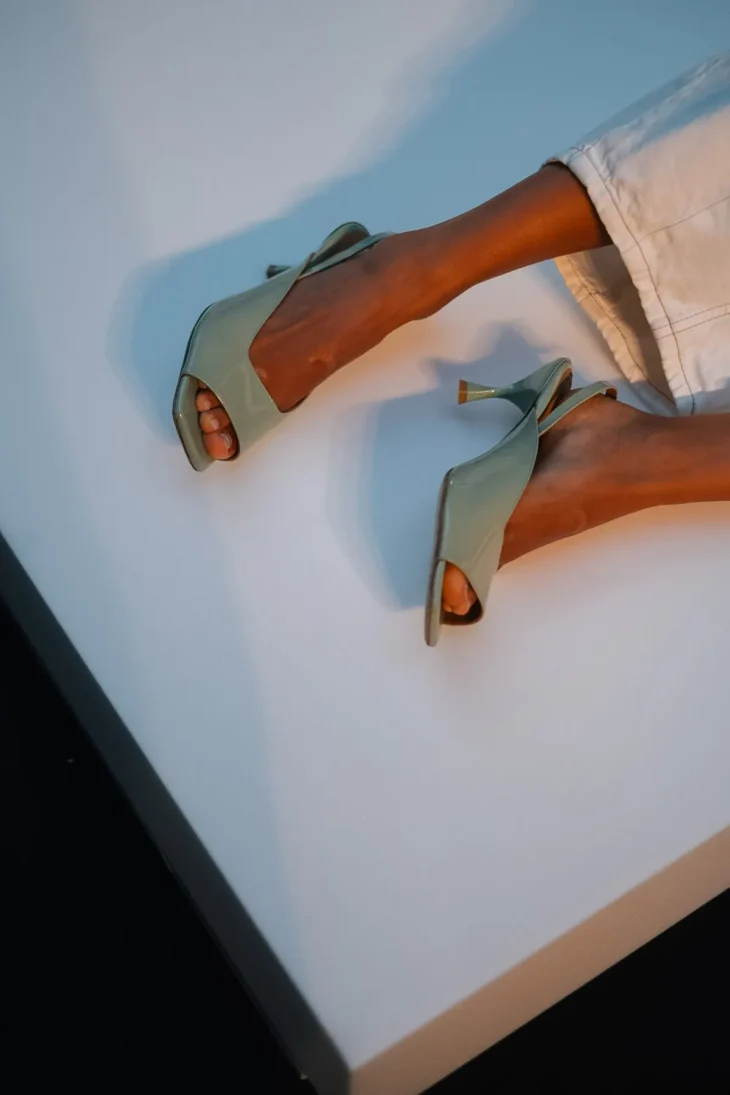
BioShoes4All is part of the wider investment cycle that the sector is completing this year. Together with FAIST, a project of about €50 million focused on automation, digitalisation and artificial intelligence, the two initiatives represent more than €100 million invested in sustainability, new materials and new technology. Luís Onofre has argued that the project shows sustainability can be a competitive advantage rather than a response to regulation alone. For a menswear reader, the practical takeaway is simple: the biomaterials and processes being developed here are the kind of innovation that could change how footwear is made, not only how it is marketed.
Made in Portugal, Coming Alive
The phrase “Made in Portugal” appears on a lot of labels, but in the workshops it becomes something more tangible. It is the sound of a cutting table, the smell of leather being prepared, and the patience of a stitch that has to be right before the next step can begin. It is also a set of relationships. Designers, brands, technology centres and universities are working together on products that are meant to last.
APICCAPS describes this as a shift away from traditional sponsorship toward a more collaborative model. The association brings designers and manufacturers together, offers access to technical resources, and gives the designer room to keep their own vision. The aim is to build lasting partnerships rather than one-off showcases. That approach is visible in the way the new collaborations were presented, and it is visible on the factory floor.
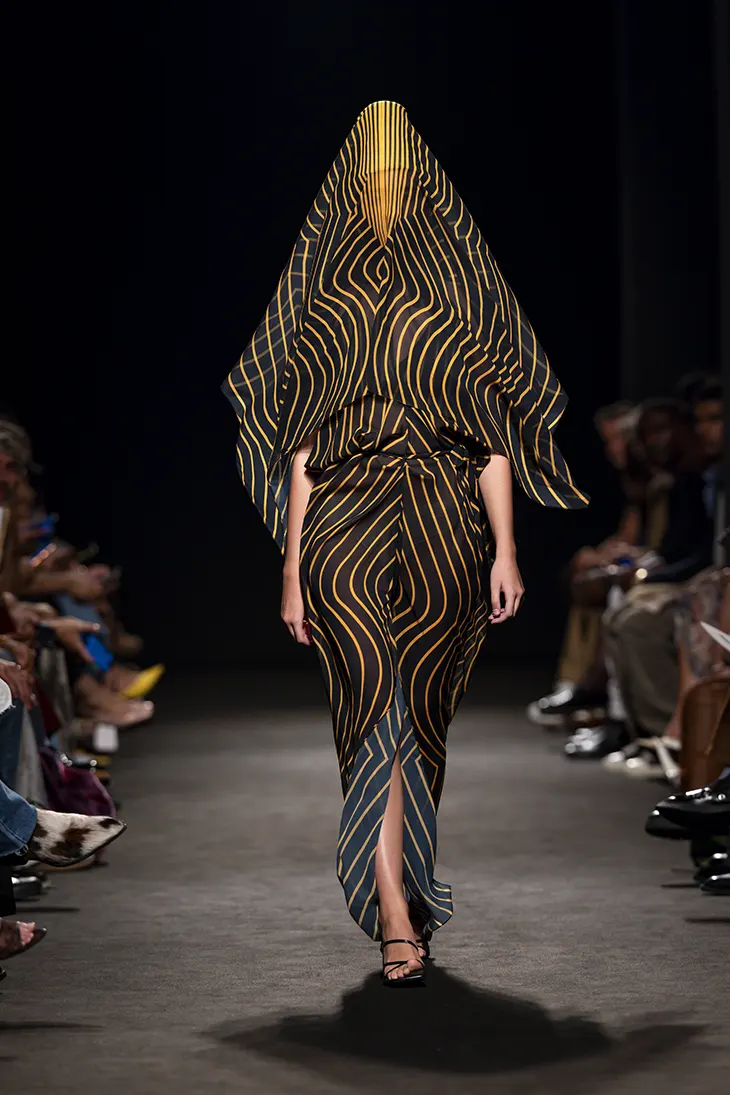
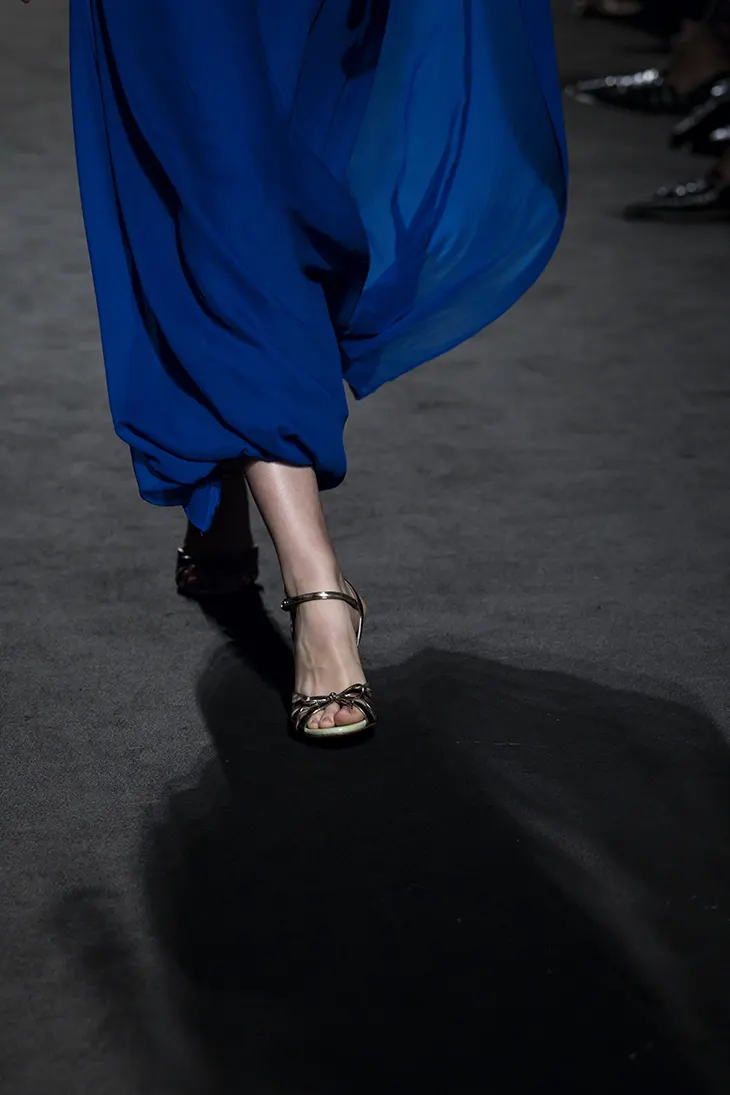
The sector’s wider international reach supports the argument. Portuguese footwear is sold in more than 170 countries, and Germany, France and Spain remain among its most important markets. The United States, with about €84 million in exports in 2025, is now a strategic priority for the next decade. Those markets are not buying a bargain. They are buying a product that the industry describes as built on quality, durability and responsiveness.
Why It Is Worth the Trip
Fashion’s international calendar can make a trip like this sound optional. We would argue otherwise, and especially for people working in the industry. A visit to the factories around Lisbon, and in the north near Porto, offers something a showroom cannot. It shows how the shoe is made, what it takes to make it well, and where the people who make it are based.
For buyers, designers and editors, that knowledge is practical. It changes how you evaluate a product, how you talk about it, and what you expect from the makers behind it. For anyone who cares about menswear, it offers a different kind of inspiration. The work is slower, more deliberate and more exact than the speed of the calendar suggests.
Discover more in our gallery:
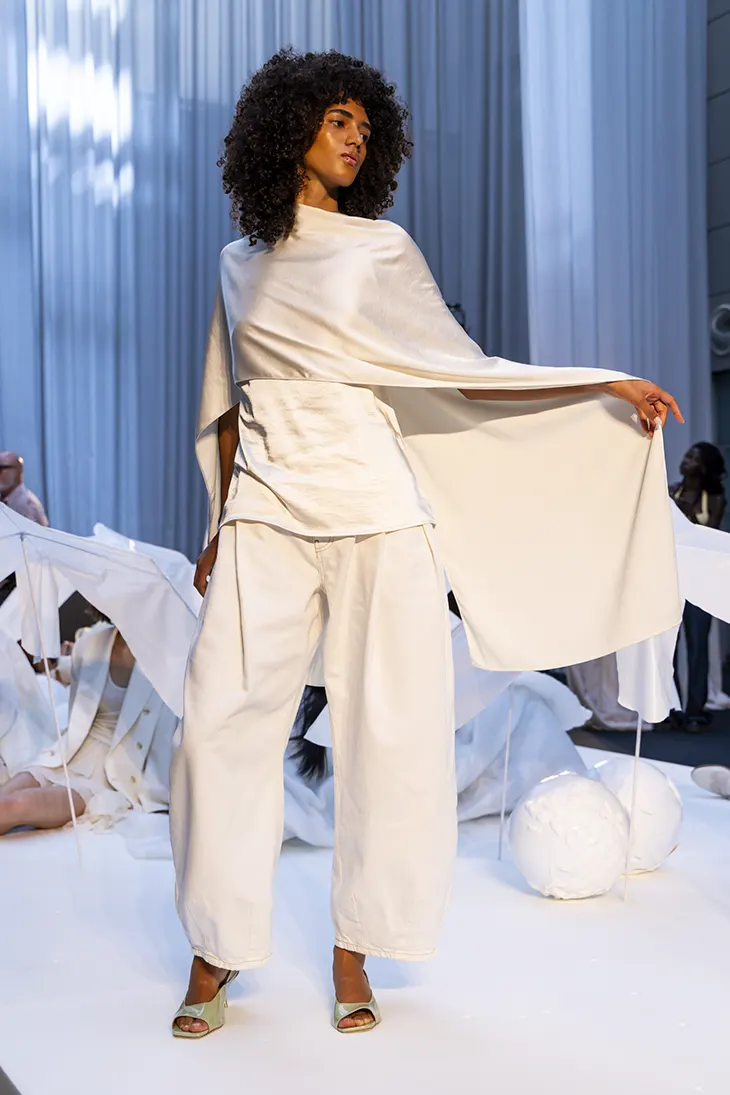
The Kindness campaign, unveiled at ModaLisboa, captures the mood of the visit. Its message is that doing better means making more conscious choices and paying attention to what surrounds us. Standing in a workshop, that idea stops being a campaign line. It becomes something you can see in a stitch, a seam and a finished pair that was made with care.
Lisbon is not the only city to visit, but in this season it may be the most rewarding. The fashion world is still looking for new stories and new places. In Portugal, the story is already in the factories, waiting for anyone willing to step inside.
For more information on Portugal’s shoes industry visit portugueseshoes.pt.