When I was a kid, the future was a place where all the wonderful things were supposed to happen. We imagined flying cars, extraordinary cities, robots doing our housework, holidays on distant planets, and lives made longer and happier by scientific progress. The future was something to look forward to. Even when we didn’t know exactly what it would bring, we seemed relatively certain that it would be better than the present.
DORIC ORDER
Today, ask someone to imagine the world fifty years from now, and the answer will probably sound like the premise of a horror film. Climate catastrophe. Artificial intelligence replacing human beings. Endless surveillance. Political instability. Cities that are too expensive to inhabit. A planet increasingly difficult to live on.
Somewhere along the way, our collective imagination changed direction. We stopped looking forward and began looking back. And perhaps the strangest thing is how comfortable we’ve become with this arrangement.
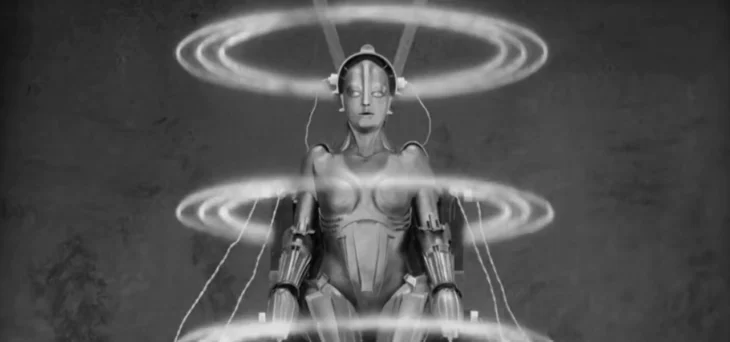
Cinema has always reflected our anxieties about the future. Fritz Lang’s Metropolis imagined a technologically advanced city divided by class. Blade Runner introduced a rain-soaked Los Angeles filled with artificial humans and corporate power. Children of Men depicted a society confronting the possibility of its own extinction.
These films once felt like warnings about possible futures. Today, some of their concerns seem uncomfortably familiar. Then there is Black Mirror, which has made an entire identity out of asking what happens when technological progress encounters humanity’s worst instincts.
When I was younger, the future was a place where all the wonderful things were supposed to happen.
What fascinates me is how rarely contemporary visions of the future involve genuine happiness. Technology becomes more sophisticated, but people appear lonelier. Buildings grow taller, but cities become less hospitable. Machines become more intelligent, while the societies operating them seem increasingly incapable of making intelligent decisions.
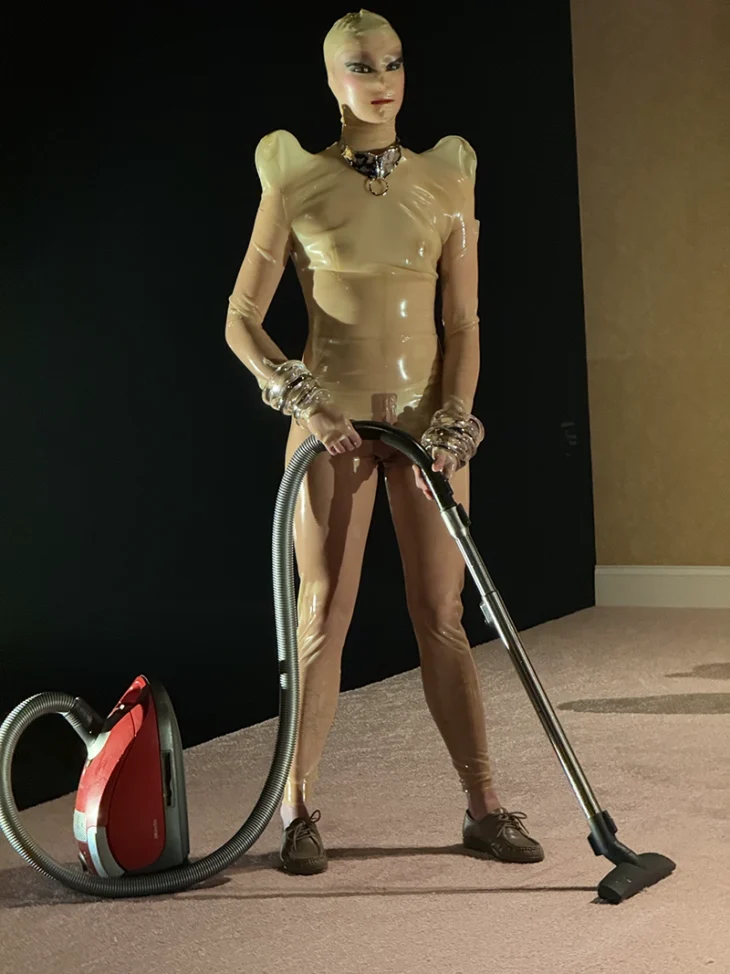
We imagine progress in almost every field except the one that matters most: how we live together.
It is difficult to feel optimistic about tomorrow when the present appears determined to exhaust us.
Wars continue to destroy lives. Democratic institutions face pressure in different parts of the world. Political leaders frequently turn public anxiety into an instrument of power, offering enemies to blame rather than solutions to pursue. The news has developed a particularly unpleasant rhythm. Every morning brings another reason to worry, and every evening another expert explaining why the situation may become worse.
Even when one crisis begins to recede, another takes its place. Of course, the past was never free from political violence, authoritarianism, inequality, or uncertainty. Nostalgia has an extraordinary ability to edit out the things we would rather forget. But what feels different today is the difficulty of imagining a convincing alternative.
We know what we oppose. We know what frightens us. We can identify the things that are failing. What we seem to struggle with is describing the world we actually want.
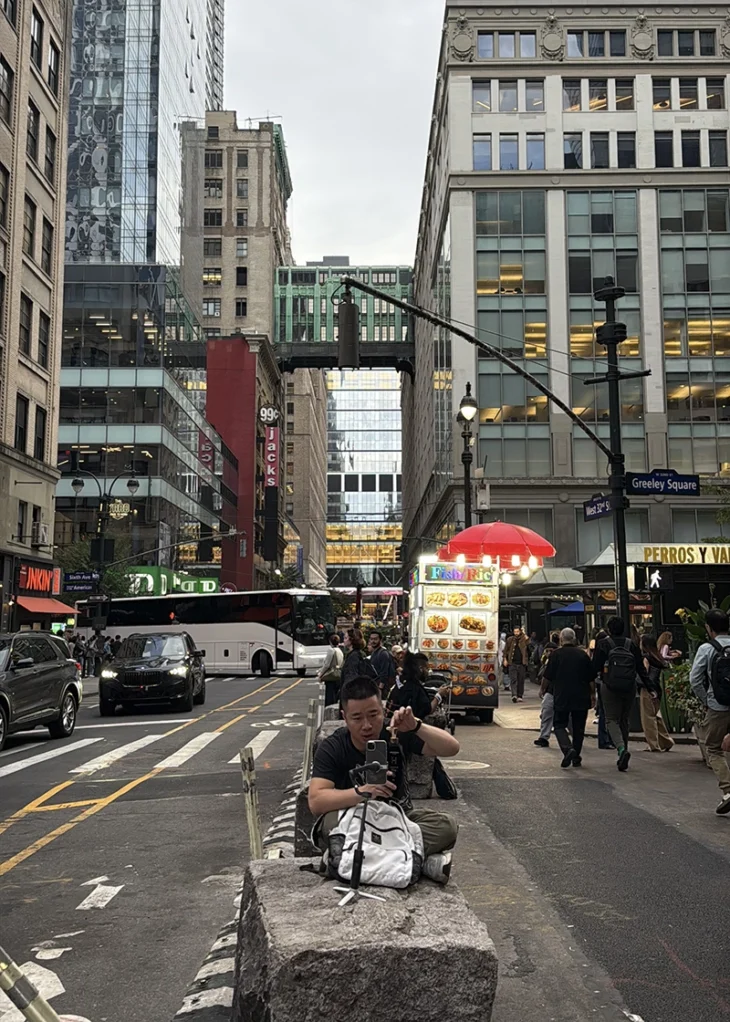
Politics has become remarkably effective at communicating threats and considerably less convincing at offering hope. And without hope, the future becomes something that happens to us rather than something we participate in creating.
Perhaps this explains why we are so obsessed with the past. Fashion endlessly revisits the 1990s and early 2000s. Designers borrow from earlier decades, while archival collections acquire new cultural relevance. Photography embraces film grain and imperfections. Music returns to old sounds. Interiors recover vintage furniture, familiar materials, and the aesthetics of previous generations.
We used to dream about the future. Now we dream about the past.
We watch old television series, collect analogue cameras, and develop emotional attachments to technologies we once couldn’t wait to replace. I understand the attraction. I feel it myself. There is something comforting about photographs from another era, particularly when they suggest a world that moved more slowly. People appear less distracted. Public spaces seem more sociable. Even the imperfections feel reassuring.
Of course, we’re looking at carefully selected fragments of the past. Nobody photographs an entire decade, including its disappointments, boredom, and everyday frustrations. Still, I wonder whether our nostalgia has become something more complicated than an appreciation of old aesthetics. Perhaps we’re borrowing optimism from a time when the future still seemed exciting.
The 1960s imagined space-age living. The 1980s embraced technological possibility, even as they produced their own dystopian nightmares. The 1990s introduced the internet with promises of connection, knowledge, and unprecedented freedom. Today, we revisit those periods partly because we miss their expectations. We miss what people thought was coming.
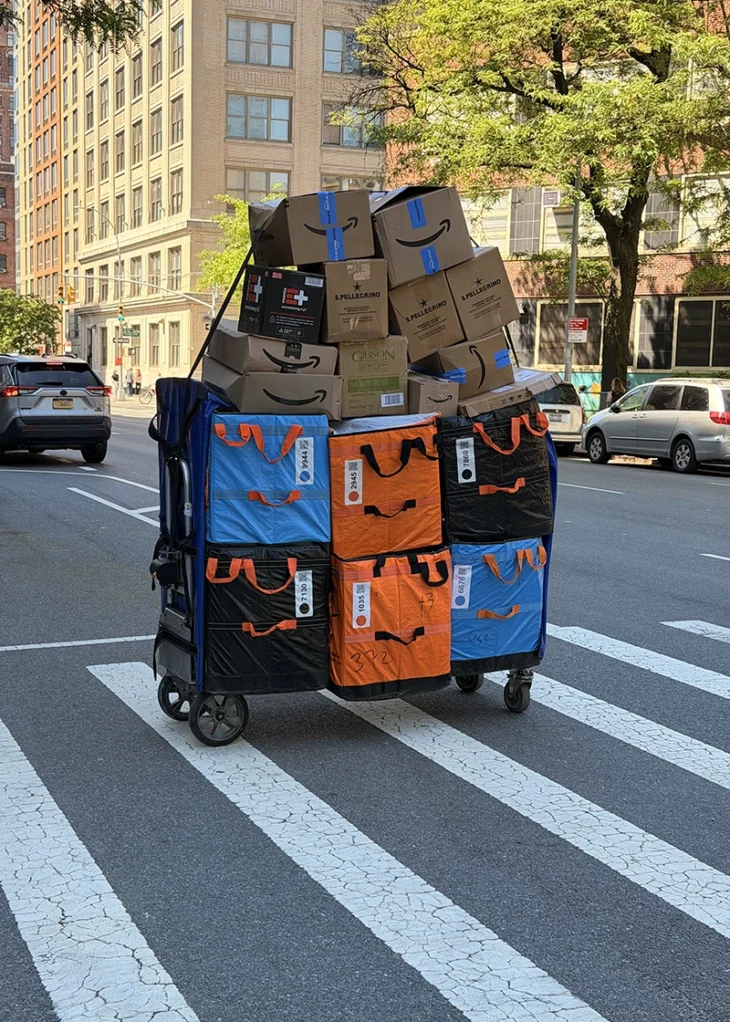
Artificial intelligence is perhaps the clearest example of our complicated relationship with progress. Its possibilities are extraordinary. It can assist scientific research, accelerate complex work, and create new forms of artistic experimentation. Yet almost every conversation about its potential eventually arrives at the same questions.
Will it replace our jobs? Will we know what’s real? Will creative work lose its value? Will human relationships become less necessary? Who will control the technology? We have developed machines capable of remarkable things, yet we struggle to imagine how their existence might make our lives more meaningful.
A society that cannot imagine a better future becomes dangerously easy to control.
Even architecture seems caught between optimism and anxiety. We once imagined the cities of tomorrow as spectacular places of possibility. Now conversations about urban futures frequently revolve around resilience, rising temperatures, housing affordability, security, and adaptation to environmental threats.
These are necessary concerns. Architecture must respond to the conditions in which people actually live. But I wonder when we stopped imagining cities primarily as places of pleasure. Where are the beautiful futures? Where are the extraordinary public spaces, the joyful buildings, the ambitious ideas about how people might live better? Why has survival become such a dominant ambition?
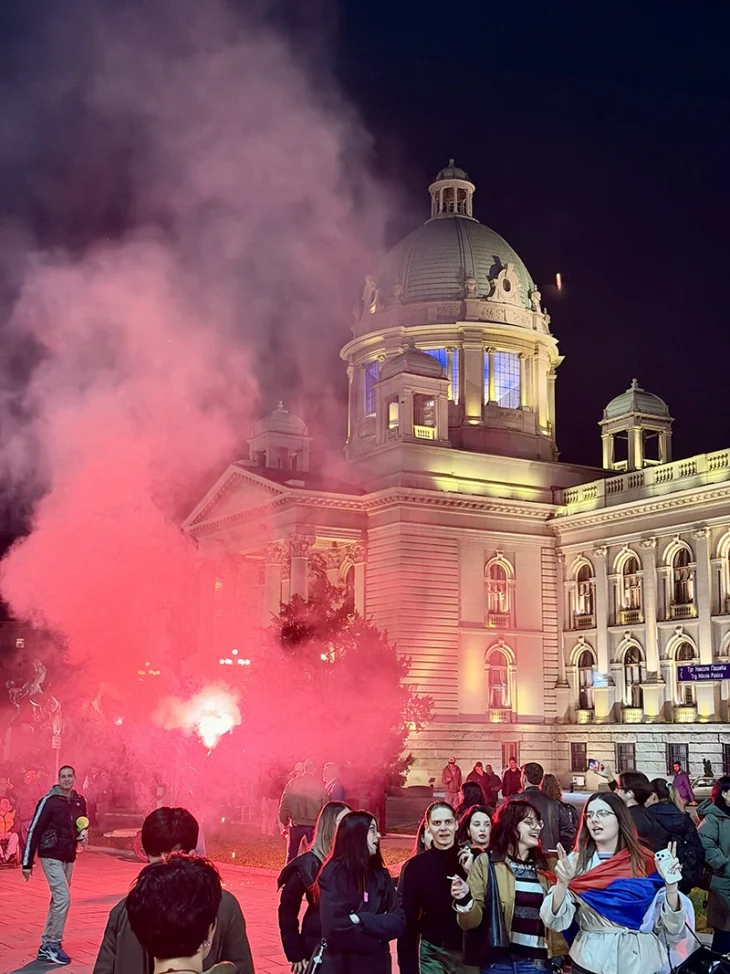
And yet, just when I was beginning to think that our ability to imagine a better future had disappeared entirely, something extraordinary happened in Serbia. On October 25, a student-backed electoral movement won the country’s parliamentary election, following nearly two years of protests that began after the collapse of a railway station canopy in Novi Sad killed sixteen people in November 2024.
The demonstrations grew into a movement demanding accountability, functioning institutions, and political change. The election brought a decisive victory for the student-backed list and ended the long parliamentary dominance of Aleksandar Vučić’s political camp. For me, it was the first genuinely hopeful political moment in a long time.
I don’t imagine that an election can magically repair institutions, resolve every division, or guarantee a better future. The work that follows a political victory is often more difficult than the campaign that precedes it. But watching a generation of young people refuse to accept that nothing could change reminded me of something I had almost forgotten. The future is not necessarily predetermined.
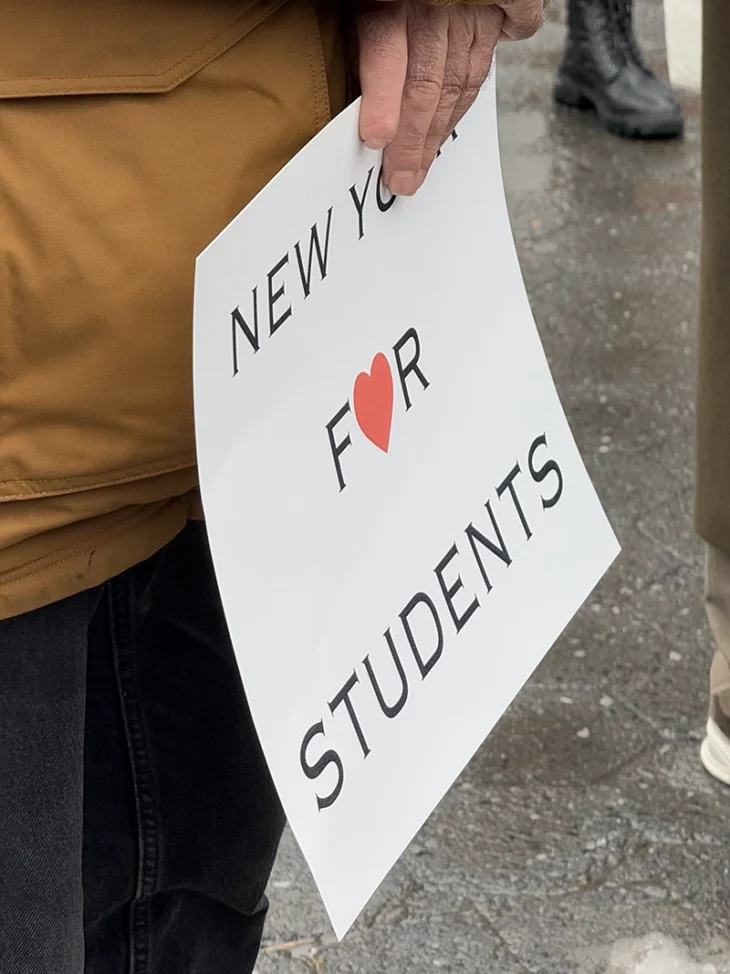
For nearly two years, these students continued organising, protesting, and demanding something different despite enormous uncertainty about the outcome. Their achievement was a reminder that political participation can produce consequences beyond another round of disappointment. What moved me most was the return of a feeling that had become strangely unfamiliar: the possibility that tomorrow might be better.
Halloween asks us to confront our fears, usually from the comfort of knowing that the nightmare will eventually end. But the future has become a horror story without a closing scene. We scroll through warnings, imagine increasingly elaborate catastrophes, and prepare ourselves for things that haven’t happened.
Some of these fears are justified. Ignoring them would be irresponsible. Yet I wonder whether constantly imagining the worst has gradually limited our ability to pursue anything better. There is a difference between recognising danger and accepting disaster as inevitable.
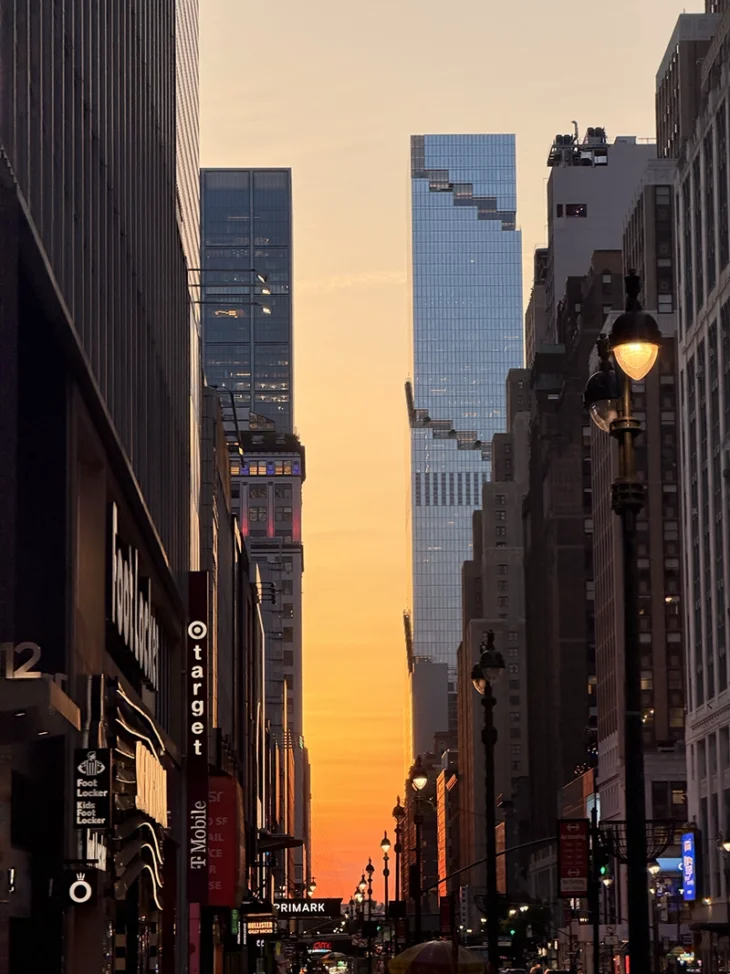
Nostalgia can offer comfort, but it cannot provide a place to live. The past, however beautifully we remember it, is unavailable to us. And the future, however frightening it sometimes appears, remains unfinished. Perhaps what we need is a new cultural imagination, one capable of taking our problems seriously while still allowing room for beauty, pleasure, curiosity, and ambition.
I want to see films that imagine humanity succeeding at something. Architecture that proposes extraordinary ways of living. Technology designed around human well-being. Political movements that offer something more substantial than fear. I want the future to become a place we can dream about again.
Hope has become an almost radical act in a world that expects the worst.
And perhaps that is why the events in Serbia affected me so deeply. At a moment when the world seems increasingly determined to convince us that everything will only become worse, a group of students demonstrated that the direction of history can still change.
We may have forgotten how to imagine a beautiful future.
But we haven’t lost the ability to make one.
And that might be the most reassuring thought of all.