



Many manufacturers of furniture, jewelry, watches, leather goods or interior objects work at the level of established luxury houses. The materials are excellent, the finish is flawless, and the products can hold their own next to famous names. Yet they are often sold as anonymous premium goods rather than as pieces from a sought-after brand. The difference rarely lies in the product itself. It lies in how clearly the brand behind it is defined and communicated.
This guide explains what separates a skilled workshop from a recognizable design house, and which steps help makers close that gap.
Why Quality Alone Is Not Enough
In the luxury segment, customers do not only buy an object. They buy meaning, recognition and a sense of belonging. A well-made chair or ring can be replaced by another well-made chair or ring. A piece from a brand with a clear identity cannot.
The most successful houses share one trait: they are recognizable before anyone reads their name. A few examples:
- Hermès is instantly associated with its orange packaging.
- Bottega Veneta is known for its woven leather technique.
- Tiffany & Co. has made a specific shade of blue its signature.
- Christian Louboutin is identified by the red sole of its shoes.
None of these signals is a logo. They are consistent design elements, often called brand codes, that customers learn to recognize over time.

Step 1: Understand What Makes Your Craft Unique
Every strong luxury brand is built on something real. Before working on visuals, makers should define what genuinely sets their work apart. Helpful questions include:
- Which materials, techniques or processes are characteristic of the workshop?
- Is there a regional, family or historical background worth telling?
- What do loyal customers value most, and how do they describe the products?
- Which design features appear again and again across the collection?
The answers form the foundation of the brand. Without this step, branding risks becoming decoration rather than an expression of the product.
Step 2: Define Signature Brand Codes
From this foundation, a small set of recognizable elements can be developed. These may include a distinctive form or silhouette, a specific material or surface treatment, a signature color, or a characteristic detail such as a stitch, hinge or closure.
The key is restraint. Two or three strong codes used consistently are more effective than many elements used occasionally. Over time, these codes should become so familiar that customers recognize a product even without seeing the name.
Step 3: Ensure Consistency at Every Touchpoint
A brand is perceived as a whole. The product, the packaging, the website, the photography, the showroom and even the tone of an email should feel like they come from the same house. Inconsistencies weaken trust, especially at high price points.
Typical areas to review include:
- Packaging: Does it reflect the quality of the product, or is it generic?
- Photography: Are images styled consistently in light, color and composition?
- Typography and language: Do the fonts and tone of voice match the positioning?
- Digital presence: Does the website convey the same care as the product itself?
Step 4: Translate Craftsmanship into the Digital Space
For many makers, the website is the first contact with international clients. It cannot replace the experience of touching a product, but it can convey its character. Detailed photography, short videos of the making process and a calm, well-structured design help visitors understand why a piece is special.
Fast loading times, clear navigation and mobile usability matter as much here as in any other industry. A beautiful website that is slow or confusing undermines the premium impression.

Getting Professional Support
Building a luxury brand requires both strategic thinking and creative execution, from defining the brand foundation to designing the visual identity and the website. When taking the step into luxury branding, some makers work with specialised brand-building boutiques such as PIXIT, based in Vienna and Singapore, which develops signature brand codes for luxury houses.
When choosing a partner, it is worth checking whether they have experience with luxury and premium brands, whether strategy and design are handled together, and whether they take time to understand the craft before proposing visuals.
Common Mistakes to Avoid
- Following trends: Luxury brands are built on continuity. Frequent changes in style weaken recognition.
- Overcomplicating the identity: Too many colors, fonts or design elements make a brand harder to remember.
- Neglecting the story: Customers want to know who makes the products and why. Authentic stories create emotional value.
- Inconsistent quality: One weak touchpoint, such as poor packaging or outdated photos, can damage the overall impression.
Finally, exceptional craftsmanship is the most important foundation of a luxury brand, but it is only the beginning. Makers who clearly define what makes their work unique, develop a small set of recognizable brand codes and apply them consistently across all touchpoints can turn high-quality products into a design house that customers recognize and remember.
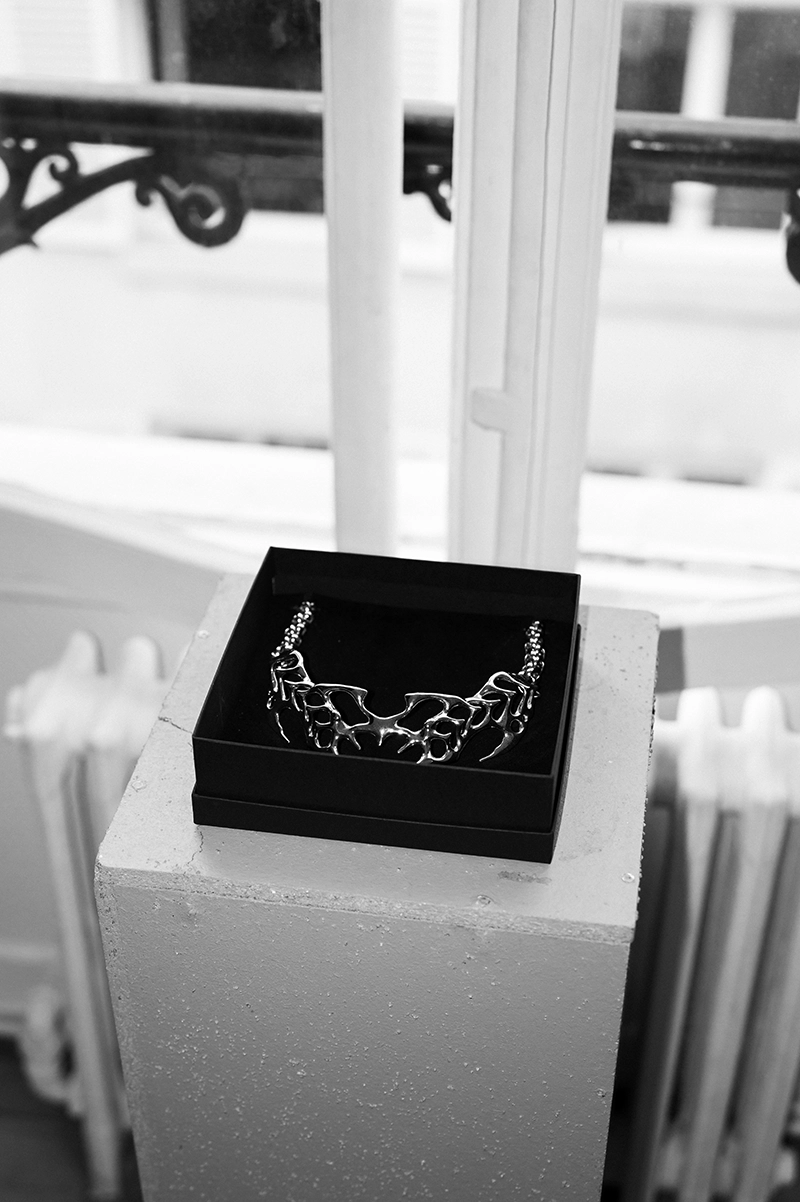
Images from Marlon Ferry and the Body Yet to Come – See full story here.