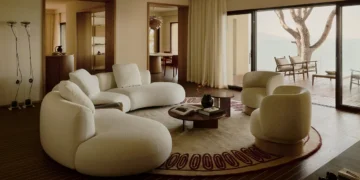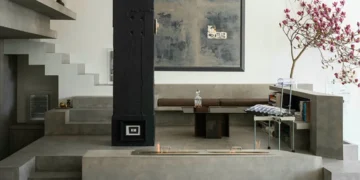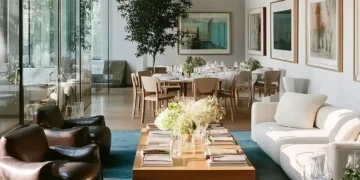



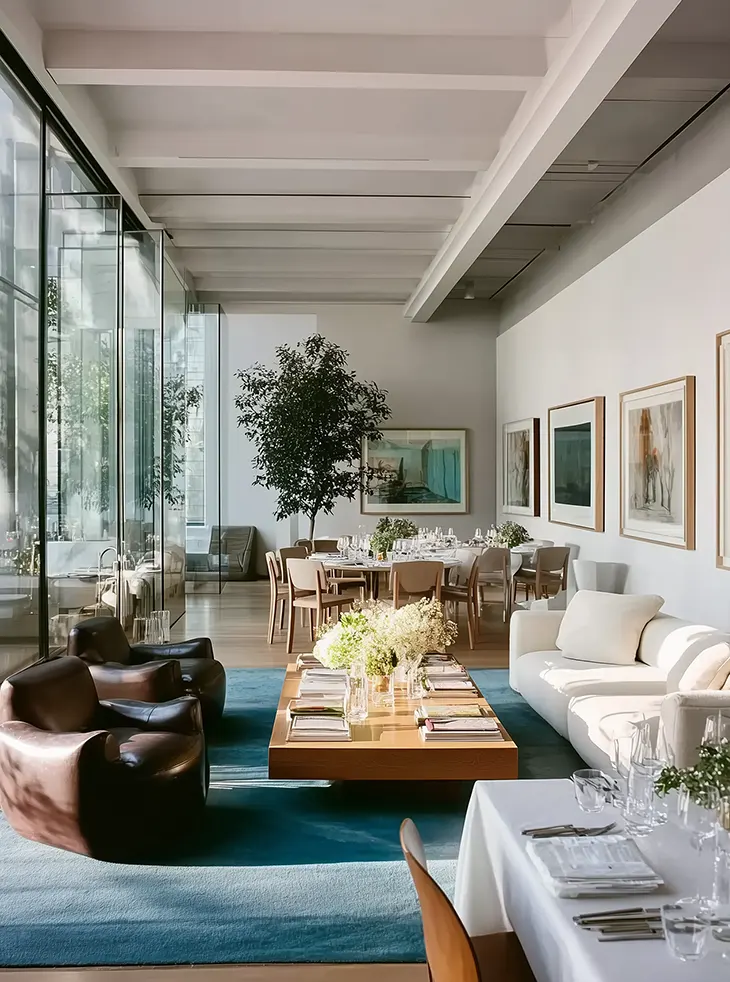
The right décor can turn an empty room into a space that feels like your story. It is more than putting pretty items on tables. Good styling guides how guests move, where they look, and how comfortable they feel. When it works, people remember your wedding as warm and thoughtful, not just photogenic.
You also have a budget and a schedule to respect. That means choosing elements that pull their weight. Simple items like ordering bulk wedding candles, well-chosen linens, and a few strong design details can create a polished look without forcing you into endless tiny purchases. It is not often DSCENE interior design and bridal editors work together, this time, they come together for a few important tips helping you decorate your venue:
Set Your Vision Before You Choose Décor
The biggest décor mistake is shopping before you know what you want the room to feel like. Before you add anything to an online cart, sit down and describe the atmosphere in plain language. Cozy and intimate. Bright and modern. Garden-inspired. Once you have those words, it becomes easier to say yes or no to each piece. Choose two or three primary colors and one metal tone to keep everything tied together. For example, soft ivory, dusty blue, and sage with brushed gold accents. Limiting your palette helps the room feel calm and deliberate, even if you mix different textures and shapes. If you are drawn to many colors, keep them in the flowers and stationery, and let linens and candles stay neutral.
It also helps to decide where you want the strongest visual moments. That might be the ceremony spot, the head table, the bar, or the cake area. You do not need every corner to compete. Pick a few places for more detailed styling and let the rest support those choices with simpler décor.
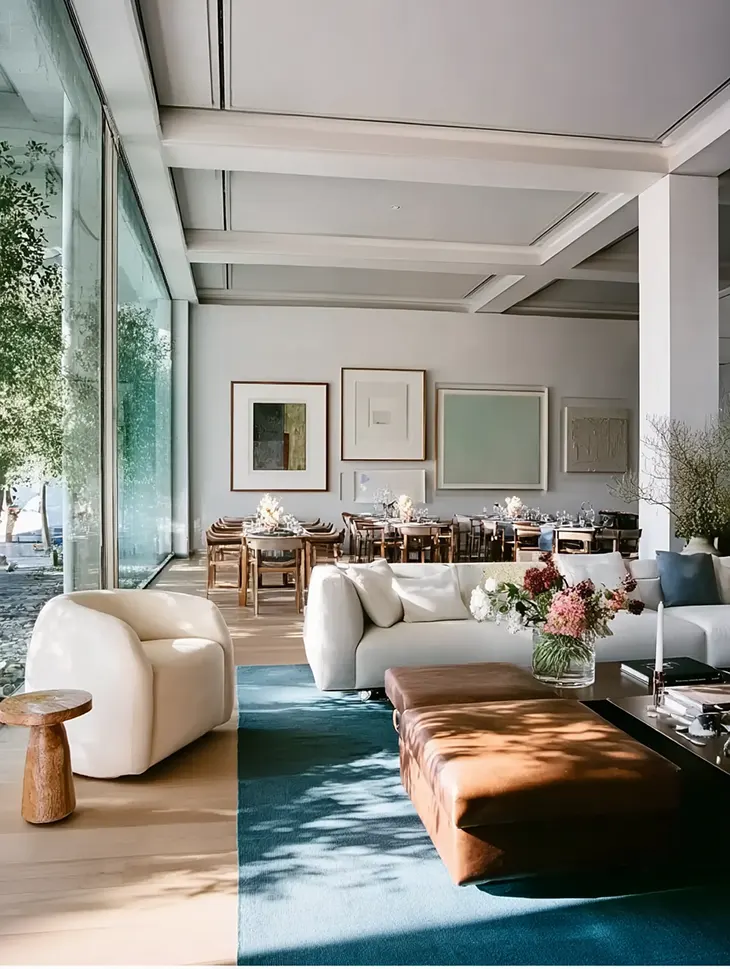
Work With the Venue, Not Against It
Every venue already has a personality. A historic hall, a winery, a loft, or a backyard tent all bring their own lines, colors, and light. Styling works best when you pay attention to what is already there instead of trying to hide it under too many layers.
Start with a slow walk through the space. Notice the flooring, wall color, ceiling height, and existing lighting. A dark timber room can carry warm tones, candlelight, and softer fabrics. A white modern space suits cleaner lines, glass, and bolder color blocks. Use your décor to highlight the strongest features, such as large windows or a statement staircase, rather than covering them.
Practical details matter as much as looks. Ask the venue what they provide and what is included in your hire. Some places, like church halls, already have neutral linens, cushioned church chairs, and basic vases you can style around. Others are very bare and will need more rented items. Knowing this early stops you from buying pieces that will not fit or wasting money on items the venue already owns.
Design Table Arrangements That Fit Your Space
Tables are where guests spend most of their time, so small choices here have a big impact. Before you think about flowers and candleholders, check the table shape and size. Long banquet tables can handle repeating clusters along the middle. Round tables often need a stronger arrangement that stays low enough for conversation across the table.
Keep height and sight lines in mind. Tall items look dramatic, but they should not block people from seeing each other or the couple. If you use taller pieces, balance them with lower items, such as small floral groupings, scattered votives, or textured runners. Aim for variety in height, but keep the overall look consistent in color and materials.
RELATED: Flowers In Design, Elevate Any Space
Table décor also needs to leave room for plates, glassware, and food service. Once you sketch or map out your plan, check where water jugs, bread, or shared dishes will sit. Overcrowded tables feel messy quickly and make it hard for staff to work. It is better to invest in a few well-placed items than to fill every inch of the table.
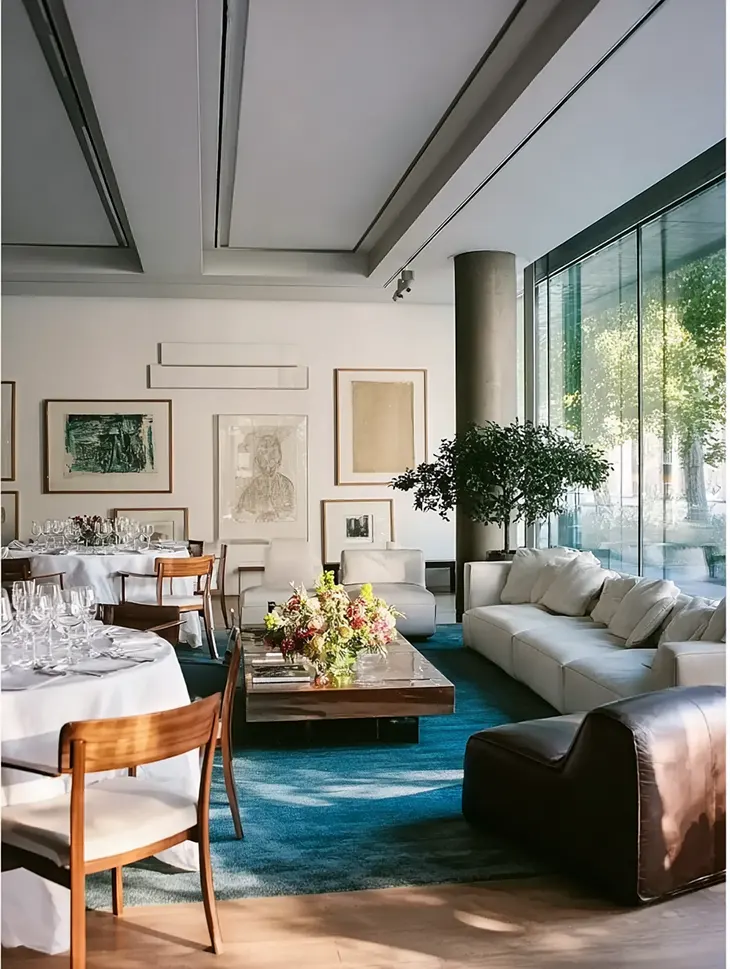
Use Lighting to Shape Mood and Photos
Lighting is one of the most powerful tools you have, and it is often underused. Harsh overhead fixtures can make even the most elegant styling look flat. Softer, layered light creates warmth and makes details sparkle in person and in photos.
Start by asking the venue what you can control. Can overhead lights be dimmed. Are there wall sconces, fairy lights, or spotlights available. Once you know the base level, plan extra layers. Think about string lights over a dance floor, uplights on architectural features, or soft lamps in lounge areas. Couples planning a memorable send-off can extend that same layered glow outdoors by buying sparkler firework sticks for guests, since the warm flicker adds a striking burst of light to evening photos without overpowering the venue’s softer ambient design.
Talk to your photographer about light as well. They can tell you which areas will matter most for images, such as the ceremony backdrop, the cake table, or the toasts. If those zones are well lit with warm, flattering light, your décor will show up better in pictures, and your guests will feel more relaxed in the room.
Add Personal Details Without Clutter
Personal touches are what stop your wedding from feeling like it could belong to anyone. The trick is to focus on those details instead of scattering them everywhere. Choose a few themes that matter to you as a couple, such as travel, books, music, or a shared hobby, and use them in a few key spots.
For example, table names can reference places you have visited together, with a small map sketch on each card. A welcome table might include framed family photos from different generations, arranged neatly on one surface rather than across the whole room. A bar sign could include a short story about your signature drink rather than a long list of puns.
When planning personal décor, look at it through a guest’s eyes. Ask yourself if each item adds meaning or if it just fills space. If it requires a long explanation, it might be better in a speech than on a table. Clean layouts with a few strong details usually feel more thoughtful than many small objects that compete for attention.
Coordinate With Vendors and Create a Setup Plan
Even the best décor ideas fall flat without a solid setup plan. Make a clear list that shows which vendor is responsible for each element. Florist, rental company, decor stylist, venue staff, and family helpers should all know what they are handling and when they are expected to arrive.
Create a simple layout diagram for each area of the venue. Mark table numbers, the position of the dance floor, the ceremony arrangement, and any special displays. You do not need design software. A clean sketch with labels is enough, as long as someone on site can interpret it and answer questions.
Finally, plan how everything will be packed up at the end of the night. Label boxes in advance for candles, vases, stationery, and textiles so helpers don’t have to guess at midnight. A bit of organisation here protects your budget, keeps vendors happy, and ends the day on a smoother note for everyone involved.