


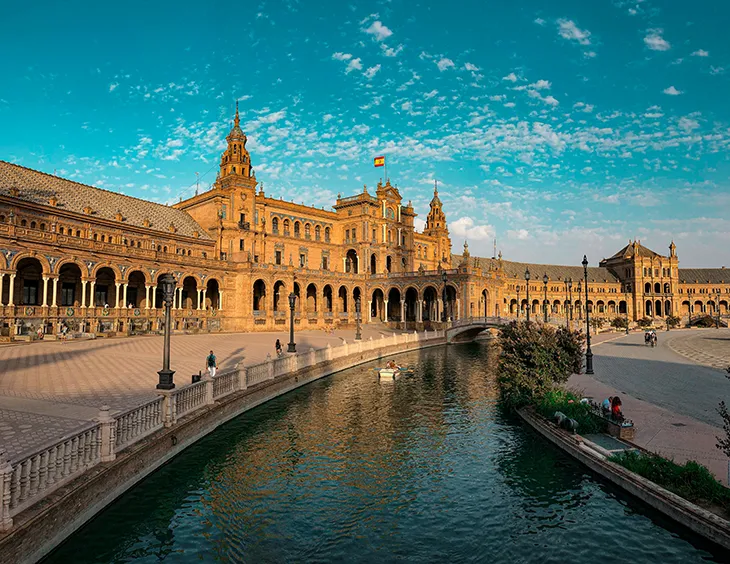
Spain is expected to cross 100 million international visitors in 2025, and that surge influences everything from flight prices to hotel availability. A first trip often feels overwhelming because travelers underestimate the differences in daily routines. Meal hours run later, reservations matter more than people expect, and each region follows its own rhythm.
You will also find that Spain relies heavily on digital systems. eSIM service is common, QR tickets are standard, and many attractions require online reservations before you arrive.
This guide highlights five choices that shape your entire trip. If you get these right, you avoid the usual surprises and enjoy a smoother experience from the moment you land.
1. Get an eSIM Before You Land in Spain
Spain runs a lot of your trip through your phone. Hotels send QR codes for check-in, domestic airlines use digital boarding passes, and famous sights such as the Alhambra or Sagrada Familia often require you to show a QR ticket from your email or app. Train operators do the same. If you arrive without mobile data, you may end up standing at the entrance, unable to download the ticket that the staff is requesting.
Buying a physical SIM at the airport may seem easy, but it often costs you more time and money. Airport counters often charge around thirty to sixty percent above normal prices, and lines grow very long during busy months. After a long flight, the last thing you want is to stand in a queue just to get online.
An eSIM for Spain trip solves most of these problems before you even board your plane. You install it on your phone at home, activate it just before departure, and land in Spain with working data. There is no need to hand over your passport at a kiosk, and reputable providers offer solid coverage across Barcelona, Madrid, Valencia, Seville, Granada, and other major destinations.
Reliable data from the start also ensures smooth communication. Many hotels, such as Sir Victor Hotel, confirm arrival times through WhatsApp, taxi drivers share live locations, and tour operators send meeting points or last-minute changes via chat. When you can read and reply instantly, you avoid confusion and missed tours.
Set up your eSIM at least a day before you fly. You can test that it activates correctly, keep your focus on boarding and connections, and walk out of arrivals in Spain already connected and ready to pull up every QR code you need.
2. Book the Major Attractions Weeks in Advance
Spain’s top monuments are packed through most of the year, and same-day access is becoming rare. Sagrada Familia, Park Güell, the Alhambra, and the Royal Palace of Madrid often sell out well in advance of the scheduled date. Travelers who wait until the last moment usually find that no available slots are left, especially during spring and late summer.
Most sites now use dynamic pricing, which rewards those who plan. When you secure your tickets weeks ahead, you often pay noticeably less. In many cases, the difference reaches 20 to 40 percent, depending on the season.
Crowd management rules are also much stricter than they were a few years ago. The Nasrid Palaces inside the Alhambra limit the number of people per entry window. Walk-in visitors are turned away or offered limited access that skips the most memorable parts of the complex. Missing this section changes the experience entirely.
Booking ahead also brings more clarity to your schedule. These attractions operate on a time-based entry system, so your chosen window determines the rest of your day. When your main stops are locked in, it becomes easier to plan meals, transport, and neighborhood visits without rushing.
3. Understand Spain’s Meal Timings and Daily Rhythm
Spain follows its own clock when it comes to eating, and this catches many first-time visitors off guard. Restaurants often stop serving between 4:00 p.m. and 8:30 p.m. Tourists walk in expecting an early dinner and are surprised when the staff informs them that the kitchen is closed, even though the dining room still appears active.
Lunch carries more weight than dinner in many Spanish cities. The menu del día offered during lunch hours usually provides the best deal, including a starter, main course, dessert, and a drink, all at a fixed price. Locals treat this meal as the centerpiece of the day, so kitchens stay busy, and the variety is substantial.
Dinner begins later than most visitors expect. Many places open their evening service after eight thirty, and popular restaurants in Barcelona, Seville, and San Sebastian fill quickly. Making a reservation ensures a smooth evening and saves you from having to walk around looking for a table.
4. Use Public Transport Over Taxis in Major Cities
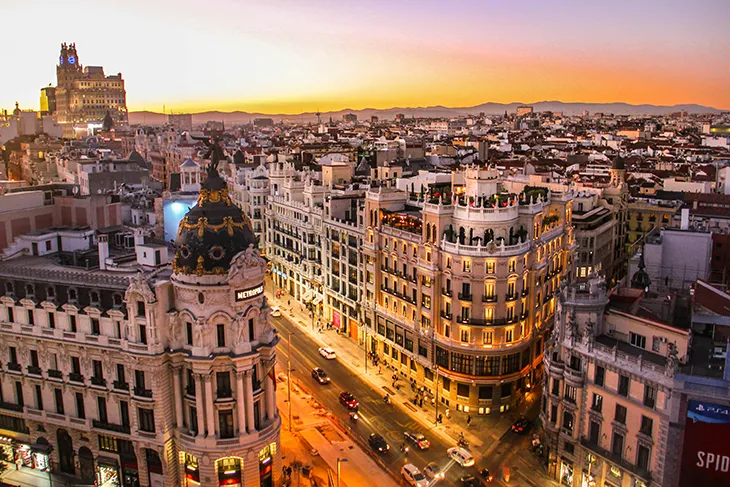
Madrid and Barcelona offer two of the most reliable metro networks in Europe. Trains operate on fixed schedules, ensuring consistent travel times even when roads are congested near the Gothic Quarter, La Rambla, Gran Via, or Puerta del Sol. Visitors who rely on taxis in these areas often spend far longer in traffic than expected, which cuts into their sightseeing time.
Taxi fares also climb quickly in popular districts. Prices rise even more during major festivals such as Las Fallas in Valencia and Feria de Abril in Seville. These events draw large crowds, and surge periods can push fares to nearly double the usual amount. When public transportation is running smoothly, it helps keep your budget under control and saves you time.
If you plan to travel between cities, Spain’s high-speed trains are usually the smartest choice. Services like AVE, OUIGO, and Iryo cover long distances much faster than short flights, and the overall cost often comes out lower once you factor in airport transfers. For example, the trip from Madrid to Barcelona takes around two and a half hours by train and brings you directly into the city center.
Finally, Spain gives its best to travelers who understand how it works. The country runs on a digital backbone, follows its own daily rhythm, and fills its most famous attractions long before the doors open. When you plan around these realities, the trip feels smoother from the start.
These five fundamentals can significantly reduce the stress of a first visit. Once they are in place, you can focus on what brought you to Spain in the first place, whether that is architecture, food, culture, beaches, or the lively nights that fill its major cities.
Spain remains one of the most welcoming places you can visit. Travelers who arrive prepared experience more, move through the country with confidence, and return home with the trip they hoped for.