Before photography became instant and widely accessible, it operated as a slower, more deliberate craft. Pre-digital photography, another name for everything created before memory cards, LCD screens, and editing apps, has a visual character that still feels distinct today. You can usually recognize it without being told when or how the photo was made. There’s a certain weight to it, a sense that time and material played an active role in shaping the image. This visual aesthetic of pre-digital photography isn’t about nostalgia alone. It stems from real limitations, physical processes, and thoughtful choices that influenced how photographers worked and how images appeared in the final frame.
The Influence of Film Itself
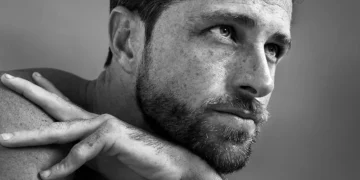
Film was never neutral. Each type carried its own visual characteristics. Black-and-white film had a distinct contrast, which set it apart from color film. Some films employed specific lighting techniques to create deep shadows or to accentuate bright areas. Moreover, depending on which stock the artist used and how the lighting was set, the amount of grain in the film varied.
Color film introduced another layer of variation. Colors rarely matched precise representations of reality. Some films leaned warm, while others leaned cool. Skin tones, skies, and greens shifted slightly depending on the film used. These variations gave photographs a recognizable mood without the need for digital filters. The various photographic methods created separate emotional environments, enabling viewers to recognize images through their natural qualities rather than digital editing.
Grain as a Feature, Not a Defect
The process of pre-digital photography produced grain as an unavoidable result. Instead of being seen as a problem, it became part of the image’s texture. The grain created a softening effect that seemed to occur organically. The artist shaped smooth edge transitions, enabling the viewer’s eye to move through the frame without being overwhelmed by detail.
While similar grain can be achieved with new digital cameras or editing software, nothing beats the real thing. Shooting with pre-digital cameras and using Capture to digitize the photos can help achieve the same visual aesthetic of pre-digital photography and bring it into the digital world.
Limited Frames Changed How People Shot
The production of film required full attention to each frame. A roll typically held 24 or 36 exposures, and once they were gone, they were gone. Because of this limitation, photographers used their cameras in specific, intentional ways.
People didn’t just walk around snapping photos of the same frame as they do now. Instead, they spent time carefully considering each shot before activating their camera shutters. They waited for the perfect moment to make their move while fine-tuning their equipment. It was a skill, and it was luck at the same time. These kinds of artistic arrangements and fashion shoots improved through the restrictions that storytellers used to build meaningful narratives. People took photos because they wanted to save the essential moments that they believed were crucial.
Light Was Everything
In the pre-digital era, cameras offered no instant preview. Photographers had to master the fundamentals of light, essential for composition and mood. They studied the shifting patterns of daylight and the effects of artificial lighting on photography and film.
Because of these constraints, lighting choices were considered: shadows were shaped purposefully and highlights carefully controlled. Every beam had direction and intention, giving images depth and atmosphere. Today, by contrast, exposure can be adjusted in a few clicks, removing much of that tactile decision-making.
That shift has also changed how we preserve and interact with images long after they’re created. With professional photo scanning and restoration services it’s possible to retain the original depth, tonal range, and subtle details that defined analog photography, rather than losing them to flat, low-quality digitization.
In a way, it brings photography full circle: restoring intention and nuance to images that might otherwise be flattened by convenience, and ensuring that even decades-old photographs retain the depth they were originally crafted to hold.
The Darkroom’s Quiet Impact
Darkrooms were more than just places to develop film. They served as spaces where photographers made their final visual decisions. Dodging and burning, lightening or darkening specific areas, were done by hand. Contrast was adjusted through exposure time and paper choice. Nothing was instant.
Some believe that the beauty and visual aesthetic of pre-digital photography can be attributed to the fact that photographers needed to physically work with their photographs after capturing them. They printed them manually. The modifications followed a purposeful method, resulting in small yet important changes. The editing process required such a high level of precision that any attempt to over-edit would have been impossible, because each modification demanded both time and exactness.
Imperfection as Authenticity
The photographs showed dust particles, light entry points, small scratches, and unbalanced exposure levels. These defects created unique elements that made the images more interesting. Viewers could see that a genuine object, including negative prints or printed images, existed as the base for the photograph.
Small flaws that appeared in these images made them look more genuine. They reflected the conditions in which the artist took the photo and the tools used to create it. In the end, the unrefined quality of the images created an emotional connection with viewers because of their authentic nature.
Why the Aesthetic Still Matters
Today, digital tools can recreate many aspects of the visual aesthetic of pre-digital photography, from grain to color shifts. However, the original aesthetic wasn’t created to have a specific appearance. Instead, it was the natural outcome of a slower, more thoughtful process. That’s why these images still resonate. They feel grounded in time and place. They carry the marks of patience, skill, and limitation. In a world flooded with images, pre-digital photography reminds us that fewer photos, taken with care, can often say more.
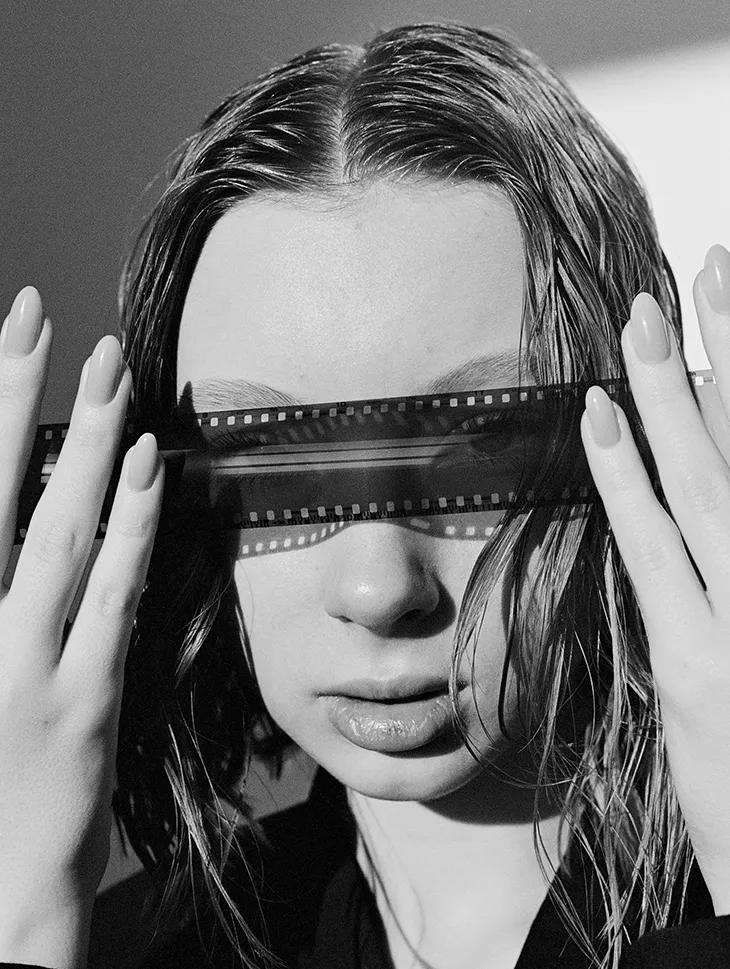
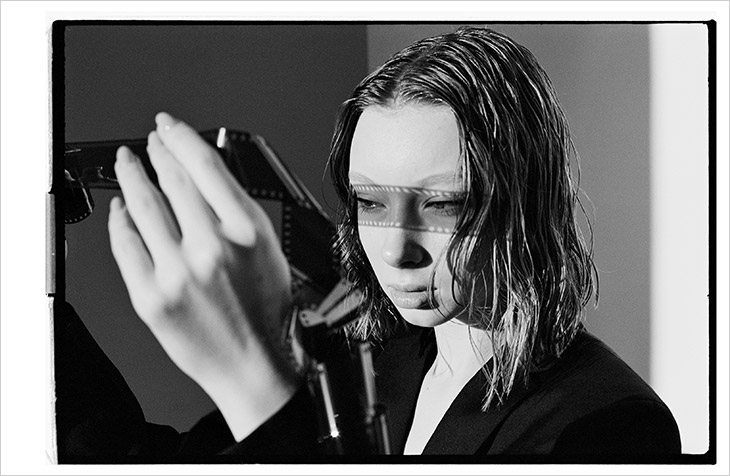
Images from Cut Off by Pavel Revenko – see full article here.