


Maje announces a new partnership with NATIVA through the launch of Le Cercle de Maje. This community-focused initiative encourages public discussions about circularity, traceability, materiality, art, and craft. Created alongside the media platform Semaine, the project showcases the brand’s Corporate Social Responsibility (CSR) goals. This initiative utilizes conversation and collaboration to address environmental responsibility within the fashion industry.
NEWS
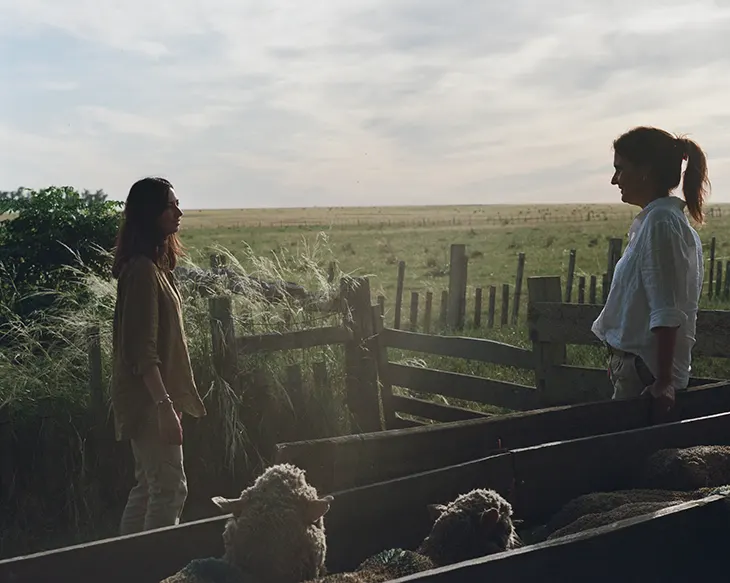
The project features a short film and a photographic series directed by Juana Wein. The production took place at La Rosada, a sheep farm established in 1880. Paula Morixe currently leads this farm, which operates as part of the NATIVA regenerative agriculture program. The film portrays the land and its custodians to show how multigenerational farming provides a model for responsible stewardship. This program works to restore soil health and views the ground as the foundation of balanced ecosystems. The project emphasizes that the future of soil directly impacts the future of livelihoods.
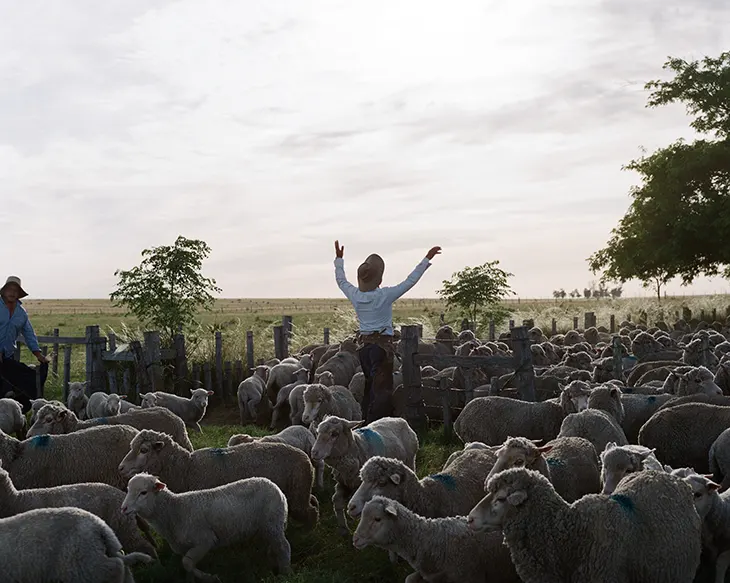
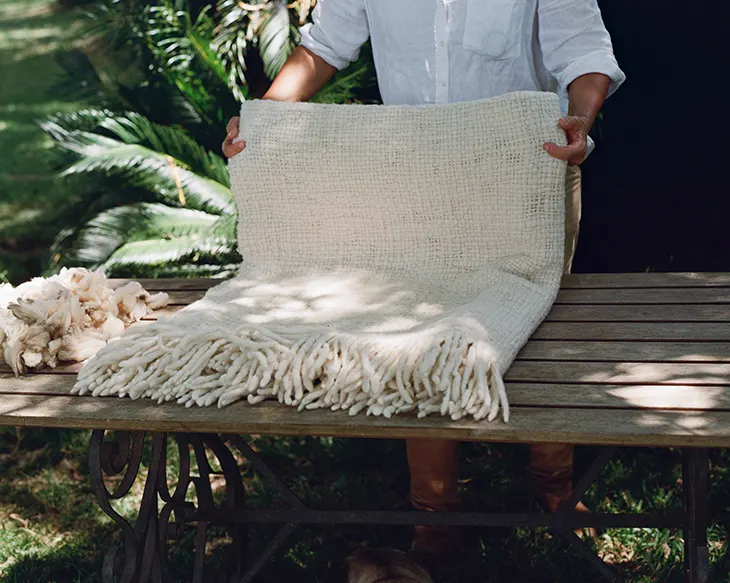
The film and photography appeared at Vie Projects in Paris. Architect Julien De Smedt collaborated with Semaine to found this multidisciplinary gallery. French artist and designer Jeanne Tresvaux du Fraval created a modern installation for the space. This setting hosted a series of round-table conversations moderated by writer Orsola de Castro. These discussions brought together voices from the fields of sustainability, second-hand markets, traceability, and repair.

Le Cercle de Maje represents the first public CSR initiative from the fashion house. The brand reports specific results regarding its environmental impact. In 2025, certified materials comprised 70% of the collections. This included 80% organic or recycled cotton and 83% certified or recycled wool. Between 2022 and 2024, the company reduced its carbon dioxide emissions by 7%. It also cut its water footprint by 41% due to the increased use of recycled cotton.

The brand currently offers full traceability for 100% of its products via QR codes. Recycled materials made up 30% of the 2025 collections. Maje supports circular fashion through specific services including repair, second-hand sales, and rentals. The company works exclusively with audited production sites and maintains long-term relationships with suppliers. Sixty percent of these partners have collaborated with the brand for over 10 years. Internally, 85% of employees report a culture of respect and equity, while the company promoted 65% of store managers from within the organization.
Orsola de Castro explains that a garment’s supply chain represents its entire life. She notes the importance of knowing the origin of the soil and the people who raised the materials. Knowing the provenance and ingredients of clothes prevents them from being dumped in landfills on other lands. She compares consumption to a photo album where every stage tells a story. De Castro suggests that knowing the origins of clothing allows owners to treat them with greater care.