


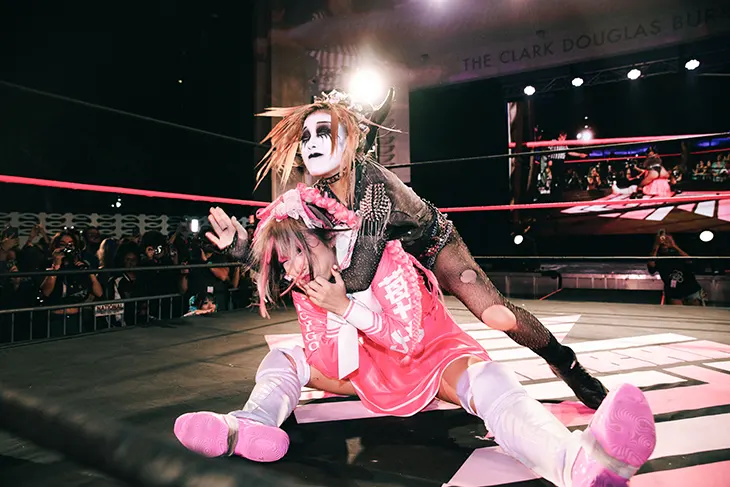
Sukeban hit Miami Art Week like a perfectly timed interruption, the kind that makes a city built on VIP bandwidth suddenly feel alert. On December 3, 2025, the Japanese women’s pro wrestling league staged its Sukeban World Championship at the Miami Beach Bandshell, running a five-match card that ended with Ichigo Sayaka taking the belt from Atomic Banshee.
ORDER IN PRINT AND DIGITAL
What mattered more than the result was the method. Sukeban treated the fight night as a cultural format, not a sports night with styling on top. It arrived already designed, already cast, already aware that in Miami, people come to watch mythmaking happen in real time.
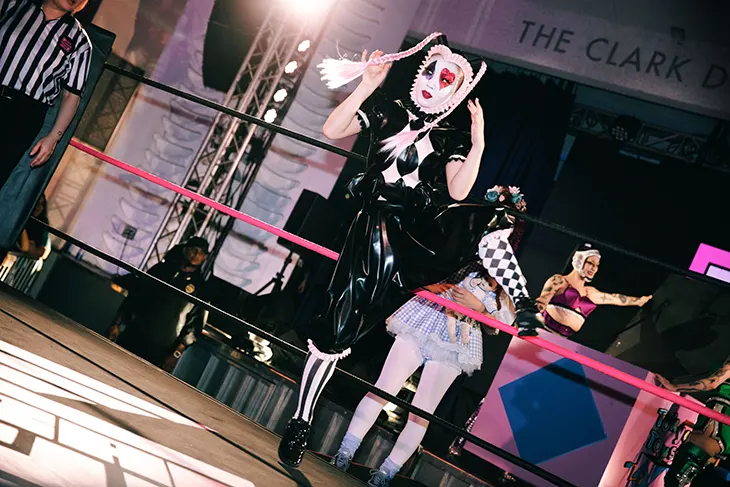
Miami loves a hybrid, as long as it reads clean from twenty feet away. Sukeban understands that distance. It builds characters that broadcast instantly, then rewards anyone who stays close enough to catch the details. Creative director Olympia Le-Tan has spoken about costume and persona as the entry point, and the league’s wider presentation keeps folding fashion language into the logic of wrestling.
In a week where everyone competes for attention with dinners, installations, and private rooms, Sukeban chose the oldest trick and made it new again. It put bodies on a stage, gave them a story, and let the crowd feel the impact.
Sukeban arrives already designed, already cast, ready for real-time mythmaking.
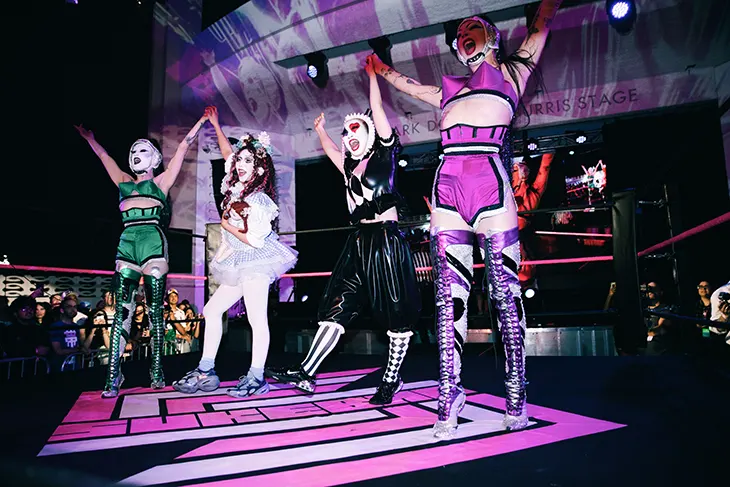
The press notes around the Bandshell night leaned into spectacle because Miami pushes everyone there. A surprise performance by JT landed midstream, with Violet Chachki and Gottmik appearing as part of the onstage energy, then re-entering the night at the end when the crowd switched from fight mode to celebration mode.
Sukeban did not treat these names as decorative cameos. It used them as proof of concept. This is not a niche league asking for entry into culture. This is a league that frames itself as culture, then invites the culture people to step inside its frame.
Sukeban as a word carries its own charge, and that charge explains why the league works right now. In Japan, the term has roots in delinquent girl gangs, a subculture associated with teenage rebellion, uniforms altered into statement, and a collective posture against the rules that made girls small.
That history matters because Sukeban does not borrow the aesthetic as a costume party. It borrows the premise. The premise says girls build power by organizing it, stylizing it, and defending it. The premise says the uniform does not have to mean obedience. It can mean refusal.
It builds characters that broadcast instantly, then rewards anyone who stays close enough to catch the details.
A lot of contemporary branding tries to sell rebellion as a personal mood, a caption, a skincare slogan. Sukeban insists on something more structural. It stages a hierarchy and then lets women fight through it. It turns persona into strategy. It treats character as labor. If you grew up online, you already understand this.
Everyone performs. Everyone edits. Everyone lives in the loop between self-myth and surveillance. Sukeban simply makes that loop physical, with rules and consequences, and it does so with a wink that never becomes a retreat.
That is where Miami becomes the perfect host and the perfect mirror. Miami Art Week runs on access, optics, and a constant sorting of who gets in. It speaks the language of community while quietly engineering layers of permission. Sukeban refuses the disguise. It shows the boundary and uses it openly, stripping power of its social politeness. The choice of venue matters. The Bandshell reads public, coastal, civic, a venue with real air and real distance between the stage and the street.
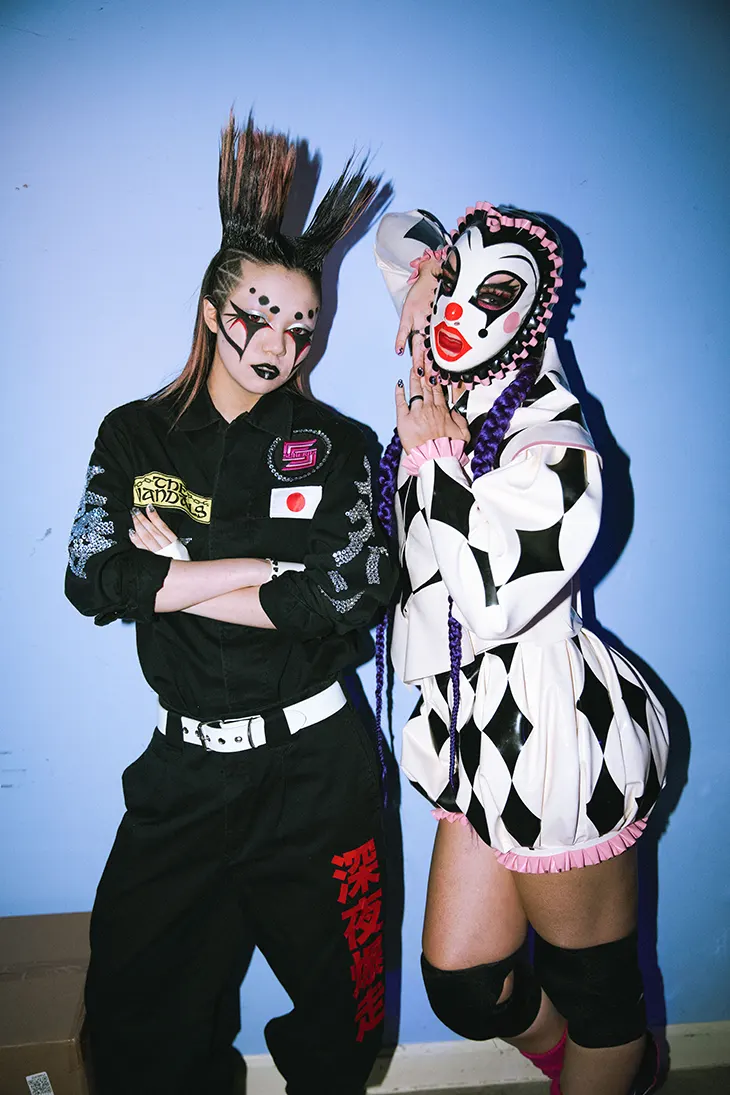
Sukeban could have hidden inside a hotel ballroom. It chose a place that keeps the night open to the city’s noise, which suits a league that thrives on confrontation.
The league’s design apparatus also clarifies why Sukeban feels sharper than most “art-meets-sport” programming. The project leans on serious collaborators, including a championship belt designed by industrial designer Marc Newson, makeup by M.A.C. Global Director Romero Jennings, nail art by Mei Kawajiri, music by DJ ecec, and accessories by designer Katie Hillier.
This is not a niche league asking for entry into culture. This is a league that frames itself as culture.
Beauty and styling figures are brought into the production as core contributors. Sukeban does not pretend these choices sit outside the fight. It treats them as part of the fight’s meaning. This matters because style, for Sukeban, functions as narrative architecture. The look tells you what the character wants, what she fears, and what she plans to do about it.
If you want to read Sukeban as subculture, read it as a study in how women remake spaces that usually demand their politeness. The original sukeban mythology emerged from girls who understood that society offered them roles with limited exits. They turned those roles into uniforms they could weaponize, then built their own systems inside the cracks.
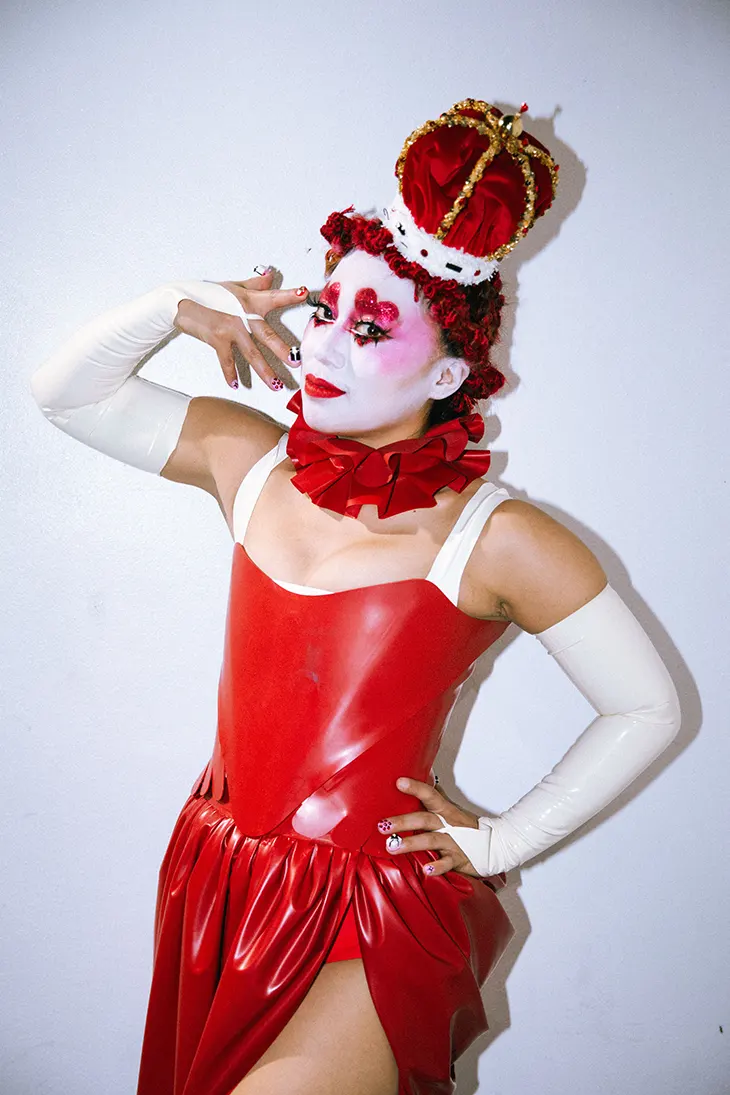
Sukeban the league translates that logic for an era where the cracks moved online, where visibility became both currency and trap. The wrestlers operate as avatars, but they sweat, bruise, and carry the cost in public. That physicality feels almost radical now, because so much contemporary identity gets flattened into screens, filters, and the safe distance of commentary.
There is also a cleaner reading, and it is the one Miami instinctively reaches for. Sukeban offers a fantasy of agency with high production value. It gives you heroines, villains, and a stage where the rules stay legible. Even the “light versus darkness” motif that framed the Miami narrative plays well in a city addicted to contrast. But the more interesting question is who gets to define what counts as darkness. When Sukeban frames a fighter as a “light-bearing hero,” it plays with a familiar pop language, then complicates it by placing that hero inside a system built for violence. The hero does not purify the scene. The hero survives it, then reshapes it.
The look tells you what the character wants, what she fears, and what she plans to do about it.
That is where the conversation around collaboration becomes useful. Sukeban thrives because it collaborates without dissolving. It invites fashion, music, drag, and design, then keeps the ring as the center of gravity.
That model feels relevant far beyond wrestling. Subculture today lives under constant extraction. Brands watch, borrow, sanitize, and resell. Scenes get packaged the moment they look camera-ready. Sukeban flips that extraction dynamic by building its own container first. It does not wait for the mainstream to anoint it. It arrives as a complete system and lets others orbit it.
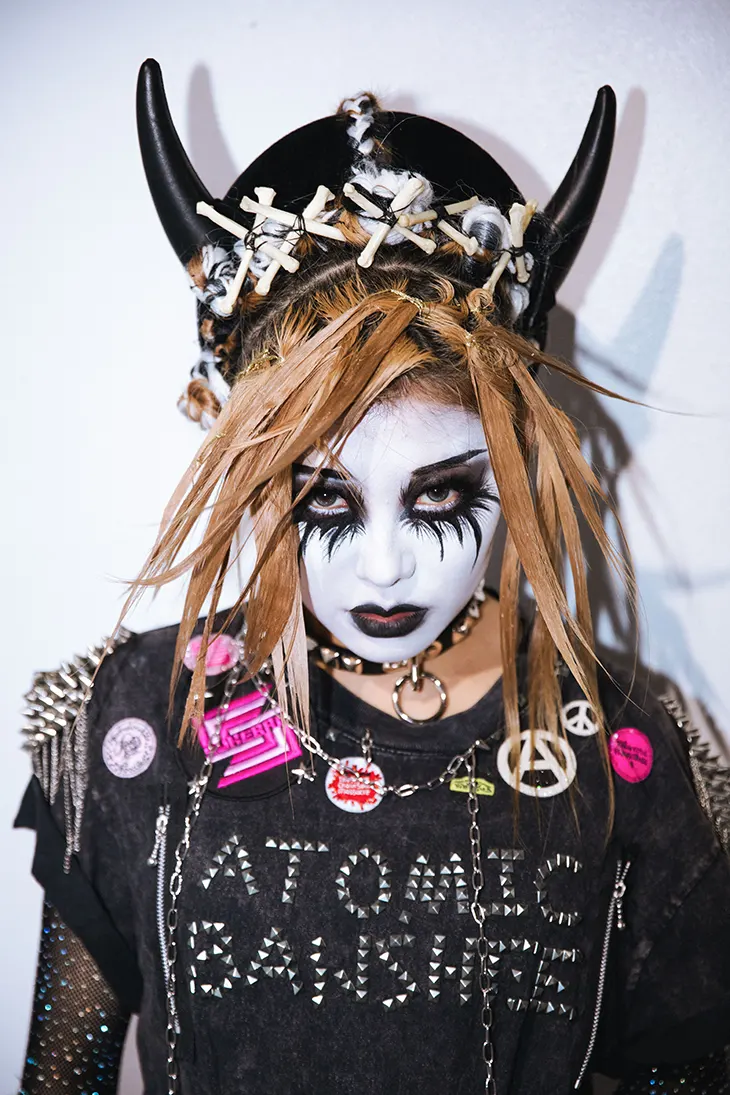
You can also read the Miami night as a reminder that subculture still needs bodies together. Art Week can feel like a sequence of rooms where everyone performs intimacy while guarding their schedule. Sukeban created a shared focal point with a simple offer. Come watch women hit each other with purpose. Come watch a story settle in the body. That offer cuts through the usual Art Week fog, because it does not require you to pretend you understood the reference. You either feel it or you do not.
The result also touches a deeper hunger in contemporary culture, especially among people tired of algorithmic sameness. Sukeban brings back the pleasure of types, archetypes, and exaggerated signals, then lets those signals evolve through conflict. It is camp, but it is also discipline. It is glamour, but it is also contact. It is performance, but it is also risk. That combination makes it clickbait-proof in the best sense. Even if you arrive because you saw a photo, you stay because the system has teeth.
Sukeban in Miami proved that subculture can still land a punch, even in a city that thinks it has seen every trick.
In the larger economy of Miami Art Week, Sukeban functions like a counter-program that still belongs to the week. It speaks the language of “activation” while quietly mocking it. It draws names, cameras, and attendance, then refuses the usual art social script where people pretend to watch while scanning the room. Here, the room watches. You cannot half-watch a fight and still claim you were there.
And maybe that is what sukeban means today, stripped of nostalgia and costume romance. It means refusing the soft version of empowerment that asks women to behave beautifully while they advocate for themselves. It means girls and women building their own codes, then enforcing them. It means taking a setting designed for consumption and turning it into a place where something actually happens. Sukeban in Miami proved that subculture can still land a punch, even in a city that thinks it has seen every trick.
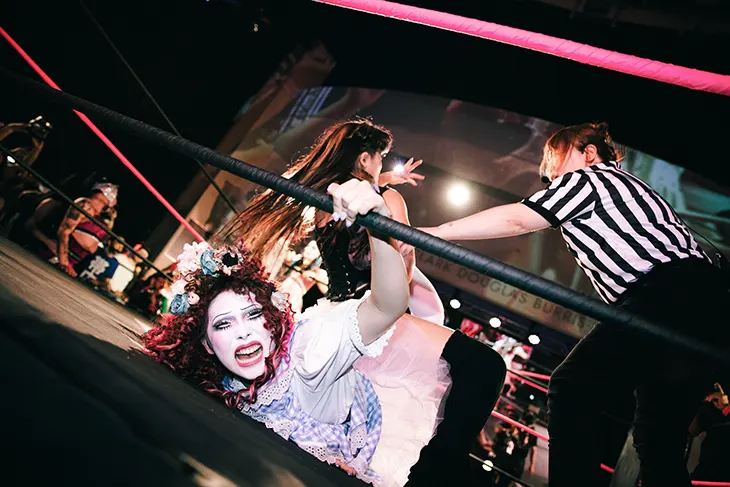
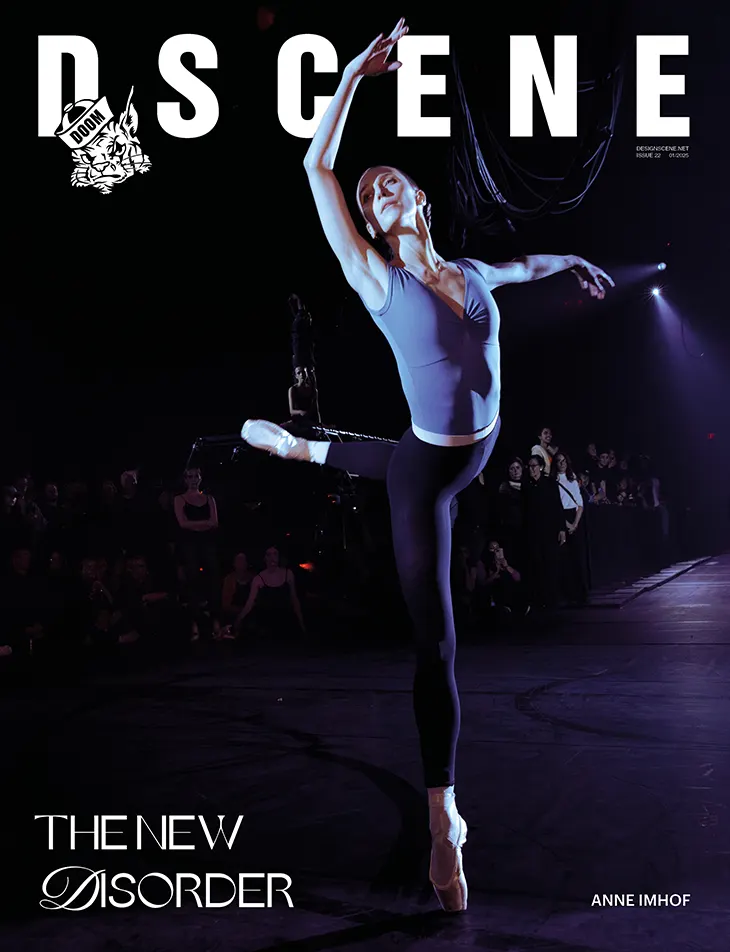
Originally published in DSCENE “The New Disorder” Issue
Word by Katarina Doric
Photography Federica Liva