There is a certain romance attached to building a creative career. It is easy to picture the late nights in the studio, sketches scattered across a desk, mood boards, test shoots, and the first client who finally understands your point of view. For young designers, stylists, photographers, architects, art directors, and fashion creatives, the goal is rarely just to get a job. It is to build a life around taste, ideas, craft, and visual instinct.
But the part people talk about less is how expensive that life can be before it becomes profitable.
A young designer may need fabrics, samples, software, studio space, travel, a website, portfolio images, and time to take on internships or low-paid assistant work. A photographer may need equipment, editing programs, lighting, insurance, and money to produce test shoots. A fashion graduate may move to a major city with a strong portfolio and plenty of ambition, only to realize that rent, transport, student debt, and irregular income are all competing for attention.
None of this means a creative career is not worth pursuing. For many people, it is the only path that feels right. But talent alone is rarely enough to keep a career going. The creatives who last are often not just the most gifted, but the ones who learn how to make their work sustainable.

Education Is Often the First Big Investment
For many creatives, the first major cost comes before their career officially begins. Fashion school, art school, design programs, photography courses, architecture degrees, and specialist workshops can all offer real value. They help students sharpen their skills, build a portfolio, find mentors, understand the industry, and develop a clearer creative identity.
Still, tuition is only part of the picture. Creative education often comes with a long list of extra costs: materials, printing, equipment, software, books, studio supplies, travel, and presentation tools. A final-year fashion collection can cost far more than expected. Architecture students may spend heavily on models, rendering programs, and printing. Photographers may need cameras, lenses, lighting, editing tools, and production money long before they are earning steady income.
After graduation, those expenses do not simply stop. Many young creatives enter industries where the first few years are unpredictable. Internships, assistant roles, freelance projects, and junior positions can be useful stepping stones, but they do not always leave much room for savings. At the same time, student loan payments may become part of everyday life. Before relocating, going freelance, or taking on major career expenses, it makes sense to understand repayment options and read up on how to refinance student loans so education-related debt can be handled with a clearer long-term plan.
That does not mean refinancing is the right move for everyone. The point is that debt should not be ignored simply because the industry places so much emphasis on passion. A creative career takes energy, focus, and flexibility. Financial stress can quietly wear down all three. Knowing what you owe, what your interest rate is, and how payments fit into your monthly budget can make career decisions feel less reactive and more intentional.

The First Few Years Can Be Uneven
The early stage of a creative career rarely follows a straight path. One month might bring a paid campaign, while the next is filled with unpaid portfolio work, networking, and waiting for invoices to clear. A young stylist might be paid for commercial jobs but expected to collaborate for free on editorials. A photographer may spend their own money producing shoots to attract future clients. An interior designer might begin with small projects before being trusted with larger spaces.
This unevenness is not always a sign that something is going wrong. In creative industries, reputation takes time. So do relationships, trust, and a recognizable body of work. The problem is that building all of this takes time, and time costs money. Rent, groceries, transportation, insurance, taxes, and basic living expenses do not pause while someone is waiting for the next opportunity.
That is why it is important to think beyond the excitement of a project. Will it cover the hours involved? Will it lead to strong portfolio images, useful contacts, or future paid work? Moving to a fashion capital may feel like the right step, but is there enough money set aside to handle a few slow months?
Taking risks is part of building a creative life. The key is knowing the difference between a smart risk and an expensive one.
Your Portfolio Has a Cost Too
In creative fields, the portfolio often speaks first. It shows taste, skill, discipline, range, and point of view. But a strong portfolio can be expensive to build.
A fashion designer may need to pay for fabric, fittings, photography, models, hair, makeup, styling, and post-production. A photographer may need locations, lighting rentals, retouching, assistants, and props. A graphic designer may need mockups, a polished website, and case studies.
Because portfolio work sits somewhere between personal investment and professional necessity, it is easy to overspend. Many young creatives feel pressure to make every project look perfect, even if the budget does not allow for it. But a portfolio does not need to be expensive to be effective. It needs to be focused, memorable, and aligned with the kind of work you want more of.
Before spending money on a new project, ask what it is supposed to do. Does it show a missing skill? Does it speak to the clients, studios, publications, or agencies you want to reach? Can the idea be executed with a smaller team or smarter production choices?
Freelance Freedom Comes With Admin Work
Freelancing is often presented as the dream: more freedom, more control, and the ability to shape your own career. In many ways, that can be true. But freelance life also means running a small business, even if no one teaches you how to do it.
Many young freelancers are ready for the creative side but less prepared for everything around it. They may know how to design, shoot, style, illustrate, or consult, but not how to price their work, write invoices, save for taxes, or set boundaries with clients.
A simple system can make a big difference. Track projects, expenses, payment deadlines, and client communication. Set aside tax money as soon as payments arrive. Use written agreements, even for smaller jobs. Be clear about revision rounds, timelines, deliverables, and payment schedules before work begins.
Creative work is still work. Treating it professionally does not make it less creative. It gives the work a better chance of continuing.
A Sustainable Career Is Still a Creative Career
The idea of the struggling artist has been romanticized for too long. It suggests that financial difficulty is proof of commitment, as if stability somehow makes creative work less authentic. In reality, money stress often makes it harder to experiment, focus, collaborate, and think long term.
A sustainable career does not mean choosing safety over ambition. It means giving ambition a foundation. Young designers and creatives do not need to have everything figured out from the beginning, but they do need to look honestly at the practical side of the path they have chosen.
Creativity may be what starts the journey, but sustainability is what allows it to continue.
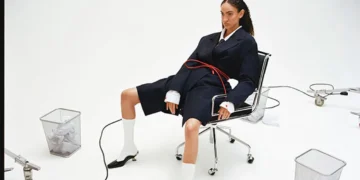
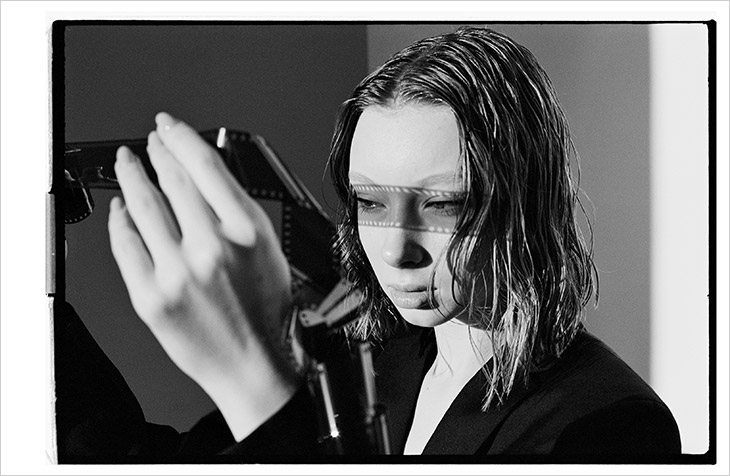
Images from Cut Off by Pavel Revenko – see full article here.