


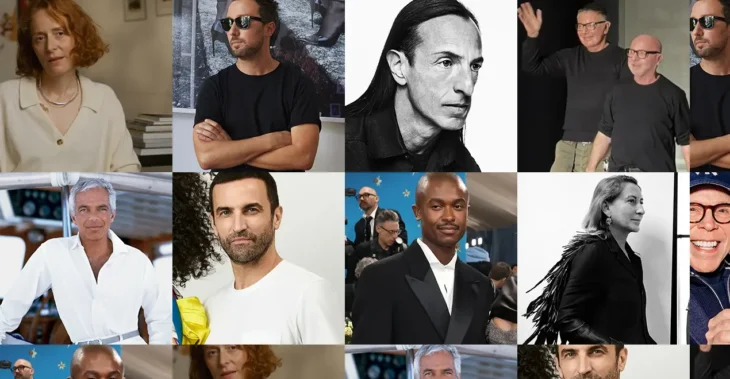
The 2025 and 2026 fashion calendars will be remembered for its dizzying rotation of creative talent. More than 20 European houses brought in new designers within a single year, driven by sluggish luxury markets, repositioning anxieties, and a collective urgency that saw names like Matthieu Blazy (Chanel), Jonathan Anderson (Dior), and Demna (Gucci) leap between houses while others like Olivier Rousteing, 14 years at Balmain, and Véronique Nichanian, 37 years leading Hermès menswear, stepped down from generational tenures. The list of departures and arrivals reads like a structural overhaul of the entire industry.
Yet some houses didn’t blink. While the industry reshuffled its creative deck with unprecedented velocity, a handful of labels held firm, betting on continuity over reinvention. Their logic, it turns out, is more strategic than sentimental.
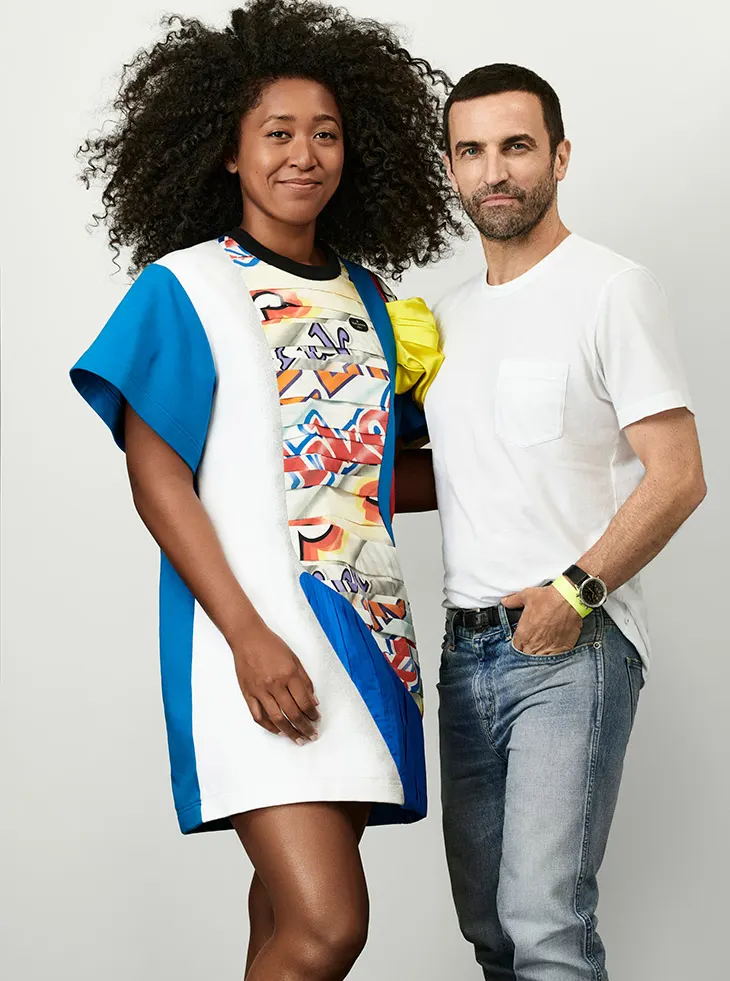
Louis Vuitton and Nicolas Ghesquière
When Nicolas Ghesquière moved from Balenciaga to Louis Vuitton in 2013, it marked one of the most closely watched creative transitions in modern luxury. More than a decade later, he hasn’t moved. In November 2023, LVMH renewed Ghesquière’s contract for five additional years, anchoring him through 2028. With his long-term extension he continues to present collections, the latest including the Fall Winter 2026 collection in Paris and the Cruise 2027 show in New York. For a house of Louis Vuitton‘s commercial scale, that kind of tenure is almost anomalous. His architectural sensibility, ease with technology references and sportswear influence, and ability to build spectacular runway environments while remaining connected to the monogram’s codes have kept the brand among the most discussed each season. LVMH has not had a compelling reason to change course. That commercial alignment, more than any aesthetic loyalty, is the anchor.
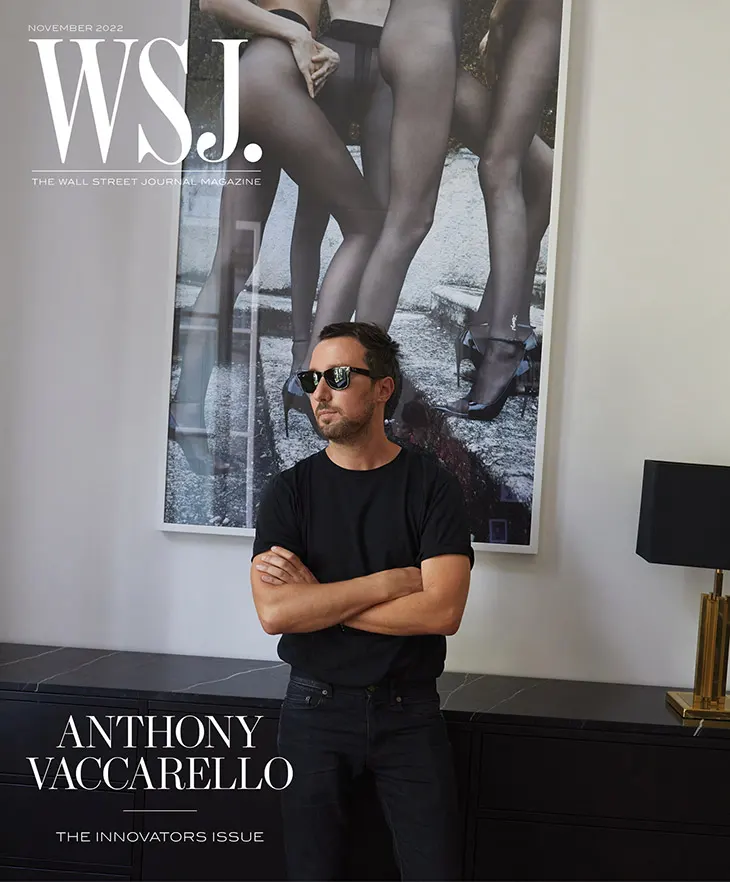
Saint Laurent and Anthony Vaccarello
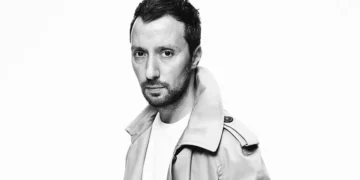
Since taking the creative helm in 2016 after a quick stint at Versus Versace and quitting his eponymous label, Anthony Vaccarello has built arguably the most coherent modern identity Saint Laurent has held in its contemporary history. He understood the assignment differently from his predecessors: not to deconstruct, not to shock, but to distill. The Yves Saint Laurent archive filtered through a nocturnal, sharply modern lens. After nearly a decade, that vision is commercially mature and critically consistent. In a year when Parisian houses from Celine to Givenchy pivoted for the second or third time within a generation, Saint Laurent‘s steadiness looked less like inertia and more like confidence.
Max Mara, Ian Griffiths, and Laura Lusuardi
The story of Ian Griffiths at Max Mara is one of the industry’s most understated case studies in creative longevity. He joined the Italian house in 1987 after winning a student design competition, and has served as creative director since 2016, a formal title that does little to capture four decades of institutional knowledge. His philosophy is rooted in what he describes as designing for desire and wearability in equal measure, thinking like an architect to build garments that do not depend on novelty to justify themselves. “My creativity is driven by the challenge to produce clothes which are desired by women and also wearable,” he has said. Max Mara‘s identity, one of the most consistent in ready-to-wear, owes much to that commitment. The 101801 coat remains one of the most recognizable pieces in modern fashion not because it is reinvented every season, but because it is never fundamentally questioned.
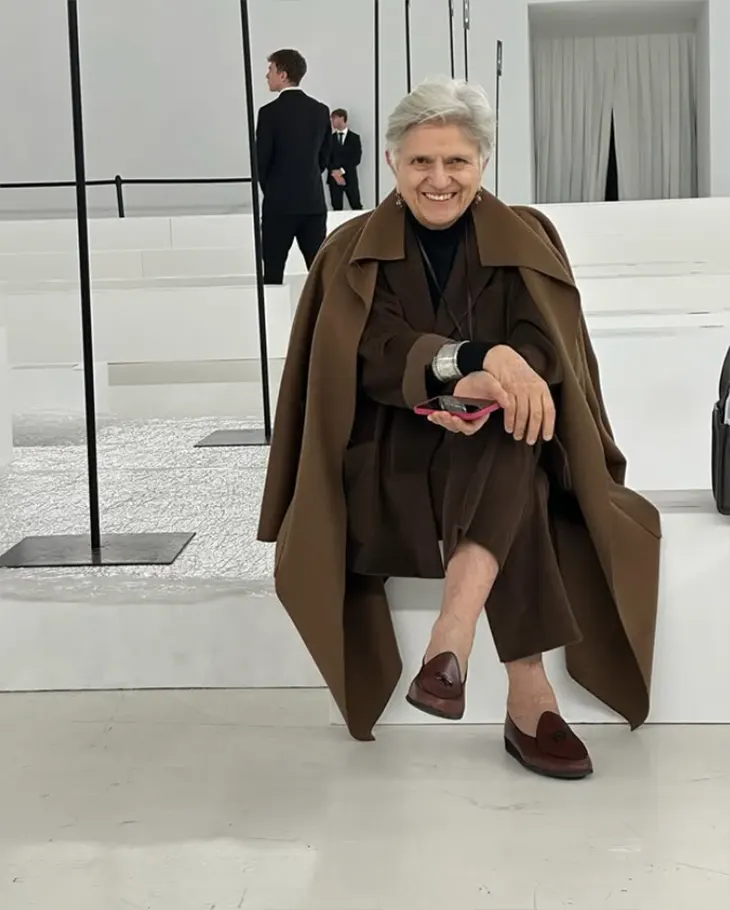
But Griffiths does not work alone. Since 1960, Laura Lusuardi has been the architectural spine of Max Mara‘s creative vision. Now Fashion Coordinator and overseer of all 19 labels within the group, Lusuardi joined at the age of 18, brought in by founder Achille Maramotti (whose family connection to retail gave her immediate credibility). She spent decades traveling the world with Maramotti, learning his philosophy of dressing “the doctor’s wife” rather than the richest women in the world, and building the brand’s identity across categories. Lusuardi invented the Weekend line, designed the first Sportmax collection, and collaborated with everyone from Karl Lagerfeld to Narciso Rodriguez. Today, she oversees the design teams, sits in the company’s fashion library (which holds 4,000 books, 350 international magazines, and 3,000 periodicals), and photographs women wearing Max Mara coats on the streets of New York, building a private dossier of how real women use the pieces. “I started three years ago and I’ve already collected a pretty big dossier,” she said. When Griffiths and Lusuardi work together, it is a meeting of two people who have given the better part of their lives to understanding a single aesthetic problem: how to make a coat.
Prada and the Co-Creative Model
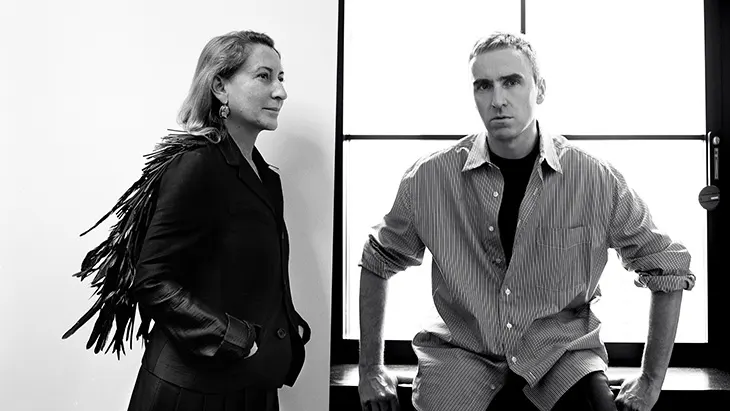
Prada‘s arrangement with Raf Simons, formalized in 2020, presents a different kind of continuity. This is not about a single longstanding director but about a creative dialogue that the house decided was more valuable than any individual appointment. Miuccia Prada, who has shaped the brand’s intellectual and subversive identity for decades, found in Raf Simons a conversation partner rather than a replacement. The result has been some of the most discussed collections of recent years, and the model itself, two genuine creative forces working through a shared house vocabulary, has become one of fashion’s most compelling ongoing experiments. In the context of 2025’s upheaval, Prada‘s refusal to participate in the reset cycle speaks to a confidence in its own continuity.
Hermès Women’s and Nadège Vanhee-Cybulski
While Hermès made headlines for the men’s transition, with Véronique Nichanian‘s 37-year tenure ending and Grace Wales Bonner stepping in, its women’s ready-to-wear direction has been held quietly and steadily by Nadège Vanhee-Cybulski since 2014. Her approach, rooted in the craft vocabulary of the house, in material quality and an absence of excess, mirrors Hermès‘s deeper institutional patience. The brand does not operate on the same commercial anxiety cycle as most luxury groups. It builds. That culture, applied across the house, makes it structurally resistant to the reactive reshuffling that consumed the rest of the industry.
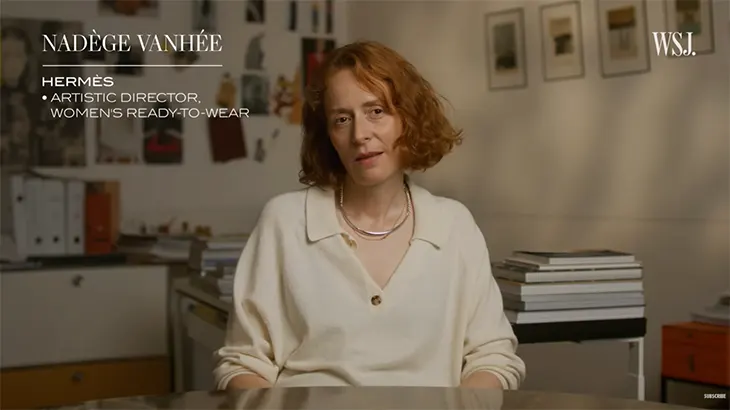
When it comes to the star personality of a creative director, Hermès takes a markedly different approach. Unburdened by the pressure to maintain celebrity status, they focus on the day-to-day work of creative direction. While most creative directors give one or two interviews annually, searching Hermès’ official website yields no results for Nadège Vanhee-Cybulski. In fact, her only recent interview was a six-minute conversation with Wall Street Journal , Vogue Q&A in 2024, and Suzy Menkes in 2021, the longest sit-down she has granted.
Zegna and Alessandro Sartori
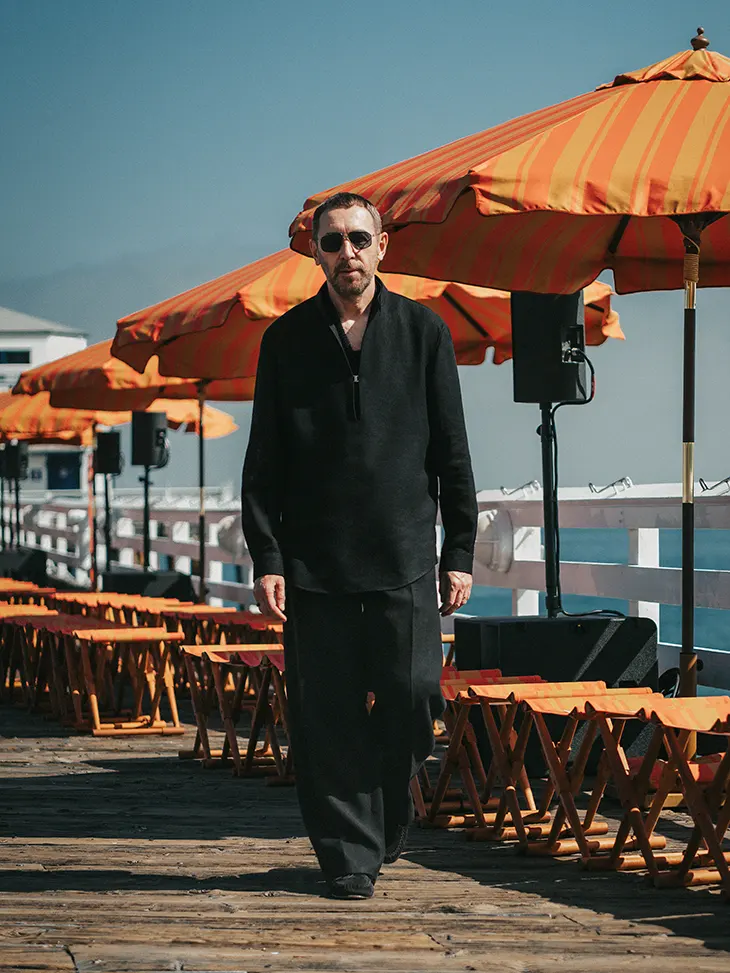
Alessandro Sartori has been artistic director of Zegna since 2016, a decade-long tenure that represents one of the quiet success stories in modern menswear. His connection to the house runs deeper still: he first joined to lead the Z Zegna line in 2003, spent years building his credibility within the group, and returned at the top. The result is a designer who understands the brand’s textile heritage from the inside. Under Sartori, Zegna has repositioned itself around Oasi Cashmere and a philosophy of understated luxury, navigating the shift away from streetwear and logo-driven dressing with a clarity that many larger houses struggled to find. His Fall 2026 collection was read as a quiet but powerful statement of maturity, weaving the brand’s past into a precise present.
Ferragamo and Maximilian Davis
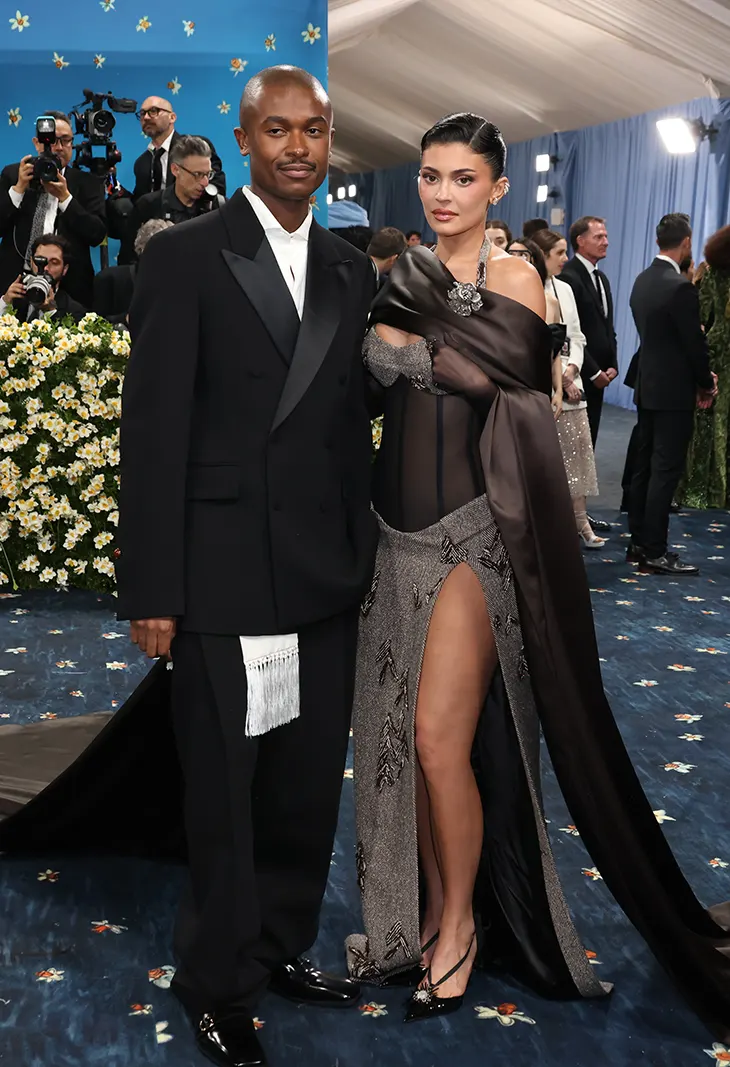
When Maximilian Davis was appointed creative director of Ferragamo in March 2022 at age 27, it was one of the most closely watched bets in luxury. A British-Trinidadian designer with no prior artistic directorship, brought in by CEO Marco Gobbetti to overhaul a house whose commercial performance had stalled. Four years later, as houses around him cycled through new names, Ferragamo held. Davis built his vision steadily, returning the brand to its Hollywood-era origins through second-skin silhouettes, precise leather work, and a sensuality that felt genuinely contemporary. The Fall Winter 2026 collection drew strong critical attention. In an industry prone to cutting directors loose the moment revenue targets slip, Ferragamo‘s commitment to Davis reads as a vote for creative vision over short-term correction.
Dolce & Gabbana, Founders Domenico Dolce, and Stefano Gabbana
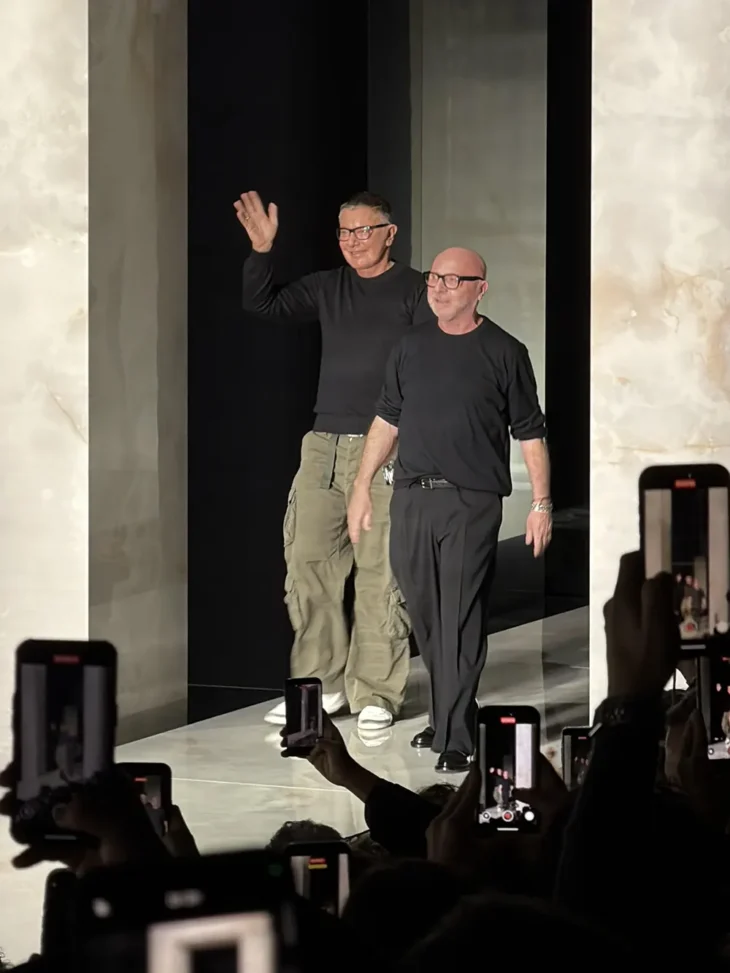
Domenico Dolce and Stefano Gabbana have remained the co-creative directors of their eponymous house through the entire upheaval. While Stefano Gabbana formally stepped down from his executive roles and chairmanship in April of 2026, his creative partnership with Dolce remained intact. The two founders continue to produce some of their most theatrically ambitious work, their runway shows functioning as cultural events as much as fashion presentations. The separation of executive duty from creative control was, in their case, a clarification rather than a concession. Both designers remain fully invested in the creative vision that has defined the brand since its founding.
Brunello Cucinelli and Humanistic Capitalism
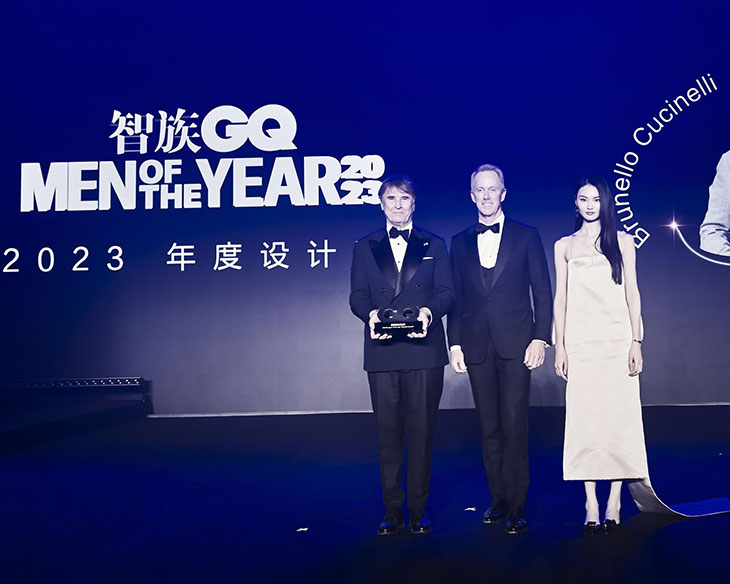
Brunello Cucinelli remains Executive Chairman and Creative Director of his eponymous Casa di Moda, grounded in his founding vision of “humanistic capitalism.” He leads the brand alongside co-CEOs Riccardo Stefanelli and Luca Lisandroni, maintaining direct creative oversight. His label, built on principles of craft, material integrity, and labor fairness, operates outside the velocity logic that consumes most of the industry. Cucinelli designs slowly, deliberately, and from Umbrian headquarters that function as both manufactory and philosophy.
The Founder Factor: American Luxury
Several of the industry’s most consistent houses are those where the founding designer remains active and controls the creative vision. In North America, this model remains singularly strong, tied to the American tradition of the designer brand.
Ralph Lauren’s Sustained Ascent
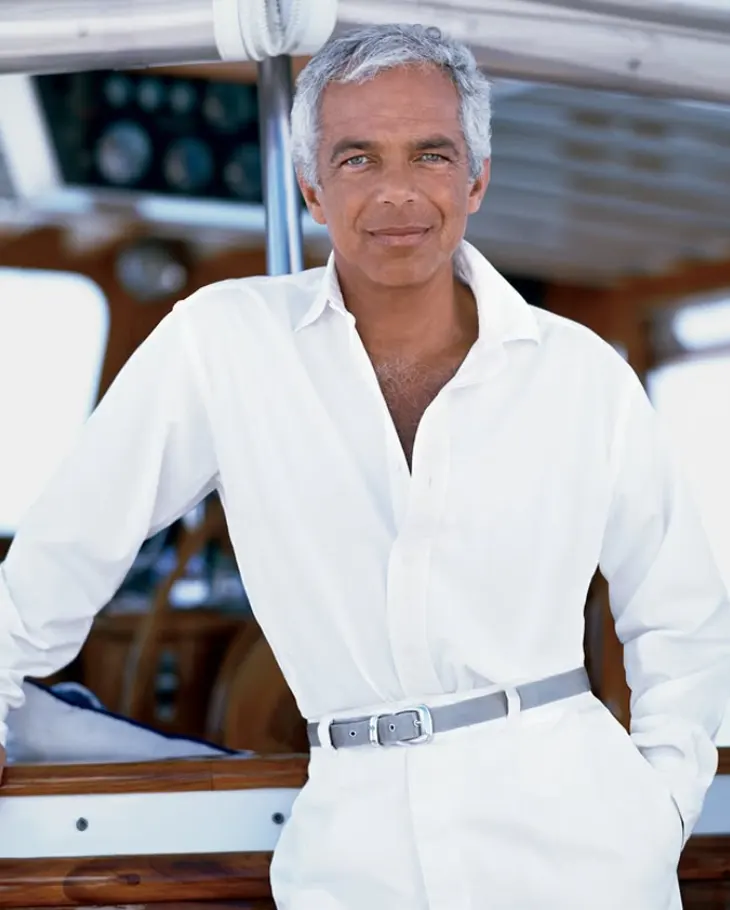
Ralph Lauren continues as Executive Chairman and Chief Creative Officer of his empire, stepping back from the CEO role but never from creative vision. His sustained control of creative direction has corresponded with remarkable commercial momentum. In fiscal 2025, Ralph Lauren revenues reached $7.1 billion, a 7 percent increase year-over-year, with momentum accelerating into 2026 as the brand surpassed the $8 billion threshold. The fourth quarter of fiscal 2026 posted 17 percent revenue growth, driven by double-digit sales across Europe and Asia. This expansion reflects successful brand elevation strategies that increased average unit retail, signaling that the market rewards coherence of vision. Ralph Lauren‘s steadiness at the helm has meant that the brand can raise prices, expand geographically, and maintain customer loyalty, all while avoiding the reactive reshuffling that consumed competitors.
Tommy Hilfiger’s Principal Vision
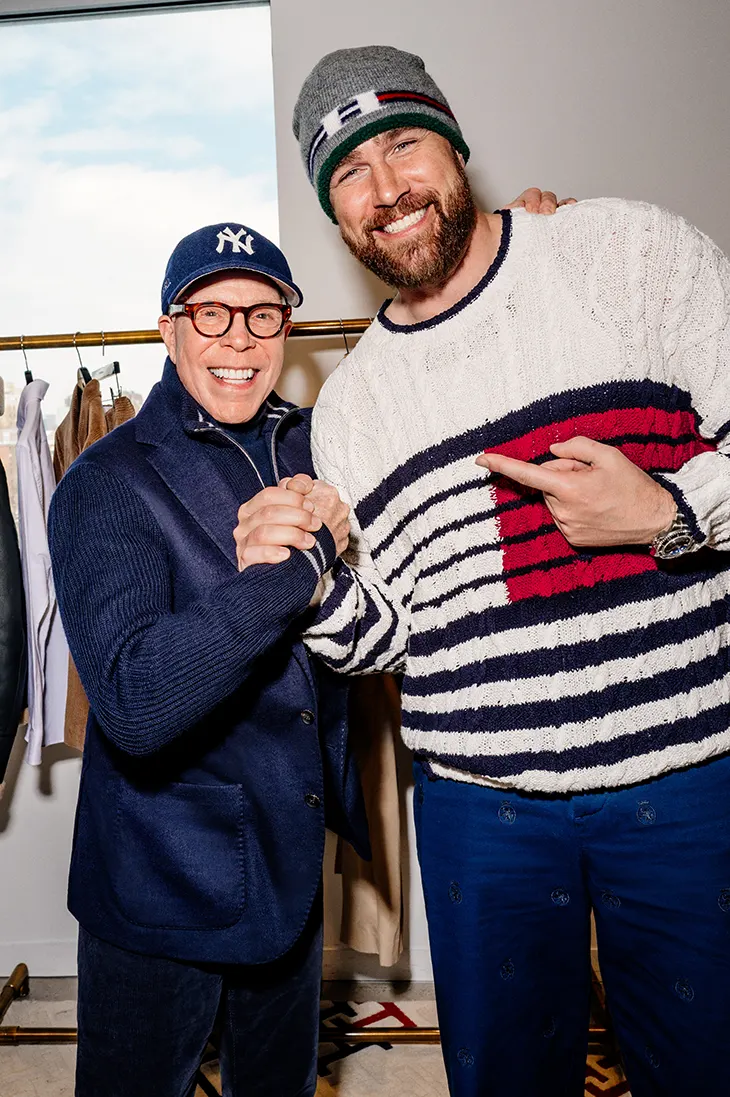
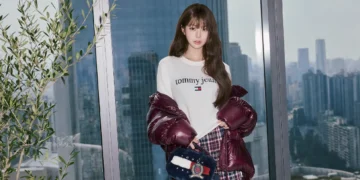
Tommy Hilfiger, the principal visionary behind his brand, remains actively involved in global creative direction. The brand oversees a global design team and strategic collaborations while maintaining Hilfiger‘s foundational aesthetic as the organizing principle. Unlike houses that brought in new creative directors to chase trends, Tommy Hilfiger has held the center, allowing the founder’s vision to evolve with collaborations rather than replacement. Founded in 1985, the brand built its identity around accessible American sportswear and the iconic red, white, and blue color palette that has remained the brand’s north star for nearly four decades. Hilfiger himself, now in his seventies, continues to steer creative strategy and serve as the face of the house, appearing in campaigns and maintaining relationships with major retail partners. His sustained presence means the brand avoids the identity confusion that plagued competitors who cycled through multiple creative directors searching for relevance. Tommy Hilfiger knows exactly who its customer is and refuses to apologize for that clarity, a stance that has proven commercially resilient even as fashion trends shift around it.
Rick Owens and Independent Creative Direction
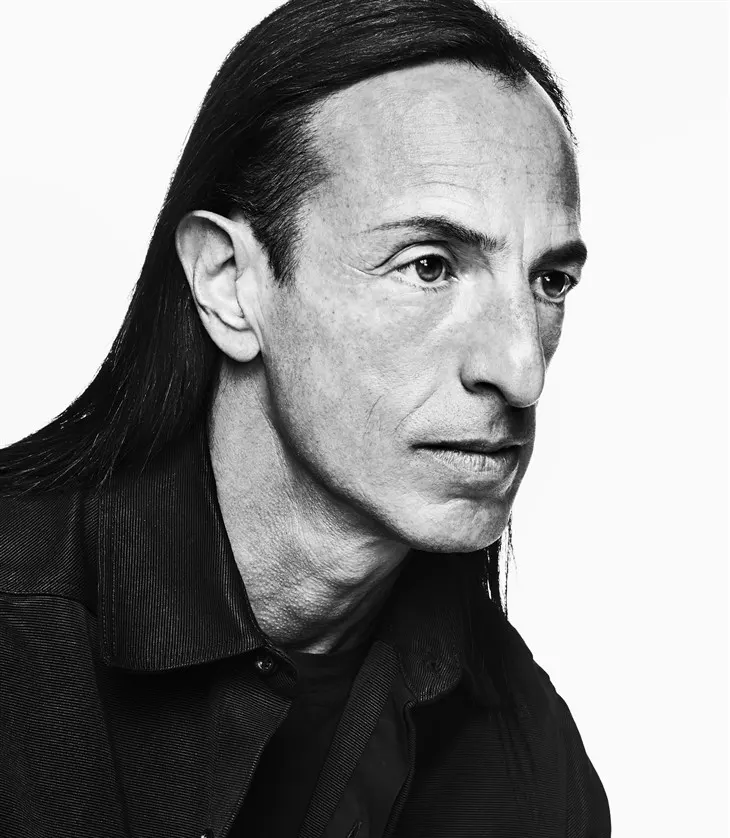
Rick Owens continues to operate his label entirely independently, unfunded by major luxury conglomerates, from Paris. The brand remains fully privately owned by Owens and his partner Michèle Lamy, producing runway shows on its own terms and schedule. In an industry increasingly consolidated into large groups, Rick Owens represents a different kind of continuity: autonomy. That independence allows him to move without the board-level pressures that triggered so many of 2025’s creative upheavals. However, collaborations with sneaker brands such as Converse have throughout the years established the brand within various communities. This also includes cross brand collaborations such as the ongoing partnership drops with Moncler.
Michael Kors and Accessible Luxury
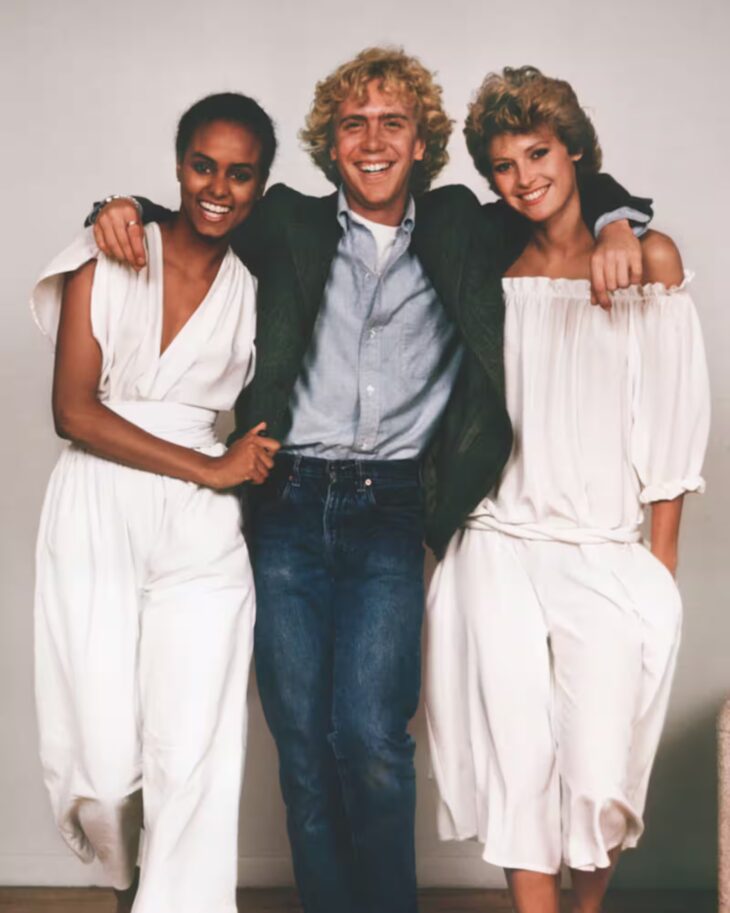
Michael Kors continues as Chief Creative Officer of his company, guiding the label through milestone presentations and collections. His 45th Anniversary shows anchored the brand’s continued evolution in accessible luxury. Like Ralph Lauren and Tommy Hilfiger, Kors‘s sustained creative control has meant the brand can maintain identity while expanding reach, avoiding the identity crises that plagued houses forced to cycle through multiple creative directors.
These American founders are structurally immune to the board-level calculations that triggered so many of 2025’s changes in Europe, because the designer and the brand remain, for all practical purposes, the same entity. The founder’s longevity is the business model.
The Case for Continuity
What these houses share is not stubbornness. What they share is alignment: between creative vision and commercial result, between the personality of the designer and the identity of the house. The 2025 upheaval was, in many ways, a diagnosis of misalignment, of brands chasing relevance without identity, of designers brought in for momentum rather than genuine fit. The houses that held firm are those that have learned what they are and found the person, or people, most capable of articulating it. In an industry increasingly prone to treating creative directors as interchangeable variables, that clarity reads as its own kind of disruption.


the founders are kinda hard to get rid off ahaha
Ask dolce gabbana team… those two running that house to the ground