




Fragrance layering is reshaping modern grooming by giving people more freedom to personalise their scent. Rather than relying on one signature fragrance, layering encourages a more versatile approach that can adapt to different occasions, seasons, and moods while reflecting individual style.
The shift from a signature scent to a fragrance wardrobe
The idea of wearing one signature fragrance for every occasion is gradually giving way to a more flexible approach. Just as many people build wardrobes with clothing for different settings and seasons, fragrance enthusiasts are increasingly curating collections that allow them to tailor their scent throughout the day.
Instead of reaching for the same bottle every morning, layering offers the opportunity to create combinations that suit a business meeting, a relaxed weekend or an evening out. This approach makes fragrance feel like an extension of personal style rather than a fixed part of a grooming routine. It also encourages experimentation, helping you discover combinations that reflect your personality without abandoning your favourite scents.
One way to achieve this is by using an affordable evening perfume as a warm, sophisticated base and pairing it with fresher green or woody fragrances during the day. In the evening, adding amber, vanilla or smoky notes can create a richer composition with greater depth. By adjusting just one or two elements, the same fragrance can feel entirely different depending on the occasion.
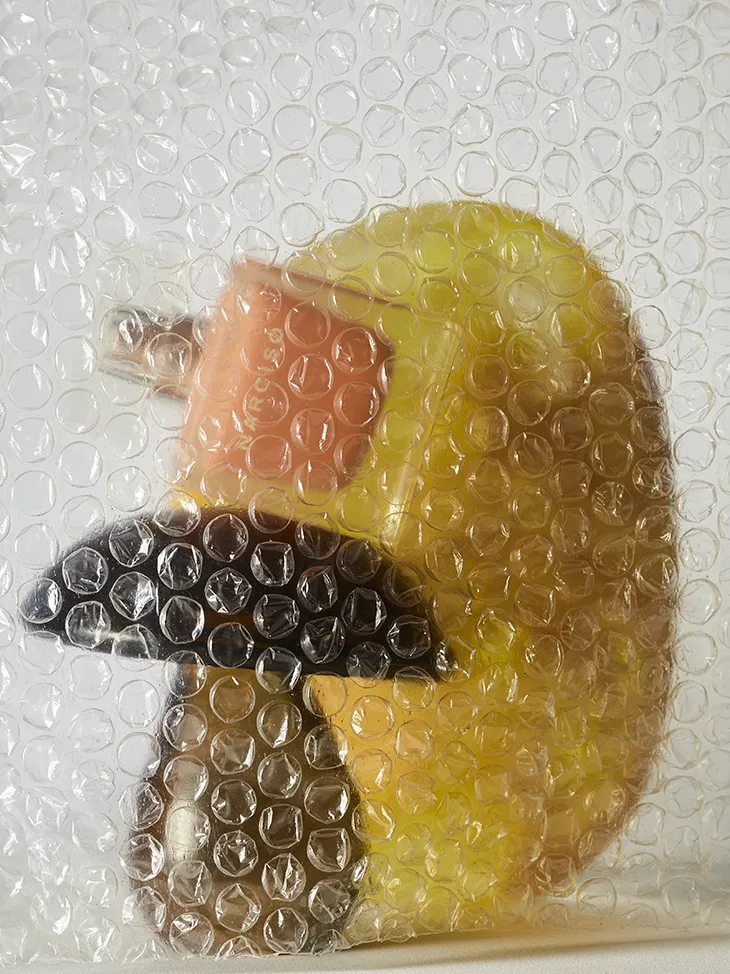
Understanding fragrance layering
Fragrance layering is the practice of combining two or more scents to produce a balanced, personalised result. While it may sound complex, the process is less about mixing perfumes at random and more about understanding how different fragrance notes complement one another.
Every fragrance develops in stages. Top notes create the initial impression before fading into the heart of the scent, while base notes provide depth and longevity. Layering works best when these stages support rather than compete with each other.
For example, bright citrus notes such as bergamot, grapefruit or lemon can lift warm woods like sandalwood and cedar. Soft musks create a clean foundation that pairs naturally with aquatic or floral fragrances, while spices and amber add warmth without overwhelming lighter compositions. The goal is not to create a completely new fragrance but to enhance familiar scents with subtle complexity.
Building an effective layering routine
Preparation plays an important role in fragrance performance. Applying fragrance to clean, moisturised skin helps it last longer and allows the different notes to develop more evenly. An unscented body lotion is often the simplest choice because it hydrates the skin without introducing competing aromas.
Layering can also extend beyond perfume itself. Matching products such as body lotions, fragrance oils and hair mists can create a more rounded scent profile while improving longevity. A citrus-infused moisturiser beneath a woody fragrance, for instance, adds freshness at the beginning of the day before warmer notes gradually emerge.
Rather than applying multiple strong fragrances at once, start with a lighter base and build gradually. This approach makes it easier to adjust the balance and prevents individual notes from becoming overpowering.
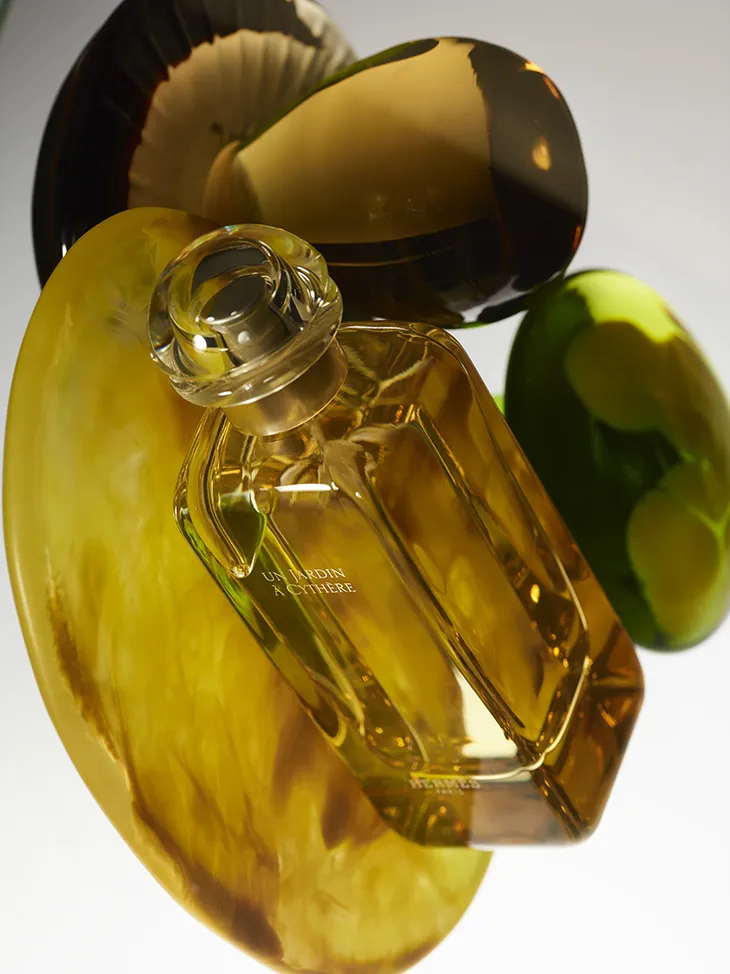
Techniques for creating balanced combinations
Several straightforward techniques make layering approachable, even for beginners. The “base and accent” method involves applying a softer fragrance to pulse points such as the wrists and neck before adding a richer scent more sparingly to the chest or clothing. This allows the primary fragrance to remain noticeable while introducing additional depth as the day progresses.
Another popular approach is to combine contrasting fragrance families. Crisp citrus notes paired with earthy vetiver create a fresh yet grounded composition, while creamy vanilla softens clean musks for a smooth, understated finish. Woody fragrances also blend well with aromatic herbs, producing combinations that feel refined without becoming overly heavy.
If you prefer a more cohesive effect, fragrances from the same family can be layered together. Green scents, woody compositions or classic fougères often share complementary ingredients, making them easier to combine while maintaining a polished overall character.
Common mistakes to avoid
Successful layering depends as much on restraint as creativity. Applying too much fragrance can cause individual notes to compete, making the overall blend feel muddled rather than sophisticated.
A good starting point is one or two sprays of each fragrance, allowing them time to settle before deciding whether more is needed. Testing combinations on your forearm can also help you understand how they interact before wearing them for the day.
Patience is equally important. Fragrances continue to evolve for several hours after application, with base notes such as musk, amber, cedar and patchouli becoming more prominent as lighter top notes fade. Waiting through the dry-down reveals whether a combination remains balanced or requires adjustment.
Keeping a simple record of successful pairings can also make future layering easier, particularly when experimenting with new additions to your fragrance collection.
A personalised approach to modern grooming
Fragrance layering reflects a broader movement towards thoughtful, personalised grooming. Rather than following trends or committing to a single signature scent, it encourages people to create combinations that suit their own preferences, lifestyle and daily routine.
The versatility of layering means a fragrance wardrobe can evolve alongside changing seasons, occasions and personal tastes. A bright citrus blend may feel ideal for warmer months, while richer woods and amber provide comfort during colder weather. Small adjustments can create noticeably different results without requiring an entirely new fragrance collection.
Ultimately, fragrance layering treats scent as another element of personal presentation, much like tailoring an outfit or choosing accessories. By understanding how different notes work together and approaching combinations with a measured hand, you can create a distinctive fragrance profile that feels refined, adaptable and uniquely your own.
Images from 15 Scents for September by Harvey Jackson & Damien Vaughan Shippee – see full story here.