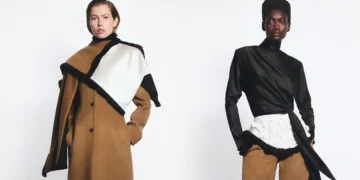



Rachel Scott has mastered the art of dualism. As the founder of Diotima and the newly appointed creative director of Proenza Schouler (appointed in August 2025, making her the first Black woman to hold the position), Scott navigates two entirely different design languages with the precision of someone who understands that contradiction is not weakness but depth. For Diotima’s Fall Winter 2026 campaign, she doubles down on this philosophy, creating not an advertisement but an art object.
The collection is titled “Femme Cheval” and marks a singular moment in fashion marketing: one where the clothes are secondary to the conceptual framework that holds them. Scott collaborated with the estate of Wifredo Lam, the Cuban Modernist painter whose work synthesized African, Caribbean, and European artistic traditions into something entirely new. The Wifredo Lam estate (©Succession Wifredo Lam, Adagp, Paris, 2026) granted Diotima access to his visual vocabulary, particularly the recurring figure of the femme-cheval, a hybrid being that is simultaneously human, divine, and animal. It is a figure of power, transmutation, and resistance.
The anti-campaign
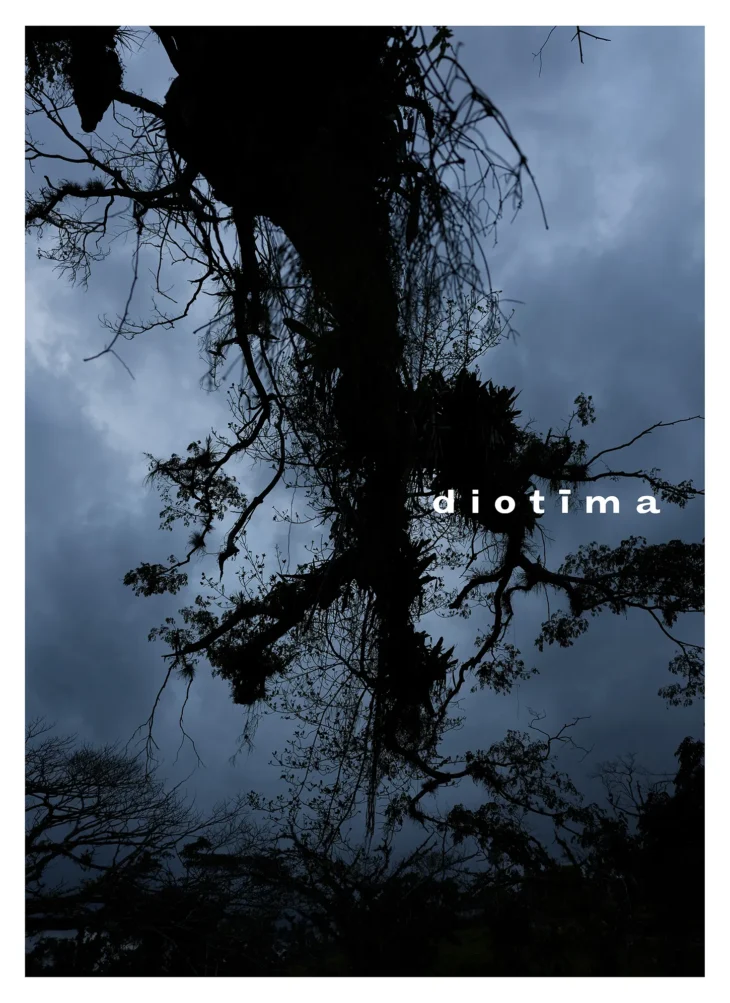
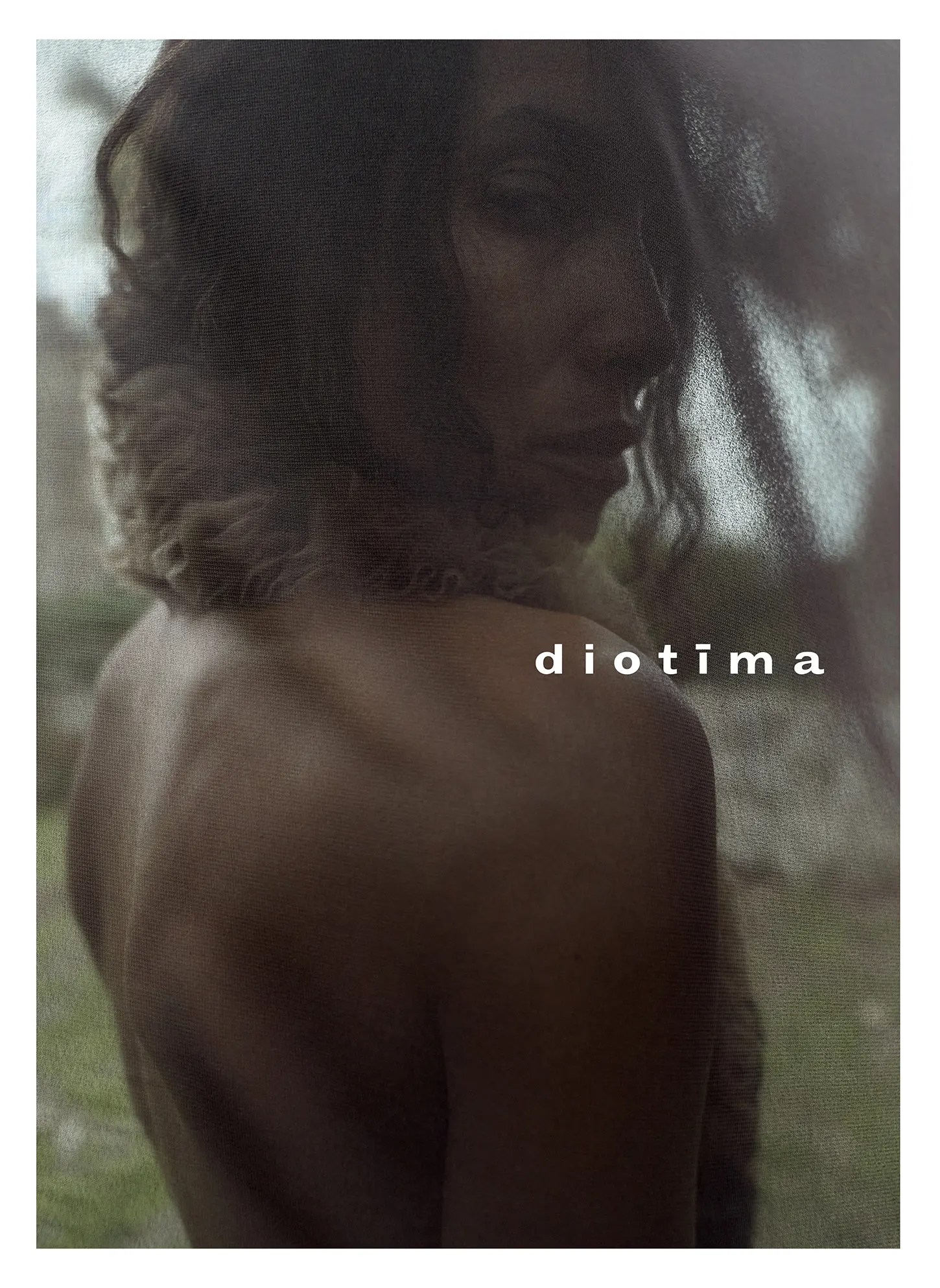
What makes this campaign radical is precisely what it refuses to do. There are no lifestyle shots, no contrived vacation narratives, no soft-focus aspirational imagery. Instead, photographer Luca Khouri and stylist Marika-Ella Ames created imagery that feels intellectual, incandescent, unsettling in the best sense. The woman who emerges is described in Scott’s notes as “incandescent and intellectually free, elegant and insurgent.” She is not a consumer fantasy but a conceptual proposition.
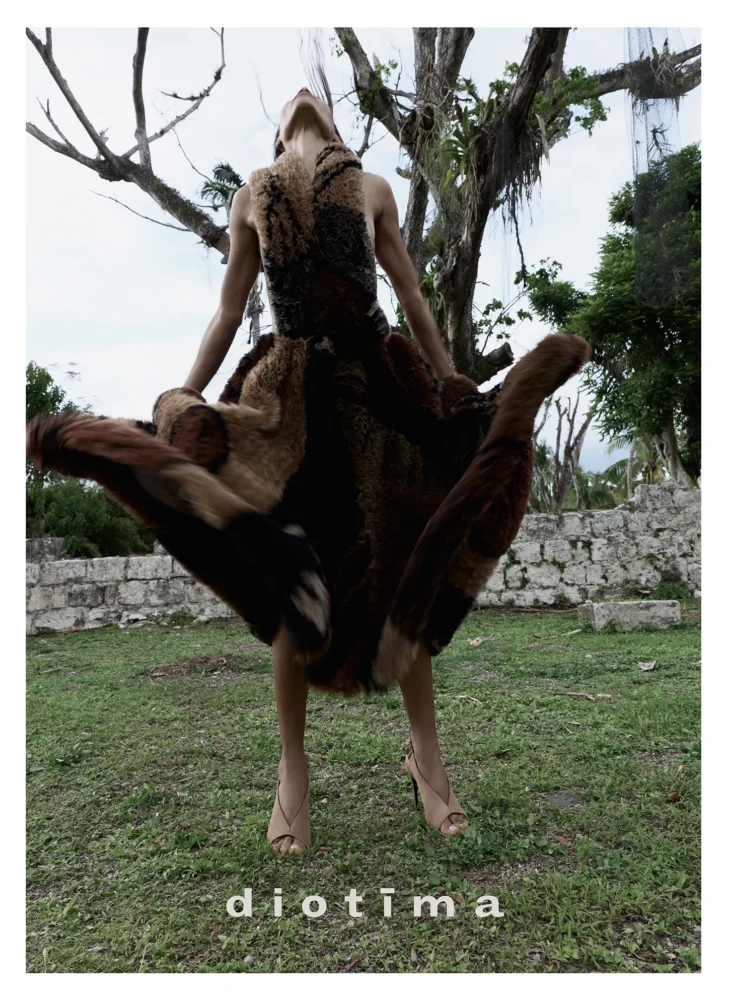
This approach stands in deliberate opposition to conventional fashion advertising, where the narrative typically begins with the product and works backward to justify its existence. Diotima reverses this: the artwork comes first, the clothes serve the idea, and the campaign becomes a statement about what fashion can be when it refuses to be merely transactional.
It is worth noting that Scott is executing this vision while simultaneously stewarding Proenza Schouler through a creative transition, proving that the “undoneness” that characterizes Diotima (the brand’s signature crochet and macramé work, its imperfectly perfect construction) can coexist with the architectural precision and uptown-downtown sensibility of a heritage American house. She is not divided between these two brands; she is synthesizing them.
A designer who thinks like an artist
Scott discovered Wifredo Lam’s work roughly 15 years ago, long before she founded Diotima in 2021. When she started the brand, it was rooted in decades-old crochet and macramé traditions practiced by Jamaican artisans, a direct engagement with craft and heritage that could not have been further from the slick corporate machine of contemporary fashion. Since then, she has won the CFDA Women’s Designer of the Year award (2024), was nominated for the LVMH Prize, and has built a following that understands Diotima as a philosophical stance as much as a label.
The Fall Winter 2026 campaign crystallizes this philosophy. It is not trying to seduce you into buying clothes. It is offering you an intellectual and visual experience, one anchored in modernist art history, Caribbean cultural transmission, and the radical proposition that fashion can be a medium for ideas rather than merely a delivery system for them.
Discover more in our gallery:
For more Fall Winter 2026 campaign coverage, see our full roundup here.