


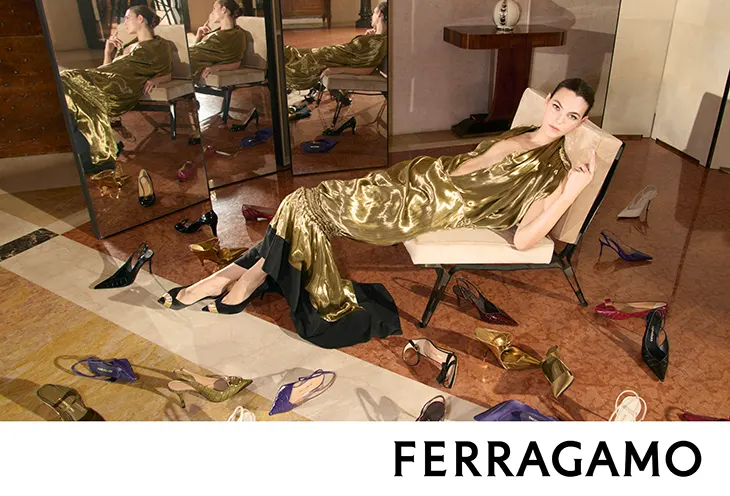
Ferragamo places its lifelong fascination with shoes at the center of its Fall Winter 2026 campaign. Photographer Johnny Dufort revisits a recurring house image: actresses and cinematic stars posing among an abundance of footwear. He brings the concept into the present through a surreal visual approach that gives Ferragamo’s established language a fresh direction.
AD CAMPAIGNS
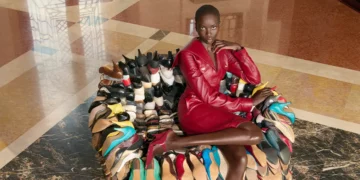
Contemporary artist Willie Cole contributes a central element to the campaign. Cole constructed his 1994 sculpture from shoes, and Anok Yai uses the work as a throne in Dufort’s photographs. Creative director Maximilian Davis connects Cole’s practice with the ideas behind his recent collections. Cole takes familiar objects that carry personal associations and distorts their forms, creating results that feel strange and immediately recognizable.
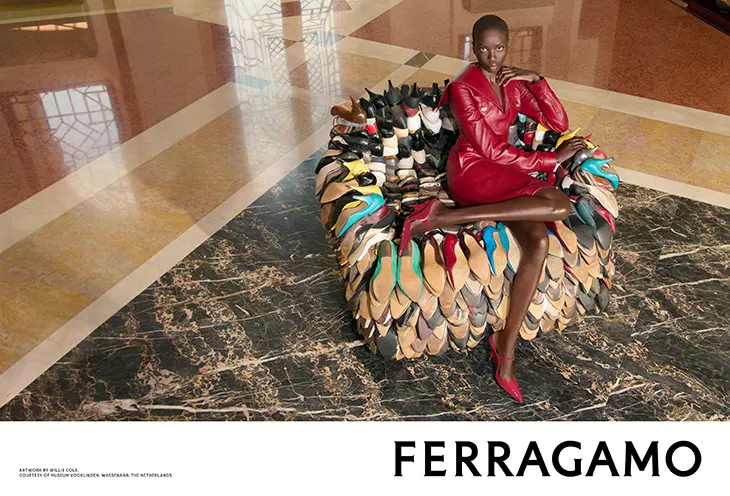
Davis sees the sculpture as a natural match for his references to Surrealism and Dadaism. The chair introduces fantasy through an everyday object and gives the campaign a direct link between art and footwear. Its unusual construction supports the dreamlike atmosphere while keeping shoes firmly in focus.
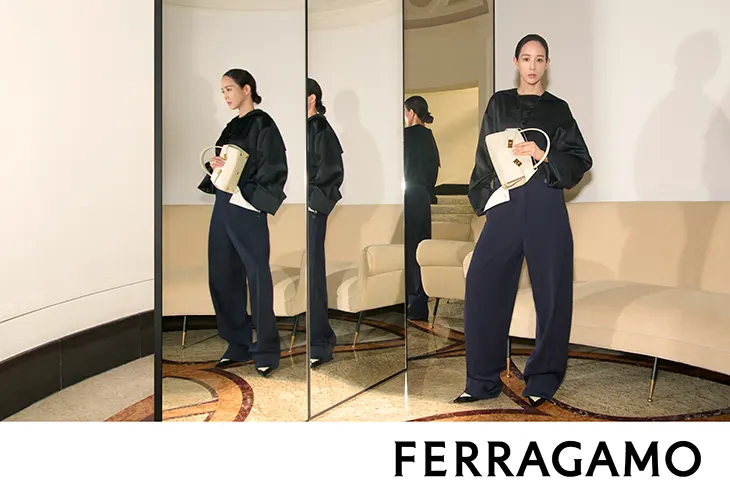
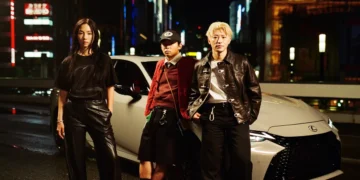
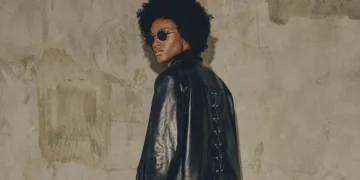
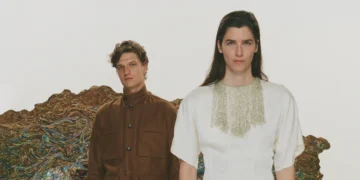
Anok Yai appears alongside Ferragamo Global Brand Ambassadors Jingyu Huang and Ning Chang, as well as Vittoria Ceretti and Thibaud Charon. The cast presents footwear, bags and formal menswear within Dufort’s surreal compositions. Their presence continues the house’s visual tradition of placing recognizable figures among shoes while Dufort changes the tone through scale, arrangement and unexpected perspective.
The campaign turns attention toward several Ferragamo shoe designs. A stiletto takes its sleek, graphic line from a style Salvatore Ferragamo first created in 1954. The Opanka develops the architectural shell sole that the house first introduced in 1957. Ferragamo also gives its signature Varina a quilted finish.
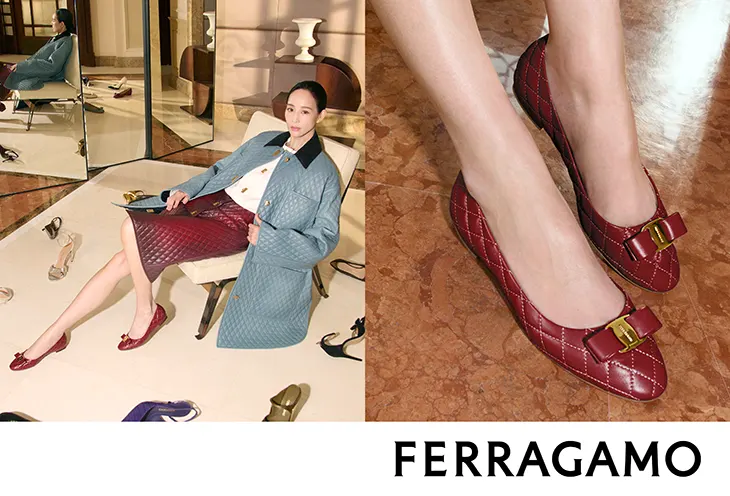
Davis defines the Ferragamo shoe through its construction, wearability and design innovation. Since joining the house, he has sharpened the details and strengthened the graphic qualities of its core designs. His approach translates established techniques and structural ideas into shoes that address the present collection.
The men’s selection introduces new formal classics. Ferragamo draws these designs from the technical knowledge that continues to guide its approach to footwear. Clean shapes and precise construction connect them with the wider campaign focus and extend the same attention to proportion into menswear.
Accessories also play a major role. Ferragamo introduces the Cara bag in supple calf leather with a tactile surface and a graceful shape. Its accordion construction organizes the interior form and supports everyday function. Gancini hardware secures the design and adds a recognizable house detail.
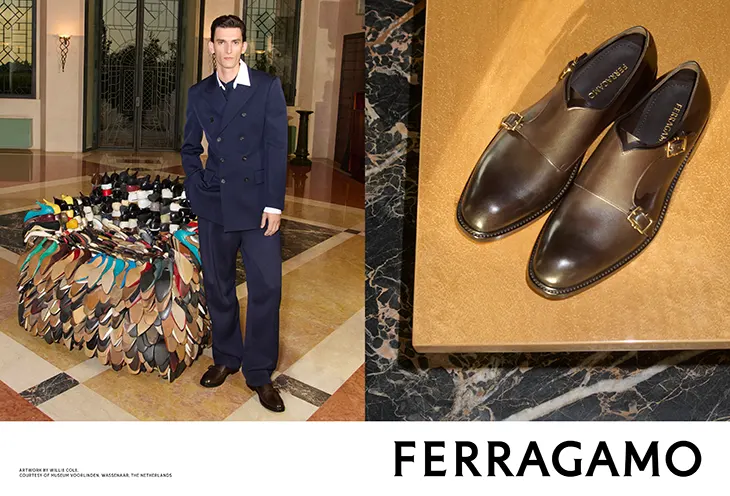
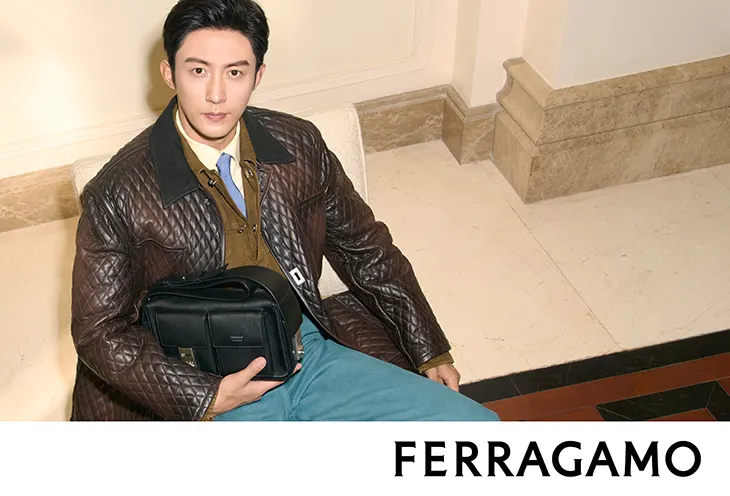
The Hug bag returns with adjusted proportions and a horizontal East West format. This longer interpretation gives familiar Ferragamo codes a new shape. A men’s messenger bag completes the accessories selection through a combination of urban function and polished refinement.
The campaign connects designs from 1954 and 1957 with current footwear, formal menswear and new bags. Construction, imagination and practical use shape each shoe into an object of desire.