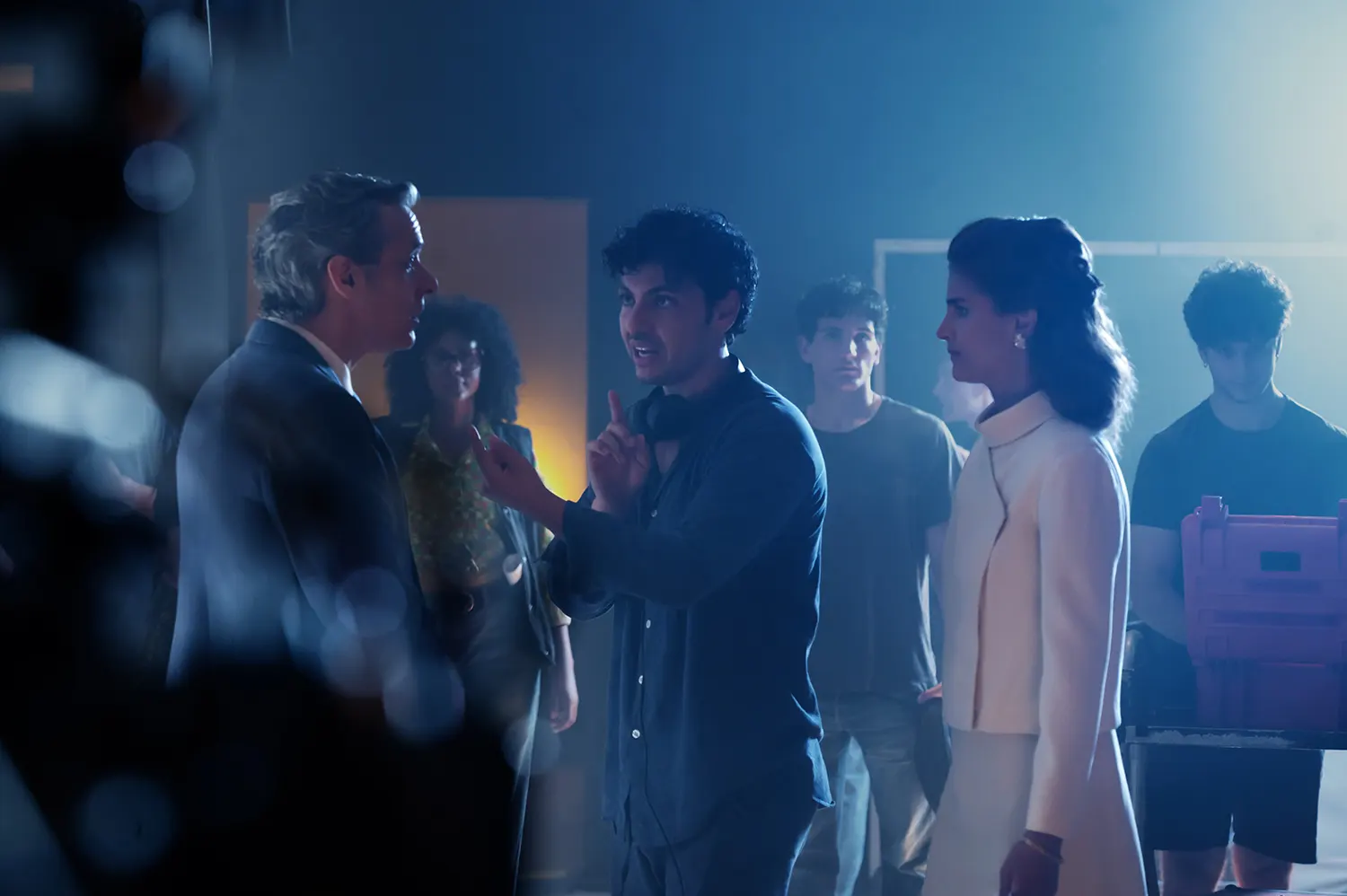



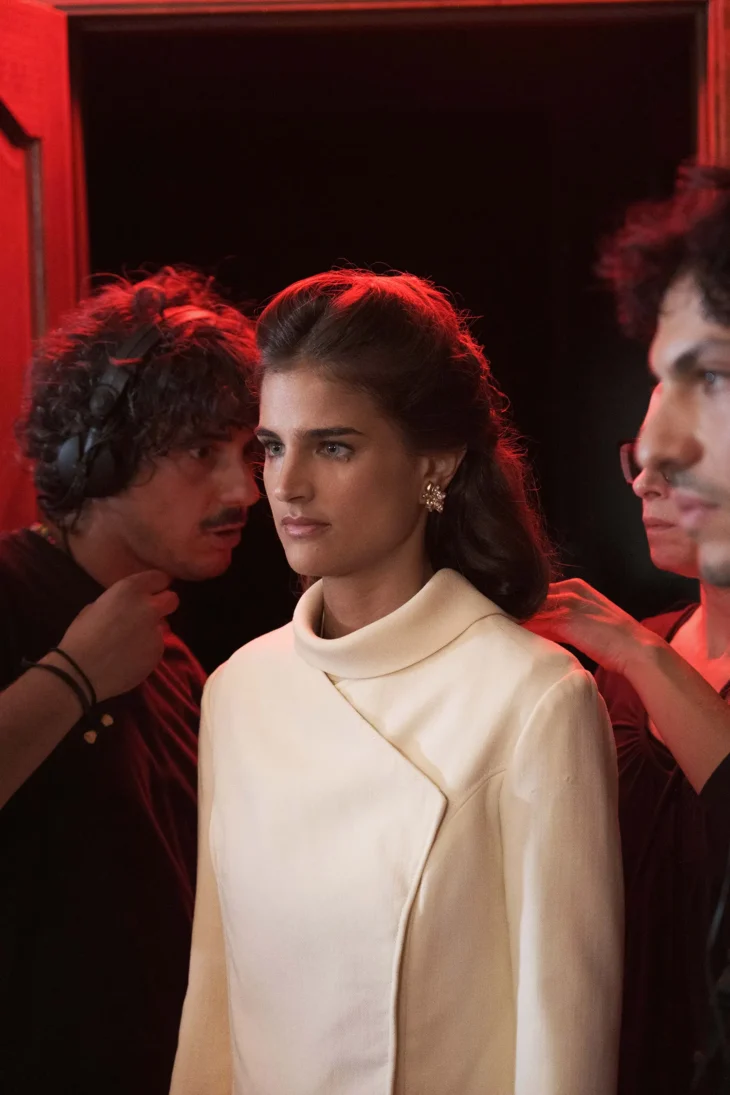
Ferragamo is stepping into cinema with a meditation on inheritance. Un Passo Alla Volta (One Step at a Time), premiering September 9 at the 83rd Venice International Film Festival, positions actress and creative Martina Ferragamo as both star and co-writer, starring in a film about her own family alongside director Simone Coppo. It’s a deliberately unconventional move, one that sidesteps the typical brand-cinema collaboration in favor of something more exploratory and personal.
The premise is elegant in its simplicity: an actress arrives on set to portray her family’s story, only to find the distinction between documentation and imagination dissolving entirely. As production unfolds, Martina confronts the fundamental tension at the heart of dynastic enterprise. What does it mean to inherit not just a business, but a legacy so thoroughly woven into cultural history that it precedes you? How do you claim it as your own rather than simply steward it?
This question sits at the intersection of something European fashion families have long navigated with particular sophistication. Unlike the polished heritage narratives typically funded by luxury conglomerates, Un Passo Alla Volta operates in a register of genuine inquiry. The film draws its spine from the relationship between Salvatore Ferragamo and Hollywood, that foundational moment when Italian craftsmanship collided with American star machinery, then pivots to Wanda Miletti Ferragamo, whose stewardship of the house after Salvatore’s death embodied a kind of continuity that was itself visionary.
What distinguishes this from typical brand content is precisely what the film’s conceptual framework announces: there’s no commercial pretense embedded in the structure. Martina isn’t narrating the brand’s story; she’s interrogating her relationship to it. The dreamlike collision between reality and narrative that the film constructs mirrors the actual experience of inheriting something so public, so historically significant, that it inevitably colonizes your sense of self.
The Venice premiere is significant not as a marketing gesture but as a curatorial one. By presenting at the festival rather than launching through a brand channel, Ferragamo signals something important: this is cinema first, brand second. It’s a statement about taking the complexity of inheritance seriously enough to warrant the meditative, formally experimental space that film provides. That restraint, that refusal to subordinate artistic inquiry to commercial narrative, is itself increasingly rare among fashion families willing to engage with contemporary media.
In the current moment, when heritage brands often retreat into nostalgia or, conversely, chase cultural relevance through unimaginative celebrity partnerships, a family member asking how to carry forward a legacy on her own terms reads as genuinely counterintuitive. Follow Martina Ferragamo for updates on the project. Un Passo Alla Volta doesn’t answer the question. It simply insists that the asking, the one step at a time, matters more than the destination.
Discover more in our gallery: