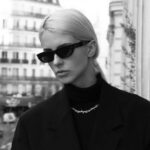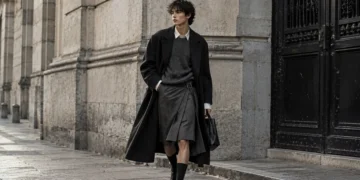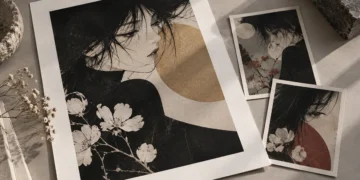



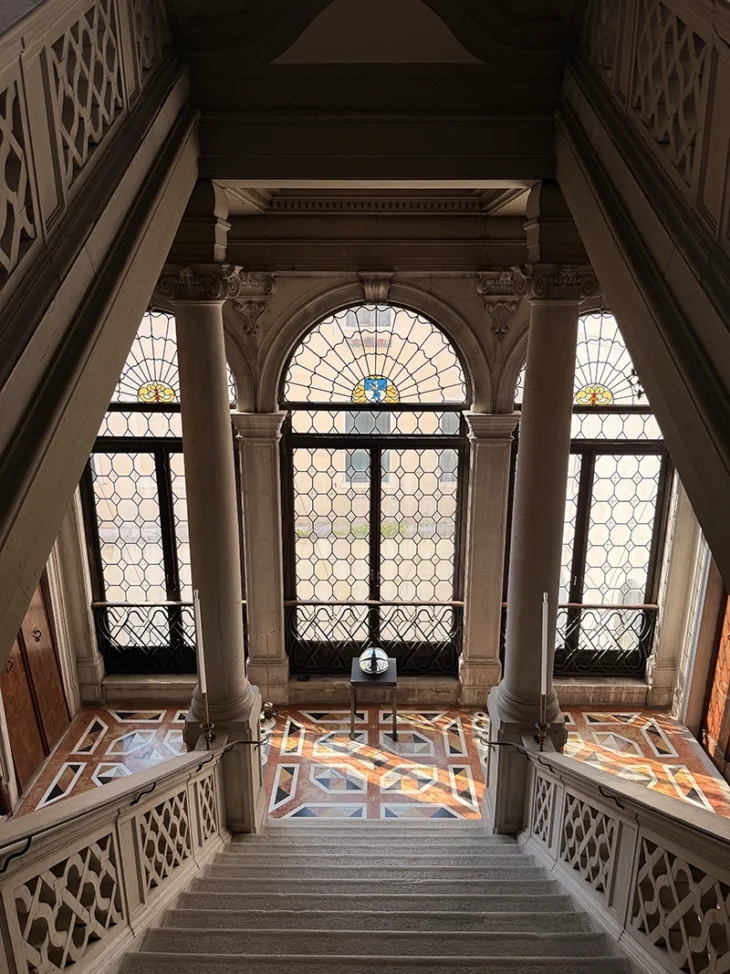
After stepping away from the fashion house that carries his name, Dries Van Noten has turned his attention toward a different kind of creative project. Together with Patrick Vangheluwe, the Belgian designer has established Fondazione Dries Van Noten inside Palazzo Pisani Moretta, a historic residence overlooking Venice’s Grand Canal.
ART
The Fondazione opened in April 2026 with its first presentation, “The Only True Protest Is Beauty,” which remains on view until October 4. A visit several months after the opening offers a clearer view of the project’s wider intention. This is not a temporary exhibition built around Van Noten’s career. It introduces a permanent cultural institution centered on artists, designers, artisans and the physical process of creating.
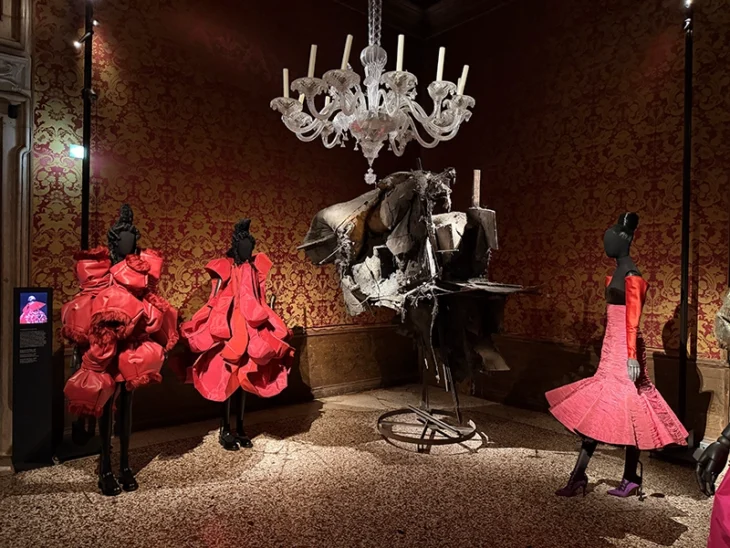
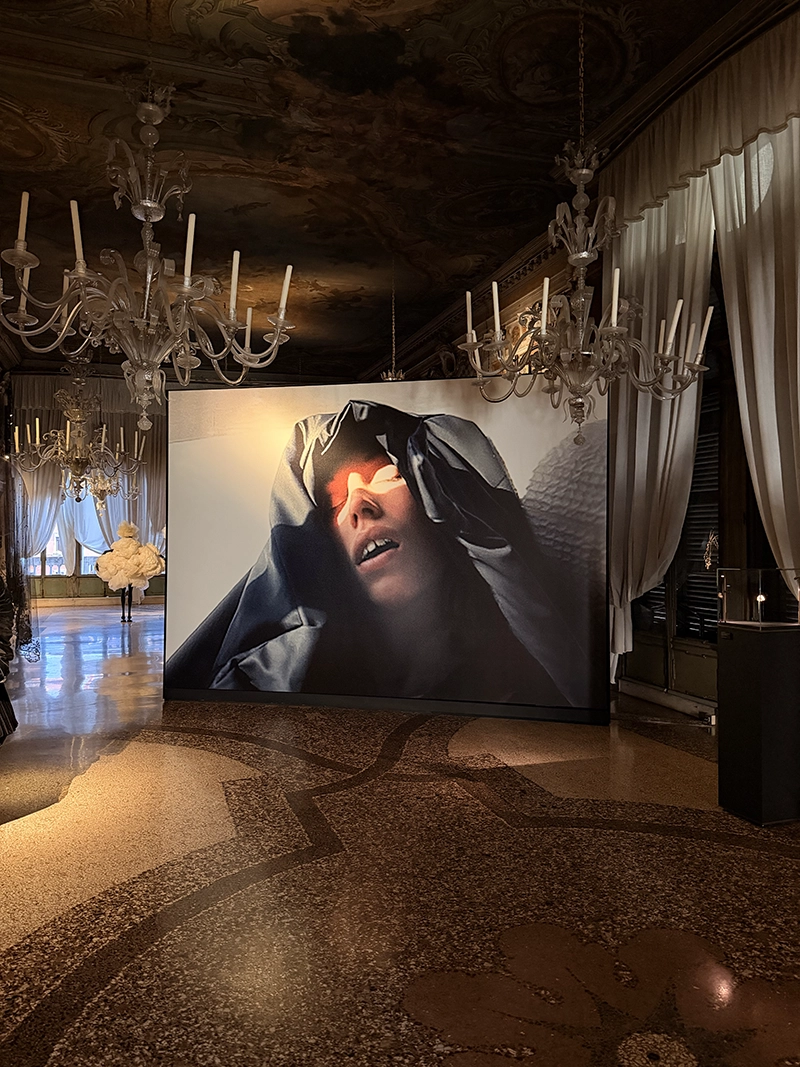
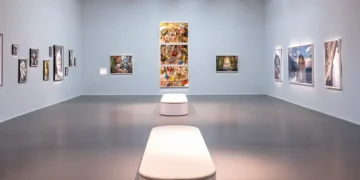
Van Noten curated the presentation and developed its scenography, arranging more than 200 works throughout 20 rooms on the ground floor and two Piano Nobile levels. Fashion, jewelry, photography, glass, ceramics, collectible design and experimental materials occupy the same rooms without following a strict chronological or disciplinary structure.
The exhibition takes its title from American songwriter and political activist Phil Ochs, who wrote, “In such ugly times, the only true protest is beauty.” Van Noten and Vangheluwe approach beauty as an open question. Their interpretation rejects prettiness as a final objective and instead considers how an object can create intensity, uncertainty or disruption.
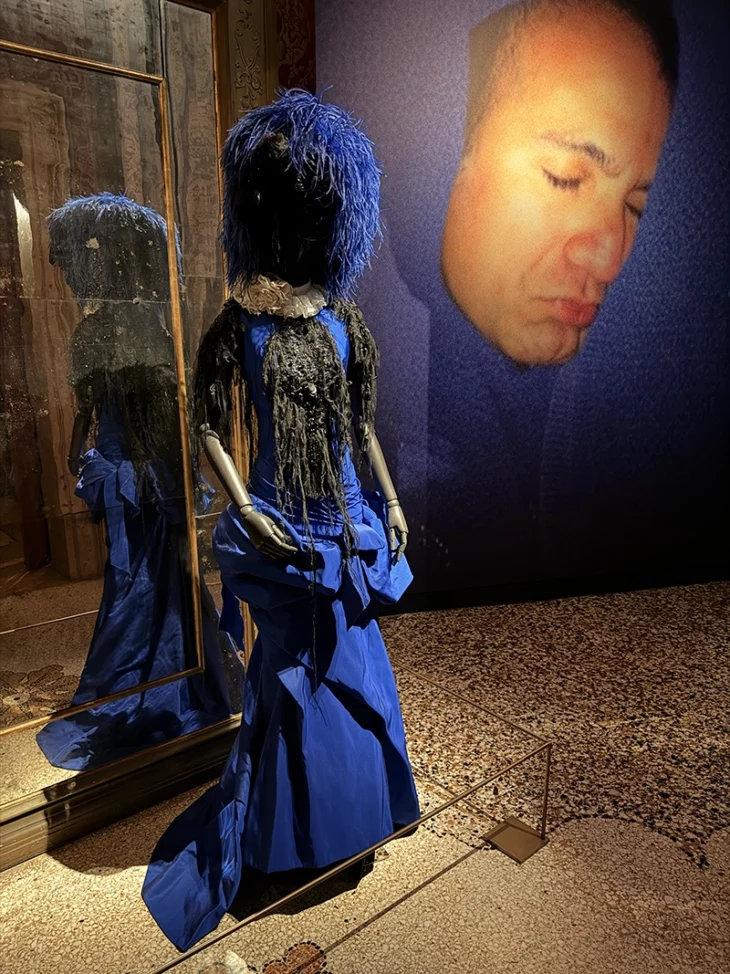
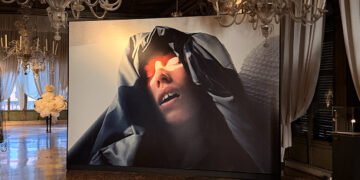
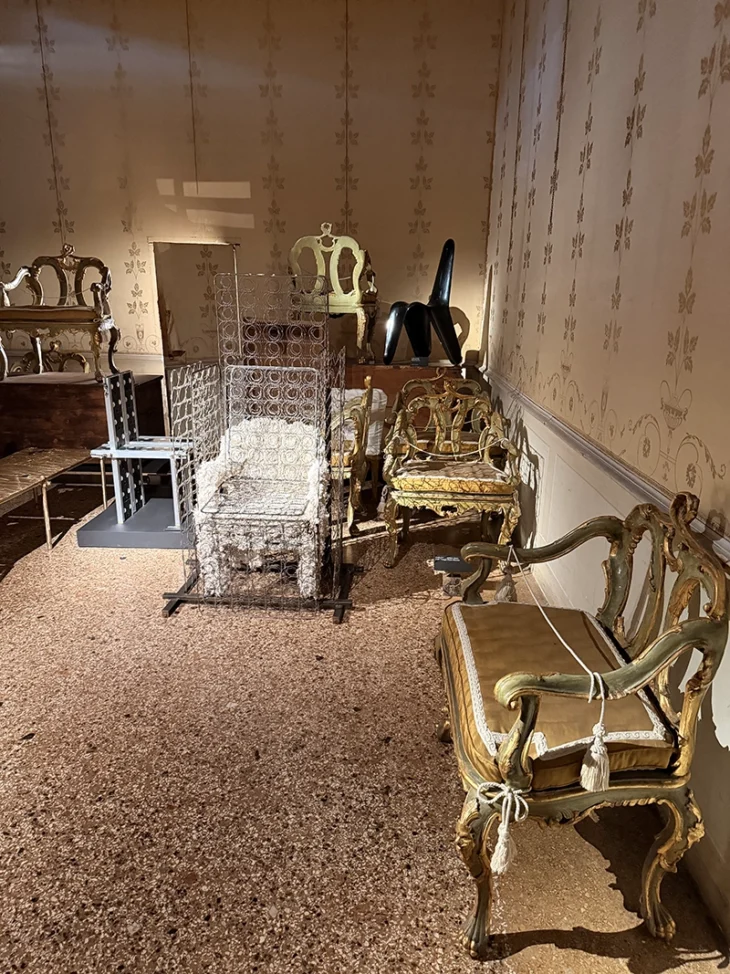
That idea appears throughout Palazzo Pisani Moretta. Historic interiors meet contemporary objects through combinations that depend on visual instinct. The architecture does not serve as neutral exhibition space. Frescoes, furniture, glassware, decorative surfaces and signs of age actively shape how visitors encounter each work.
Fashion provides a consistent structure throughout the presentation. Fifteen Christian Lacroix silhouettes appear alongside sculptural pieces by Rei Kawakubo for Comme des Garçons. Work by Palestinian designer Ayham Hassan introduces a younger perspective shaped by material restriction and personal experience. These pieces show fashion as a means of asking questions through construction, volume, texture and the body.
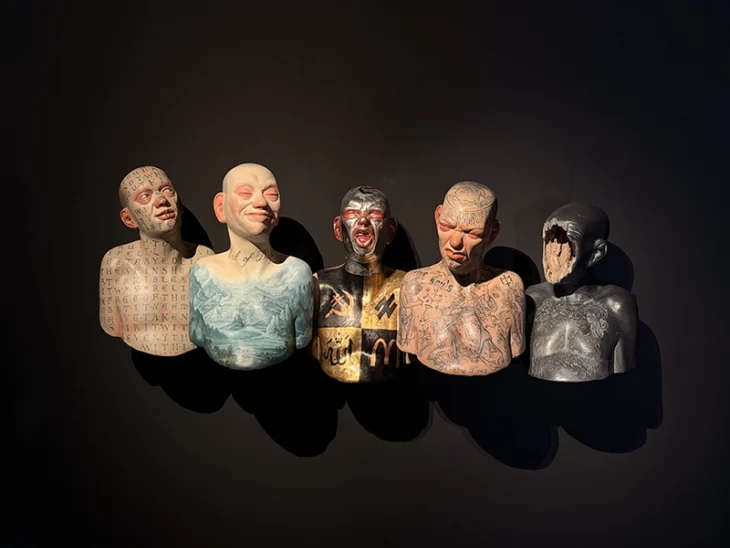
Elsewhere, Steven Shearer’s photographs of sleeping figures share a room with Memento Mori jewelry by Codognato. Glass pieces by Alexander Kirkeby, Ritsue Mishima and Armand Louis appear near the Pisani Moretta family’s own collection. Contemporary chairs by Wendy Andreu, Nifemi Marcus-Bello and Lionel Jadot enter into conversation with antique seating already present in the Palazzo.
The combinations frequently resist visual comfort. A room may begin with harmony before an object introduces tension. Peter Buggenhout’s dust-covered sculpture greets visitors near the entrance, setting an uncertain tone. Ann Carrington’s compositions made from discarded metal disrupt the former intimacy of a chapel alcove. Hubert Duprat’s work presents insects building protective cases from gold, pearls, rubies and diamonds.
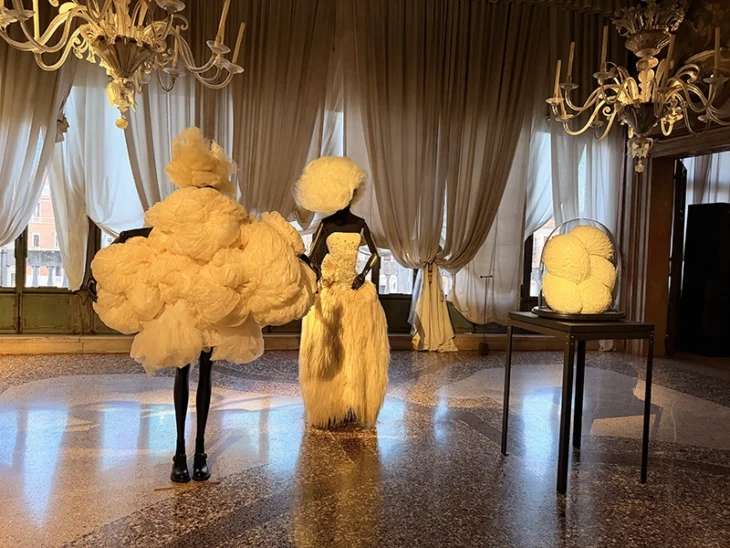
More than 20 videos reveal the labor behind selected works. Makers discuss gestures, materials, decisions and production methods, giving physical process the same importance as the completed object. This emphasis explains the Fondazione’s wider purpose.
Van Noten has spent decades working with color, textiles, print, embroidery and specialist techniques. In Venice, he now places those interests within a larger cultural platform. His role has shifted from producing seasonal collections to connecting creative practices and giving artists space to encounter one another.
The Fondazione plans presentations, residencies, educational programs, collaborative projects and events throughout the year. It also intends to support students and emerging creators while forming links between Venice and international creative communities.
“The Only True Protest Is Beauty” introduces that mission through an exhibition that asks visitors to look carefully and remain with uncertainty. It also shows what Van Noten has chosen to build after fashion: an institution where materials, skills and ideas can continue to generate new work.
The presentation runs at Palazzo Pisani Moretta from April 25 through October 4, 2026.