


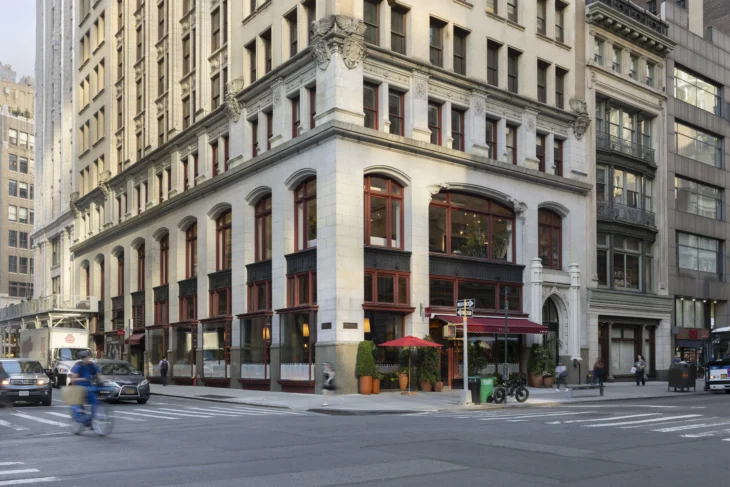
Madison Square Park has long been a magnet for ambitious restaurants, but few have approached the Flatiron location with the restraint and confidence that Felice brings to its new flagship. Arriving this summer at 220 Fifth Avenue, the Felice Flatiron restaurant doesn’t compete for attention. Instead, it comes alive in the neighborhood with the quiet authority of a place that understands its role: to be useful, to be genuine, to be worth returning to.
The brand has been building toward this for eighteen years. What started as a single concept on the Upper East Side in 2007 has grown into a network of fourteen locations across New York, Connecticut, and Florida, each one operating from the same fundamental belief that a restaurant should feel like an extension of daily life, not an occasion unto itself. Felice Flatiron is where that philosophy reaches maturity.
Space as Substance
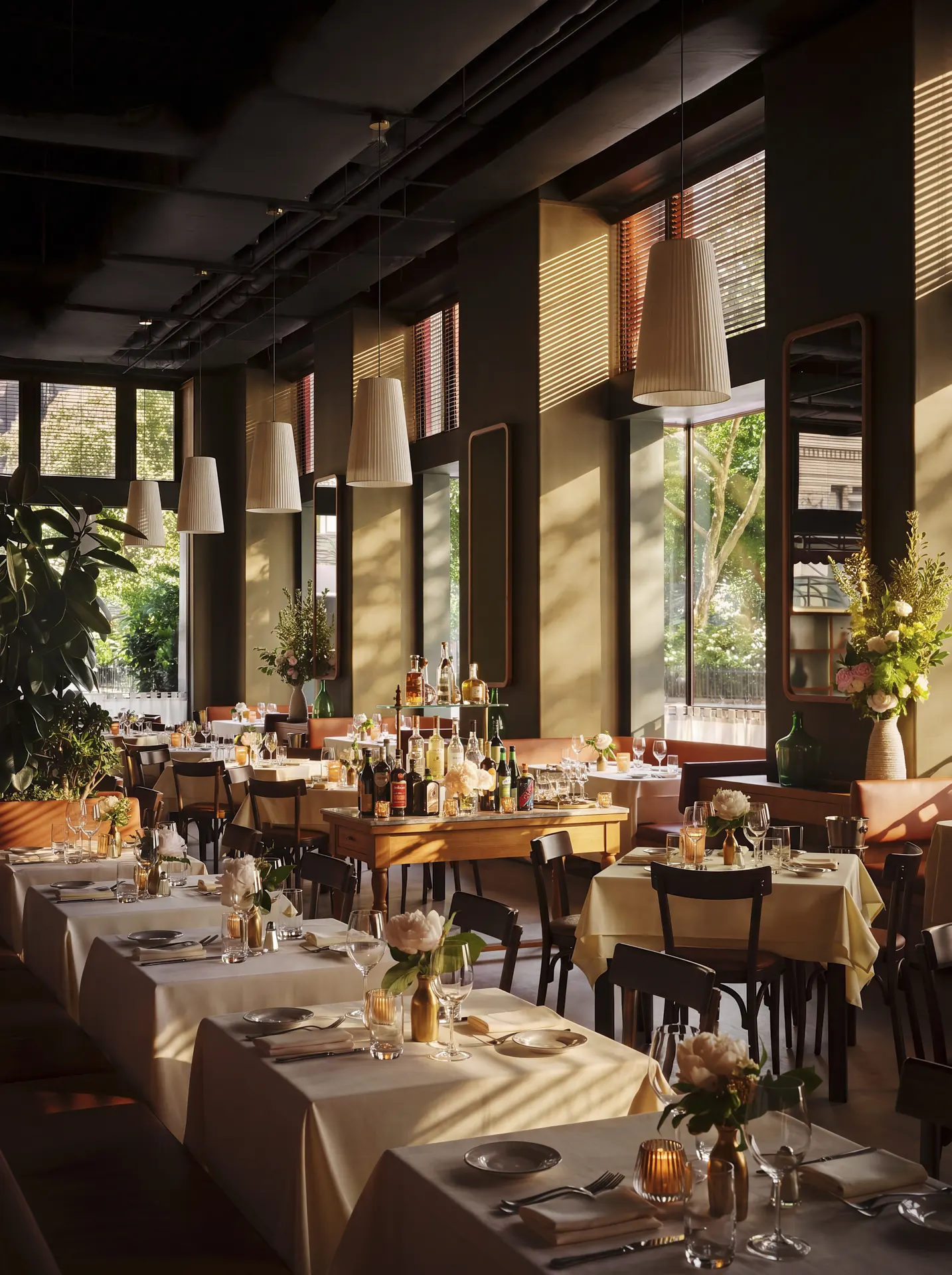
The architecture tells you immediately what the restaurant values. The design by Bonetti/Kozerski refuses theatricality. Instead of drama, there is proportion. Instead of novelty, there is clarity. The dining room sits beneath eighteen-foot ceilings that pull light across three sides of windows, creating an unusual openness for a restaurant at this scale. You eat with Madison Square Park visible, with Fifth Avenue below, with natural light moving across the room as the day progresses.
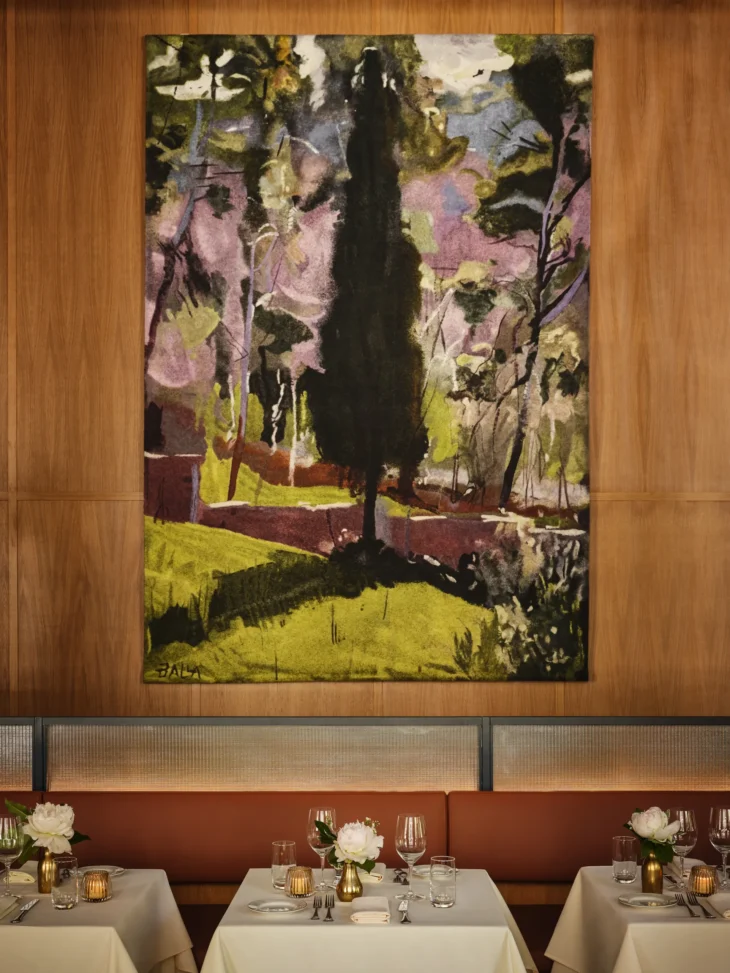
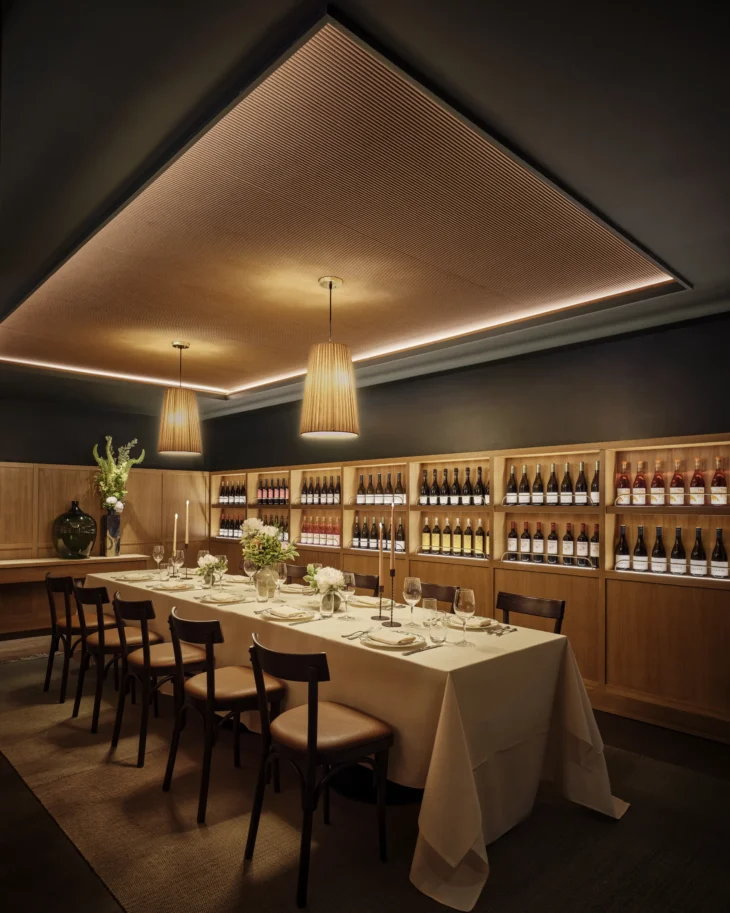
The centerpiece is a bar wrapped in Grigio Versilia marble, backed by terracotta sourced from Tuscany. It is the largest bar Felice has built, and it functions not as a display of wealth but as a gathering point. A thirty-foot wine wall runs parallel, illuminated but not ostentatious. The millwork is Italian oak from Florence, the materials chosen not for their cost but for what they communicate about intention and respect for craft. By evening, the light shifts warmer, more intimate. The architecture follows the rhythm of how people actually spend time in restaurants.
This restraint in design extends throughout. Nothing screams for attention. The space doesn’t announce itself as important. Instead, it allows the experience, the wine, the food, the people at the table, to be what matters.
Wine as Invitation
The wine list operates under a simple principle: fewer bottles, but bottles worth drinking. Most selections by the glass sit between $16 and $28, a range that encourages people to take risks without commitment. The broader list explores small producers across Italy, with international selections from Spain and California, many priced under $100. There is a “Back to Natural” section for low-intervention wines, a growing category that Felice has championed.
What distinguishes the program is curation over breadth. These are not wines selected to cover every possible preference. They are wines chosen because someone at Felice has tasted them, knows the producer, and believes they belong on the list. The relationship between wine and food drives the selections, not the desire to appear comprehensive.
Drinking Culture
The cocktail menu pulls from Italian aperitivo traditions while introducing new signatures. A Dirty Martini Spritz sits alongside seasonal variations and post-dinner drinks designed to stretch the evening: Amaro Shakerato, Limoncello Martini, Affogato Martini. This is not a restaurant where you finish your wine and leave. The bar program suggests lingering, encourages another round, invites you to stay.
Aperitivo service runs daily from late afternoon, a deliberate decision to build ritual around the experience of sitting at the bar, drinking something light, eating something simple, and letting time move differently than it does outside.
The Kitchen’s Logic
Authenticity in Italian cooking is often misunderstood as historical accuracy. At Felice, it means something simpler: ingredient quality and technical precision in service of clarity. The menu doesn’t chase trends or invent unnecessary variations on classics.
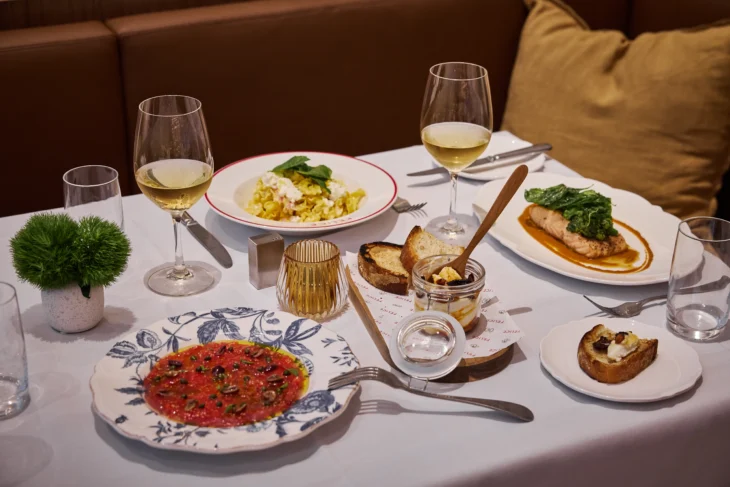
The Carbonara arrives on Mancini pasta with applewood bacon, eggs, cream, and a blend of Pecorino and Parmigiano. It is constructed the way a carbonara should be, without apology or reinvention. The Spaghetti all’Arrabbiata proves that cost and quality need not be inverse: San Marzano tomatoes, garlic confit, peperoncino, cherry tomatoes. Each component is there because it contributes something essential.
Discover more of the food at Felice Flatiron in our gallery:
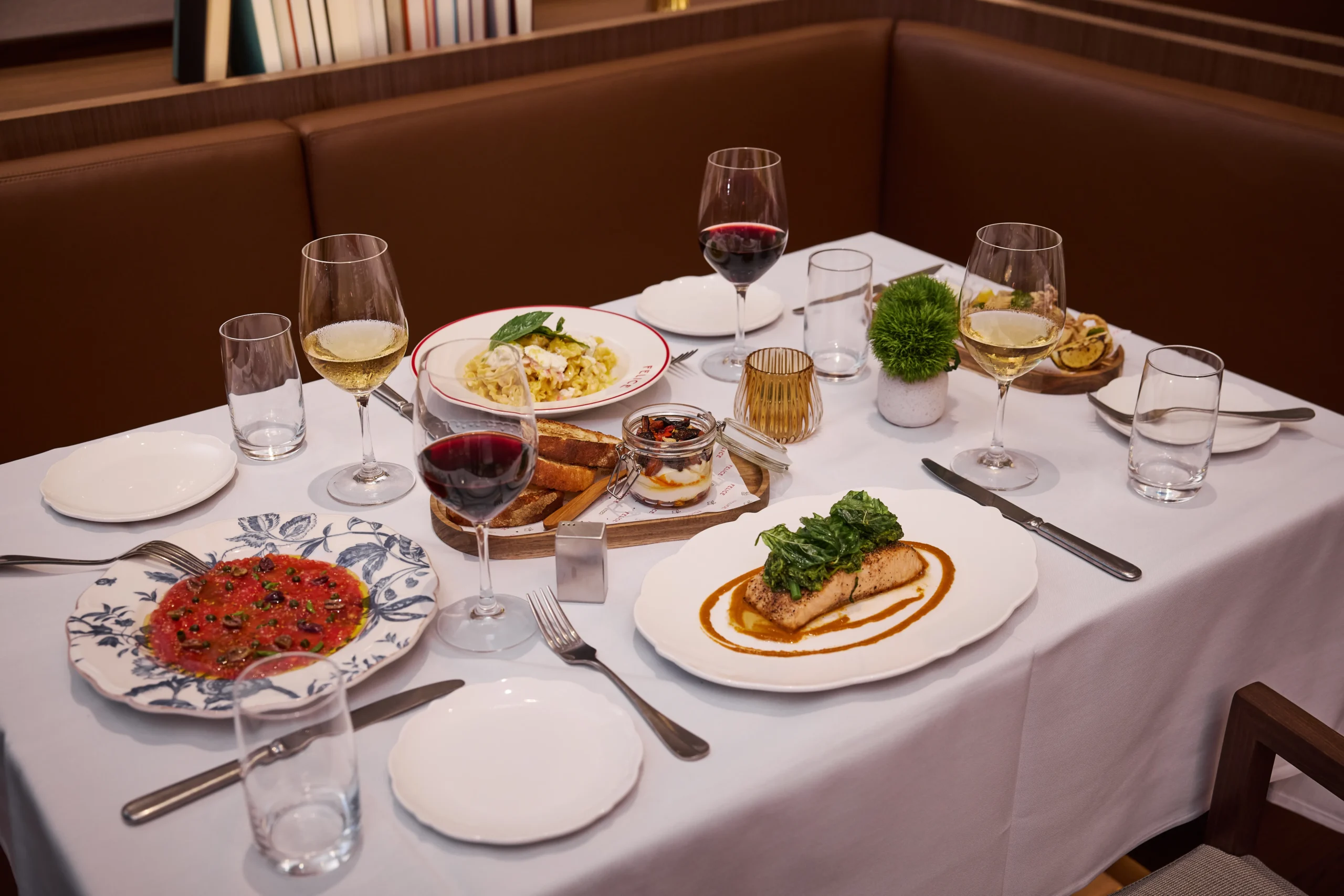
Beyond the pasta canon, Felice Flatiron introduces dishes specific to the location. The Il Toscano Plate cycles through selections of salumi, pecorino, olives, and crostini, designed for sharing, for the kind of eating that builds conversation. Tableside presentations, including tiramisu service and an amaro bar, provide moments of hospitality theater without straying into spectacle. The Gelato Crema Buontalenti, vanilla with strawberry compote and candied pistachio, is a dessert that has earned its place across every Felice location through simple superiority. Our personal recommendation for wrapping up the night.
The Flatiron location needed to be worth the wait, coming up four years after the last Felice opening in New York it beautifully shows what the brand understands about hospitality while combining striking architecture and a beloved food menu. The restaurant is also ready to succeed because it recognizes that Fifth Avenue and Madison Square Park are not features to exploit. They are context to respect. The service of wine, the preparation of pasta, the arrangement of light through windows, the friendly staff, these are the substance of the experience that makes you remember a dinner.
Discover more of Felice Flatiron in our gallery:
Felice Flatiron
220 Fifth Avenue, New York
Lunch 11am–4pm | Brunch 11am–4pm | Dinner Sun–Thu 4pm–10pm, Fri–Sat 4pm–11pm
Happy Hour Daily 3pm–6pm (bar only)
For more information, visit felicerestaurants.com. See more restaurant coverage at DSCENE Restaurants and New York Scene.