





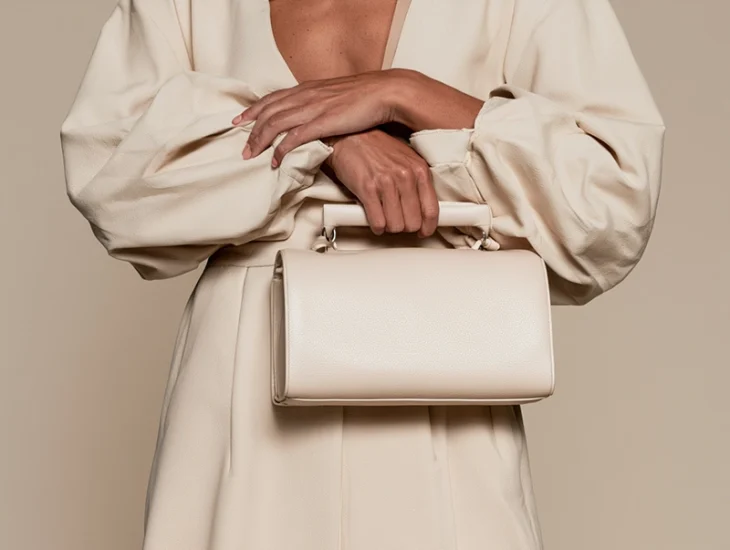
The bag most women rely on during an average week is rarely the one that gets the most attention. More often, it is the latest purchase, the algorithm-driven find, or the small structured bag that looks good in photos but struggles with daily use.
BAGS
Meanwhile, the bag that could carry an entire week, simple, well made, practical and easy to wear, often gets overlooked because it does not feel like an event. That disconnect between what people buy and what they actually use explains why so many wardrobes feel full and still fall short.
The Everyday Bag Is the Piece
Most Wardrobes Get Wrong
Look at how the average week actually unfolds. There’s often a commute, a coffee, a laptop or a notebook, a pair of flats swapped in at the door, a lipstick, keys, a phone that’s usually somewhere at the bottom. None of that fits inside a micro bag, and none of it belongs in a nylon tote that has started to sag at the corners.
So the wardrobe splits. There’s the bag you like and the bag you use, and they’re rarely the same object. You end up dressing around the wrong one, or carrying two, or apologizing for the tote when you sit down at dinner. It’s a small daily friction, but it shapes how put-together you feel walking into a room.
Buying Another Trendy Bag
Won’t Fix It
The intuitive move is to buy your way out. A new mini for evenings, a canvas one for errands, a structured top-handle for meetings, a nylon crossbody for travel. Five bags, one problem, still unsolved.
A rotation like that has real costs. Trend-driven bags age fast, both in construction and in how they read. Cheap hardware pits, coated canvas peels, and the silhouette that felt fresh in spring looks tired by fall. There’s also the wider cost of buying like this: the fashion industry is one of the more environmentally punishing on the planet, and a UNEP explainer on fast fashion notes shoppers are now buying far more clothes and keeping them for less time than they used to, a pattern that has normalized across accessories, too.
Then there’s the daily reality. A rotation forces a decision every morning, and the wrong pick throws off an outfit that was working. Most women don’t want a bag library. They want one bag they can grab without thinking.
One Well-Made Shoulder Bag
Does the Work of Five
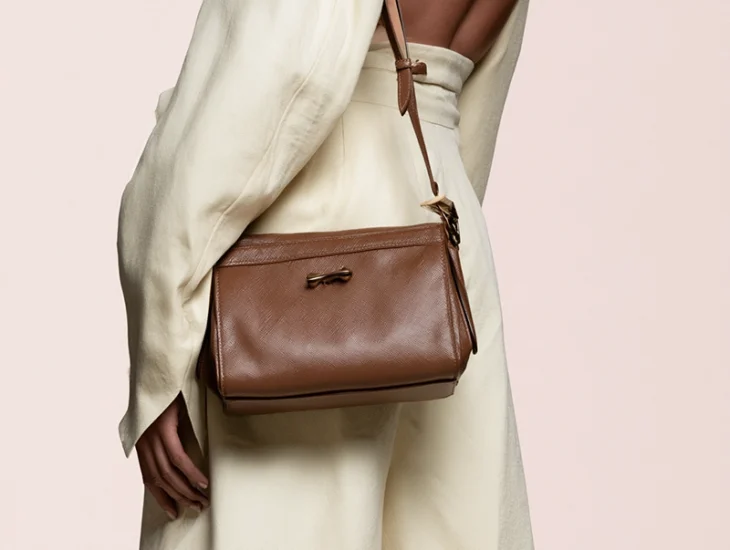
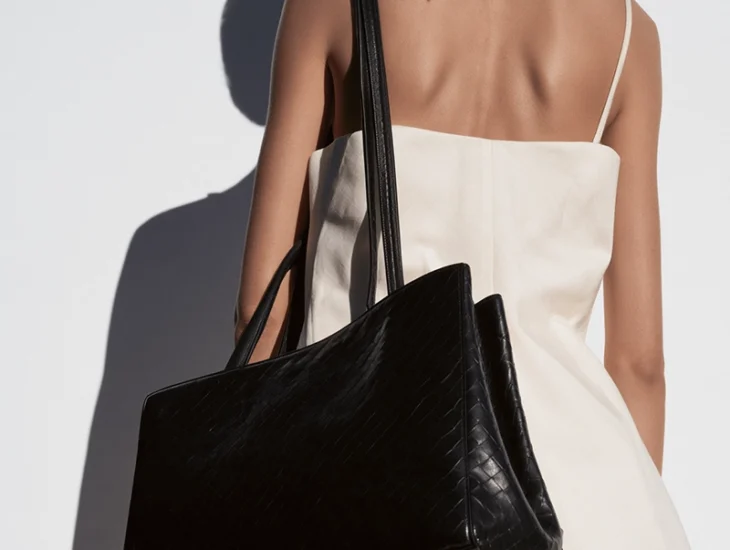
The piece that actually earns a spot on the hook by the door is a medium leather shoulder bag with a clean silhouette and hardware that won’t embarrass itself in two seasons. Something like the Naomi shoulder bag from Portland Leather Goods is the shape this argument is pointing at: soft enough to sit against the body, structured enough to hold form, sized to carry a real day.
What makes a bag like this work isn’t a logo. It’s a short list of qualities the eye reads before the brain does:
- Full-grain leather. It softens instead of cracking, takes on a patina, and forgives the scuffs a real week produces.
- A restrained silhouette. No loud hardware, no season-specific shape. It reads the same in 2026 as it will in 2032.
- Honest proportions. Big enough for a slim laptop or a paperback, small enough to wear to dinner without looking overpacked.
A strap that sits right. Short enough for the shoulder, long enough to cross the body when the day gets busy.
Bought once, worn constantly, this kind of bag can replace the rotation instead of joining it. It’s the piece a stylist would build a capsule around, and that principle, treating accessories as anchors rather than accents, is central to how professionals think about a working wardrobe. Cultural context and repeat-wear pieces matter more than trend chasing.
How to Choose the One
You’ll Actually Keep
If you’re going to commit to a single shoulder bag for the next several years, the choice deserves more than a scroll. A few things to check before you buy:
- Handle it in person if you can. Leather quality is something your hands read faster than a product photo.
- Load it with your real stuff. Phone, wallet, keys, sunglasses, a small notebook. If it bulges, size up. If it swallows everything, size down.
- Pick a color you’ll wear in five years. A warm brown, a black, a deep cognac. Save the seasonal colors for a small wallet.
- Check the stitching and edges. Even seams and finished edge paint are the difference between a bag that ages and a bag that unravels.
Get those four right and the bag stops being a decision. It becomes the thing you grab on the way out the door, and the rest of the outfit gets to do its job. That’s what a well-built wardrobe feels like from the inside. Fewer pieces, better ones, and one bag that carries the week without asking for credit.