


Three months changes the way a Biennale looks. The urgency of preview week fades, the parties disappear, instant rankings lose some authority, and the exhibition has to sustain itself without the machinery that surrounds its arrival. For the 61st Venice Biennale, that distance feels especially useful. In Minor Keys, conceived by the late Koyo Kouoh, runs through November 22 and brings together 110 invited participants alongside 100 national presentations. Kouoh rejected a conventional sectional structure and instead connected practices through recurring motifs including shrines, procession, schools, gardens, rest, and enchantment.
ART
Kouoh died in May 2025, before she could complete the physical realization of the exhibition. Gabe Beckhurst Feijoo, Siddhartha Mitter, Marie Hélène Pereira, Rasha Salti, and Rory Tsapayi carried her plans forward, working from an artist list and exhibition structure they had developed with her. That circumstance inevitably changes any reading of In Minor Keys. The exhibition carries the presence of its curator while also revealing the difficult task of translating an unfinished curatorial vision into hundreds of spatial decisions.
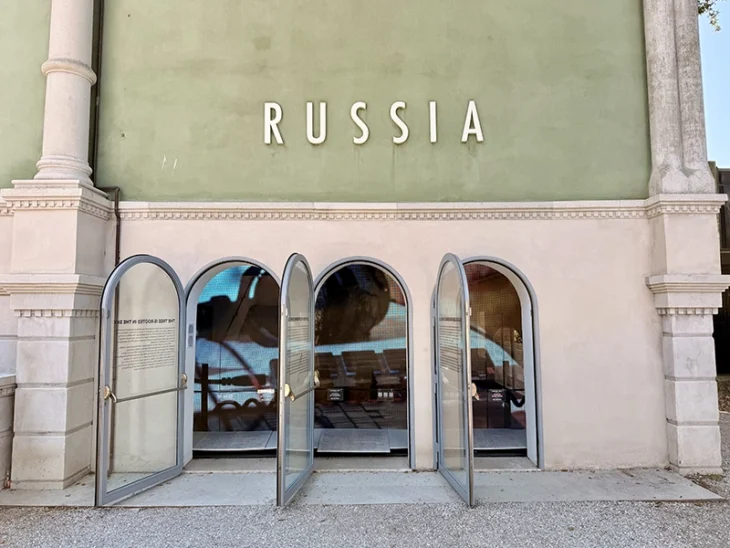
May brought another kind of pressure. Protests surrounding the Russian and Israeli pavilions placed geopolitical conflict directly inside the Biennale, while the international jury resigned over their participation. The Biennale replaced the traditional jury awards with a public vote, with results scheduled for the final day in November. These events gave the opening days an intensity that often competed with the art itself.
With some distance, Kouoh’s preference for lower frequencies becomes easier to consider on its own terms. In Minor Keys explicitly makes space for “rest, contemplation, and deep listening.” Wolff Architects reinforce that idea through sweeping indigo textile thresholds in the Giardini and Arsenale, creating visual pauses between different groups of works. Kouoh’s “Schools” also bring artist led organizations into the exhibition as sites for shared knowledge, encounter, and forms of cultural production that operate with greater independence from the market.
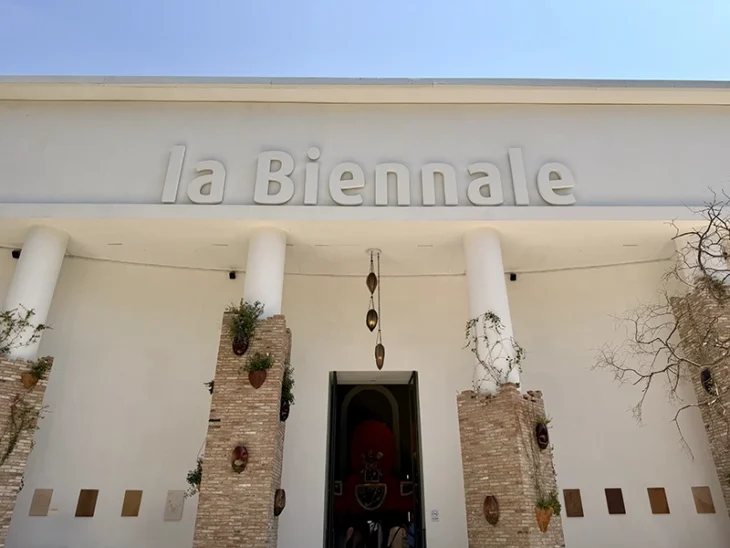
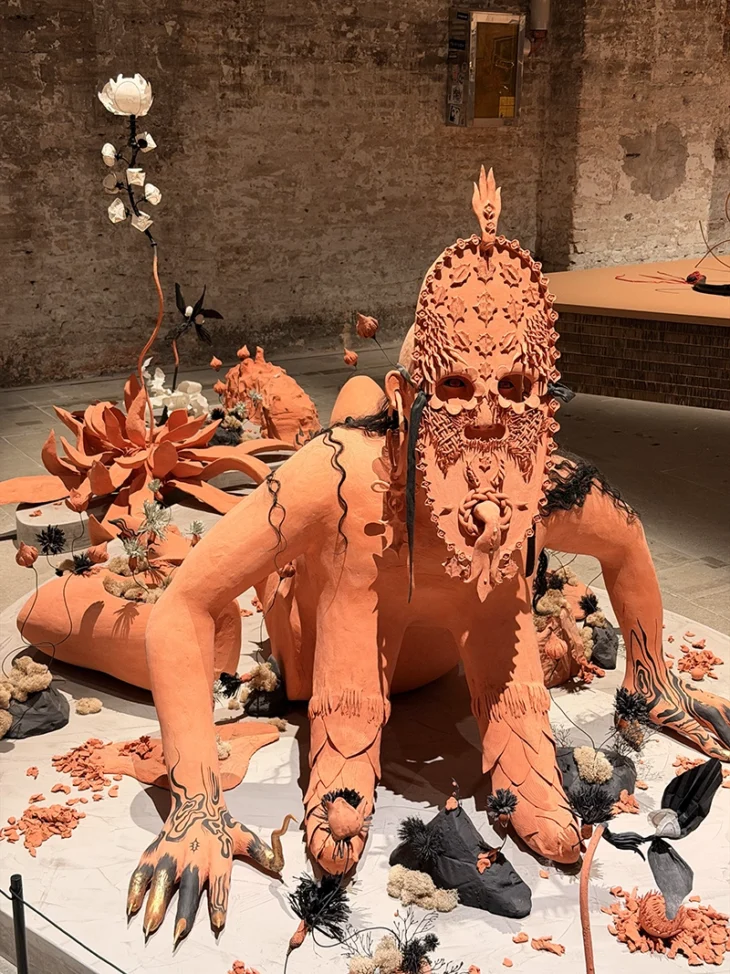
The most convincing works give those ideas physical weight. At the Central Pavilion, Otobong Nkanga transforms its Modernist entrance columns with brick, plants, terraria, flowerpots, and bee habitats, allowing cultivated life to interrupt architectural order. Nearby, Maria Magdalena Campos Pons connects Kouoh with Toni Morrison through magnolias and a painting that carries ideas of memory, loss, and Black history. At the Arsenale, Nick Cave’s Amalgam (Origin) turns a human figure into a tree populated by dozens of bird species, linking migration, protection, and collective survival.
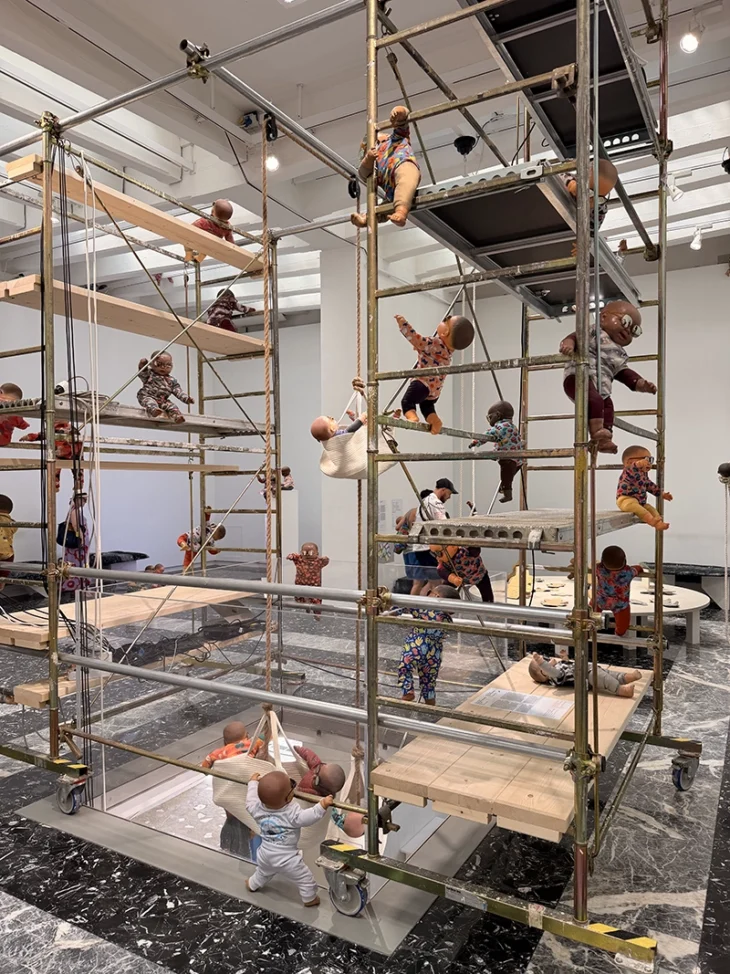
The exhibition does not always create the breathing room its ideas seem to require. In the Central Pavilion, closely arranged works can make the quieter practices harder to absorb, while stronger visual gestures dominate attention. The Arsenale offers a more spacious experience, giving presentations by artists including Laurie Anderson, Kader Attia, Alfredo Jaar, Walid Raad, and Rose Salane more room to register. In an exhibition asking what survives after the noise, endurance itself becomes part of the answer.
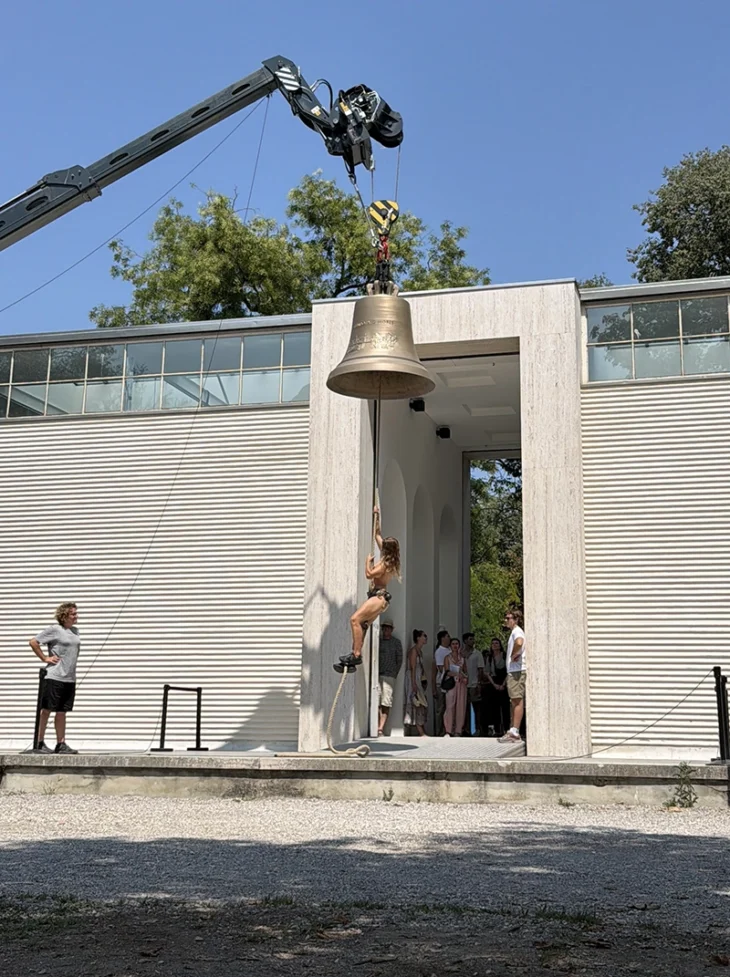
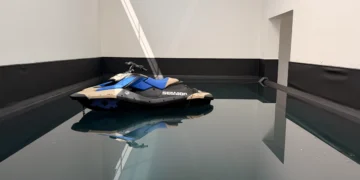
Austria offers perhaps the clearest argument for looking at the Biennale beyond its opening week. At the Austrian Pavilion, Florentina Holzinger’s SEAWORLD VENICE, curated by Nora-Swantje Almes, turns the building into a water-filled environment where live performance continues throughout every open day of the exhibition. Women performers inhabit the installation for hours at a time, placing physical labor, endurance, bodily fluids, technology, and waste at the center of the work. What felt deliberately provocative in May takes on another meaning months later: these bodies are still there, repeating, sustaining, and physically carrying the work long after the opening audience has gone home.
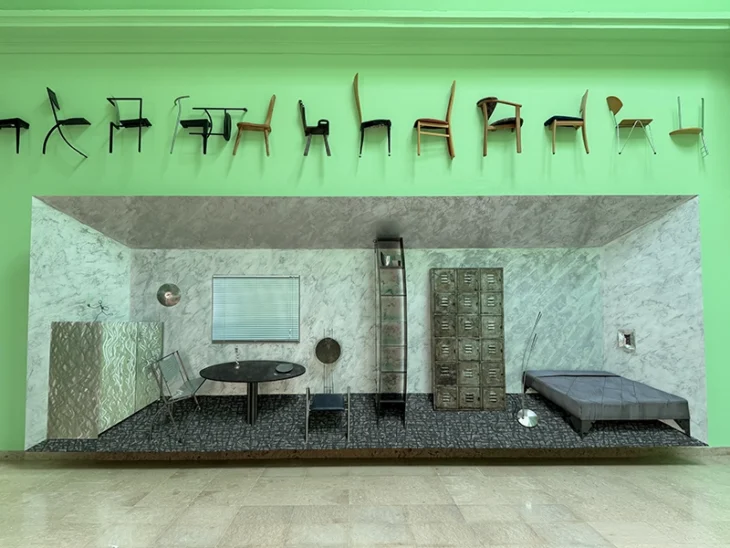
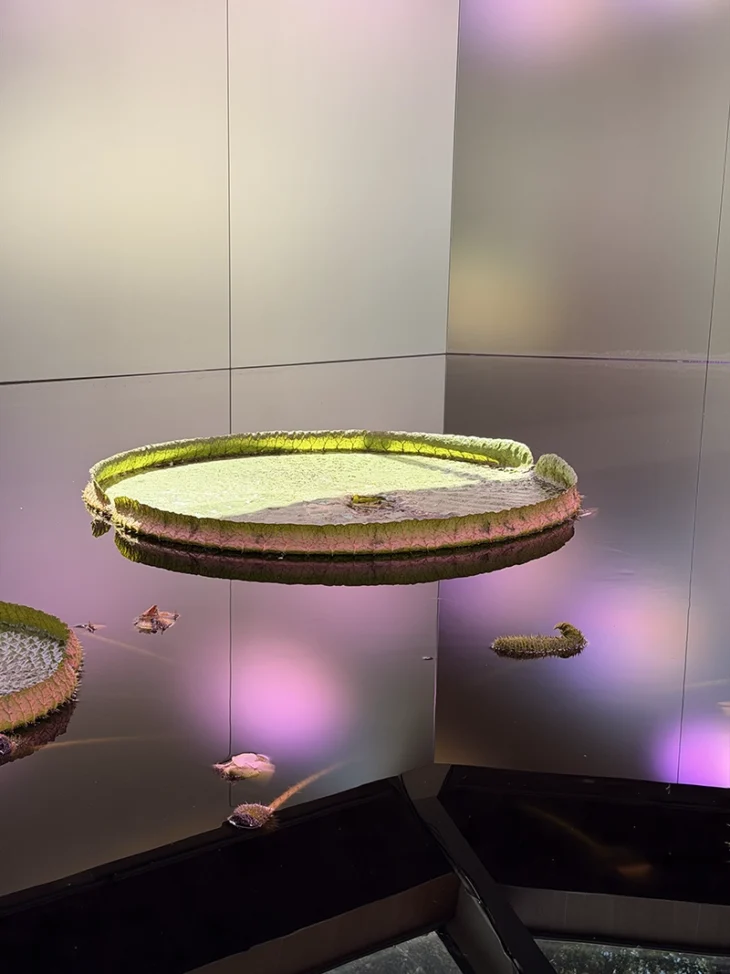
Beyond the central exhibition, the national pavilion structure creates another tension. The Biennale still assigns artistic representation according to countries at a moment when many of the artists themselves address migration, exile, unstable borders, and hybrid identities. Lubaina Himid’s British Pavilion considers what it means to construct a life in a new place, while the Holy See’s The Ear Is the Eye of the Soul uses the Carmelite gardens and sound to create an experience based on listening and introspection.
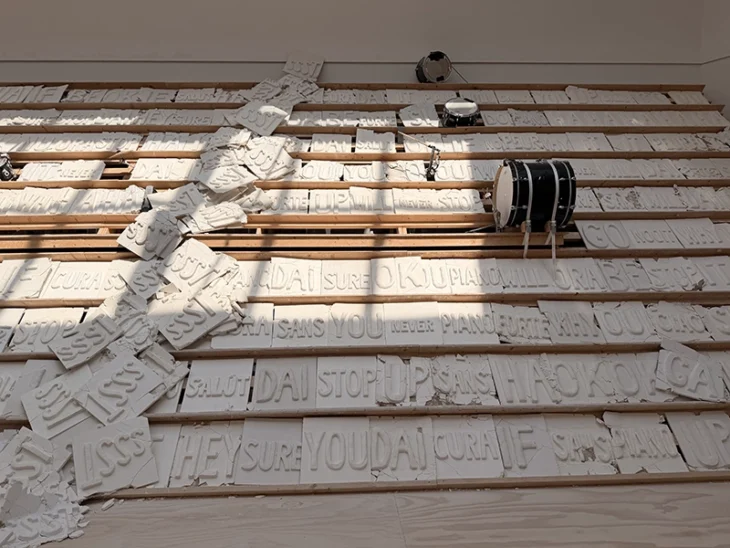
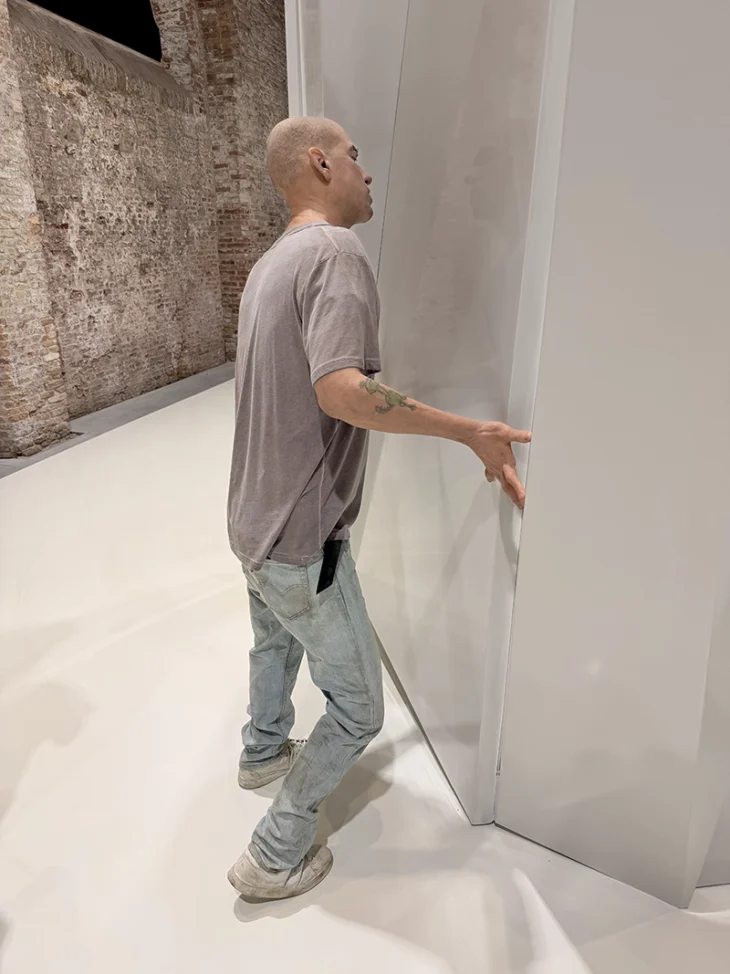
The question three months later therefore concerns what survives initial attention. In Minor Keys does not resolve the political contradictions surrounding the Biennale, and its emphasis on restoration and contemplation cannot escape them. Its stronger proposition lies elsewhere: in asking whether attention itself can resist a culture built around immediate reaction.
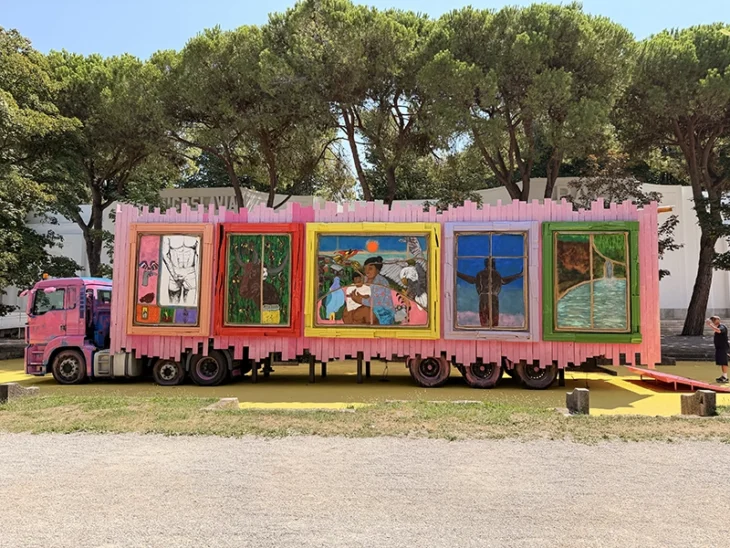
Once the noise recedes, the Biennale becomes less about deciding which pavilion won the week and more about discovering which works continue to return to mind. Kouoh’s exhibition asks visitors to stay with uncertainty, memory, grief, pleasure, and collective knowledge without forcing them into a single argument. In August, with Venice removed from the frenzy of May, that invitation may finally have the conditions it needs.