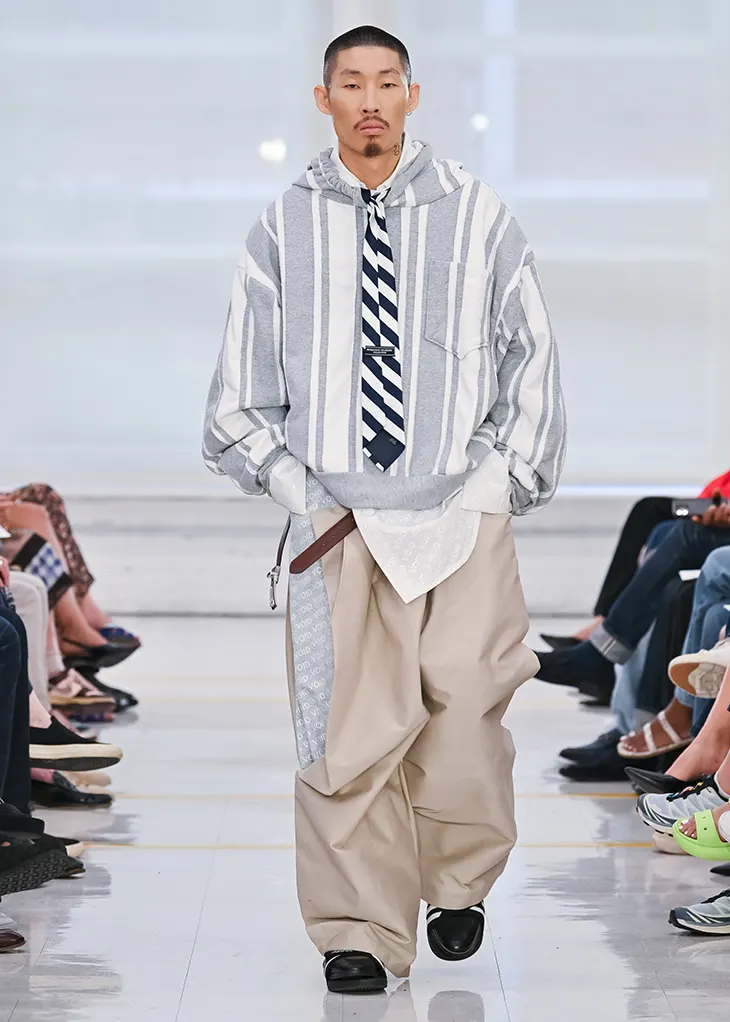



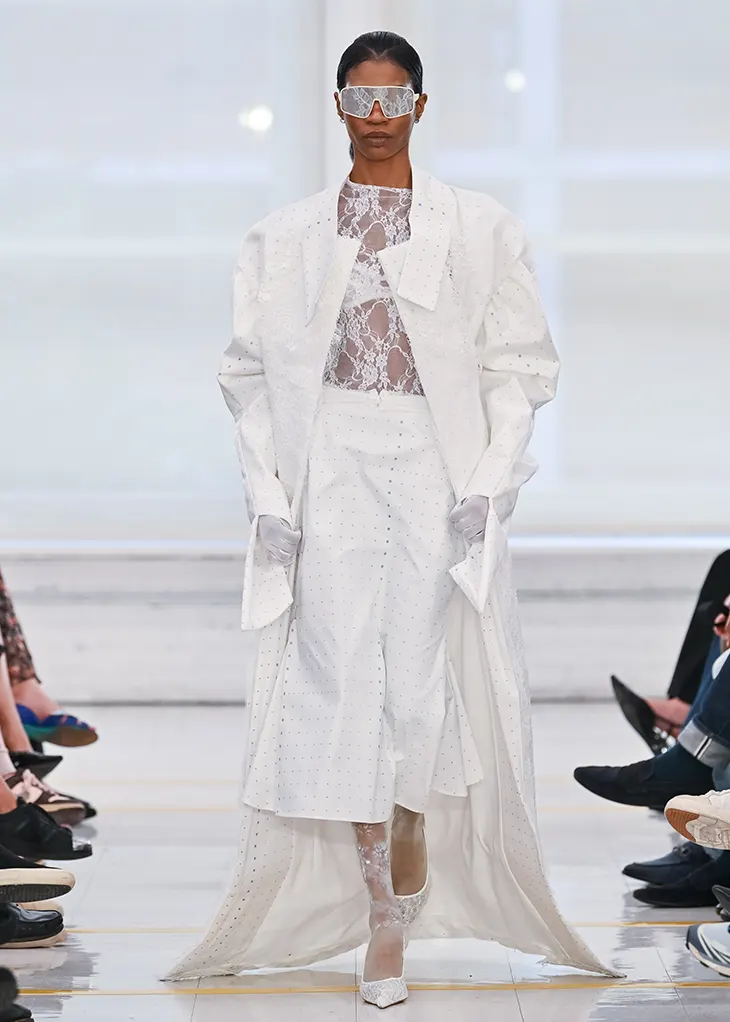
Parsons School of Design’s MFA Fashion Design and Society presents GEN 15, the 2026 graduate runway show featuring collections by the program’s graduating designers. The presentation takes place inside the studios where the students developed their work, turning the same environment used for research, fittings and construction into the setting for the collections’ public debut.
SPRING SUMMER 2027
Following the runway, a showroom gives visitors a closer view of the garments and materials. This second format allows the collections to function beyond the pace of a runway presentation and gives audiences more time to examine construction, textiles and individual design decisions.
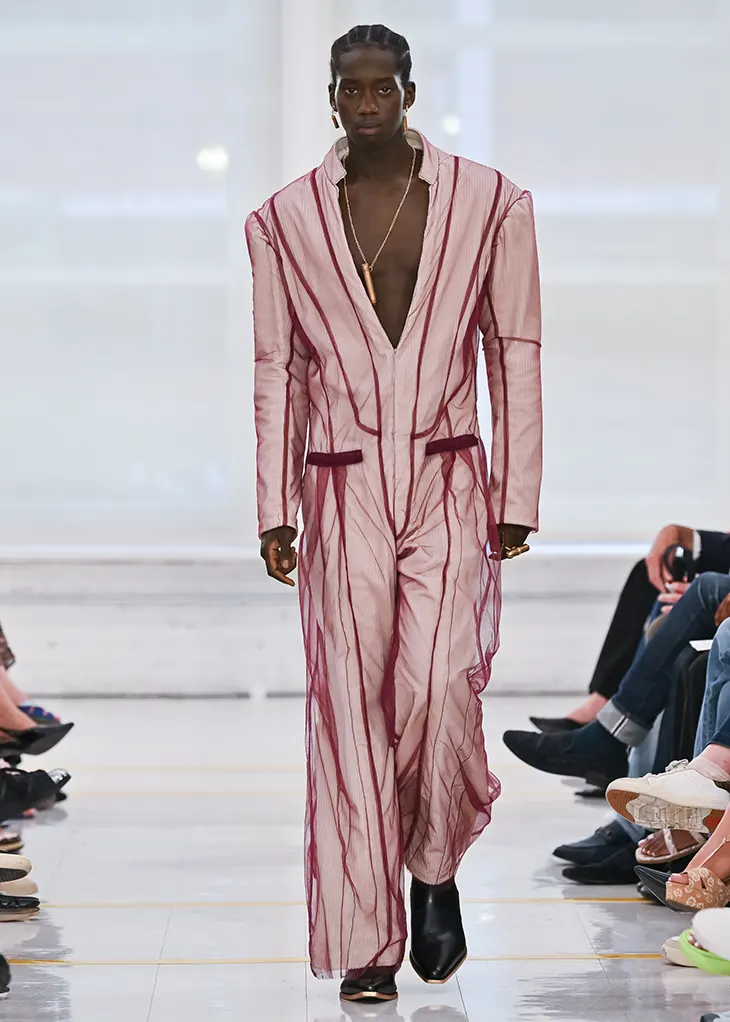
GEN 15 brings together a cohort with varied practices, identities and research interests. The designers draw from personal histories, cultural memory and social experience, using fashion as a means to examine identity, materiality, the body and modes of making. Their references range from French-Canadian legend and the African diaspora to Pakistani folklore, post-Soviet domestic life, Black American identity, Indian dress, Scandinavian Romanticism, New York nightlife and childhood memory.
Each designer develops these references through a contemporary perspective. Cultural and personal sources become material for new forms, silhouettes and techniques, allowing the collections to address memory without treating it as fixed. The result brings multiple design languages into the same presentation while preserving the specificity of each practice.
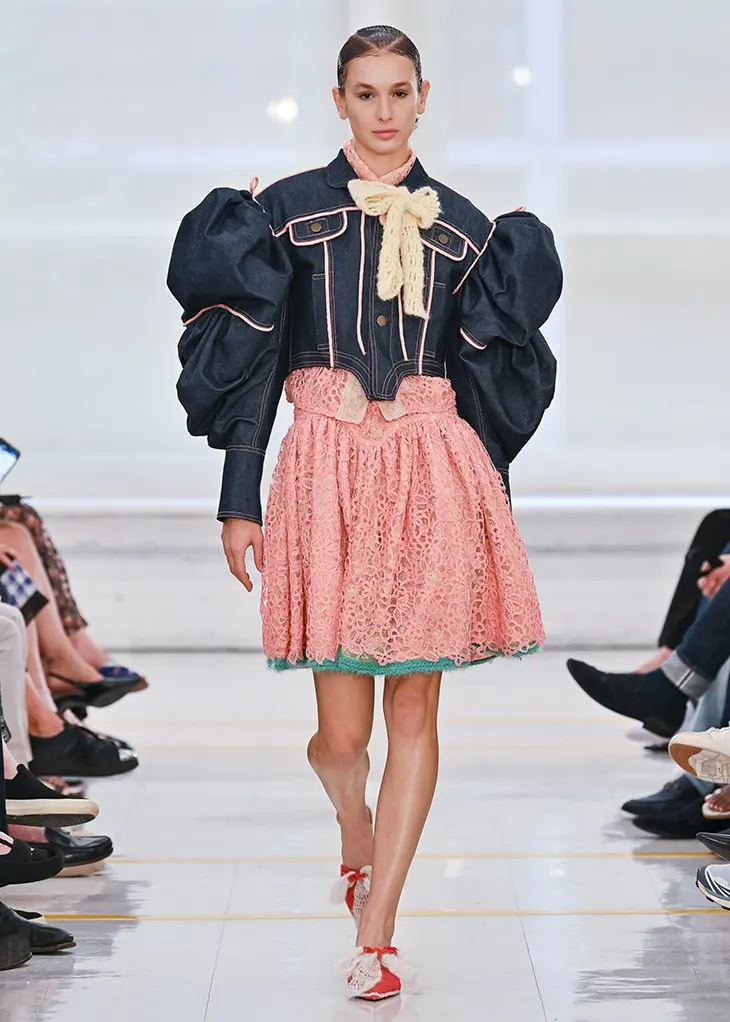
Material research plays a central role throughout the graduate collections. Traditional tailoring appears alongside deconstruction, while leatherwork, knitwear, embroidery, draping, woodworking, printing, upcycling and 3D technology broaden the range of processes on display. Designers work with secondhand garments, deadstock textiles, reclaimed materials and hand-developed fabrics, often allowing the source and previous use of a material to influence the final garment.
Construction techniques also shape how the collections engage with the body. Designers exaggerate, distort, cover, expose and reshape silhouettes as they examine femininity, masculinity, labor, desire, vulnerability and belonging. These experiments change familiar proportions and question established expectations around how clothing should sit on or relate to the wearer.
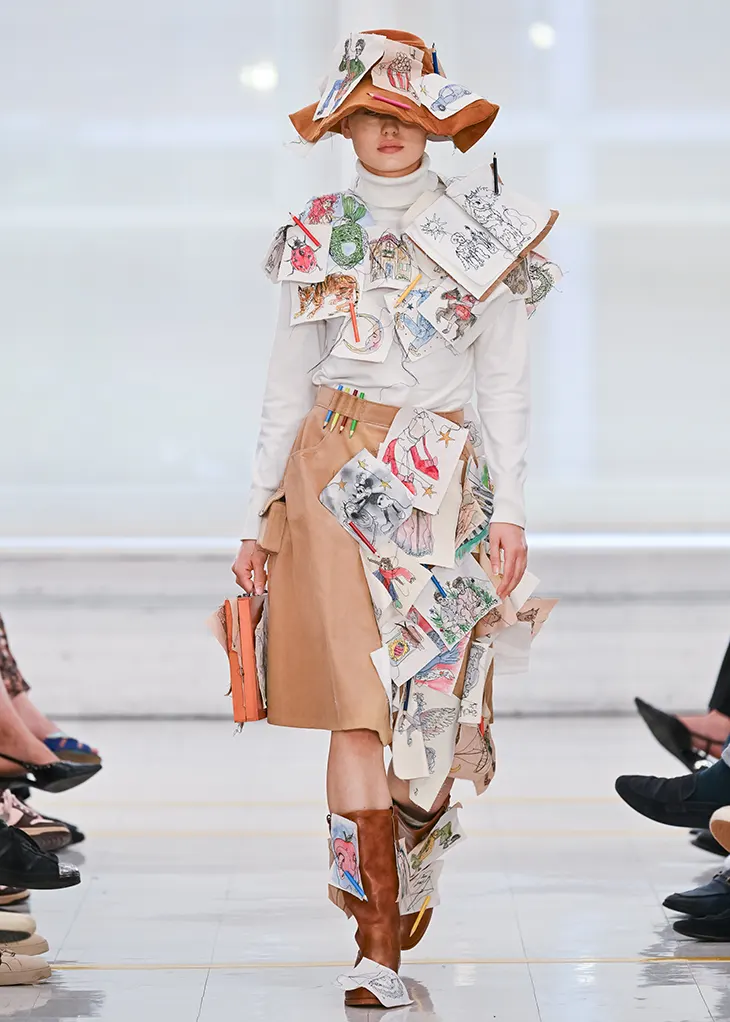
Recognizable wardrobe archetypes provide another point of departure. Corporate uniforms, prep-school tailoring, motorcycle clothing, sportswear, historical dress and everyday denim appear throughout the collections in altered forms. Designers cut into these codes, shift their proportions and reconsider their functions to develop new relationships between clothing, identity and social expectation.
GEN 15 does not follow a single visual direction. Instead, the graduating designers use fashion to communicate through distinct approaches to research, memory, culture and material. The runway and showroom place these individual practices alongside one another, presenting a graduating class focused on experimentation and on developing its own methods of making.