


Apple MacBook Air enters a new chapter with the introduction of the M5 chip, bringing faster performance, expanded AI capabilities, and more storage to the company’s most widely used laptop. Available in 13-inch and 15-inch versions, the new model keeps the familiar thin aluminum design while upgrading the internal architecture in ways that matter for everyday work, creative tasks, and emerging AI workflows.
TECH
At the center of the update sits the new M5 processor. The chip features a 10-core CPU and up to a 10-core GPU, supported by a Neural Accelerator integrated into each core. Apple positions this architecture as a significant leap for machine learning and AI tasks performed directly on the device. Tasks such as local large language model processing, image manipulation, or video enhancement run dramatically faster compared with previous MacBook Air generations. Apple reports performance improvements reaching up to four times faster AI processing than M4-based models and nearly ten times faster than systems powered by the M1 chip.
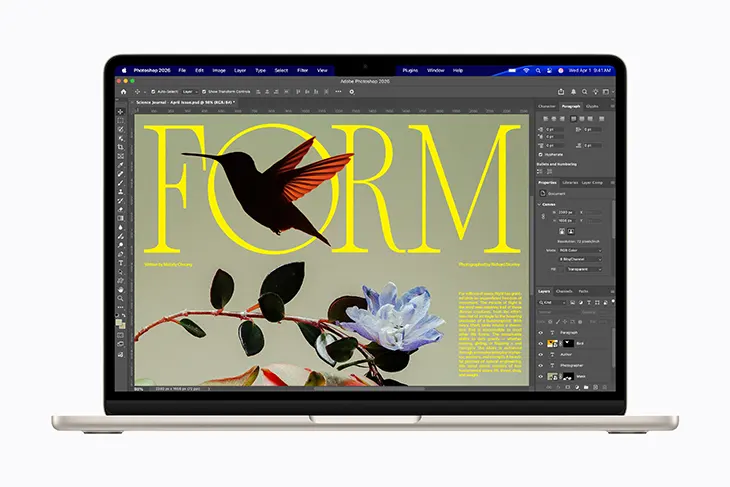
The graphics side of the chip also receives meaningful improvements. Enhanced shader cores and a third-generation ray-tracing engine support heavier visual workloads including 3D modeling, rendering, and gaming. Applications such as Blender benefit from this upgrade, with rendering speeds significantly faster than earlier MacBook Air models. Unified memory bandwidth now reaches 153GB per second, improving responsiveness when handling multiple applications or large creative projects.
Storage marks another major shift in the new MacBook Air. Apple now ships the laptop with 512GB of SSD storage as the standard configuration, doubling the previous entry capacity. The internal drive also operates at higher speeds, offering read and write performance up to twice as fast as the earlier generation. Users working with large photo libraries, design files, or video footage will notice faster file transfers and quicker project loading times. Apple also introduces a new maximum storage configuration of 4TB, expanding the Air’s capabilities for professionals who prefer to keep large files locally.
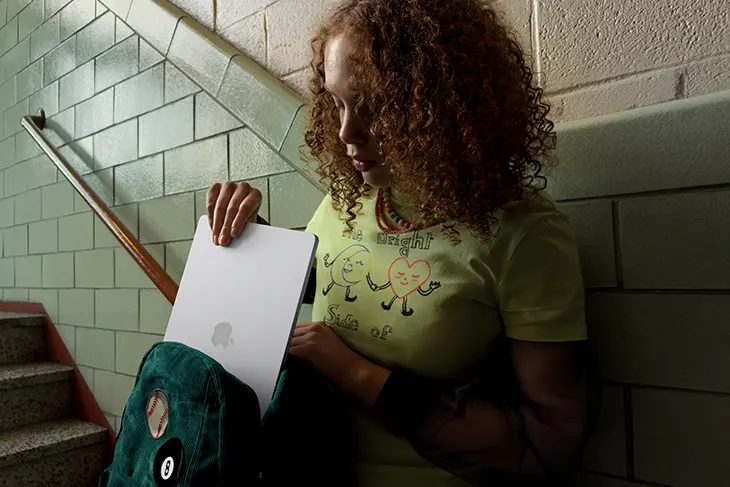
Design remains one of the defining strengths of the MacBook Air. Apple continues to use a thin, lightweight aluminum enclosure that feels durable while remaining portable enough for daily travel. The laptop operates without a cooling fan, allowing completely silent performance during typical workloads. Buyers can choose between four colors: sky blue, midnight, starlight, and silver.

The display continues to use Apple’s Liquid Retina panel, available in 13.6-inch and 15.3-inch sizes. The screen supports one billion colors and reaches brightness levels up to 500 nits, producing sharp text and vibrant visuals suitable for creative work and media consumption. The larger 15-inch model offers additional workspace for multitasking while preserving the portability expected from the Air lineup.
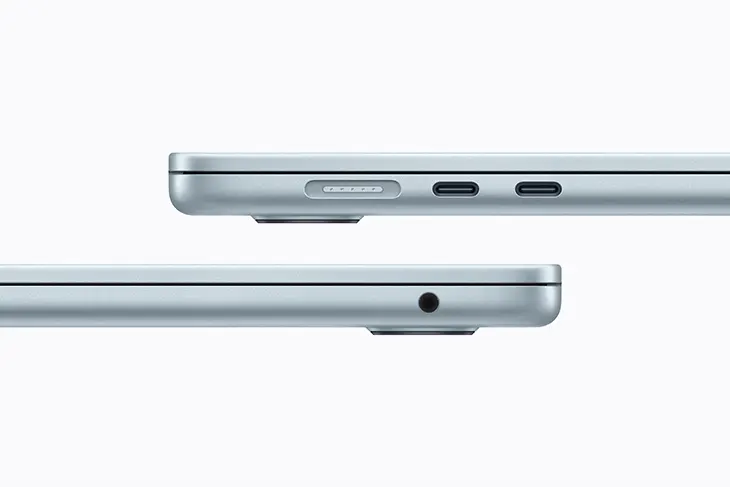
Apple also upgrades connectivity with the introduction of its new N1 wireless chip. This component enables Wi-Fi 7 and Bluetooth 6, bringing faster network speeds and improved reliability when working on the move. Physical connectivity includes two Thunderbolt 4 ports for accessories and support for up to two external displays. MagSafe charging remains part of the design, allowing the laptop to detach safely if the power cable is pulled.
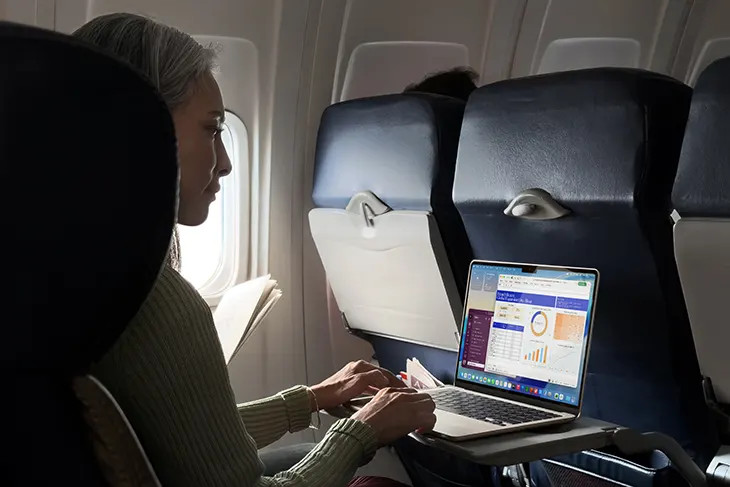
Battery life continues to rank among the strongest features of the MacBook Air. Apple estimates up to 18 hours of usage on a single charge, which makes the laptop capable of handling a full day of work, travel, or study without needing a charger.
The new MacBook Air also benefits from macOS Tahoe, which introduces additional customization options and new Apple Intelligence features. Built-in capabilities include real-time translation in Messages, improved task management in Reminders, and automation tools powered by on-device AI models. Continuity features also expand integration with iPhone, allowing users to answer calls or monitor live notifications directly from the Mac.
From an environmental perspective, Apple continues its push toward sustainability. The new MacBook Air contains 55 percent recycled materials, including fully recycled aluminum in the enclosure and recycled cobalt in the battery. Apple also reports increased use of renewable energy across the supply chain as the company moves toward its carbon-neutral goals.
With stronger performance, larger base storage, faster connectivity, and expanded AI processing, the MacBook Air with M5 refines a formula that already dominated the laptop market. The update focuses on meaningful internal improvements while maintaining the portability and design that made the Air the default laptop for students, professionals, and everyday users alike.