


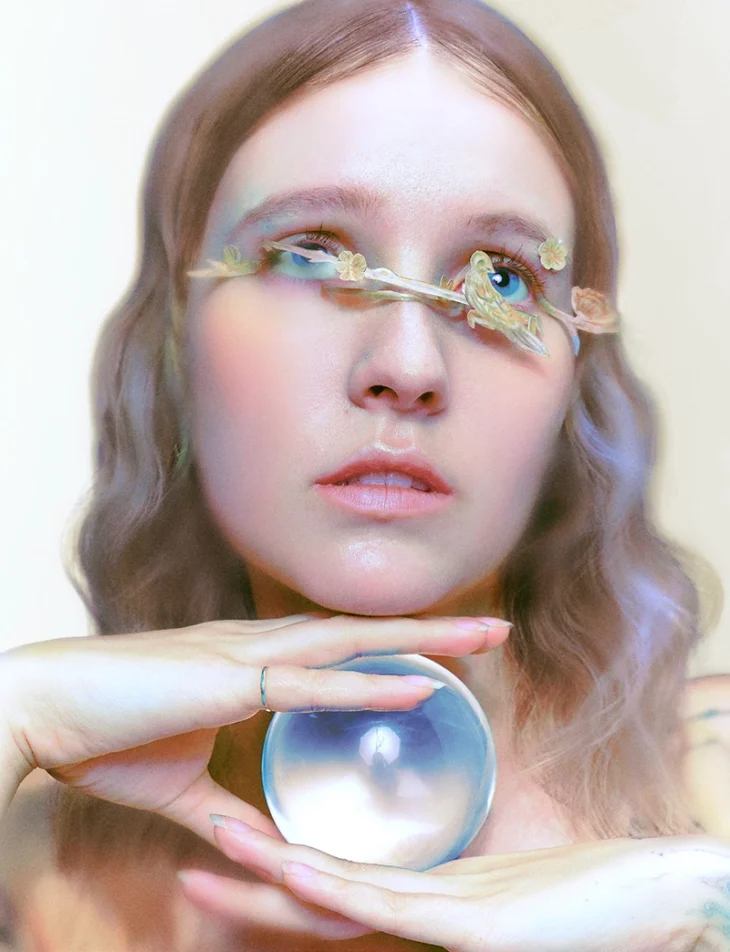
Small in scale yet dense in meaning, snuff bottles carry a history shaped by touch, ritual, and ornament. In “Touch Tint Trace,” visual artist Yuchen Li (Moxi) and makeup artist Kyra Lui translate these objects into a living surface, using the human face to explore their form, function, and emotional weight.
ORDER IN PRINT AND DIGITAL
Once used in late Imperial China to store tobacco for medicinal purposes, snuff bottles evolved through their intricate carvings and painted motifs into objects valued as much for their visual language as for their use.
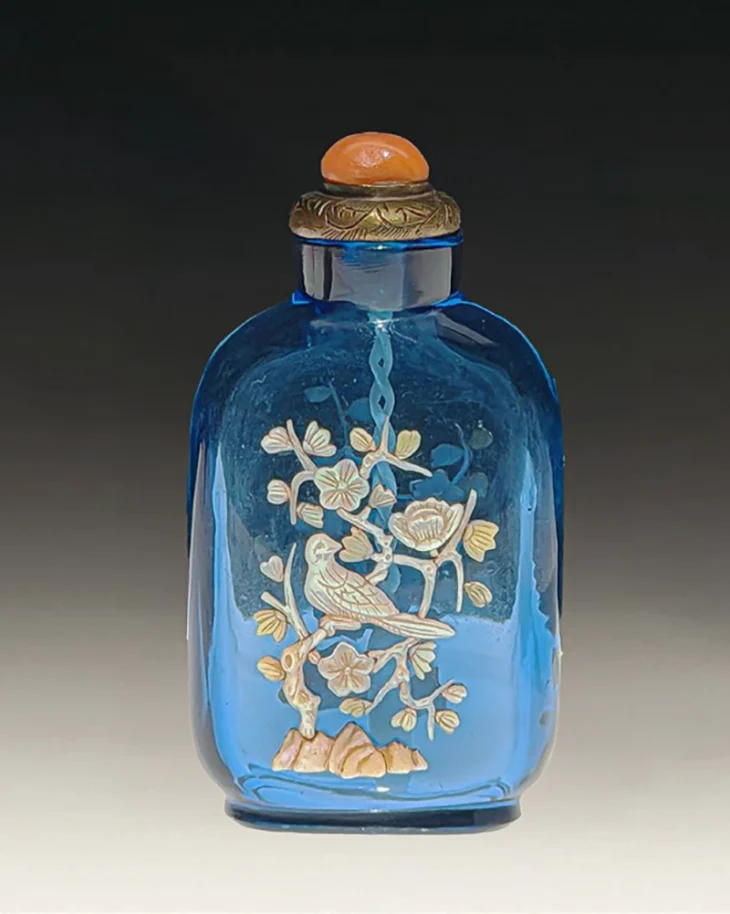
“A collection of pocket-sized objects, each carrying the weight of time, a cultural gift of depth and richness, worn close to the skin.” These are the words chosen by the co-authors of “Touch Tint Trace,” visual artist Yuchen Li (Moxi) and makeup artist Kyra Lui, to describe the subject of their digital paintings: snuff bottles.
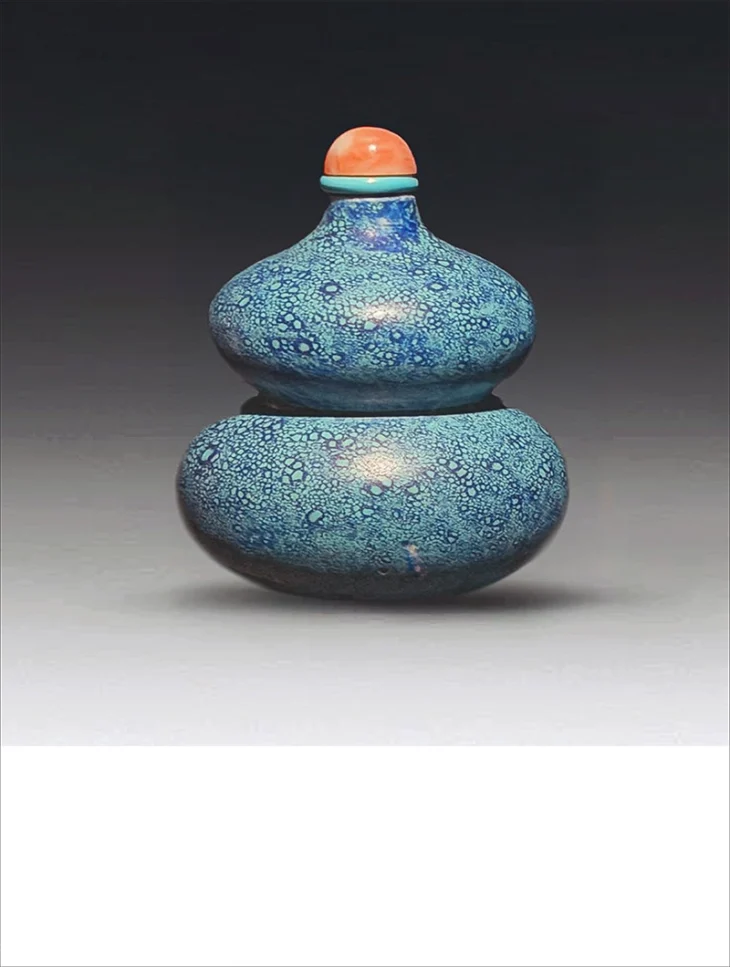
Although these pocket-sized containers once served in late Imperial China to store tobacco for medicinal purposes, their intricate carvings and painted motifs eventually elevated them beyond utility, transforming them into objects admired as works of art. It is precisely this intersection of function and aesthetics that informs “Touch Tint Trace,” where the human face becomes a canvas through which the language of the snuff bottle is reinterpreted.
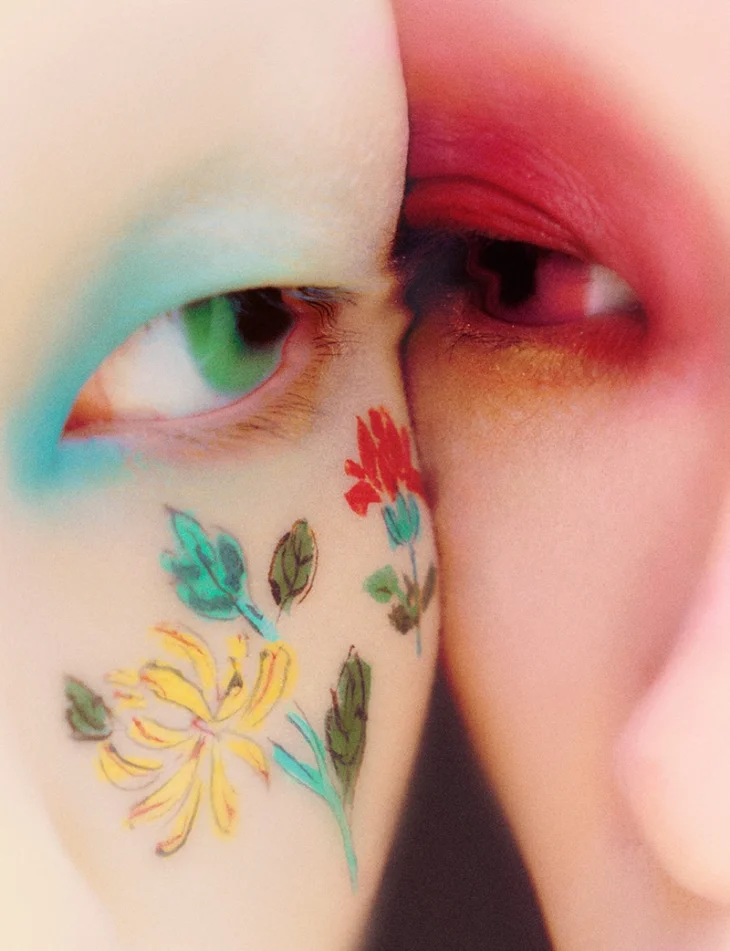
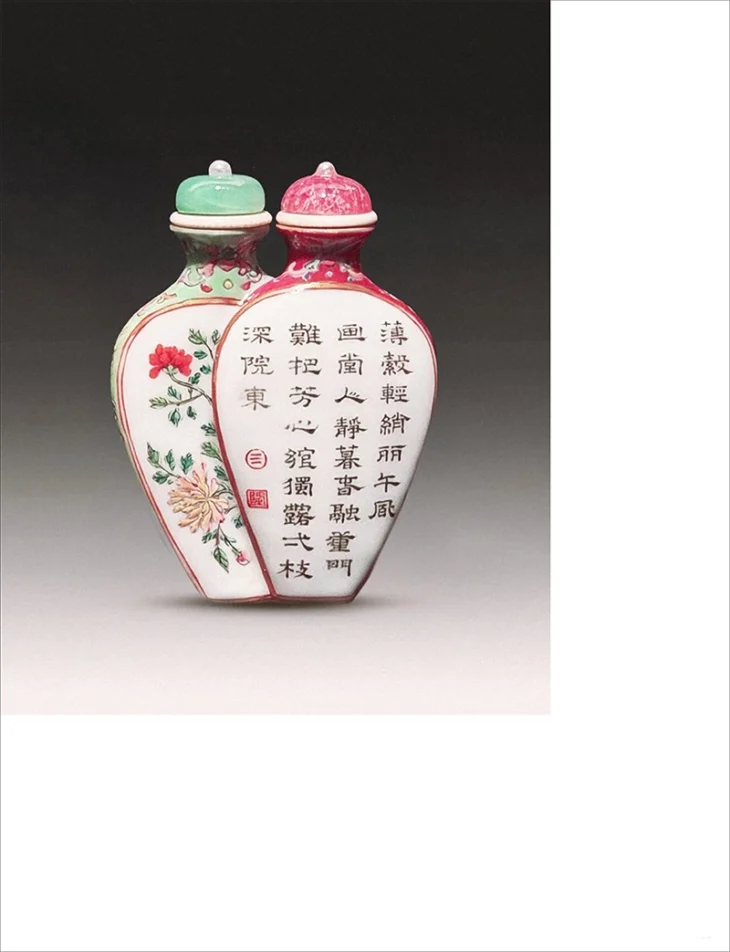
Inspired by the Fuyun Xuan Collection at the Hong Kong Museum of Art, Kyra first imagined snuff bottles as the basis for an artistic project after returning to her native Hong Kong from London. The vivid colours and ornate decoration contained within such miniature forms stayed with her, eventually finding a natural connection to her own medium: makeup. For Moxi, whose photographic practice frequently explores Chinese cultural narratives, collaborating with Kyra to reinterpret these historic objects through beauty photography became an organic extension of her work. “Touch Tint Trace” therefore examines more than the objects themselves, it opens a wider conversation about memory, identity, and cultural heritage.
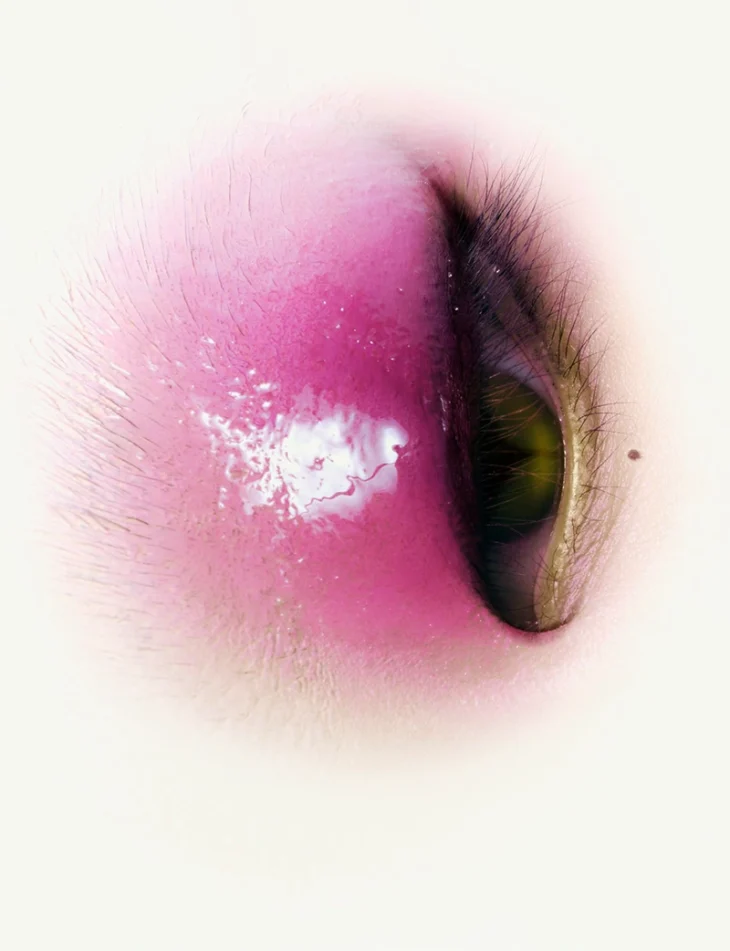
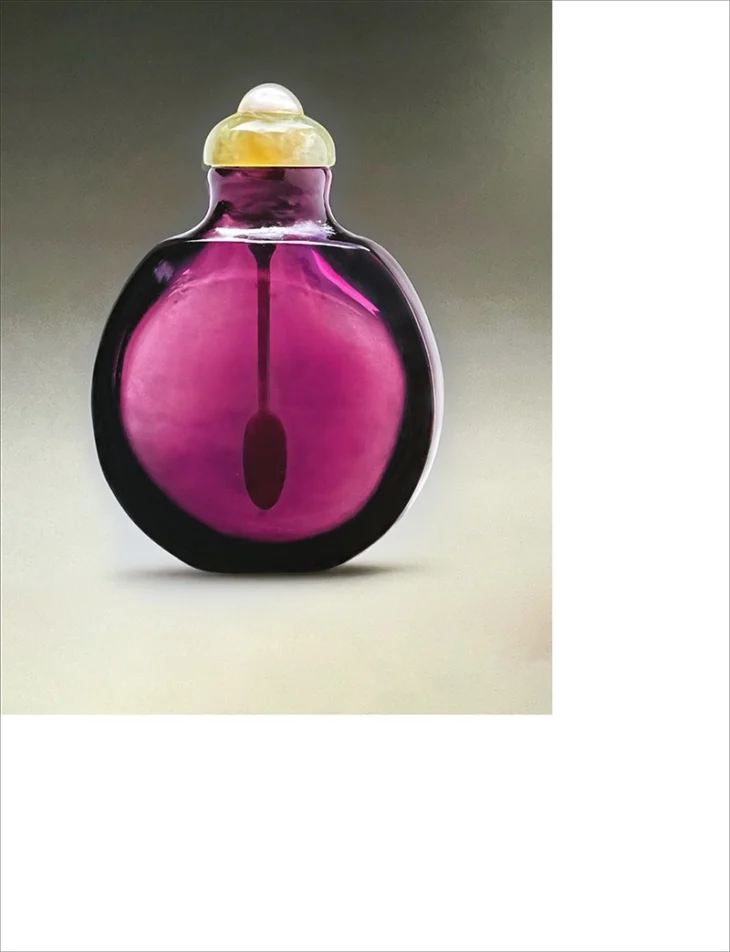
During the eighteenth century, snuff bottles circulated primarily within the Imperial court, where they signified privilege, exclusivity, and social status. By the nineteenth century, production expanded and the objects became more widely accessible, though they retained their original medicinal purpose. Because the powdered tobacco they contained came into direct contact with the skin, snuff bottles occupied an intimate place in daily life. As they gradually entered museum collections, that intimacy disappeared. Through the combined languages of makeup and photography, Moxi and Kyra seek to restore this personal relationship, returning the objects from the distance of the display case to the immediacy of the human body.
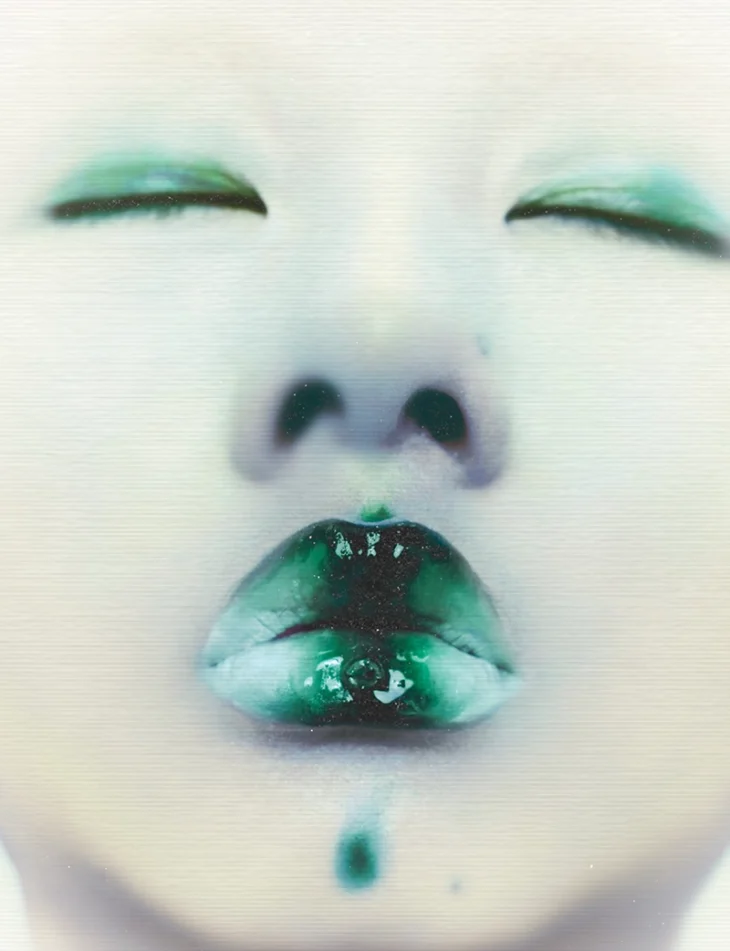
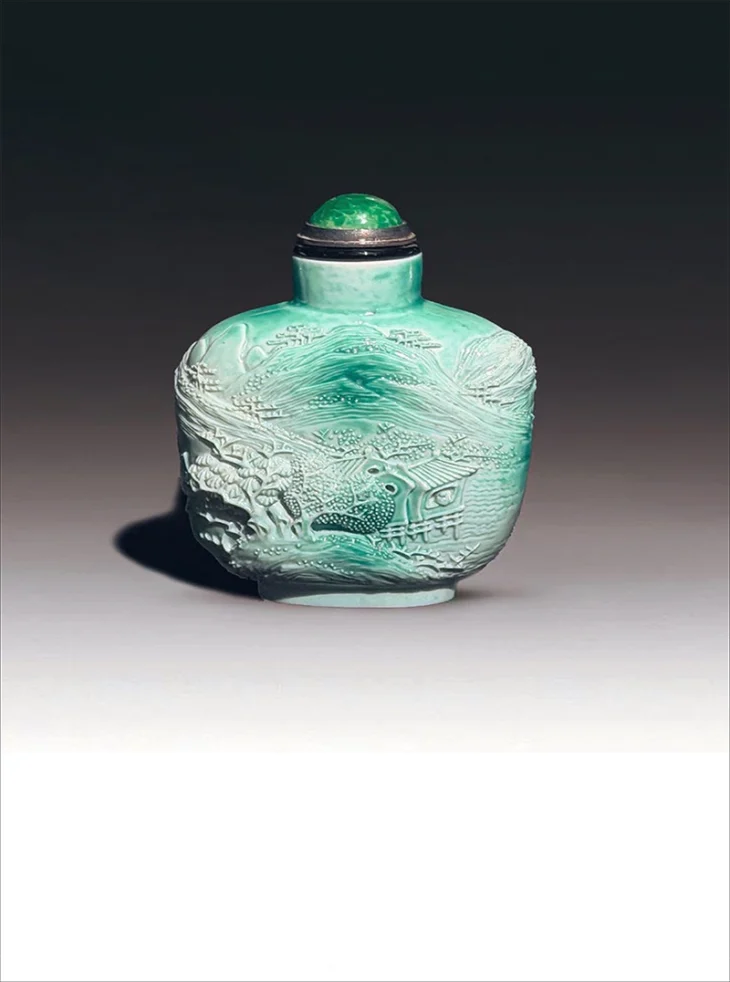
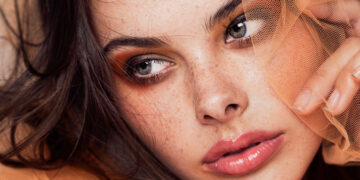
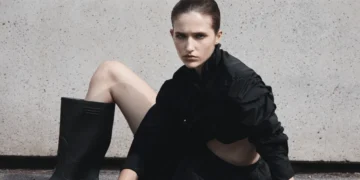
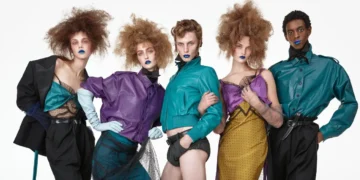
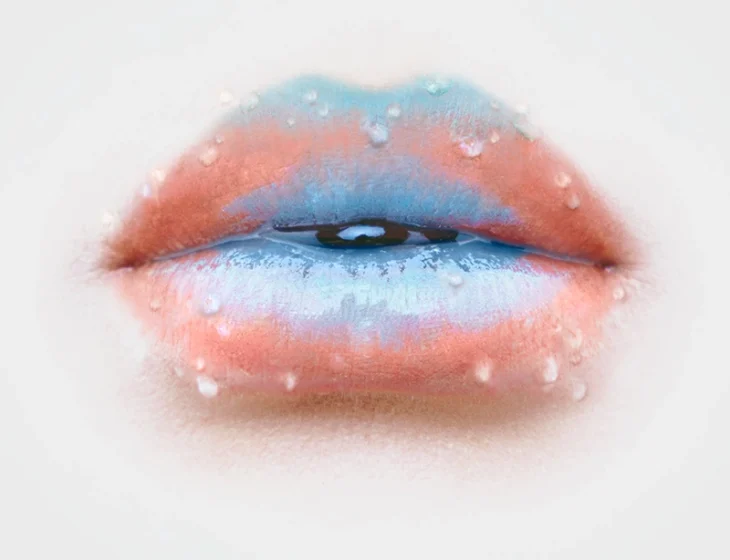
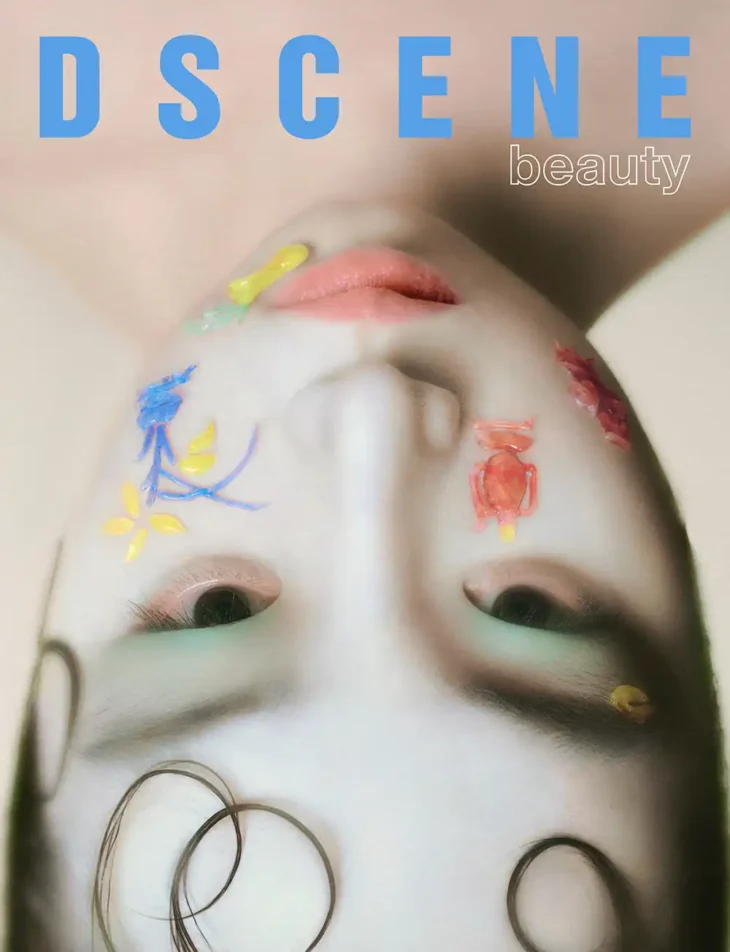
Across the series, six models embody the snuff bottles through carefully considered compositions that shift perspective, proportion, and scale. In several images, facial features directly echo the objects themselves: the eyes adopt the colours of the bottle caps, while the lips mirror the tones of the bottle bodies. Yet the work extends beyond literal resemblance. Rather than simply reproducing historical artifacts, the artists create images that evoke sensation and emotion.
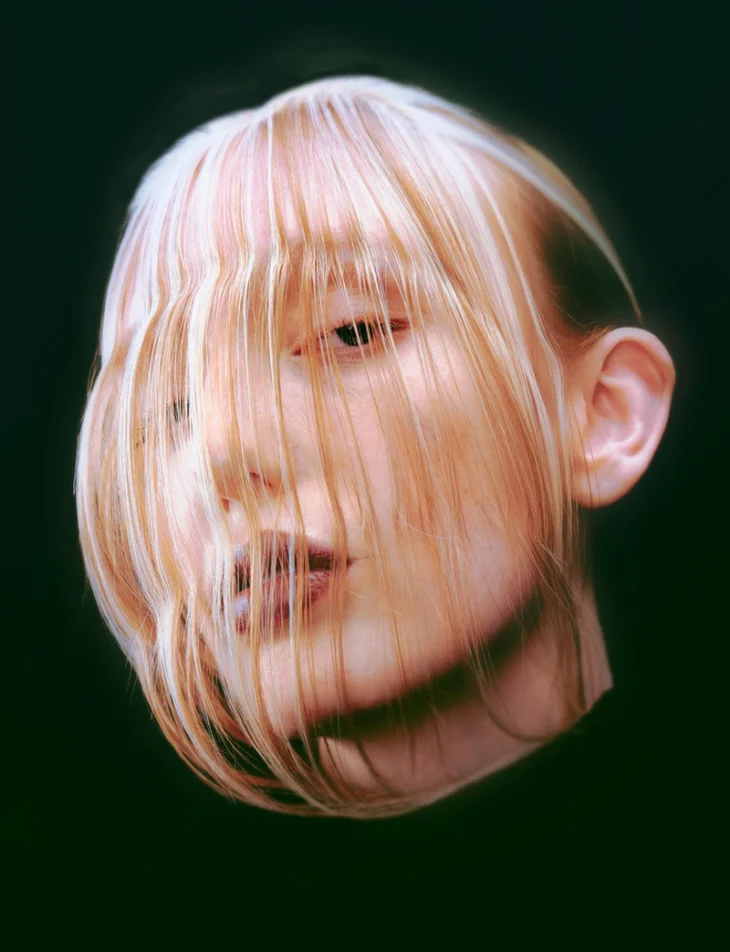
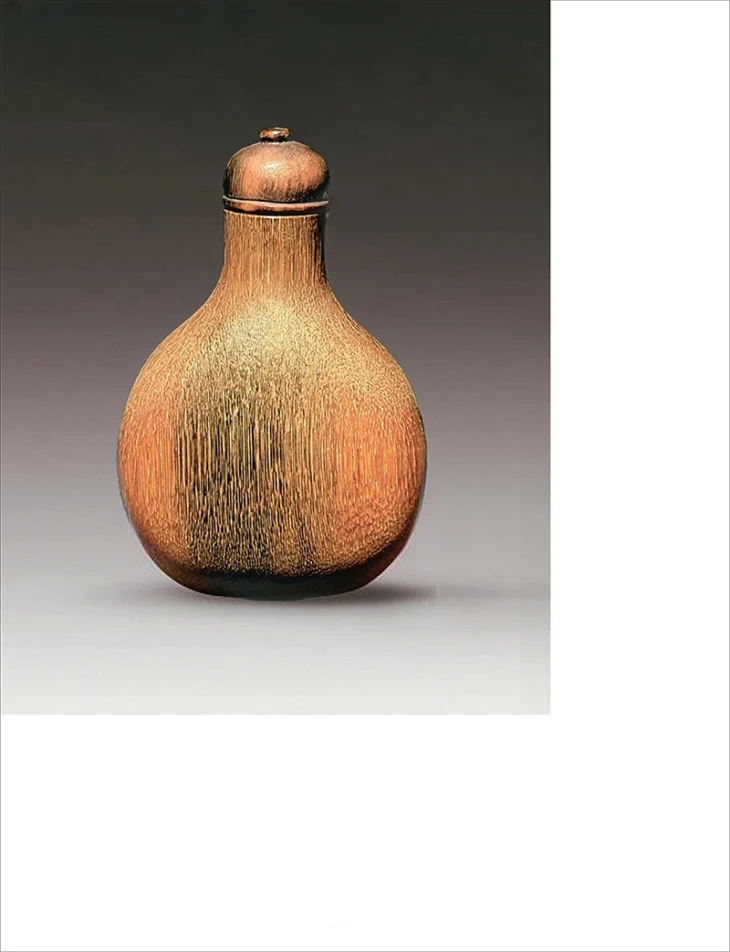
One composition places two models face to face, reflecting the duplicated form of paired bottles while suggesting intimacy through their shared gaze. Hair also becomes an essential material within the project. Working with hairstylists from France and Japan, Moxi and Kyra use strands of hair to recreate the irregular textures found on carved surfaces, allowing them to sweep gently across the face or obscure it entirely.
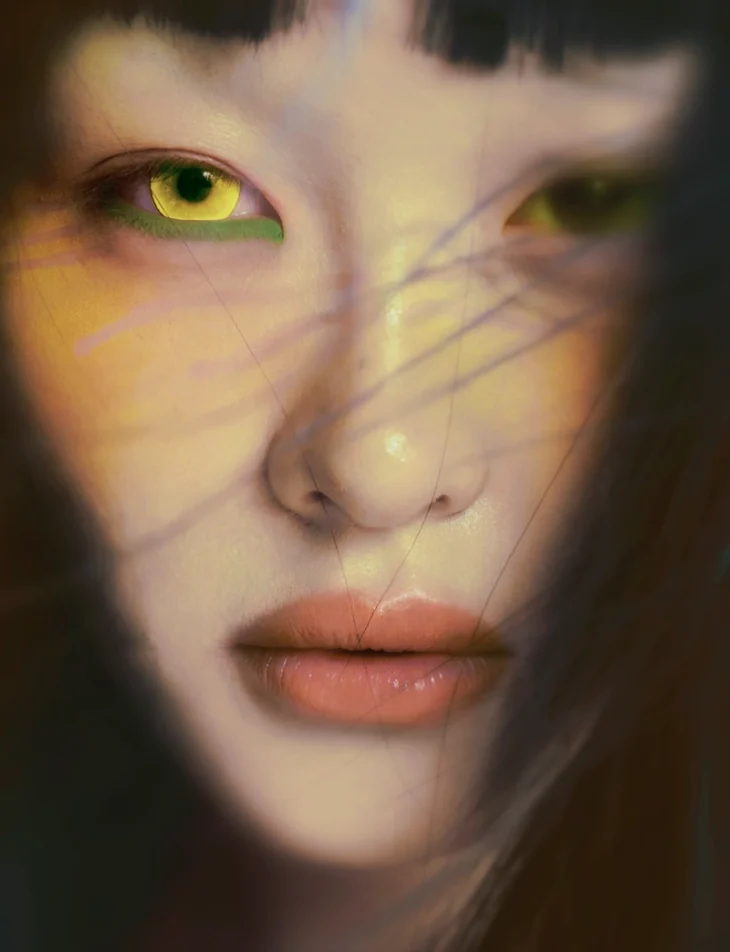
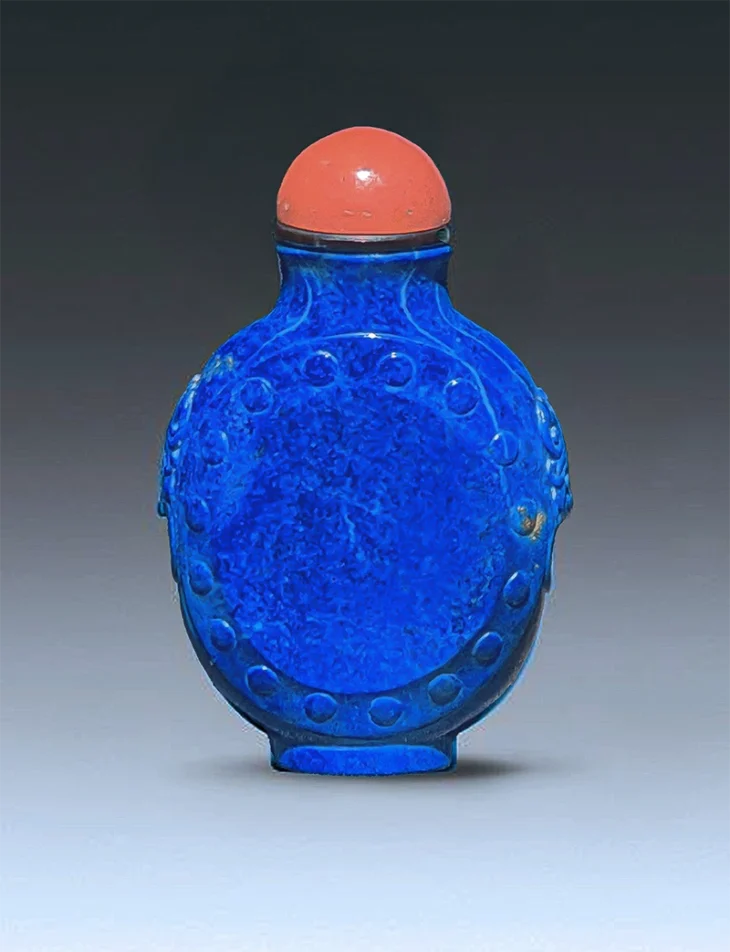
Ultimately, “Touch Tint Trace” demonstrates how makeup and photography can communicate not only the appearance of the snuff bottle but also its history, purpose, and emotional resonance. Rather than treating these objects solely as museum pieces or aesthetic references, Moxi and Kyra approach them as living cultural forms. Their images give the bottles presence and personality, restoring the physical intimacy they once held in everyday life. Through beauty photography, the artists move these historic objects beyond the museum, returning them to the body, the place where their story first began.
Words by CARLOTTA ROSE BUSETTO
Creative Directors YUCHEN LI (MOXI), KYRA LUI
Photographer YUCHEN LI (MOXI)
Makeup Artist KYRA LUI
Hair Stylists FABIEN PICOT, SAIKO HAYASHI
Models MINIE CHAN, JANE FU at XDIRECTN AGENCY, ERIKA
KAIJA WING LAI, JOHN LIU at Crumb Agency HAZEL STEFFEN at Genesis Model Management
General Assistant MINIE CHAN
Special Thanks BRIAN WONG, Hong Kong Museum of Art’s Staff/Team & Ruby