


The conversation around diamonds has changed dramatically over the past decade. Once considered a niche alternative, laboratory-grown diamonds have become a mainstream part of the luxury jewellery market, giving consumers more choice than ever before. While evolving grading standards have helped make comparisons easier, they are only one part of a broader shift driven by changing buying habits, accessibility and the growing acceptance of lab-grown stones.
Today, many jewellers present natural and lab-grown diamonds side by side, allowing customers to compare them using the same familiar quality measures. Rather than replacing mined diamonds, lab-grown options have expanded the market, creating new ways for people to approach one of life’s biggest jewellery purchases.
Speaking the same grading language
One important development has been the way leading gem laboratories assess laboratory-grown diamonds. Both the International Gemological Institute (IGI) and the Gemological Institute of America (GIA) now evaluate lab-grown stones using the same internationally recognised 4Cs – carat, colour, clarity and cut – that have long been used for natural diamonds.
Previously, laboratory-grown diamonds were often graded using different reporting systems, making direct comparisons less straightforward. Today, buyers can review certificates using the same grading language regardless of a diamond’s origin, while reports continue to clearly identify whether a stone is natural or laboratory-grown and note the production method.
For consumers, this creates a more transparent shopping experience. Two diamonds with similar grades can now be compared more easily, allowing purchasing decisions to focus on factors such as origin, budget, personal values and design preferences.
More choice for today’s jewellery buyers
The growing visibility of lab-grown diamonds reflects wider changes in consumer expectations. Many buyers are looking for greater flexibility when choosing engagement rings and fine jewellery, whether that means selecting a larger centre stone, prioritising higher clarity or exploring different price points.
Lab-grown diamonds have helped make these choices more accessible without changing the appearance or grading standards buyers have come to expect. As a result, many retailers now offer both natural and laboratory-grown collections, recognising that different customers prioritise different qualities in their jewellery.
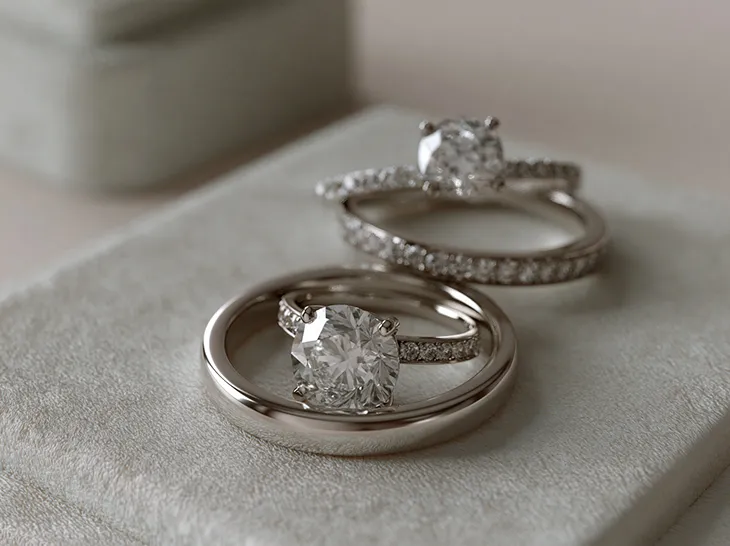
This shift can be seen across the industry, with jewellers increasingly creating collections that cater to a wider range of preferences. For example, an Adelaide jeweller offering both lab-grown and natural diamond engagement rings allows customers to explore both options alongside traditional engagement ring designs, helping them make a decision based on factors such as style, budget and personal values.
Rather than viewing the two categories as competitors, the industry increasingly presents them as distinct choices that appeal to different lifestyles and priorities. For some buyers, the appeal lies in the heritage and rarity of a natural diamond, while others are drawn to the accessibility and innovation of laboratory-grown alternatives.
A changing luxury landscape
The wider luxury jewellery market has gradually adapted to this shift. Lab-grown diamonds have moved beyond novelty status to become an established category, particularly within engagement rings and bridal collections, where they continue to gain popularity among first-time buyers.
Natural diamonds, meanwhile, continue to hold strong appeal for customers drawn to rarity, geological history and long-term heritage. For many luxury brands, offering both options allows them to reflect the increasingly diverse expectations of modern consumers without abandoning traditional craftsmanship or design.
This evolution mirrors broader trends across luxury retail, where personalisation and informed decision-making have become central to the shopping experience.
Transparency remains essential
Although grading systems have become more consistent, clear communication remains an important part of the purchasing process. Jewellery retailers are expected to identify whether a diamond is natural or laboratory-grown in both marketing and certification, ensuring customers understand exactly what they are buying.
For many shoppers, the distinction is less about appearance than about the story behind the stone. Some value the natural origins and rarity of mined diamonds, while others are attracted to the accessibility and technological innovation represented by laboratory-grown alternatives.
As consumer awareness continues to grow, knowledgeable guidance has become just as important as the certificate accompanying the diamond.
The future of fine jewellery
The rise of lab-grown diamonds reflects a broader transformation within the jewellery industry rather than a single turning point. Changes to grading standards have made comparisons easier, but consumer demand, technological advances and evolving attitudes toward luxury have all contributed to the market’s direction.
Instead of replacing natural diamonds, lab-grown stones have expanded the range of possibilities available to buyers. The result is a jewellery market that offers greater flexibility, clearer information and more personalised choices than ever before.
For today’s consumers, the future of fine jewellery is increasingly defined not by choosing one category over another, but by having the freedom to select the diamond that best reflects their style, priorities and values.






good jewellery is the best investment 👑👑