


From fashion editorial at V Magazine to agency work and now co-founding proof of concept, Shibo Chen has built a career around one conviction: great work happens when you bring together the right people and get out of their way. DSCENE Editor In Chief Zarko Davinic spoke with him about his new curatorial project, project. extraordinary, why emerging talent matters, and how art direction has evolved in 2026.
You’ve worked across multiple publications, also contributed to DSCENE and MMSCENE magazine, and now in the agency world. How has each experience shaped your approach to art direction, and what made the shift to agency work feel like the right move? – My years in fashion editorial, particularly at VMan and V Magazine, grounded me in concept-driven storytelling. That’s where I learned to value strong ideas, distinctive visual language, and narratives that feel authored and specific. I’m proud of the collaborative process, working with photographers, stylists, and other creatives to build images with a clear point of view.
One thing that has always stayed with me is the desire to work with emerging talent, people whose voices I believe will shape the future of the industry. That editorial mindset became the foundation of how I approach art direction today.
As my career evolved and I moved into the agency world, I became more interested in bringing that editorial way of thinking into commercial projects, finding ways to translate bold concepts and distinctive visual languages into work that can reach a much broader audience.
That ambition is what led me to co-found proof of concept with Brian Kang. We wanted to build a platform for concept-driven storytelling while bringing together emerging creatives and creating a space where their voices and perspectives can truly shine. Alongside that, project. extraordinary is my own curatorial project, a personal step that kicks off the platform. In many ways, it brings together everything I’ve been interested in throughout my career.
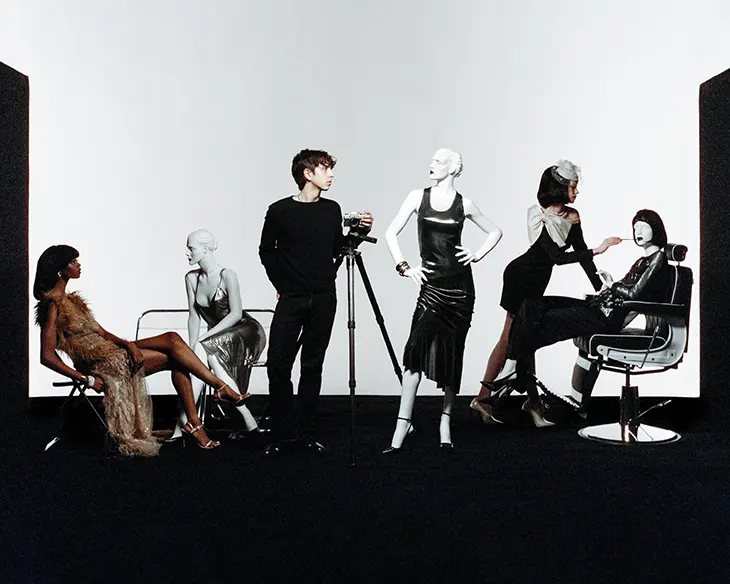
How do you define the role of an art director in 2026? Has it evolved from when you started – Ideas are always the foundation. Great work begins with a strong concept.
What has evolved for me is realizing that an idea alone isn’t enough. The real work is finding the right collaborators, guiding the creative process, and protecting each person’s unique voice throughout the project. I always say I’ll fail as an art director if, in the end, the team’s unique voice gets lost, and the pictures look like it could have been made by any other team. My responsibility is to create an environment where every collaborator can bring their strongest work while still serving a shared vision.
That’s one reason project. extraordinary means so much to me. The one thing I told every contributor was: “Make sure this work represents you as an artist. I want to see your visual language.” To me, that’s what art direction is today: building a strong concept, bringing together the right people, and making sure every collaborator’s voice remains authentic in the final work.
What sparked the idea for this project, and why did transforming everyday objects feel like the right conceptual anchor? – At my core, I’ve always been drawn to editorial, its beauty, its authenticity, and the thrill of building images that feel both intentional and alive.
That instinct is really what led me to create this project. I also wanted an opportunity to collaborate with photographers and creatives whose work I’ve admired for a long time. I thought, why not simply reach out and see what happens?
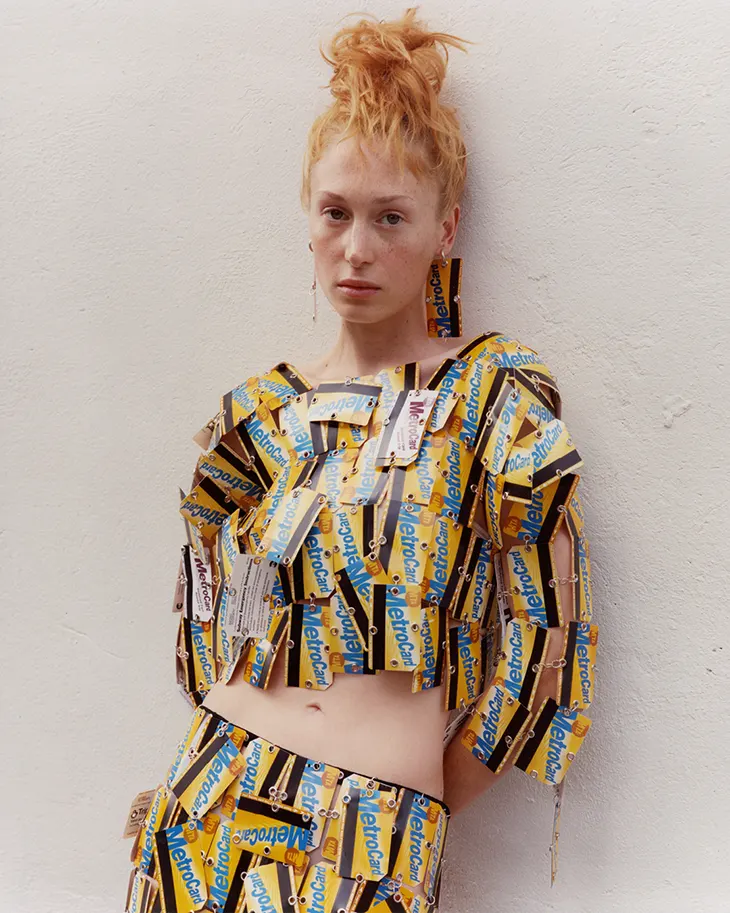
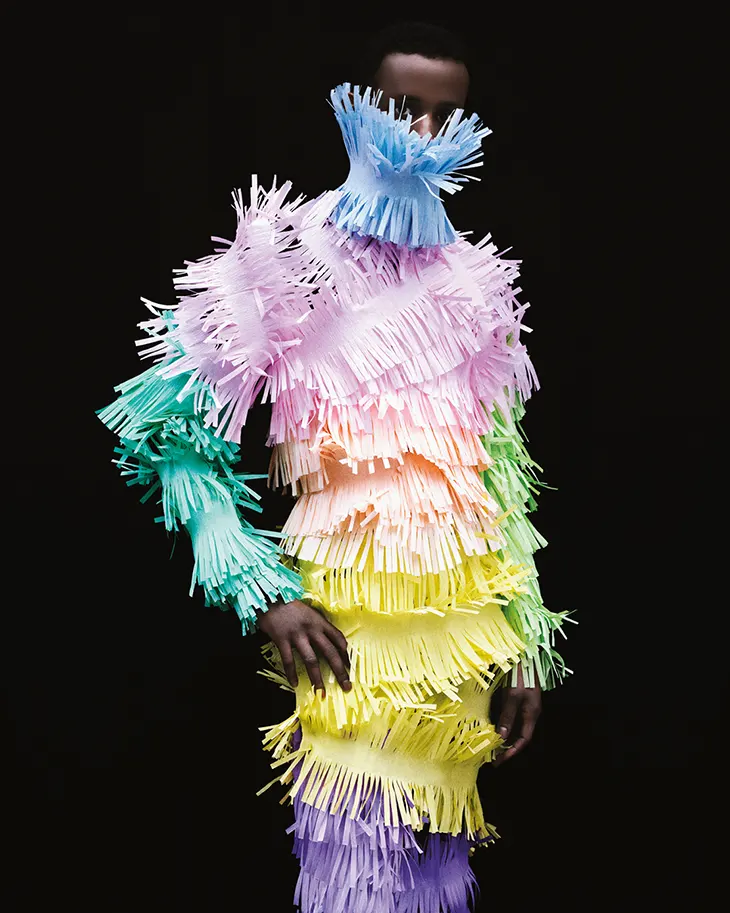
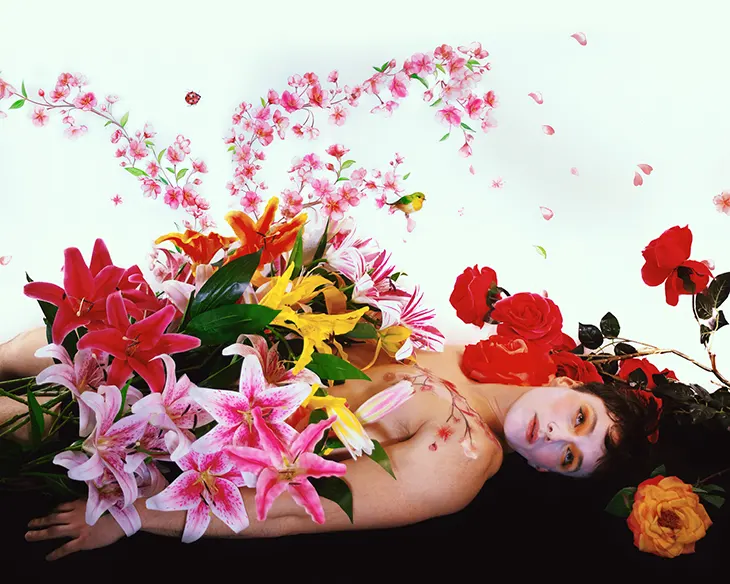
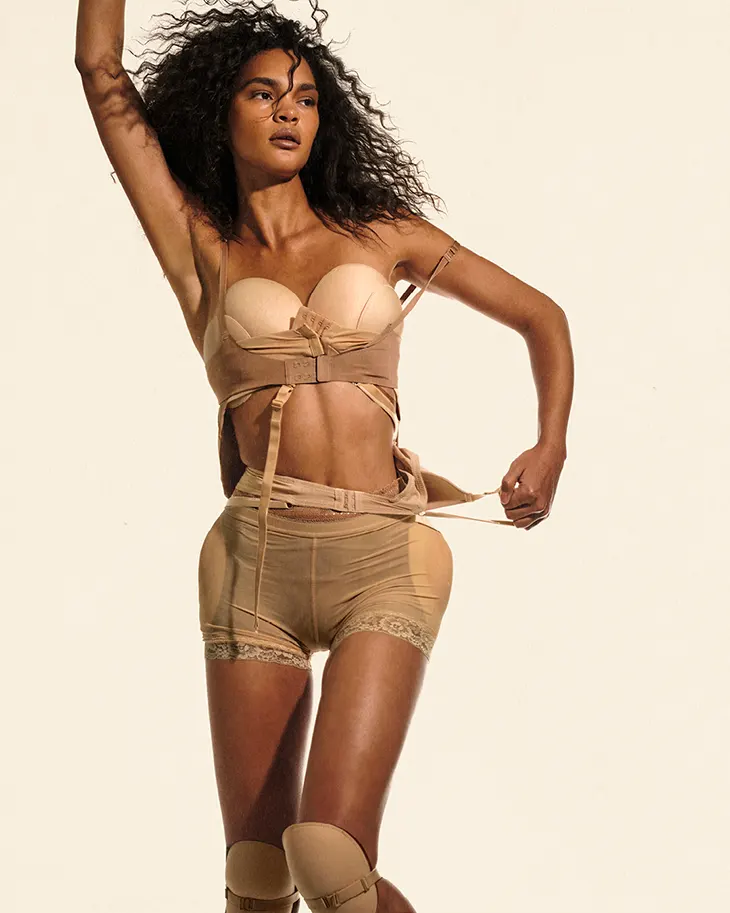
The idea of transforming everyday objects felt right because it’s really about perspective. Every contributor approached the theme differently. They each took something familiar and reshaped it into something striking, unexpected, deeply personal, and expressive.
For me, the project isn’t really about objects, it’s about showing how creativity has the power to completely transform the way we see the world.
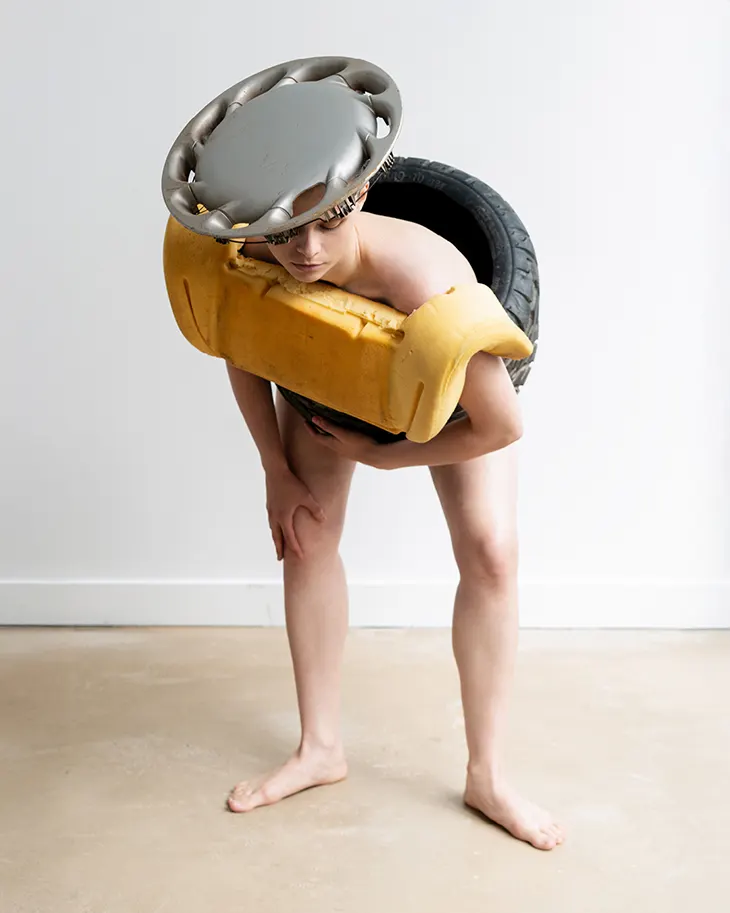
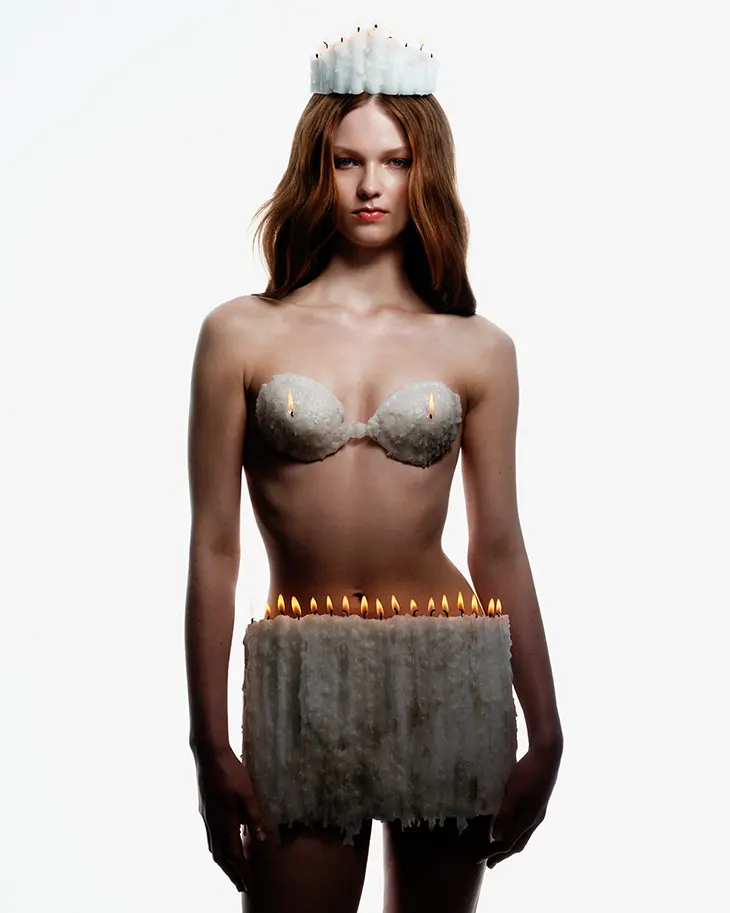
How did you approach bringing together 13 international creatives while maintaining a cohesive artistic vision? – Everyone is responding to the same strong concept while interpreting it through their own creative language. That’s really important to me. I chose these 13 creatives because I genuinely admire and trust their work. The shared concept of transforming everyday objects became the thread that connected every story.
What I’m most proud of is that every project feels completely unique. You can recognize each contributor’s visual language, and yet when you experience the collection as a whole, it still feels cohesive. To me, that’s what successful collaboration and art direction look like.
The legends we admire today didn’t become legends overnight. They earned that status because, early in their careers, they brought something genuinely new to the industry.
You’ve been embedded in fashion media and now in the agency world. How do you see the fashion industry evolving, and where does art direction fit? – I think the fashion industry is always evolving, and what keeps it alive is new voices and new perspectives.
The legends we admire today didn’t become legends overnight. They earned that status because, early in their careers, they brought something genuinely new to the industry. I have enormous respect for the creatives who’ve shaped fashion for decades, but every one of them started as an emerging creative.
Now it’s our responsibility to ask: “Who’s going to shape the next chapter?” That’s where I think art direction becomes really important. It’s not just about making beautiful images, it’s about recognizing talent, bringing together the right teams, and creating opportunities for fresh perspectives to be seen. That’s also one of the reasons we started proof of concept. We wanted to create a platform where ambitious, concept-driven work and new creative voices could continue to grow.
I’m also incredibly grateful to DSCENE and MMSCENE Magazine for supporting me throughout my career. Your encouragement and belief in my work have truly meant a lot.
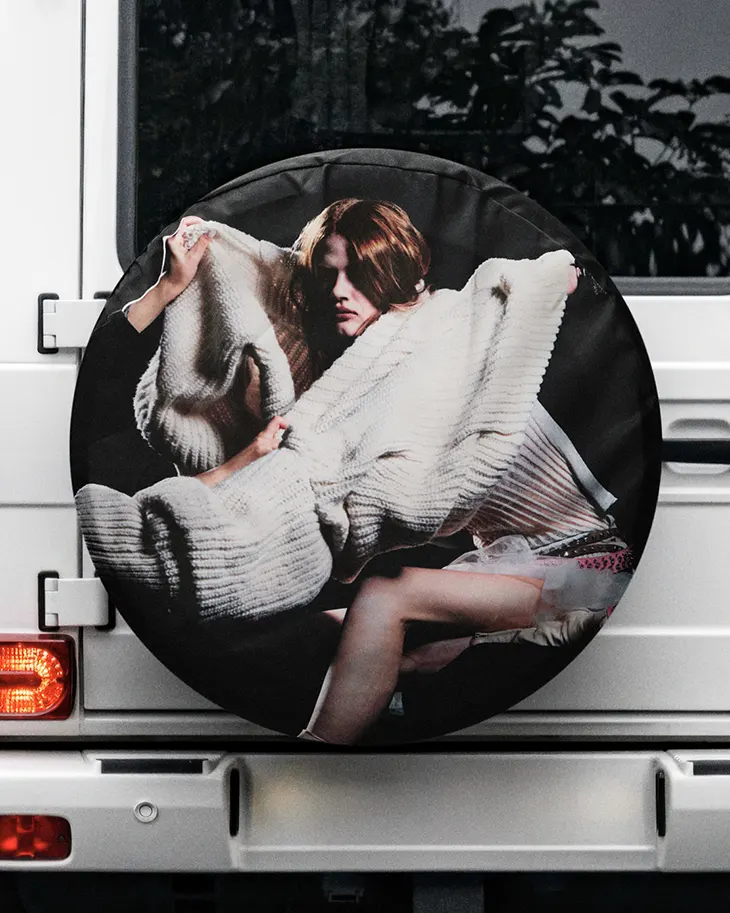
The loose-leaf format is unconventional. How does that reflect your thinking about how audiences engage with visual work? – Coming from an editorial background, I’ve always had a deep appreciation for print. In a digital world, holding a physical object still feels incredibly intimate and intentional. That’s something a screen can never fully replace.
Rather than presenting the work in a traditional bound photo book, I wanted to create an object that invited people to interact with it in different ways. The loose-leaf format allows every image to stand on its own. People can take out the photographs they connect with, display them on a desk, place them on a bookshelf, frame them, or rearrange them however they like.
In many ways, it reflects the spirit of the project itself. Every contributor has a distinct visual language, and this format gives each voice the space to exist individually while still belonging to a larger collection.
I’ve realized that every meaningful project is really a reflection of the people behind it.
How has New York shaped your artistic sensibility, and what does the creative community mean to your practice? – I’ve been fortunate to spend years working across publications and agencies, and throughout that journey I’ve met photographers, stylists, editors, artists, and creatives who constantly inspire and challenge each other. More importantly, I’ve been lucky to have people generous with their time and belief in my work. Czar Van Gaal, the editor-at-large of project. extraordinary, we first met when I was at V Magazine, and he helped me shape the language of the book. That kind of generosity has really made a huge impact on me. And to me, that’s what community means. Not just networking, but building relationships where people genuinely help each other grow and make the work stronger, which is also the kind of community I hope to build through proof of concept.
I’ve realized that every meaningful project is really a reflection of the people behind it. I genuinely couldn’t have made project. extraordinary without every single contributor who believed in the vision.
I’m incredibly grateful for their trust, generosity, and talent. To me, that’s what New York represents, a community that reminds you creativity has never been about one person. It’s always about collaboration.
Where do you see yourself and your work in the next year or two? Are there directions you’re exploring beyond agency work or collaborative projects like this? – Over the next couple of years, I really want to continue building proof of concept. Keep collaborating with emerging creatives whose work I genuinely admire and continue creating projects that feel thoughtful, ambitious, and emotionally resonant.
One of the most rewarding moments actually came after the shoots were over. While I was editing the book and reading each artist’s reflection, so many of them shared something similar: “I’ve wanted to do something like this for a long time, and this project comes at the right time.” That really stayed with me.
It reminded me that there are so many ambitious ideas out there just waiting for the right collaborators and the right moment. That’s the future I hope to build with proof of concept. I want it to become a place where creatives bring us those ideas, not because they’re looking for permission, but because they’re looking for people who are genuinely excited to help make them real.
Before anything else, I just feel incredibly grateful. The fact that thirteen creative teams believed in this vision and wanted to be part of the journey means more than I can put into words. Their trust is what made this project possible, and I’m deeply thankful to everyone who took that leap with me. I’m even more excited about what we can continue building together.
With 13 creatives involved, how do you balance artistic freedom with maintaining a directorial vision? What does leadership look like? – It’s about setting a clear direction that people believe in, then trusting them to make it even stronger. With project. extraordinary, every contributor started from the same conceptual idea, but I never expected them to arrive at the same destination.
If someone interpreted the concept in a way I hadn’t imagined, that wasn’t losing control, that was the exciting part of collaboration. Because I choose people whose work and perspective I genuinely trust, I’m comfortable allowing the project to evolve. I don’t see myself above the team. I see myself as another collaborator, whose role is to create a strong enough framework that holds many voices together while leaving enough space for surprise.
The transformation isn’t really about the object. It’s about changing the way we see it. That’s the mindset I try to bring into every project, whether it’s editorial, commercial, or independent work.
Your project asks creatives to elevate the ordinary. How does that reflect your philosophy as an art director? – I believe you can find beauty in almost anything. To me, that’s what fashion and art are really about.
Taking something ordinary and, through perspective and imagination, transforming it into something striking, unexpected, and deeply expressive. The transformation isn’t really about the object. It’s about changing the way we see it. That’s the mindset I try to bring into every project, whether it’s editorial, commercial, or independent work.
In many ways, proof of concept is simply my way of putting that philosophy into practice.
Project. extraordinary is curated by Shibo Chen, tother with editor at large Czar Van Gaal view the full story and the work of all the creatives at proofof-concept.com.