


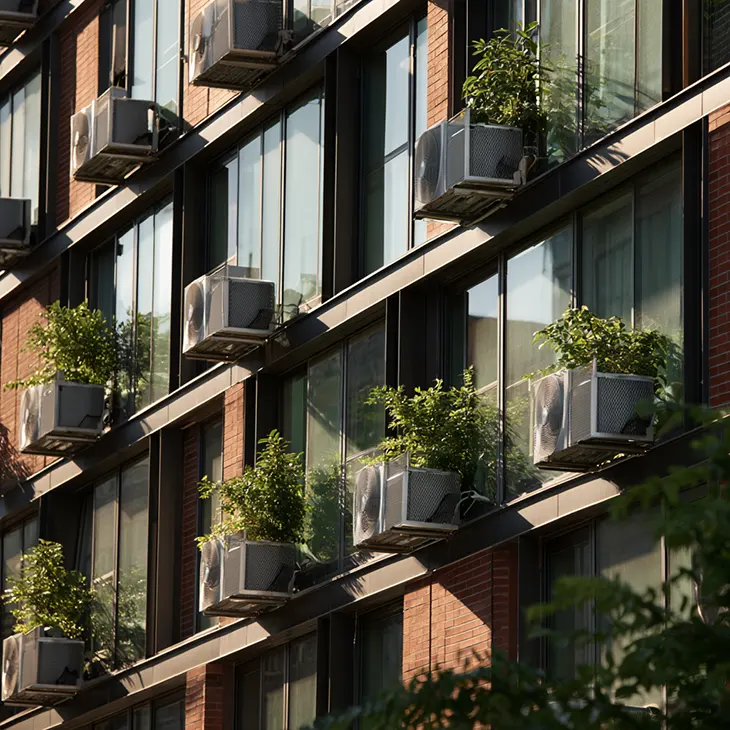
When signing a commercial lease for HVAC, more consideration should be given than just rent, deposits, and activities allowed. It is apparent to all that duties relating to heating, ventilation, and air conditioning (HVAC) are significant components of your property’s overall expense of occupancy, especially if an HVAC unit needs unscheduled repairs or might require replacement.
“The condition of the HVAC system is equally important as its performance when you are checking out the facility. It matters what age the system is, its history of repairs, and its possible needs for repair,” says Vadim Vechkanov of IRBIS, co-owner and expert.
During a sale and purchase, a building’s HVAC system may look and sound perfectly fine. But its age, maintenance history, and overall condition can tell a different story when it comes to the tenant’s costs, which is why an inspection by commercial HVAC services before closing is often worth it.
DSCENE Architecture and Tech editorial team investigates:
HVAC Clause Covers the Biggest Energy Loads in the Building
An HVAC clause in a commercial lease for HVAC could be a brief provision in a business lease; however, its monetary effects can reach the entire length of the lease. Monthly utility bills, comfort in the workplace, the reliability of equipment, and the cost of maintaining the property are all affected by heating and cooling systems.
Tenants should set up the following before signing:
- If HVAC electricity is not metered separately.
- Who is responsible for routine service and changing the filter.
- Whether landlords or tenants have to pay for any unforeseen breakdowns.
- If the equipment is inefficient, whether or not it can be upgraded.
- Whether the additional rent (or service charge) covers maintenance.
An educational document about the liabilities of renting a property that can be used to determine your real cost of renting, not just the advertised rental rate.

“Maintain,” “Repair,” and “Replace” Are Three Different Bills
Heating, cooling, and ventilation use 52% of total energy consumption in commercial buildings. However, maintaining, repairing, and replacing are three separate costs that could escalate. Routine maintenance keeps efficiency steady and catches small issues early, but deferred service often turns minor faults into costly emergency repairs. When repairs begin to stack up, the decision to replace a system becomes a major capital expense that many owners are unprepared to absorb. Understanding where each cost begins and ends helps building owners budget with confidence and avoid paying for the same failing equipment twice.
Here are some important terms to watch for in the tenant’s lease:
- Maintain: Routine activities/servicing like filter changes, inspections, cleaning, scheduled maintenance.
- Repair: Refers to labor, materials, and services needed to restore equipment after an equipment fault/breakdown occurs. See if the categories that dictate the repair have any bearing on responsibility.
- Replace: Apply to the installation of new equipment where existing equipment or systems are too difficult or too expensive to maintain or repair.
- Capital expenditure: These costs are used for the acquisition of significant projects and upgrading of the property or major asset. Determine lease terms for these costs being passed to tenants.
- Ongoing service contract: Tenants will need to have service records and form an ongoing relationship with an approved HVAC Contractor in some agreements.
- Retention of Equipment: Determine if equipment needs to be returned in working order, up to a certain standard, or needs repair prior to the end of the move-out.
All of these should be established in writing prior to signing with a professional company such as IRBIS.
Older San Jose Buildings As An Example
In addition to many newer commercial structures, San Jose also has a large number of older buildings that may have HVAC systems installed decades ago or modified multiple times to suit different building owners and occupants. Many of these properties date back to the post-war expansion and the early tech boom, when buildings were designed around very different energy standards and equipment than what is available today. Over the years, tenant improvements, office reconfigurations, and partial system upgrades have often left behind a patchwork of components that no longer work together efficiently.
For facility managers, this creates real challenges. Aging ductwork, outdated controls, and undocumented modifications can lead to uneven temperatures, rising energy bills, and unexpected breakdowns. Replacement parts may be hard to source, and original system drawings are frequently missing or inaccurate. Add California’s strict energy codes and the region’s mix of hot summer days and cool evenings, and these older systems face constant strain. A thorough assessment is often the first step toward deciding whether to repair, retrofit, or replace.
Tenants should investigate:
- The date of the equipment’s installation and estimated age.
- Records of maintenance and repair.
- If previous inhabitants reported ongoing issues.
- If the system is able to meet the demands of all the premises.
- Availability of replacement parts.
Having a good idea of the property’s status prior to the tenant’s move-in may prevent problems from getting costly as the tenant assumes ownership.
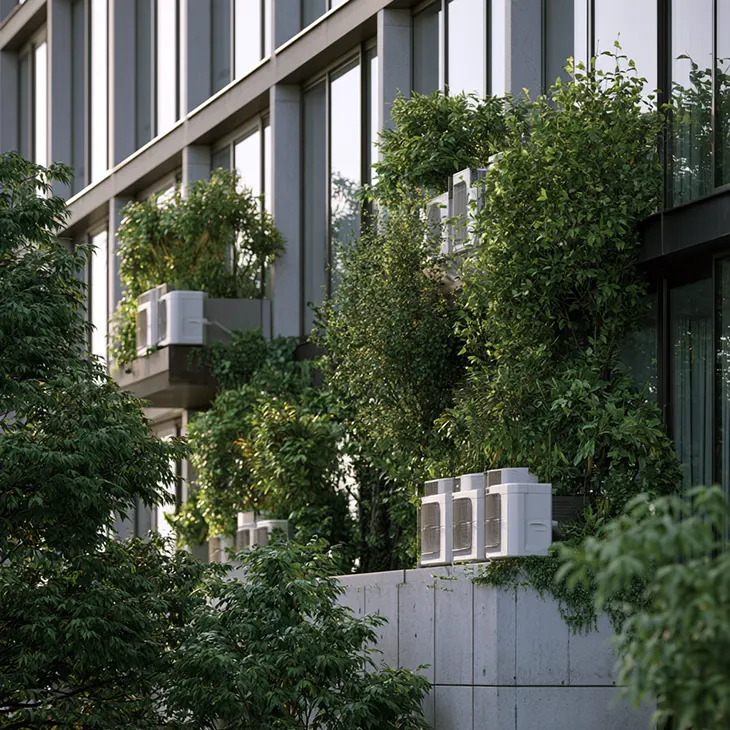
How We Read a Unit Before a Tenant Signs
While it’s a good first step, a visual inspection may not be enough to understand an HVAC system, as it simply involves checking if the system is on and cool or warm air comes out.
During an objective assessment, it should be determined:
- Look for any signs of deterioration of the equipment; listen out for any peculiar noises and any maintenance that has taken place previously.
- Performance: Make sure that the system performs correctly when it needs to raise or lower the temperature.
- Air distribution: Look for any problems with airflow, leaking ductwork, or uneven temperature control.
- HVAC maintenance requirements: Report late servicing and having components that could be due for maintenance.
- Future costs: Identify any necessary repairs, replacement needs, and suggested maintenance schedules.
The results are giving potential tenants a better understanding of what equipment they will have to keep, and are valuable for negotiations, too.
Finally, define the HVAC maintenance, repair, and replacement when executing a signature. When you read your lease, review it carefully in addition to having an assessment conducted by a professional. When you’ve got a lease that’s up for review, do it carefully and get an equipment assessment from a professional. Set up an HVAC check prior to buying a new San Jose business property.