


Fashion thrives on spectacle, new seasons, bold statements, and dramatic reinventions. Yet, the cadence of real life is different. Daily routines crave reliability, not reinvention. When you’re running late or still half-awake, dependable clothes matter more than high-concept trends. Lately, a quiet shift is underway: wardrobes are shrinking, not from lack, but by choice. It’s the sartorial equivalent of deleting unused apps, streamlining for relief and clarity.
When a Full Closet Feels Empty
Standing before a packed wardrobe, it’s easy to feel like there’s nothing to wear. This isn’t a mystery; it’s friction. Too many options, each with its own caveat: a shirt that wrinkles if you sit, trousers that only flatter under certain light, or pieces that “almost” work. The result? Decision fatigue. Much like scrolling endlessly through streaming options only to rewatch a favorite, people aren’t tired of fashion, they’re exhausted by the negotiation it demands.
The Rise of the “Modern Uniform”
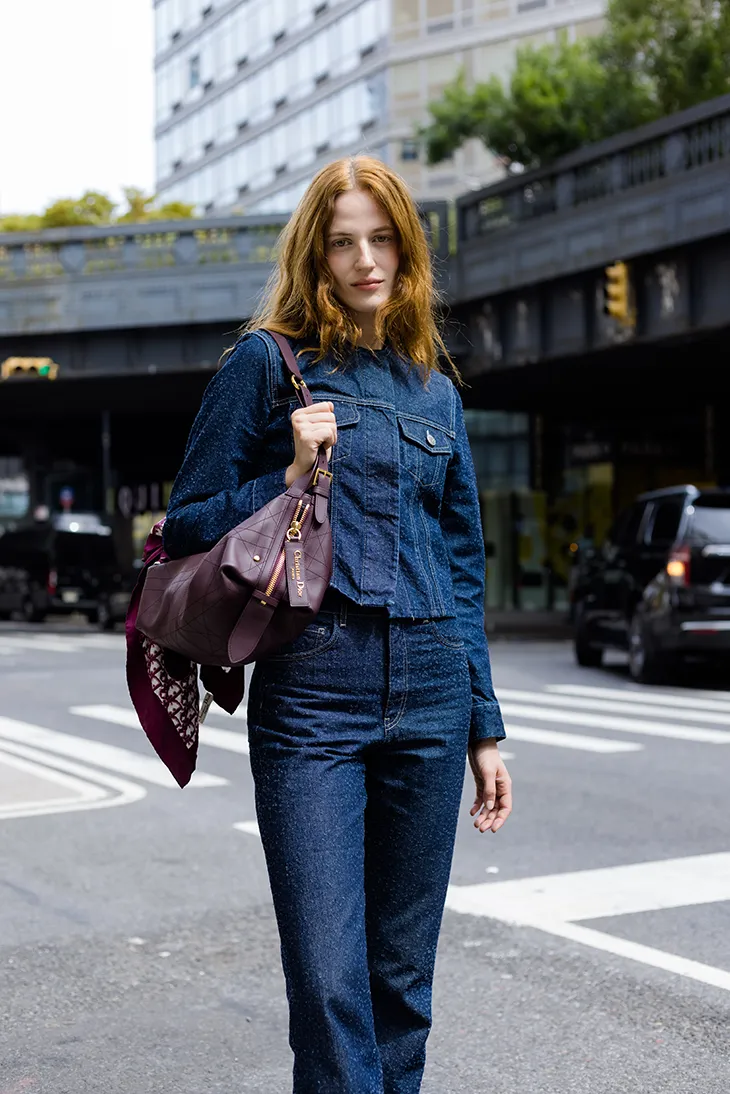
Uniforms aren’t about strict conformity. Today’s modern uniform is a carefully curated group of pieces that function seamlessly together. These garments share essential qualities:
- Consistent fit
- Comfort from morning to evening
- No complicated instructions
- Durability for unpredictable days
These are the clothes you reach for without a second thought, the ones that feel like an extension of yourself. It’s not monotony, it’s liberation.
Why Designers Embrace This Shift
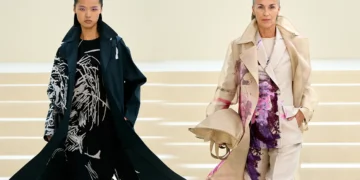
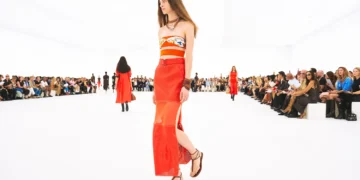
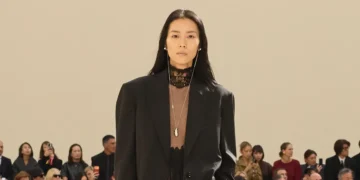
Look past the eye-catching runway statements and you’ll find the backbone of every collection: clean tees, tailored trousers, and simple layers. Designers understand that boldness needs balance. Statement pieces rely on basics to ground them; chaos needs a center. This is why essentials like a crisp white shirt persist season after season, they stabilize and elevate, letting other elements breathe. On a hanger, these basics may seem indistinguishable, but at 8:11 a.m., they’re transformative.
The Status of Simplicity
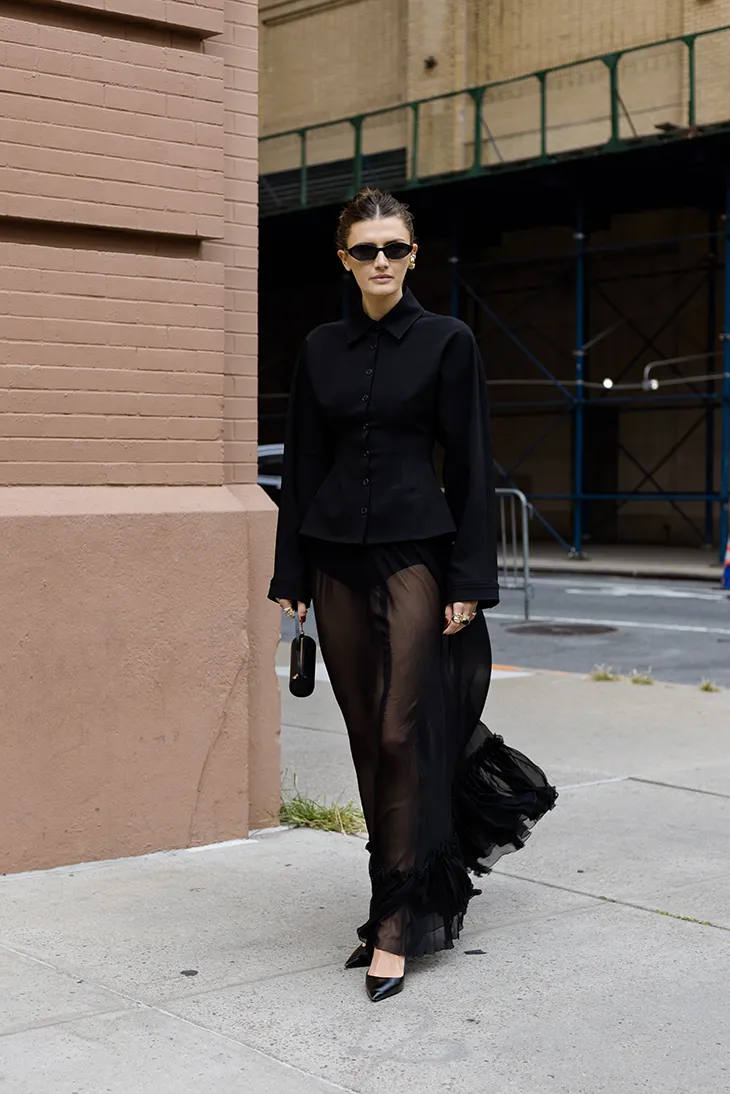
Where logos once dominated, now quiet confidence prevails. Wearing simple, well-chosen pieces signals self-assurance and discernment. It’s about knowing what fits, what fabrics perform, and what you don’t need to prove. Like a handwritten note, subtlety stands out. Basics, when selected with care, a tee that keeps its shape, a jacket that sits just right, jeans that always feel familiar, carry weight through their reliability and integrity. This sentiment heading towards the status of simplicity has brought the rise of brands such as The Row, Loro Piana and Fear of Good, all propagating the simplicity in luxury, the so called rise of quiet luxury.
The Emotional Shift of Editing
Few discuss the psychological impact of a refined wardrobe. Less clutter means less stress: fewer negotiations, less time wasted, and fewer moments of insecurity. Mornings become streamlined, departures less frantic. There’s a quiet delight in these small victories, finding matching socks, realizing your phone is charged, or simply getting dressed without second-guessing. When clothes stop demanding reassurance, your mind is free to focus elsewhere.
Why “Fine” Isn’t Enough
Most pieces that get removed aren’t failures; they’re just “fine.” But “fine” is deceptive. It means constant adjustment, second-guessing, and a lack of confidence. The pieces that remain are those you trust implicitly, ones you’d wear on your most demanding days. This trust is why people cling to a single perfect tee and discard four lookalikes. On paper, they’re similar; in practice, only one feels right..
Fewer Pieces, More Wear
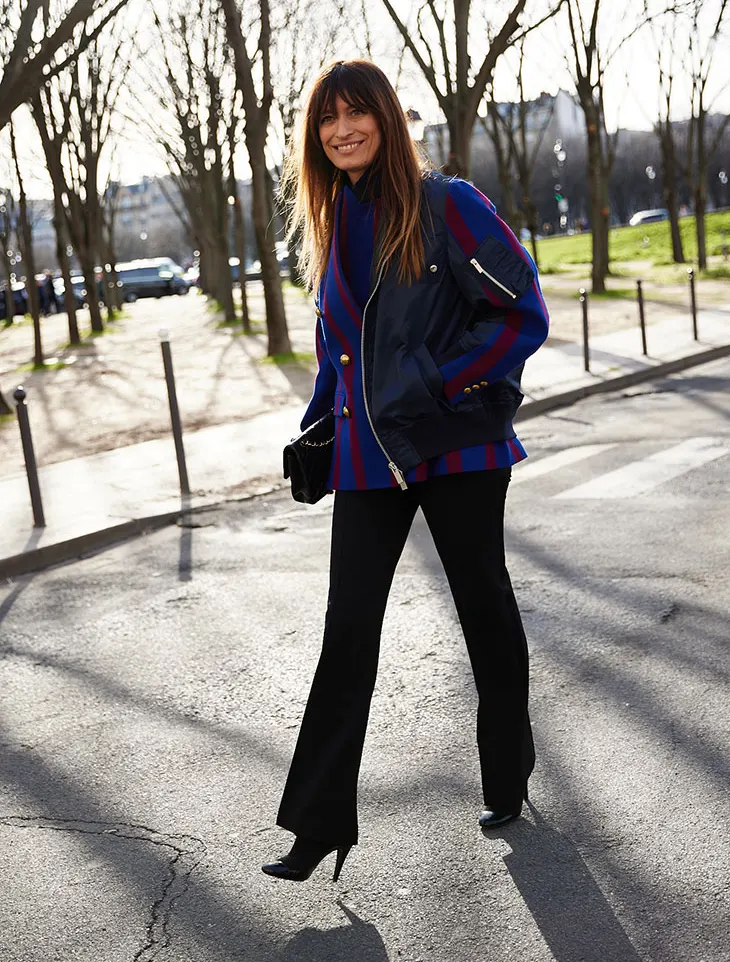
A pared-down closet brings unexpected rewards. Outfits repeat, but this repetition feels grounding rather than dull. Clothes soften, fits improve, and everything starts to feel personal, like a favorite chair that only gets better with time. When the quality is high, repetition becomes a source of comfort.
A New Approach to Shopping?
With a refined wardrobe, shopping habits change. Impulse buys and sale-driven decisions fade. New pieces must prove their worth immediately; there’s no room for “maybe it’ll grow on me.” If an item doesn’t inspire trust from the start, it doesn’t stay. This simple standard is transformative. Fashion will always push boundaries, but the foundation is shifting toward fewer, better pieces. The modern uniform is about harmony, not restriction. In a noisy world, reliable clothes are a quiet gift. Once you experience this ease, reverting to the old way feels impossible. Why would you?