


Some nights on vacation fall into a strange routine. You finish dinner, wander around a bit, check your phone more than you expected to, and eventually head back to the hotel, wondering why the evening felt shorter than it should have.
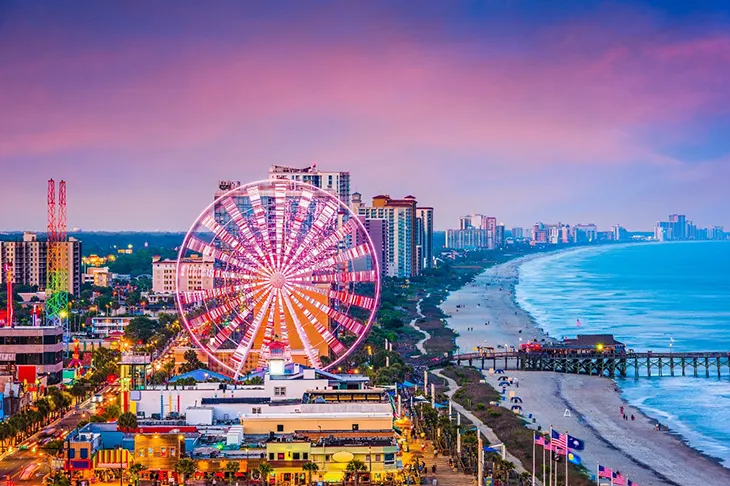
Places known for tourism often make this contrast even more obvious. Myrtle Beach is one of those places where evenings seem full of promise. The air cools a little after sunset, lights from restaurants and attractions stretch across the streets, and families drift between boardwalk spots looking for something interesting to do before calling it a night. There is no shortage of options. The difficulty, oddly enough, is turning all that choice into a night that actually feels memorable.
Why Unique Dinner Experiences Stand Out
Vacation evenings tend to fall into a predictable pattern if no real thought is given to them. People eat dinner somewhere convenient, walk around for a bit, and then drift back toward the hotel. Nothing is wrong with that routine, but it rarely becomes a part of the trip that anyone talks about later.
Travel nights work better when the meal itself becomes part of an experience rather than a short stop in the middle of the evening. When dinner is paired with storytelling, music, or live performance, the atmosphere changes. People stay seated longer. Conversations shift between the table and what is happening around them. Time stretches in a way that normal restaurant dinners rarely achieve.
One of the top-rated dinner shows in Myrtle Beach is the Pirates Voyage Dinner & Show. This is an immersive dinner show where guests enjoy a four-course pirate feast while watching an action-packed adventure featuring sword fights, acrobatics, mermaids, and live animals. The story follows rival pirate crews battling for treasure across land, water, and towering ships, creating an energetic experience filled with music, stunts, and theatrical effects. So, instead of planning dinner and then figuring out what to do afterward, the entire evening unfolds as one connected experience.
The Quiet Problem with Unplanned Evenings
A lot of vacation nights lose their energy because they are treated as an afterthought. Daytime plans receive attention. Tickets get booked, routes are mapped, and restaurants are researched. Evening plans often rely on whatever happens to be nearby. That approach does not work every time. After a full day of sightseeing, decision fatigue sets in. Travelers become less patient and less curious. They settle for whatever option appears easiest, which usually means a quick dinner and a short walk before heading back to rest.
There is nothing particularly wrong with that pattern. The problem is that it repeats itself night after night. Eventually, the evenings blur together. When people think back on the trip, they remember the daytime attractions clearly, while the nights feel vague. Memorable travel usually benefits from one anchor moment each evening. It does not have to be elaborate. It just needs to give the night a sense of direction.
How Entertainment Changes the Pace of a Night
Something interesting happens when entertainment becomes part of dinner. The usual rush of restaurant dining disappears. In many restaurants, meals move quickly. Servers work efficiently. The tables turn over. People finish eating and move on to the next place.
When a performance or structured experience is introduced, the rhythm shifts. Guests settle in because the evening has a natural timeline. A show begins. Music starts. Lights dim slightly. Conversations pause and then restart with new energy as people react to what they see.
Even adults who spent the afternoon checking emails or planning the next travel day tend to lean into these moments. Attention shifts away from phones and toward the room. It is not complicated psychology. Shared attention changes how people experience time. When everyone watches the same moment unfold, the evening feels fuller than it might otherwise.
The Value of Letting the Night Breathe
Planning one main activity for the evening does not mean controlling every minute. In fact, the best nights often leave space around the main event. Some people like arriving early and walking around nearby streets before the event begins. Others prefer lingering afterward somewhere quiet, letting conversation stretch naturally. These small pauses often become part of the memory of the night.
Travelers sometimes assume memorable evenings require packed schedules. The opposite tends to be true. One well-chosen activity followed by unhurried time often creates a better rhythm.
Shared Moments Stick Longer
Memory tends to favor experiences that are shared. When people laugh together during a performance or react to a surprising moment in a show, the event becomes a collective memory rather than a personal one.
That shared reaction changes how the brain stores the moment. Instead of remembering the evening as a simple meal, people remember the atmosphere. The sounds in the room. The energy of the crowd. The conversation that happened afterward.
Researchers who study travel behavior often note that experiences combining food, storytelling, and live performance tend to stay with travelers longer than isolated activities. It is not just the entertainment. It is the social environment surrounding it. Even people sitting at different tables feel part of the same moment.
Ending the Night Without Rushing It
The last part of an evening often decides how the entire night is remembered. If the night ends with a rushed exit or a stressful search for transportation, the memory shifts slightly. A slower ending tends to work better. A quiet walk. A relaxed conversation somewhere nearby. Even a few minutes sitting and letting the evening settle. When people pause like this, the brain starts replaying the small highlights of the night. A surprising scene during a performance. A comment someone made at the table. The atmosphere in the room. Those details lock the memory in place.
It is funny how often travel stories revolve around nighttime moments. Evenings are when the pace slows enough for people to actually experience where they are. The distractions drop away. Attention shifts toward the moment. Sometimes all it takes is one thoughtful choice about how the night will unfold. When that choice leads to an experience rather than just another meal, the evening tends to take care of itself. And long after the trip ends, it is often those nights people remember first.