


Dubai presents a striking contrast where history and modernity coexist. Once a small fishing and trading settlement along the Arabian Gulf, it has grown into a global city known for its skyline, luxurious lifestyle, and innovative architecture. Despite rapid development, the city preserves its cultural heritage through historic neighborhoods, traditional markets, and enduring customs.
The Roots of Dubai’s Identity
Dubai’s origins lie along Dubai Creek, the settlement’s original lifeline. Early residents included fishermen, pearl divers, and merchants from India, Persia, and East Africa who established the foundations of a trading community. Homes in neighborhoods such as Al Fahidi were built from coral stone, mudbrick, and palm fronds, incorporating wind towers and shaded courtyards to adapt to the desert climate. Narrow streets and communal spaces supported social interaction and fostered a sense of community among residents.
Markets and the creek connected Dubai to regional trade networks, allowing goods and cultural influences to flow into the city. Souks served as centers for commerce and social life, laying the groundwork for Dubai’s multicultural character. Visitors today can explore both historic neighborhoods and modern landmarks through guided Dubai Tours, experiencing the city’s transformation from a small trading hub to a cosmopolitan metropolis.
The Architecture of Old Dubai
Old Dubai reflects architectural traditions designed for function and climate. Barajeel, or wind towers, channeled cool breezes into homes, long before air conditioning existed. Traditional houses feature carved wooden doors, shaded courtyards, and intricate detailing, demonstrating craftsmanship and an understanding of the desert environment.
No visit is complete without exploring the city’s markets. The Gold Souk displays rows of jewelry, while the Spice Souk fills the air with saffron, cinnamon, and other seasonings. These markets remain active trading hubs, connecting visitors to the city’s commercial history.
Landmarks of Old Dubai
The Al Fahidi Historical Neighborhood preserves narrow lanes, wind towers, and central courtyards that once served as gathering spaces. Each element reflects life in the desert, showing how architecture accommodated climate, social interaction, and family life.
The Dubai Museum, located in Al Fahidi Fort, traces the city’s growth from a fishing village to a global destination. Dubai Creek served as a gateway for merchants, bringing goods and cultural influences that shaped the city’s multicultural identity. Exploring these historic sites illustrates how trade, architecture, and community life formed the foundation for modern Dubai.
The Rise of New Dubai
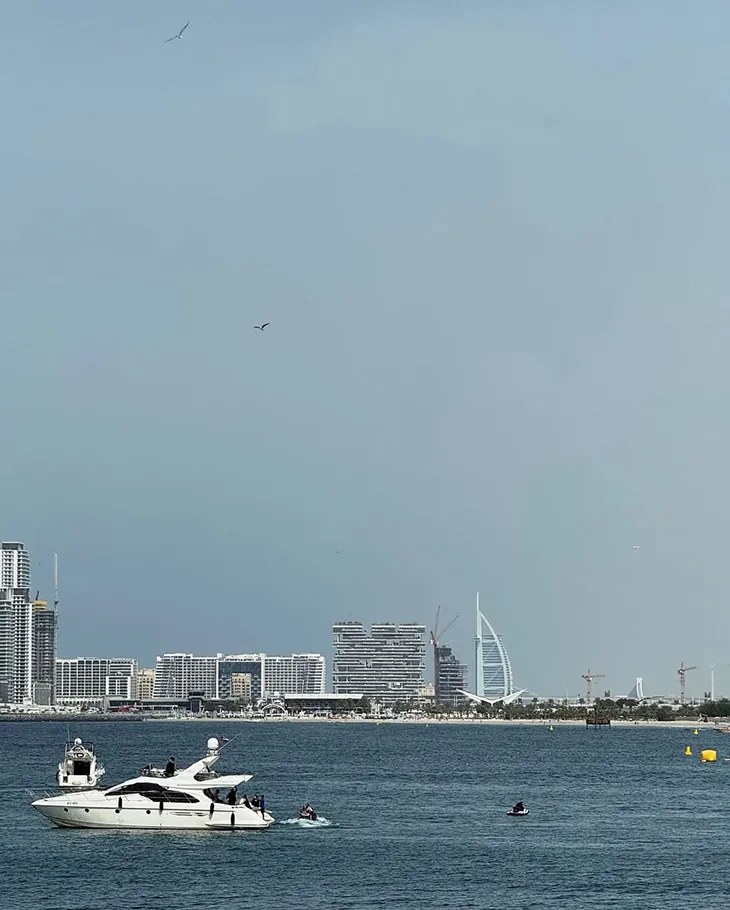
Modern Dubai represents rapid growth, innovation, and ambition. In decades, the city transformed from a trading port into a hub for tourism, commerce, technology, and culture. Its skyline features towering skyscrapers, while its streets reflect careful urban planning, advanced engineering, and design innovation. New Dubai illustrates what strategic vision and urban development can achieve in a challenging environment.
Attractions of Modern Dubai
Modern Dubai offers landmarks that reflect its forward-thinking architecture:
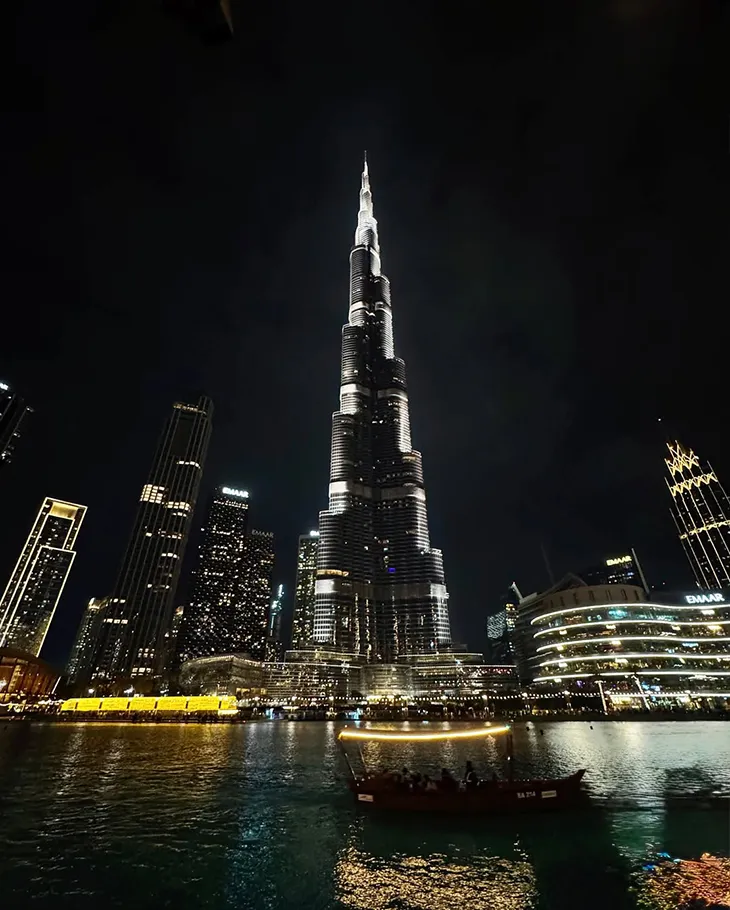
- Burj Khalifa: The world’s tallest building, offering panoramic views and demonstrating Dubai’s engineering capabilities.
- Palm Jumeirah: A palm-shaped artificial island hosting luxury resorts, residences, and beaches, exemplifying large-scale urban planning and design.
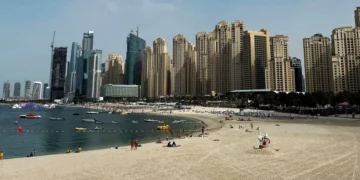
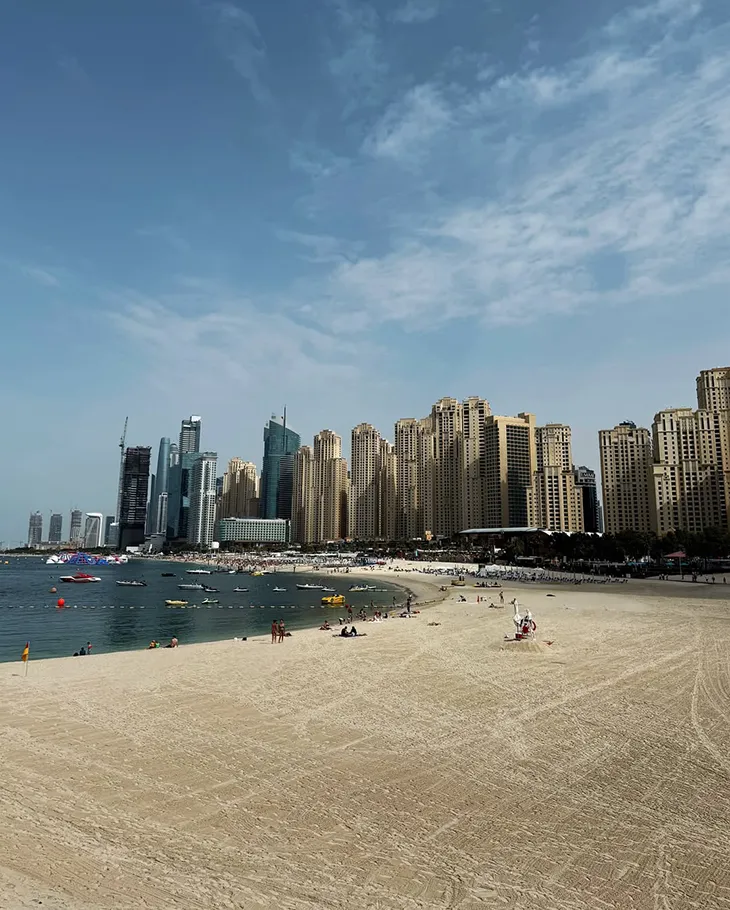
- Dubai Marina: A waterfront development surrounded by skyscrapers, restaurants, and promenades, combining leisure and urban life.
- Museum of the Future: Its architecture and exhibits highlight scientific and technological innovation, representing the city’s commitment to experimentation and learning.
Comparing Old and New Dubai
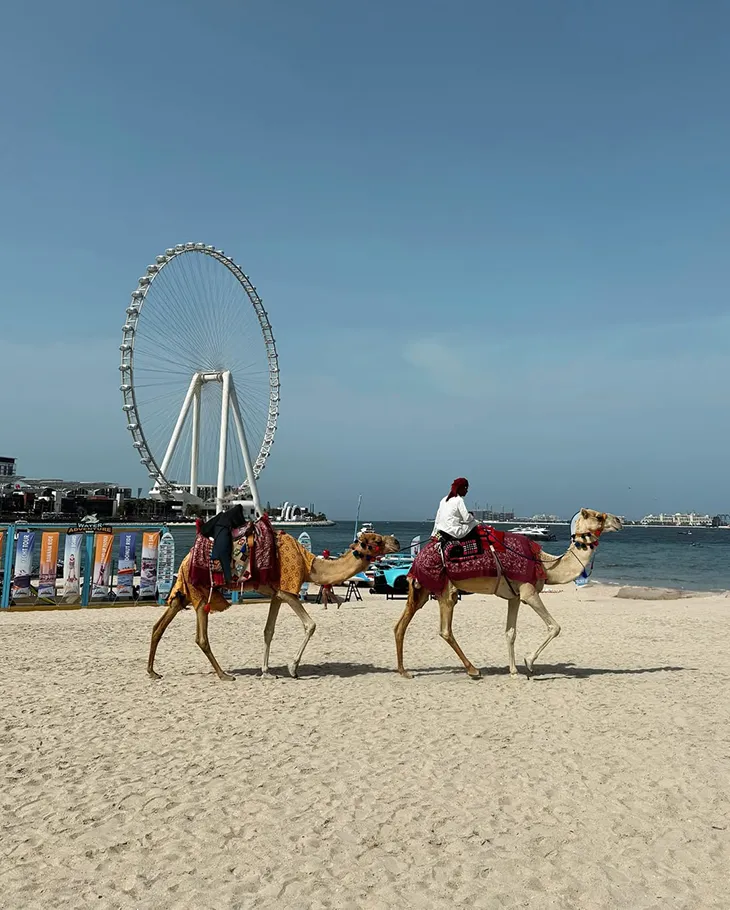
Old Dubai preserves history, culture, and architectural solutions developed for climate and community. Narrow lanes, wind towers, and vibrant markets reveal the city’s origins. New Dubai displays modernity, luxury, and architectural ingenuity, highlighting human ambition and technical achievement. Together, the areas illustrate how heritage and innovation coexist in Dubai’s urban landscape.
Dubai shows how a city can evolve while preserving its heritage. The coexistence of traditional neighborhoods, historic markets, and modern skyscrapers reflects a careful balance between culture, architecture, and urban development. Visitors can move from the shaded alleys and wind towers of Old Dubai to the high-rise skyline and innovative landmarks of New Dubai, experiencing the city’s transformation firsthand. This integration of past and present offers insights into sustainable modernization, illustrating how cultural identity can inform design and planning in a rapidly growing urban environment.
Dubai cannot be reduced to a simple contrast between old and new. Each district reflects a different stage in the city’s response to trade, climate, tourism, and urban growth. Together, these layers show how design has adapted to Dubai’s changing needs.