


The automobile is entering a new era. Electric powertrains, artificial intelligence, autonomous driving and software are changing the way cars work. They are also changing the way we experience them. At the same time, the fascination with craftsmanship and automotive heritage remains strong.
CARS
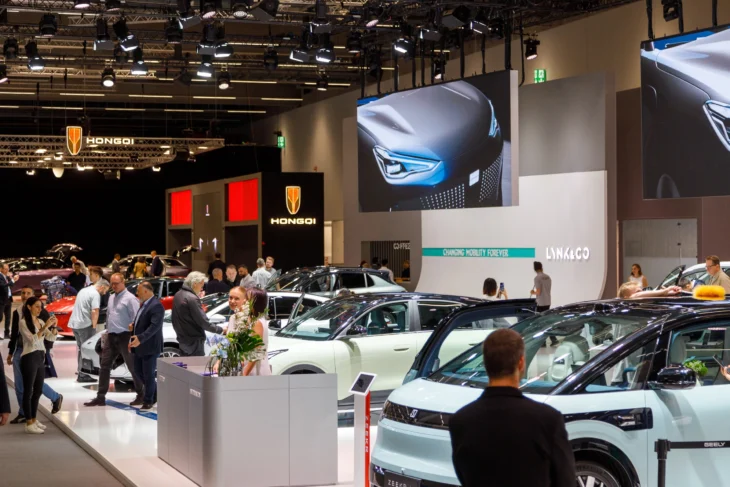
This contrast will take centre stage at Automechanika Frankfurt 2026, from 8 to 12 September. More than 4,400 exhibitors from over 80 countries will gather in Frankfurt. Together, they will present new technologies, products and ideas for the global automotive aftermarket.
The scale of the event is impressive. Yet its range of subjects makes this year’s edition especially interesting.
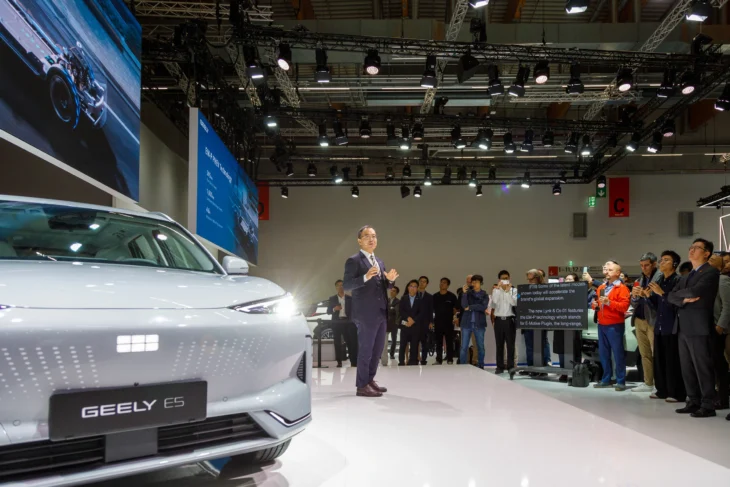
A New Automotive Landscape
Artificial intelligence and digitalisation now play a major role in the automotive industry. Their influence reaches far beyond autonomous driving.
AI is changing vehicle diagnostics, claims management and repair processes. It is also opening new opportunities for automotive businesses.
One of the biggest additions this year is HighTech4Mobility. The new format focuses on software-defined vehicles and connected cars. It will also explore advanced driver assistance systems, autonomous driving, cybersecurity and digital services.
The software-defined vehicle represents a major shift in automotive technology. Software can now influence a vehicle long after it leaves the factory. Over-the-air updates can introduce new functions. Vehicle data can support new services and business models.
This raises important questions for the automotive industry. How will workshops repair increasingly digital vehicles? Who controls vehicle data? How will AI change the aftermarket?
HighTech4Mobility will bring industry leaders and technology companies together to explore these questions.
The programme includes Google Cloud, Boston Consulting Group and the IBM Institute for Business Value. Their discussions will focus on AI and its growing role in automotive aftersales. Benteler Mobility will also examine robotics and autonomous driving.
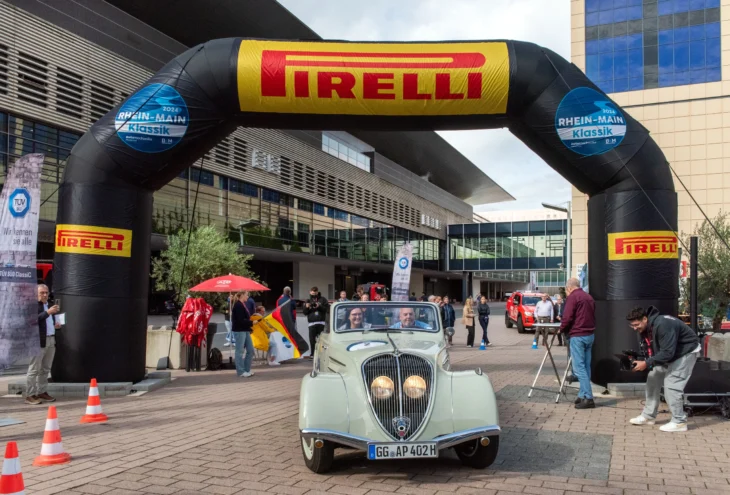
The Beauty of the Machine
While Frankfurt looks toward the future, it will also celebrate the past. Automechanika has expanded its classic car programme for 2026. The new Classic Alliance brings together companies, associations and institutions from the international classic car community.
One of the main attractions will be a live restoration of a rare 1954 Simca Figoni. Mike Kastrop, known as “Classic Mike,” will lead the project with Pauline Louwman and their young team.
Visitors will see the restoration develop throughout the event. They can watch the techniques and craftsmanship behind the process.
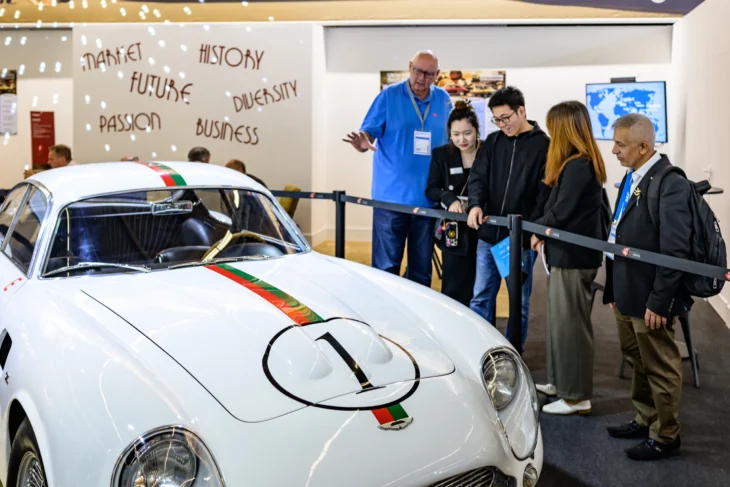
The classic car area will also feature a cutaway 1960 Volkswagen Beetle. The vehicle originally served training and exhibition purposes. Selected cars from the Nationales Automuseum will add another highlight.
The programme will cover much more than restoration. Experts will discuss classic car markets, spare parts, young talent and the future of the collector-car scene.
The focus on heritage creates an interesting contrast with the event’s technology programme.
While engineers develop autonomous systems and AI tools, restorers continue to preserve the knowledge behind historic machines.
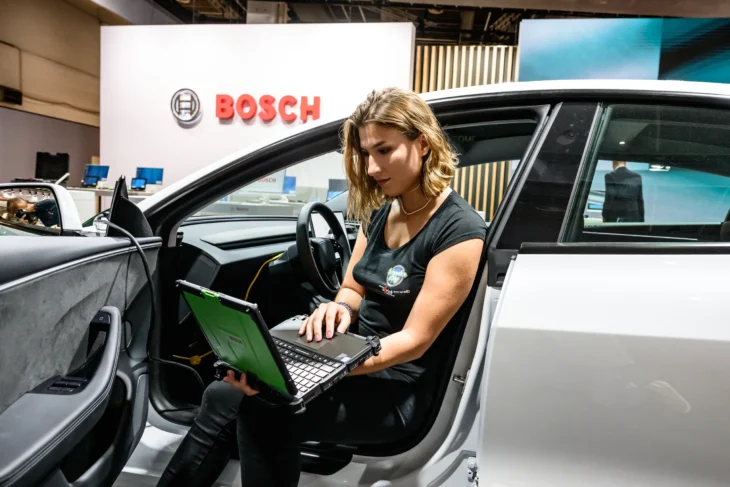
AI Enters the Workshop
The transformation of the automotive industry is also changing the modern workshop. Automechanika will host 13 free practical training sessions focused on collision repair. The programme covers almost the entire repair process.
Topics include damage assessment, body measurement, plastic repair, paintwork and glass replacement. Other sessions focus on ADAS calibration and high-voltage safety.
AI-assisted robotic painting will also feature in the programme.
These developments show how quickly automotive skills are evolving. Modern technicians need more than mechanical knowledge. They increasingly work with sensors, software, digital systems and high-voltage technology.
The workshop of the future may look very different from the traditional garage. Yet the need for technical knowledge and craftsmanship remains.
Innovation on Display
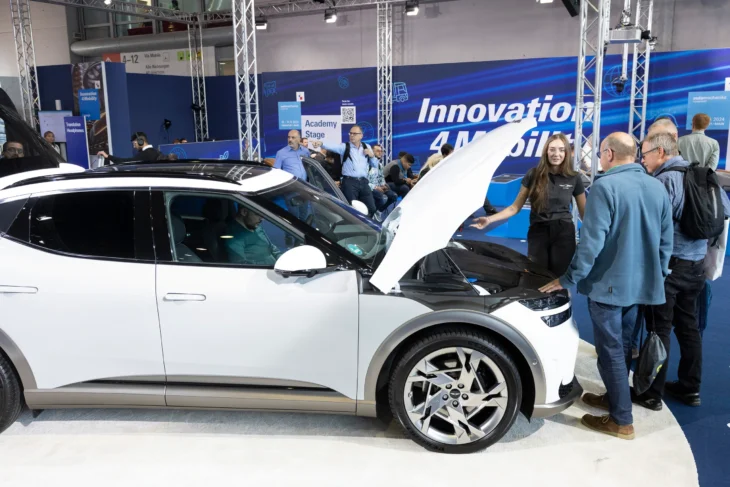
Innovation takes another major role through the Automechanika Innovation Awards. This year brought a record 185 submissions. An international jury selected 47 nominees across multiple categories. The awards cover sustainable drive solutions, connectivity and cybersecurity, smart workshop technologies, body and paint, car care and digitalisation.
AI also has its own category. So does circular economy and remanufacturing, which joins the awards programme for the first time. The new category reflects a growing focus on sustainability. Extending the life of vehicles and components can reduce waste and conserve resources.
The awards therefore offer a snapshot of the industry’s current priorities. Smarter systems, cleaner technologies and digital solutions are moving to the centre of automotive development.
Automotive Culture in Motion
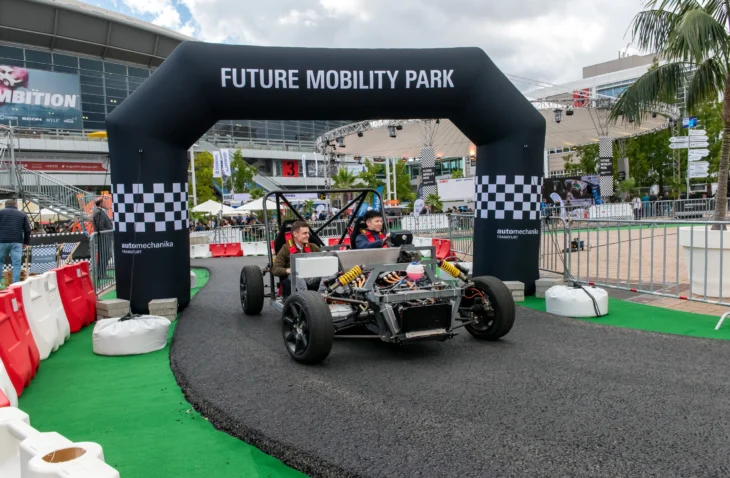
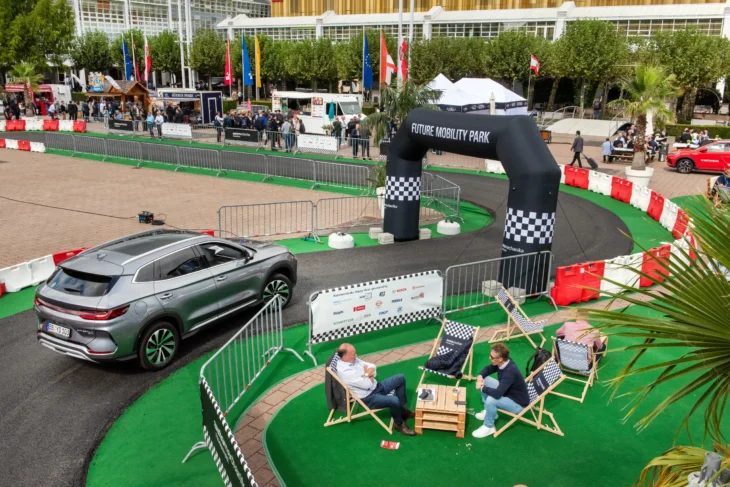
Automechanika is also moving beyond the traditional trade fair format. The Future Mobility Park will give visitors the chance to experience new mobility solutions in an open-air setting.
The new Automechanika Pitlane will bring a 200-metre motorsport-inspired space to the exhibition grounds. Visitors can expect live action, automotive personalities and a strong connection to racing culture.
The event will also celebrate the wider world of car culture. The German finals of the European Mobile Media Association will bring around 80 audio-enhanced classic and collectible cars to Frankfurt. Visitors can see the cars up close and meet the people who build and modify them.
The German Polishing Championships will put detailing skills in the spotlight. Meanwhile, the classic car programme will combine live restoration with talks, exhibitions and automotive history. Together, these experiences give the event a different energy.
Technology shares the stage with craftsmanship. Motorsport sits alongside autonomous driving. Historic cars appear next to the latest digital systems.
Looking Ahead
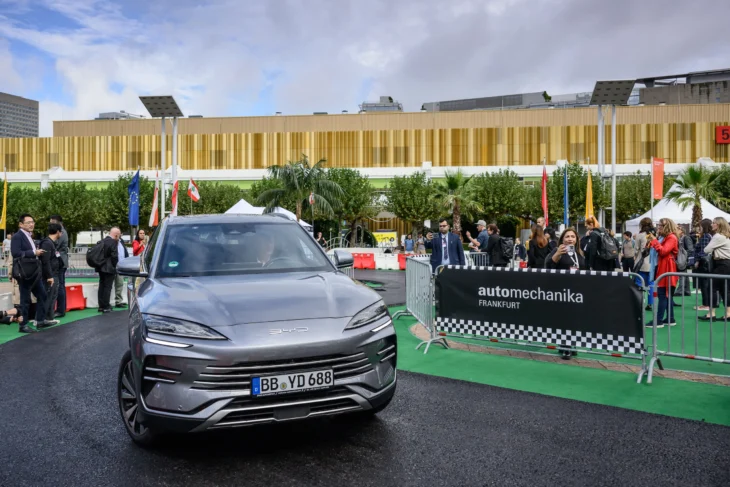
Automechanika Frankfurt 2026 arrives at an important moment for the automotive world. The industry continues to move toward electric vehicles, connected systems and artificial intelligence. At the same time, classic cars remain deeply connected to automotive culture.
The two worlds do not have to compete. Instead, they reveal how broad the idea of the automobile has become. A car can be a piece of engineering, a design object, a cultural symbol and a digital platform. It can carry decades of history while using technology that did not exist a few years ago.
That tension makes Frankfurt particularly interesting this year. Among the new technologies, restored classics and future mobility concepts, Automechanika offers a look at where the automobile is heading without forgetting where it came from.
Automechanika Frankfurt 2026 takes place from 8 to 12 September in Frankfurt.