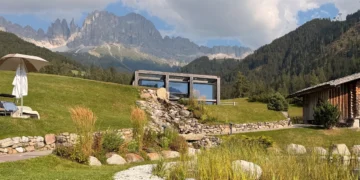



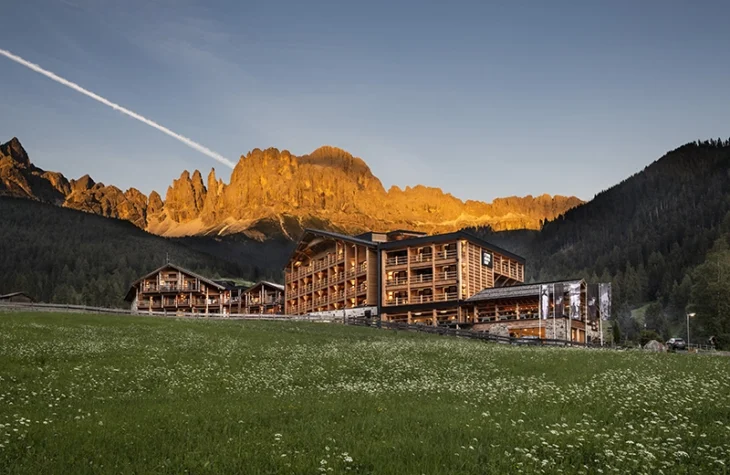
Set beneath the Rosengarten in the Dolomites, Cyprianerhof Dolomit Resort approaches the idea of a mountain hotel through what it calls Cultura Dolomiti. The concept connects nature, food, wellbeing and culture, giving the property a clear identity that extends well beyond the usual five-star resort formula.
HOTELS
During our stay, that philosophy felt most convincing in the way different experiences connected throughout the day. A guided hike could lead into several hours at the spa, followed by dinner and an evening opera performance with the mountains behind the stage. The hotel encourages guests to experience the region rather than simply observe it.
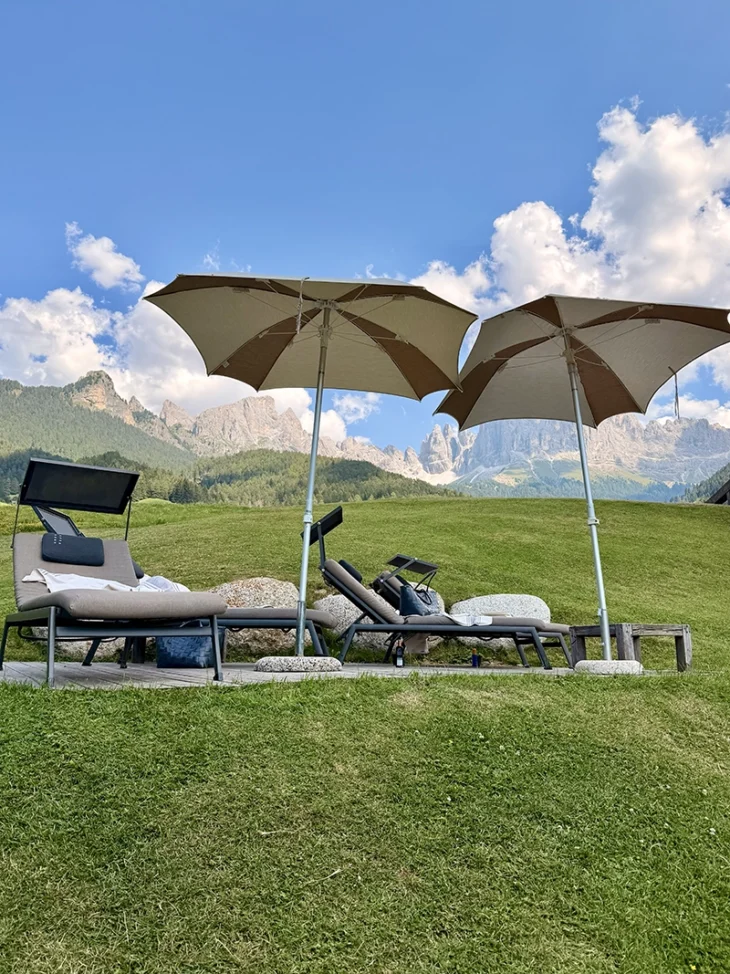
Location
The setting is one of Cyprianerhof’s greatest strengths. The hotel sits directly beneath the Rosengarten, placing guests close to hiking trails, via ferratas and alpine pastures.
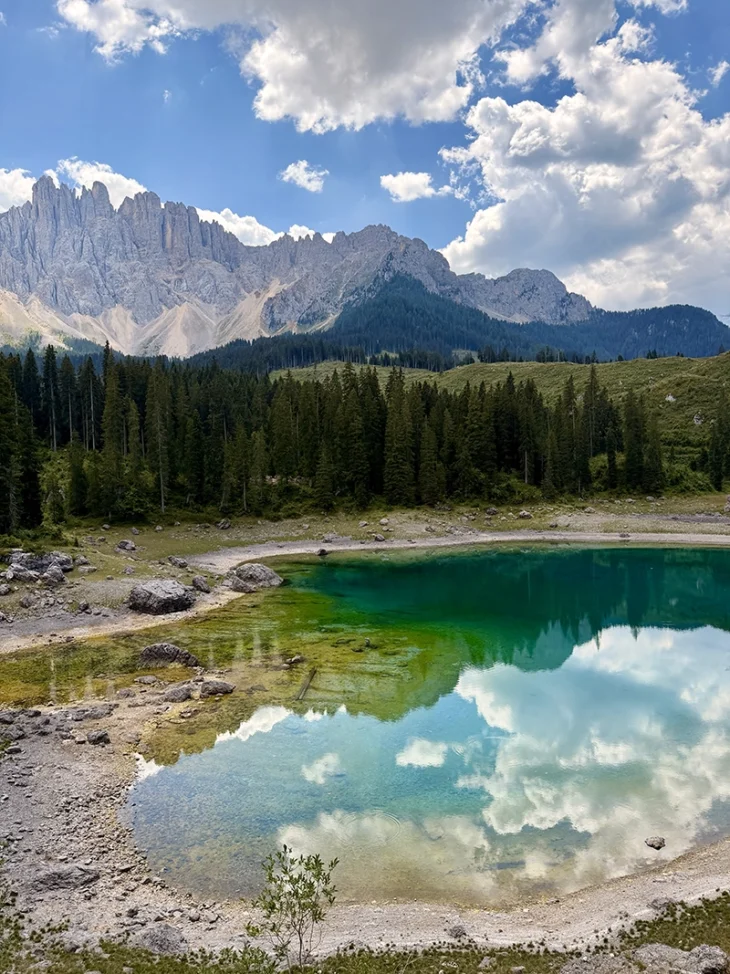
We joined one of the hotel’s guided hikes, which became one of the strongest parts of our stay. Having a guide gave the walk a different rhythm and made the surrounding terrain feel more accessible. The experience encouraged us to spend time within the mountains and understand the area through movement rather than distance.
The location also allows activities to begin directly from the hotel. During summer, hiking and climbing form an important part of the programme. In winter, guests can turn to snowshoeing, skiing and ski touring.
Design
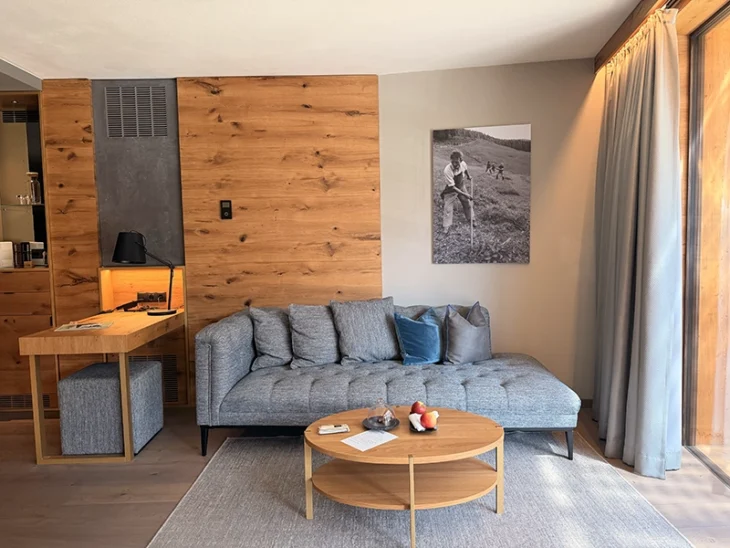
Cyprianerhof’s interiors follow a restrained alpine direction, with locally sourced wood and natural materials creating continuity between the building and its surroundings.
The design avoids unnecessary formality. Spaces feel warm and composed, with contemporary details sitting naturally within the mountain setting. Renewable energy and climate-conscious measures also support the hotel’s wider environmental approach.
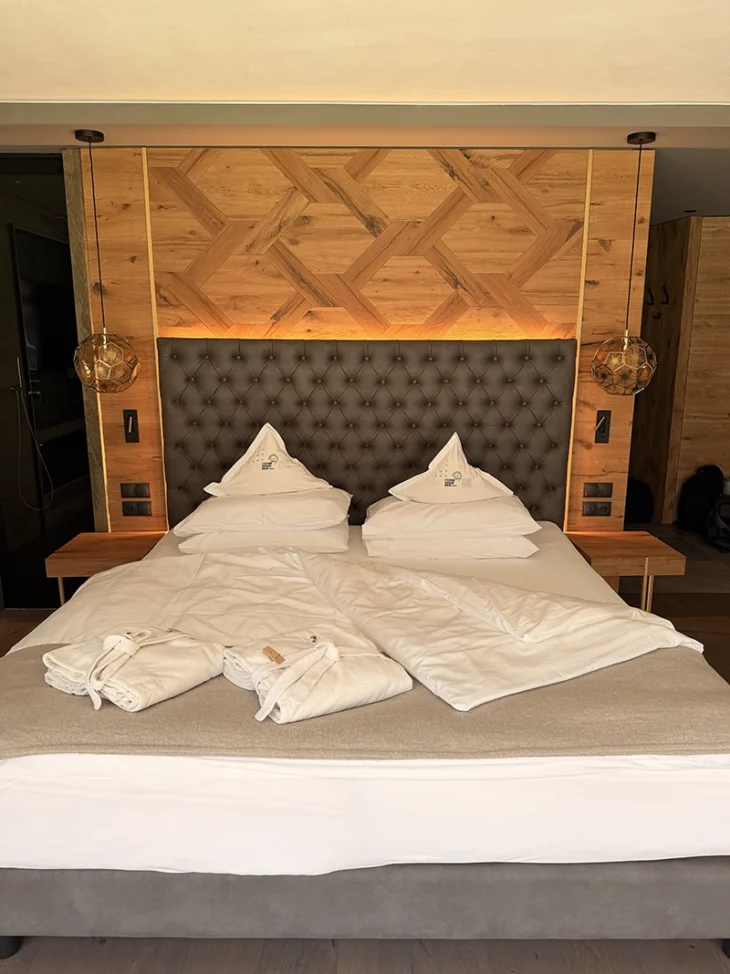
Rooms
The rooms continue the hotel’s quiet visual language, creating spaces intended for rest after long days outdoors. Natural materials and subdued tones maintain a connection with the surrounding mountains, while the overall atmosphere remains calm and uncluttered. The emphasis is on comfort, clarity and privacy.
What works particularly well is the way the rooms support the broader rhythm of a stay at Cyprianerhof. After several hours hiking or exploring the region, returning to a restrained and comfortable interior feels entirely appropriate to the character of the property.
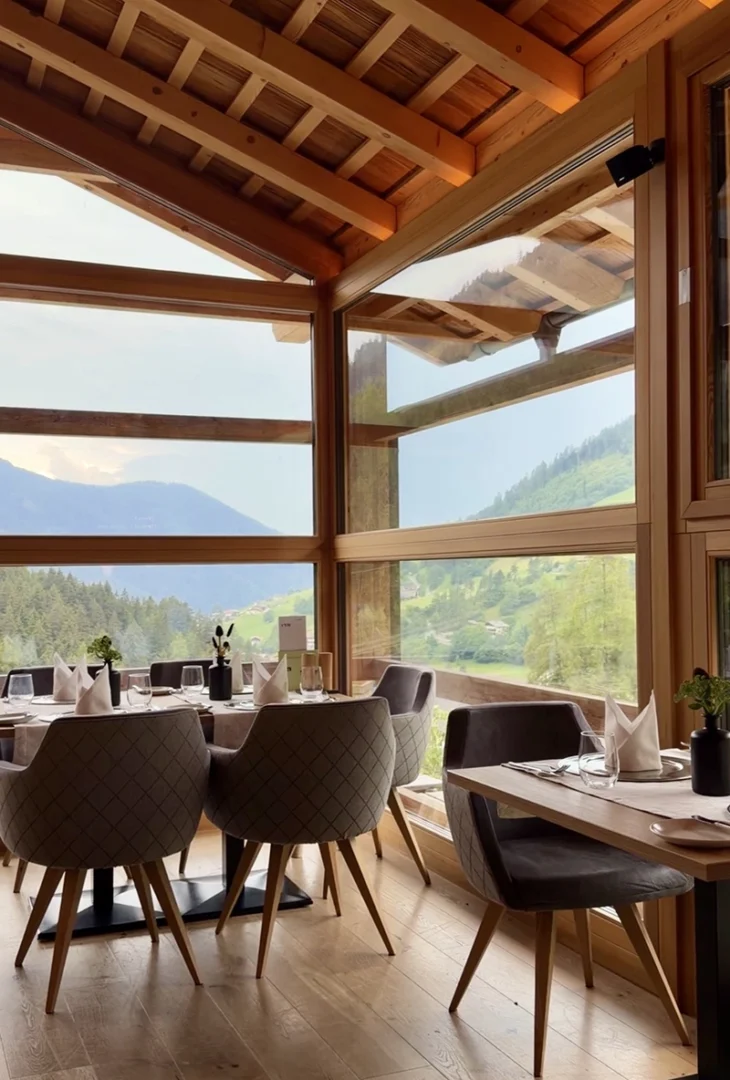
Dining
Food is central to the Cultura Dolomiti concept. The hotel’s Quattro culinary approach interprets alpine ingredients through a contemporary lens, combining regional produce with Mediterranean influences. The kitchen, led by Marion and her team, works largely with ingredients available in the region.
Plant-based dishes play an important role, while the kitchen also focuses on reducing waste. Ingredients that might otherwise be discarded can return in the form of fermented stocks, dried herbs or other preparations.
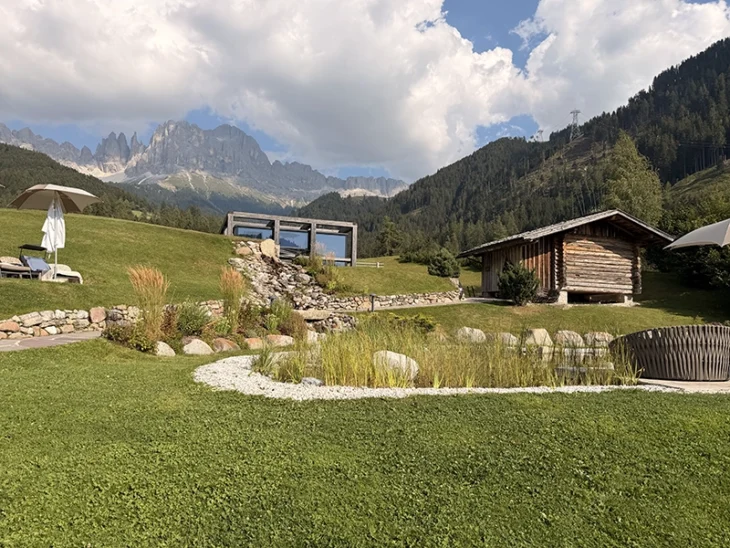
Similde Spa
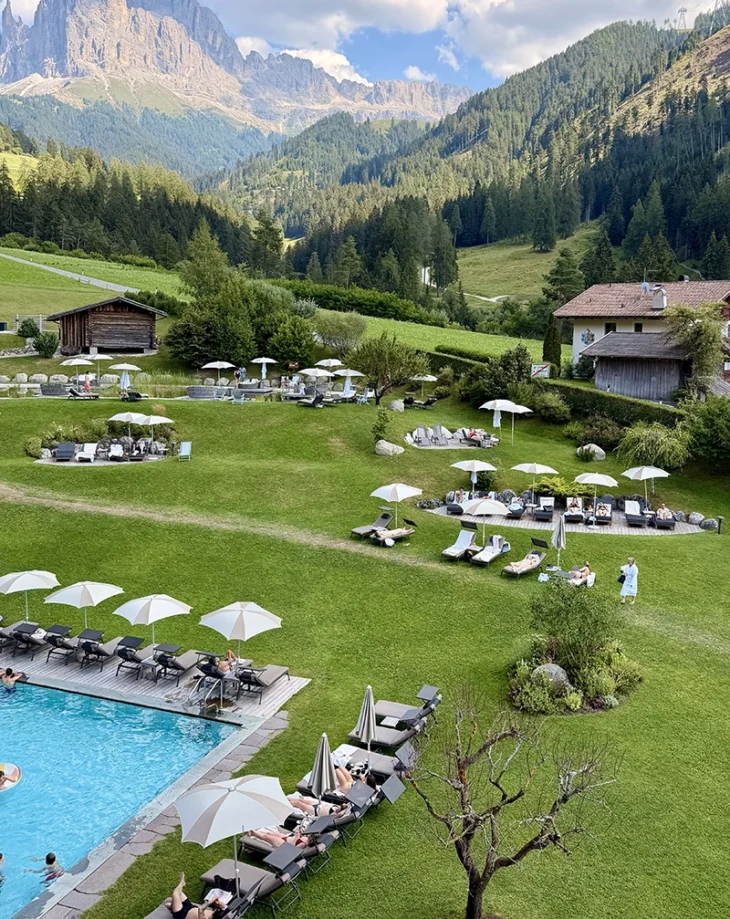
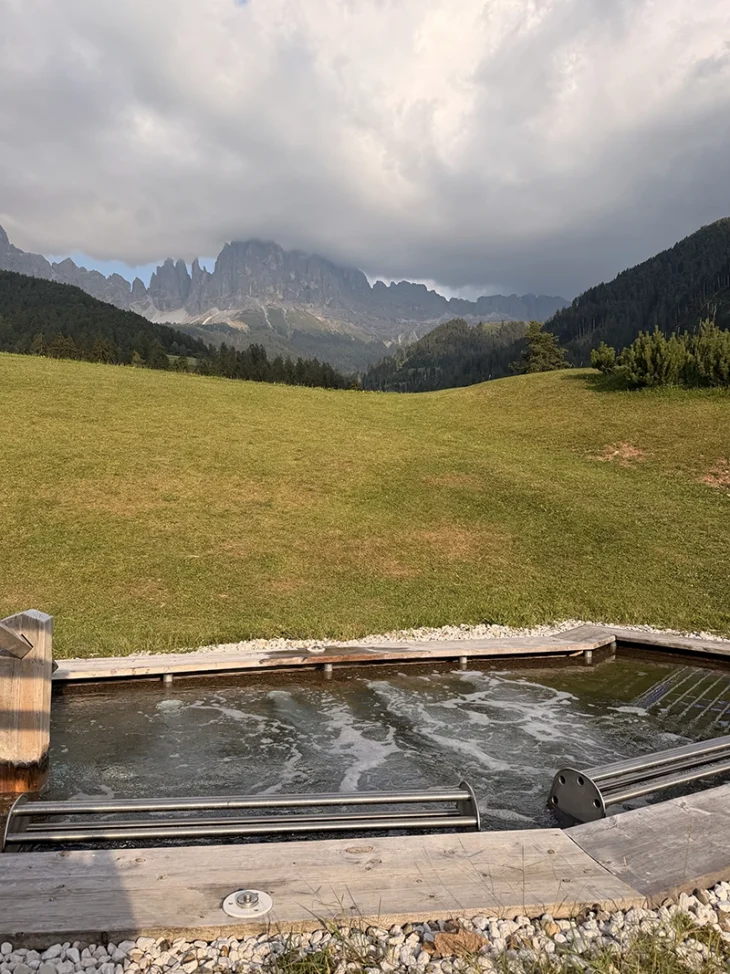
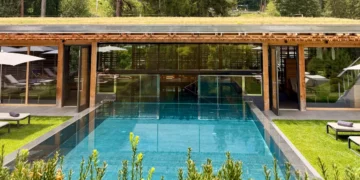
The Similde Spa covers approximately 2,400 square metres and forms another major part of the stay. The wellness area includes indoor and outdoor pools, a natural swimming pond, panoramic sauna facilities and steam baths. Treatments incorporate ingredients associated with the surrounding mountains, including mountain pine and silver quartzite.
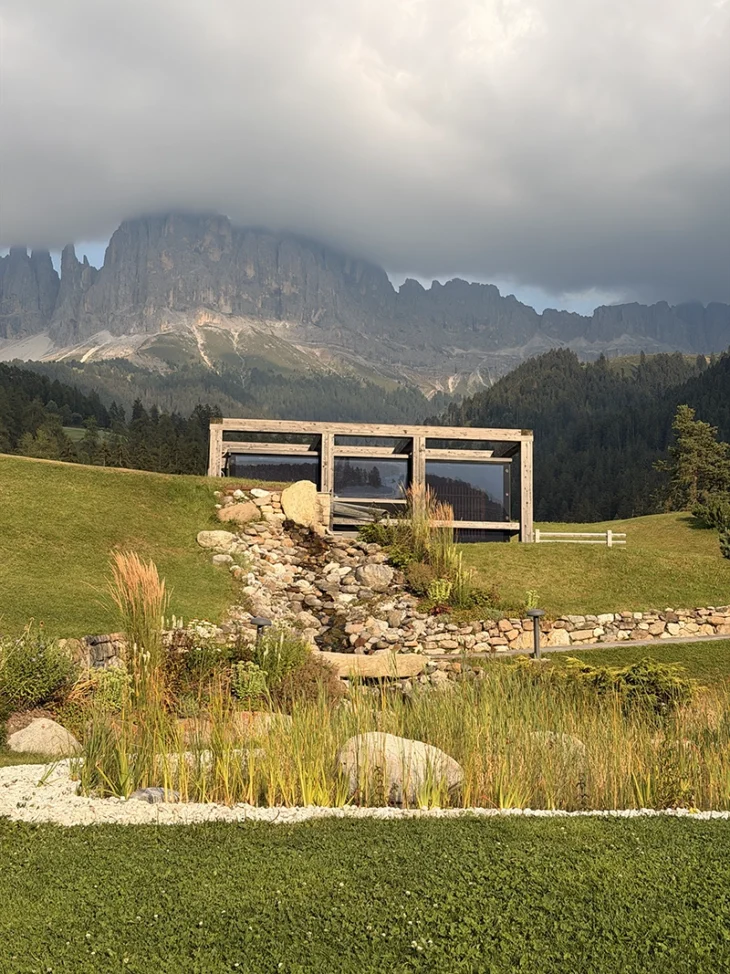
Yoga, meditation and forest bathing expand the programme further. Wellness here feels connected to the environment rather than isolated from it. After our guided hike, spending time in the spa felt especially rewarding. The transition from several hours in the mountains to the pools and sauna also made the hotel’s broader approach to wellbeing easier to understand.
Activities
Cyprianerhof encourages guests to build their stay around activity, although the programme never feels prescriptive. Guided hiking was our main daytime experience, and it gave us an opportunity to see the surrounding Dolomites from a perspective that would have been difficult to achieve independently.
The hotel also offers climbing and other summer mountain activities, while winter introduces a different set of possibilities. The emphasis remains on experiencing the region at an individual pace.
A Tribute to Beauty
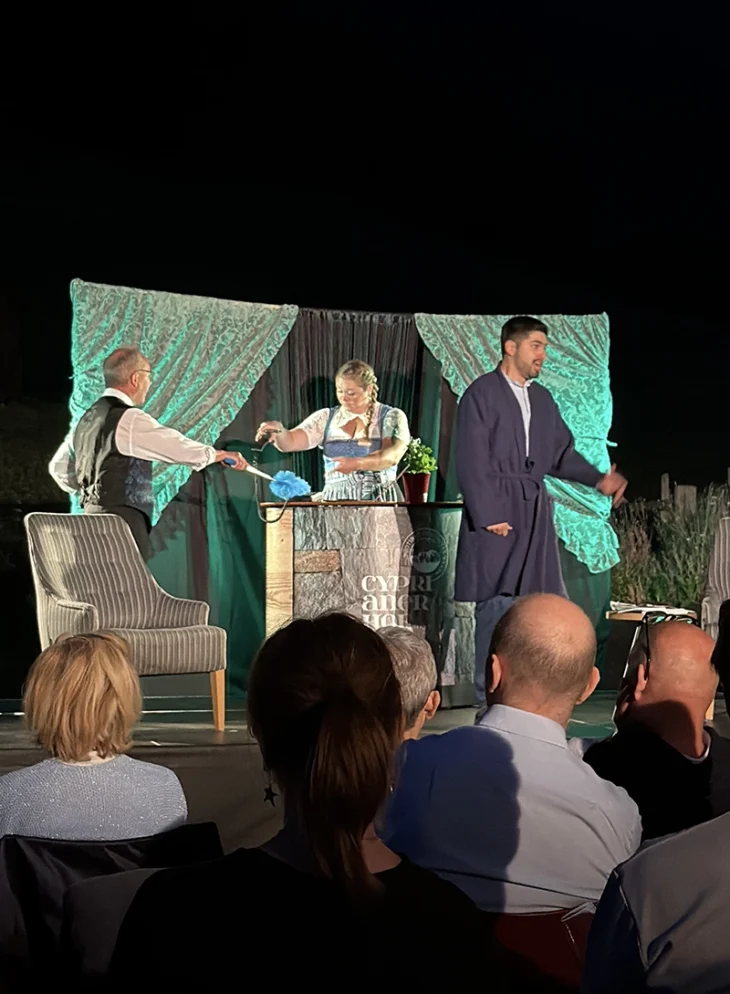
The most unusual part of our stay was A Tribute to Beauty, the hotel’s summer opera experience. We attended a performance of Giovanni Battista Pergolesi’s La serva padrona, presented outdoors with the Dolomites as its natural setting. The project is led by bass-baritone Diego Villegas, who performs Uberto, alongside musical director Davide Lorenzato, stage director and librettist Sonja Ellemunt, Mirjam Gruber as Serpina and Paul Niederwolfsgruber as Vespone, joined by soloists from the Kleutrom Orchestra.
The setting brings the audience close to the performers, while the changing light across the mountains becomes part of the evening. As sunset moved across the Rosengarten, opera and nature briefly occupied the same space. It became one of the most memorable moments of our visit and a clear example of how the hotel approaches culture as part of hospitality.
Overall Experience
The mountains shape the activities. The spa responds to the physical experience of being outdoors. The kitchen draws from the region, while the cultural programme introduces another way of engaging with the setting. Our stay moved naturally between these different areas, from hiking beneath the Rosengarten to the Similde Spa and an evening of opera as the sun disappeared behind the Dolomites.
That combination gives Cyprianerhof its strongest identity. It is a five-star mountain resort, but the experience feels rooted in something more specific: an idea of hospitality shaped around place, culture and the pleasure of spending time well.
Cyprianerhof Dolomit Resort
Via S. Cipriano, 69, 39050 Tires BZ, Italy
+39 0471 642143
hotel@cyprianerhof.com
www.cyprianerhof.com





wow that lake photo is just unreal! we need to appreciate nature far more! always had a dream of going to dolomit it is my ultimate bucket list