


Choosing a career involves looking beyond an impressive job title or a single passion. A path that works in the long term should reflect your natural abilities, financial ambitions, preferred ways of working, and the kind of life you want to build. That means looking closely at the skills you already have, the tasks and environments in which you perform best, and practical priorities such as location, flexibility, income, and job security. In a field as varied as fashion, it helps to consider whether your strengths are primarily creative, commercial, technical, or some combination of the three. By researching the training different roles require, gaining hands-on experience before making a major commitment, and choosing a direction with room to grow, you can make a more informed decision that fits both who you are now and where you want to go.
A career in fashion requires a realistic assessment of your skills, working habits, financial goals, and preferred lifestyle. The industry includes creative, commercial, and technical roles, with each requiring a different combination of training, experience, and temperament.
Identify the Skills You Already Have
Start by taking stock of your actual skill set, looking beyond academic qualifications to what you can genuinely do. Do not forget skills from personal projects and previous jobs, and consider what you can bring to the table. Skills from hobbies count too, and can open unexpected doors.
If you have a good visual sense, fashion design, styling, photography, or visual merchandising could be the right fit. If you are organized and detail-oriented, production management, fashion buying, or event planning may suit you better. If communication is a strength, public relations, brand partnerships, editorial work, or social media strategy could be the way to go.
Take time to consider both your technical and transferable skills. Sewing, pattern making, illustration, and design software are technical skills specific to certain roles within the fashion industry. Communication, time management, problem-solving, and leadership are transferable skills that apply across a wide range of industries and positions.
Consider How You Want Your Workday to Look
Do not get caught up in a job title only to find that you dislike the day-to-day reality. Every role involves different tasks, and it is worth understanding what a typical working day actually looks like before committing to a direction.
Fashion designers spend most of their time developing concepts and working with teams to select fabrics and produce samples. Stylists work irregular hours, travel to shoot locations, and often handle last-minute changes. Fashion buyers analyze sales reports and meet with suppliers to make purchasing decisions based on customer demand. Creative Directors balance artistic vision with budget management and brand consistency, often under strict deadlines.
Beyond the tasks themselves, consider whether you are best suited to a structured environment with set hours or a more flexible setup. Think about whether you prefer working independently or as part of a team, and how much direct client contact you want in your day.
Match Your Career to Your Lifestyle Priorities
Your career choice can shape your finances, routines, and opportunities for years, so consider factors beyond salary, including location, travel, flexibility, and job security.
Working for a large fashion company, for example, may expose you to varied design assignments, help you develop a broader skill set, and give you substantial experience to include on your CV. However, many of these opportunities are concentrated in major cities, so relocation may be necessary. Freelance design can offer greater flexibility around other commitments, but the income may be less predictable. Running your own fashion business can provide creative freedom, although it often requires long hours and sustained effort.
When considering different careers, be honest about what you want to do and how you want to live over the next few years. Will you need to travel for work? Will you have to care for family members? Will you need to work from home? Do you want to live in a city or a town? Choose a career that will not interfere with your current and future lifestyle.
Explore Careers Where Creativity Meets Business
There are plenty of roles to explore throughout the fashion industry, and although they don’t design garments, they do connect with creativity in a powerful way. This could be an ideal career choice for someone with a creative side who is interested in strategy, organizing, finance, and business, and who enjoys working with customers.
As the industry continues to develop, more fashion careers are emerging that combine creativity with business, which may suit people with a flair for fashion who also enjoy organizing and working in a commercial environment. These roles could include fashion marketers, fashion buyers, fashion merchandisers, and brand managers, as well as fashion entrepreneurs who wish to set up their own clothing label, online boutique, fashion styling service, or sustainable fashion business.
Fashion marketing, buying, merchandising, and brand management connect creative judgment with commercial work such as understanding customers, planning products, shaping brand identity, and supporting sales.
Build Business Knowledge for Leadership or Entrepreneurship
Creative talent gets you into the industry, but business knowledge is what allows you to manage a team, control budgets, and make sound financial decisions. This matters most if you want to launch your own studio, start a clothing brand, or move into a leadership role.
One way to strengthen these capabilities is to earn an MBA. An MBA program develops knowledge across leadership, marketing, finance, and business strategy, supporting designers who want to turn their creative work into a structured business, as well as established professionals preparing for senior positions.
Online study can make continued education more accessible for people already working or managing other responsibilities. Combining industry experience with formal business training puts you in a stronger position to evaluate opportunities, manage growth, and lead a creative organization.
Research the Training Required
You can look into the typical qualifications needed for each of your target careers. Some fashion and design jobs require specialized degrees, while others require fashion industry experience, specific skills, or even just contacts within the sector.
To become a fashion designer, you might pursue a degree in fashion design, textiles, or garment construction. To work in fashion communications, you might study marketing, journalism, or public relations. To manage a fashion company or start your own business, you might consider studying management or entrepreneurship.
Short courses, professional certificates, and workshops can also give you a taste of a field or even allow you to acquire a specific skill to add more value to the work that you are already doing. If you are worried that starting to study Fashion full time might be too early, why not start with a short course or a fashion workshop?
Test a Career Before Committing to It
Researching careers can provide useful information, but nothing compares to the experience of directly testing out a career through an internship, freelance work, or even volunteering for a project related to your chosen career.
You can get a real sense of the lifestyle and work of a certain career by getting some hands-on experience. If you’re interested in fashion styling, for example, see if you can assist on a photo shoot for a fashion brand. Or, help design and build a collection for a fashion designer to get a sense of what life is like as a fashion designer.
Choose a Direction That Leaves Room to Grow
The most useful goal is to choose a starting point that aligns with your current strengths and goals, then look for opportunities to grow along the way. For example, a fashion designer may evolve into a creative director of a design team; a fashion stylist could build her own studio and hire assistants; or a fashion marketer might one day launch her own fashion brand.
Make a choice that supports your development and makes sense now, and that allows for further growth in due course. A career that is challenging, offers good opportunities, and allows room for further development will help you achieve your goals and become the person you want to be.
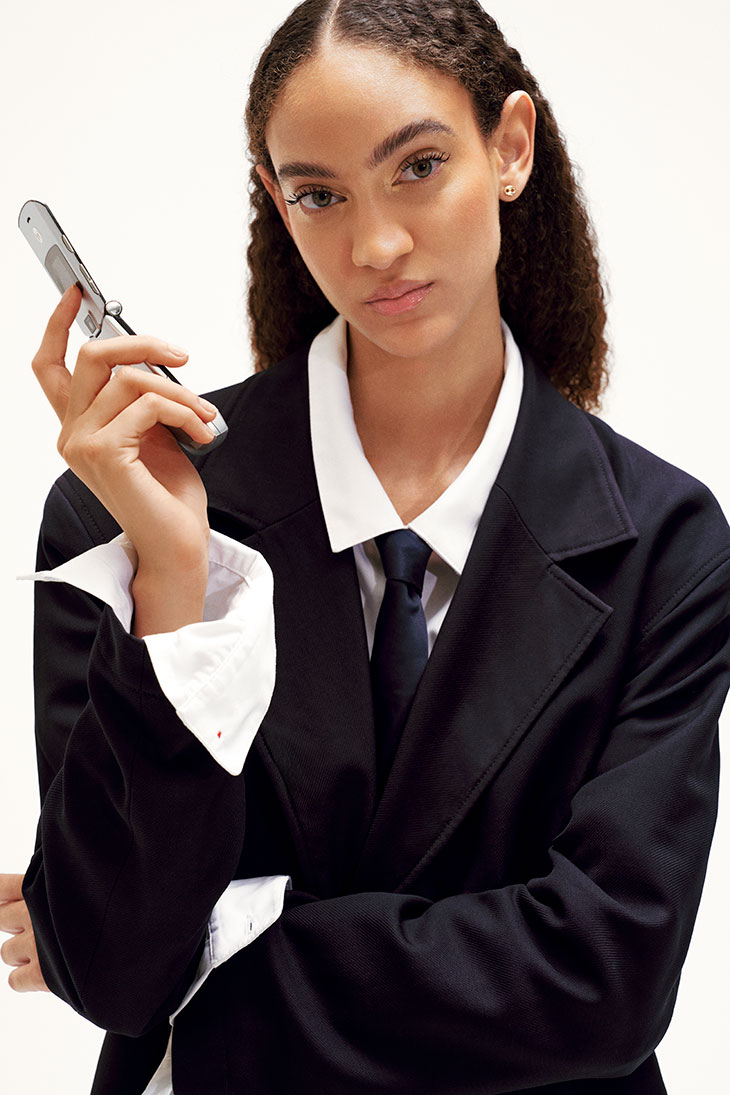
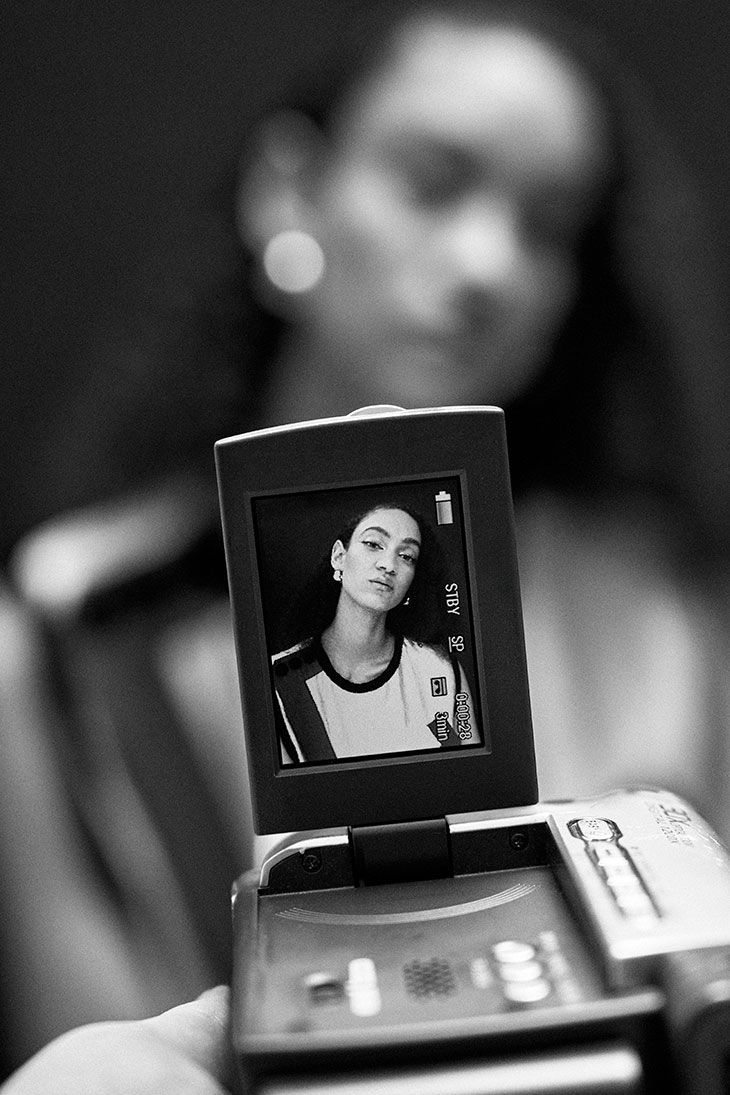
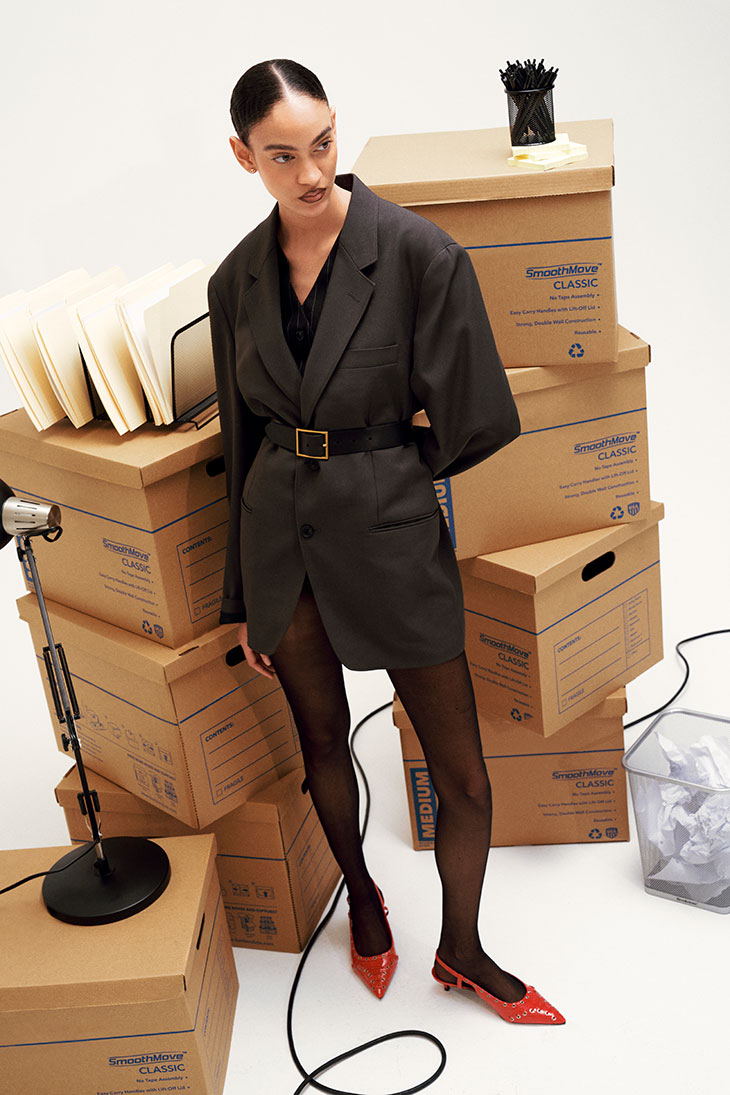
Images from Office Girly by Zach Alston – see full story here.