


Choosing diamond jewelry is about more than finding a stone that looks beautiful, the right piece fits how it will be worn, the budget you’ve set, and the moment it’s meant to mark. For buyers comparing lab-grown diamond jewelry, it also helps to understand how laboratory-grown diamonds are graded, how the shape and setting affect appearance, and what to check before buying.
For DSCENE, our editor Maya Lane breaks down the main decisions so you can compare pieces with greater confidence, whether you are shopping for an engagement ring, earrings, a bracelet, a necklace, or wedding jewelry.
Choose the Right Type of Lab-Grown Diamond Jewelry
Start with the type of jewelry because each format has different design and wear considerations. Rings work well when you want a piece that stays visible throughout the day. Engagement rings often place the main diamond at the center, while bands can use several smaller diamonds for continuous sparkle. Earrings range from simple studs to larger drop or halo designs. Consider total diamond weight, setting security, and how much movement you want. Necklaces can feature a single diamond, a pendant design, or multiple stones. A longer chain or larger pendant creates a more noticeable look, while a smaller design can work well for everyday wear.
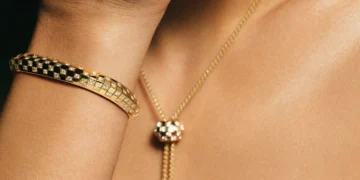
Lab-grown diamond bracelets can feature a continuous row of stones or a more flexible design with individual diamond settings. Check the clasp, links, and setting security because bracelets experience regular movement. For proposals and wedding milestones, lab-grown diamond engagement rings and lab-grown diamond wedding bands require additional attention to fit, comfort, metal choice, and how the two rings will sit together. This is all part of any jewelry selection.
Know the 4Cs Before You Buy
The 4Cs are the standard framework used to describe diamond quality. They are cut, color, clarity, and carat weight. They do not work independently. You as a customer may prefer a slightly lower color or clarity grade to spend more on cut, size, or design.
| Factor | What it tells you | What to compare |
| Cut | How the diamond handles light | Proportions, symmetry, polish, and cut grade where applicable |
| Color | How much body color the diamond shows | Grade, shape, and metal color |
| Clarity | Presence and visibility of inclusions and blemishes | Grade and whether the stone looks clean to the eye |
| Carat weight | The diamond’s weight | Carat weight, measurements, and face-up size |
Choose the Best Diamond Shape
Shape describes the diamond’s outline when viewed from above. Your choice affects style, apparent size, and how the stone works with a setting.
| Shape | Typical look | What to watch |
| Round | Classic and highly brilliant | Often commands a higher price than many fancy shapes |
| Oval | Elongated and elegant | Check for uneven shape and bow-tie effects |
| Emerald | Clean and understated | Larger facets can make inclusions and color easier to see |
| Cushion | Soft and romantic | Proportions vary, so compare the actual stone |
| Princess | Square and modern | Protect the corners with a secure setting |
| Pear | Elongated and distinctive | Symmetry and protection at the point matter |
| Marquise | Long and dramatic | Check symmetry and the pointed ends |
| Radiant | Bright with a rectangular or square outline | Compare length-to-width ratio and light performance |
There is no single best diamond shape for every wearer, it is subjectable and often aligned with the current design trends. Choose based on the look you want, how large you want the diamond to appear, and how the shape works with the jewelry design.
Choose the Right Setting and Metal
The setting controls how securely the diamond is held and how much of it remains visible. A solitaire keeps the focus on one main stone. Halo settings surround a center diamond with smaller stones to add coverage and sparkle. Pavé settings place small diamonds along the band. Bezel settings surround the stone with metal and can provide additional protection. Three-stone designs use multiple prominent diamonds and create a wider look across the finger. Think about everyday wear before choosing a setting. A low-profile or bezel setting reduces the chance of catching the ring on clothing or exposing vulnerable edges of the diamond. Also check whether the design will sit comfortably next to a wedding band.
Metal affects both appearance and maintenance. Gold is available in several colors and purity levels. Platinum has a naturally white appearance and is widely used for fine jewelry. In gold, 14K contains less pure gold than 18K and also includes a greater proportion of other alloy metals. That composition can affect durability, appearance, and price. For any piece, confirm whether the metal is solid, plated, or another construction. Look for a clear metal quality mark and product description so you know what you are buying.
How to Tell If Lab-Grown Diamond Jewelry Is Good Quality
Quality depends on more than the diamond grade. Start with the diamond’s grading documentation and confirm that it corresponds to the actual stone. The grading report can document the diamond’s 4Cs and provide identifying details and measurements. For laboratory-grown diamonds, reputable grading documentation can also identify the stone as laboratory-grown. Check the report number and compare it with the diamond’s documentation or inscription where available. For lab-grown diamonds, IGI is the most widely used grading lab, and its reports identify the stone as lab-grown.
Next, examine the actual diamond. Look at proportions, symmetry, polish, measurements, and overall appearance. For fancy shapes, length-to-width ratio is especially useful when comparing stones with the same carat weight. Then inspect the jewelry itself. Prongs should sit securely around the stone. The setting should look aligned and finished. Check the underside and edges for roughness, uneven surfaces, or areas that could snag easily. For multi-stone jewelry, confirm the stones sit evenly, and the design feels balanced.
How Much Does Lab-Grown Diamond Jewelry Cost?
The total price depends on more than diamond carat weight. Diamond size and quality matter, but the number of stones also affects the cost. A bracelet or necklace with many diamonds can require substantially more stone material than a single-stone pendant. Metal choice adds another variable. Platinum generally costs more than gold, while gold price changes with purity and the amount of metal used. Design complexity also matters. Intricate settings, additional stones, hand finishing, and detailed construction can increase the final price. Instead of setting a budget for the diamond alone, set a total budget for the finished piece.
Then decide which features matter most. You might prioritize a larger center stone, higher cut quality, a specific shape, a precious metal, or a more detailed setting.
Lab-Grown vs Natural Diamond Jewelry
Lab-grown and natural diamonds both comprise the same optical, chemical and physical properties, but they have different origins. Lab-grown diamonds are produced using controlled technological processes, while natural diamonds form through geological processes in the earth. They can be evaluated using the same basic quality factors such as color, clarity, cut, and carat weight. Both can also be independently graded. The main differences for buyers involve origin, pricing, and personal values – some buyers choose lab-grown specifically for its mine-free origin. Comparable lab-grown diamonds are generally sold at lower prices than natural diamonds, although actual pricing varies by specification, seller, and market conditions.
The right comparison is therefore not only lab-grown versus natural. Compare the actual diamond and finished jewelry based on its documented quality, design, craftsmanship, price, and policies.
Choose Lab-Grown Diamond Jewelry for Your Needs
- For everyday wear: Prioritize secure settings, practical metal choices, comfortable proportions, and designs that are easy to clean.
- For engagement jewelry: Compare the center diamond, setting security, ring profile, metal, and compatibility with a future wedding band.
- For wedding jewelry: Think about how the pieces will work together. A wedding band, bracelet, earrings, or necklace should complement the wearer’s existing style, not just match a single purchase.
- For gifts: Consider lifestyle and preferences before choosing size. A smaller, wearable design may get more use than a larger statement piece that does not fit the recipient’s style.
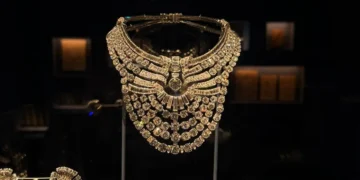
- For luxury or statement jewelry: Focus on overall scale, design complexity, diamond coverage, and finishing. More diamonds do not automatically mean better construction.
- For custom jewelry: Confirm design specifications, metal and stone details, production terms, and return or modification policies before placing the order.
Lab-Grown Diamond Jewelry Buying Checklist
Before buying, check the following – this is the ultimate check list to go back to:
- Set a total budget for the finished piece
- Choose the jewelry type and intended use
- Compare the 4Cs and actual diamond appearance
- Review shape, measurements, and proportions
- Confirm the diamond’s grading documentation
- Check the metal type, purity, and construction
- Inspect the setting, prongs, clasp, and finishing
- Compare the full price, not only the diamond price
- Review return, resizing, repair, and warranty policies
- Confirm ring size or jewelry dimensions
- Consider cleaning, storage, and long-term maintenance
Finally, having a clear checklist can prevent a common shopping mistake. Buyers often focus on the diamond’s carat weight or headline price and overlook the setting, metal, documentation, and policies that matter long after purchase.
FAQs
-
What is the best lab-grown diamond jewelry?
The right piece depends on how you plan to wear it, your budget, and the design you prefer. Compare the diamond quality, setting, metal, craftsmanship, and available policies rather than choosing based on carat weight alone.
-
How do I choose a good lab-grown diamond?
Start with the 4Cs, then review the diamond’s measurements, proportions, symmetry, polish, and visual appearance. Check independent grading documentation and make sure the report matches the diamond you are buying.
-
Is lab-grown diamond jewelry good quality?
Yes, lab-grown diamonds are real diamonds and are graded on the same 4Cs as natural diamonds. Quality still varies between individual stones and jewelry pieces, so inspect the diamond, grading documentation, setting, metal, and construction before buying.
-
How much does lab-grown diamond jewelry cost?
There is no single price range because cost depends on diamond size and quality, the number of stones, metal, design complexity, and craftsmanship. Compare complete pieces with similar specifications rather than using carat weight alone as a price benchmark.
Find the latest jewelry stories on DSCENE.