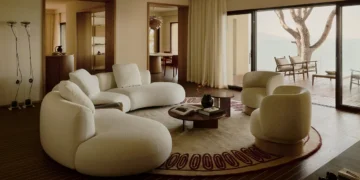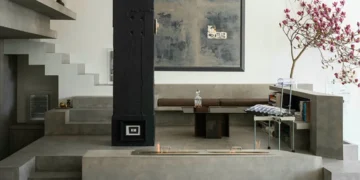



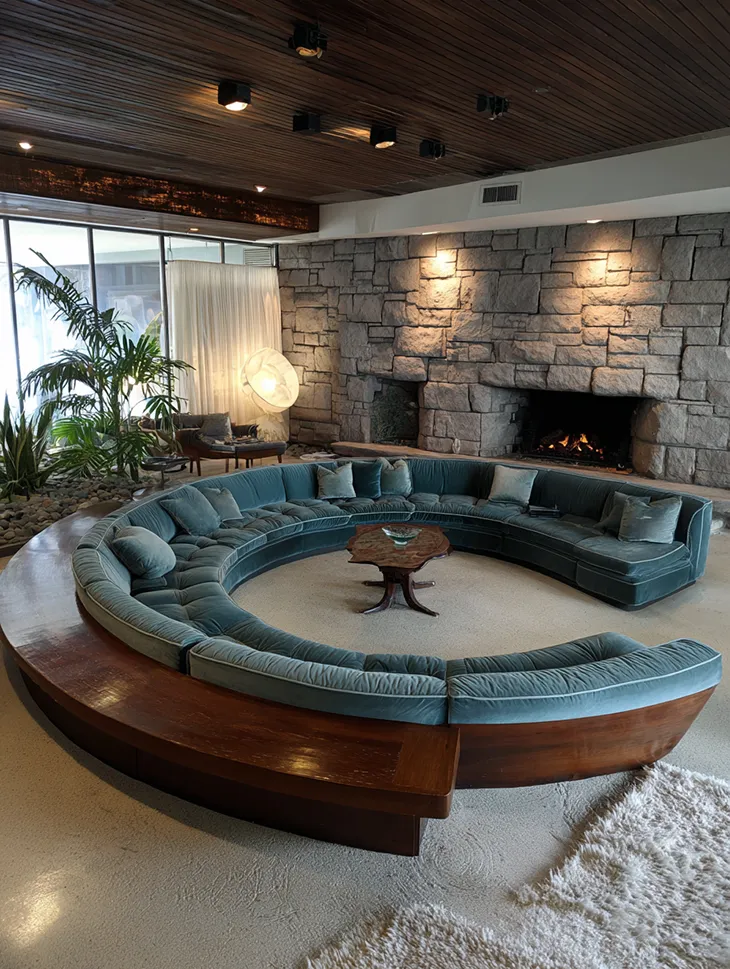
Every home has a mood. Some spaces feel instantly calm, while others feel slightly off, no matter how beautiful they look. You can have the perfect furniture, balanced lighting, and color palettes pulled straight from a design magazine and still, something feels wrong.
The truth is, aesthetics alone can’t create peace. Comfort is more than what you see. It’s how a space behaves.
The Design of Calm
Interior design is about creating harmony between structure and feeling. Designers talk about proportion, light, and texture because those things guide emotion. But what often gets ignored is what’s beneath the design, the invisible details that affect how a home actually functions.
Think temperature, sound, air quality, and even the movement of life within it. When any of these fall out of balance, it doesn’t matter how perfectly styled your home is. It starts to feel unsettled.
That imbalance is usually subtle. A faint smell. A draft. A noise behind a wall. It’s the kind of thing that unsettles the body before the mind registers it.
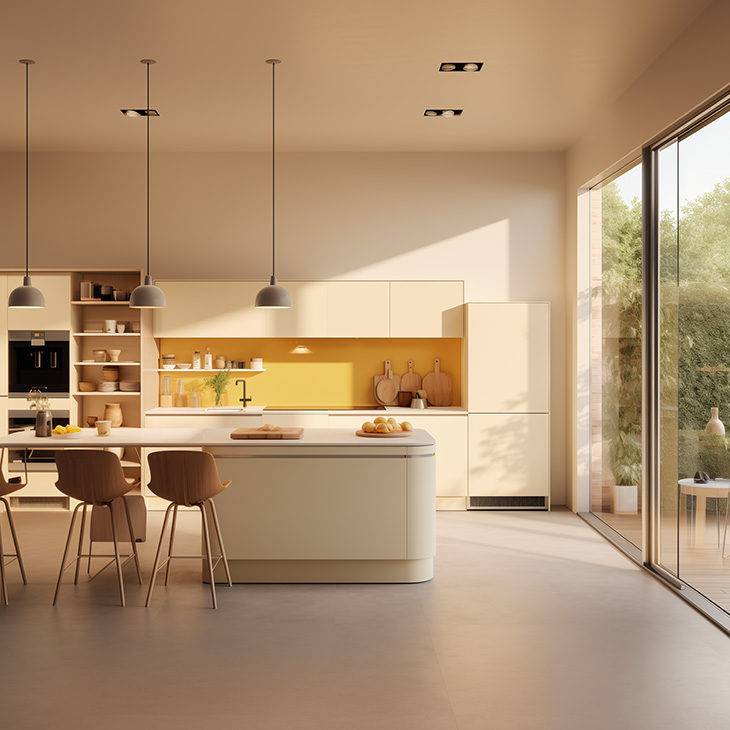
When Something Feels Off
Every homeowner knows that moment. You walk into a room and sense something’s wrong. It’s not visible, but it’s there. Maybe it’s the faint rustle behind the wall or the trail you can’t quite explain near the baseboard.
Designers rarely talk about it, but nature doesn’t stop at the front door. The same warmth that makes your home comfortable also attracts the outside world.
Rodents, insects, and seasonal pests are part of every environment. When they find a way inside, they disrupt more than hygiene; they disrupt peace.
The Overlooked Side of Design
Interior design focuses on surfaces, materials, colors, shapes, and light. But the best spaces are more than visual. They’re sensory. They smell clean, sound quiet, and feel still.
That stillness depends on structure and care. It depends on the invisible work that keeps your home healthy. Professional pest control services are part of that care. They prevent the small, hidden intrusions that make even the most beautiful rooms feel unsettled. It’s not just about getting rid of pests. It’s about protecting the sense of calm design is meant to create.
Why Clean Design Needs a Clean Environment
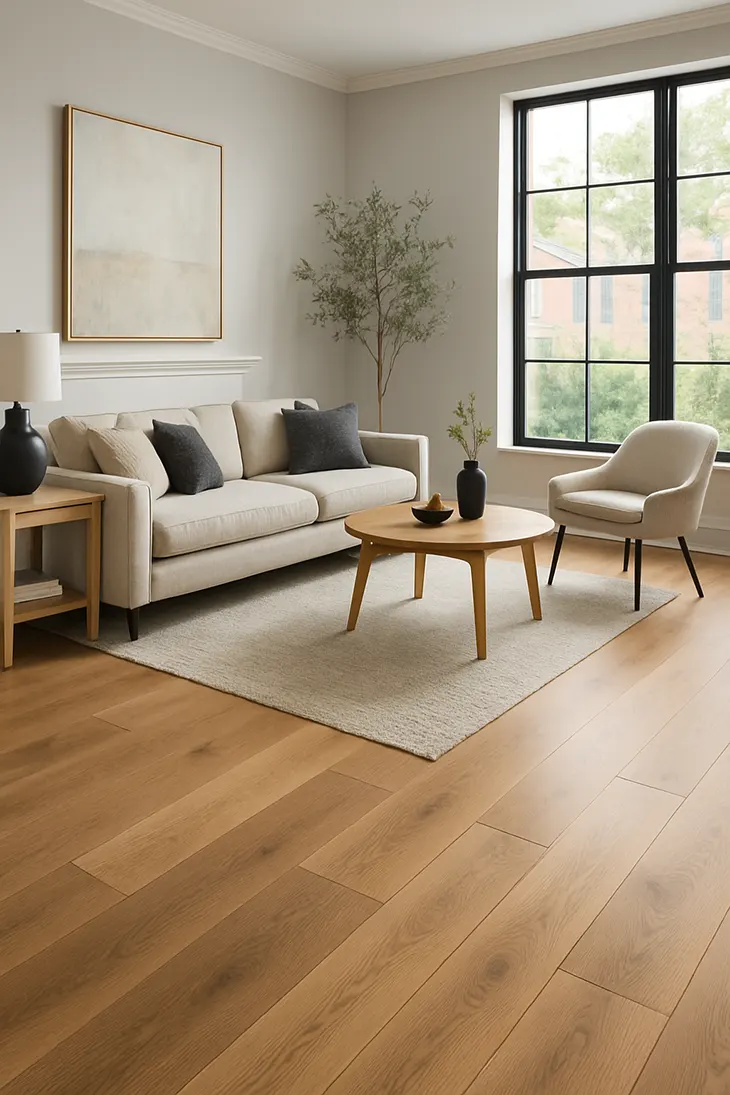
Minimalist design is built on the idea of clarity. You strip away what’s unnecessary to make space for what matters. The same principle applies to home health. When your environment is cluttered or compromised, your body feels it long before your eyes do.
Unwanted pests don’t just damage surfaces; they change how you move through your home. You avoid certain corners. You hesitate before turning off the lights. The atmosphere shifts from open to uneasy.
That’s why true comfort requires invisible structure. The work done behind the walls is just as important as the design work done in front of them.
Nature and the Modern Home
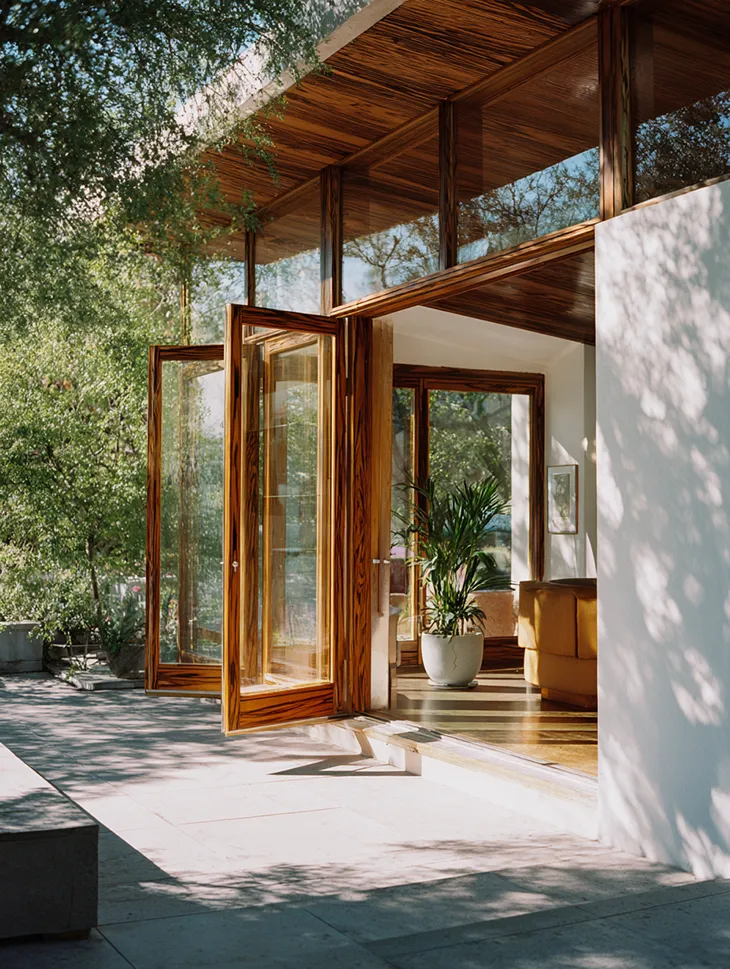
Modern homes are designed to blur the line between indoor and outdoor spaces. Large windows, natural materials, open patios, all of it brings nature closer. But that connection comes with responsibility.
Homes that feel connected to their environment also need protection from it. The more open your layout, the more entry points exist for insects, ants, and small animals looking for warmth or food.
A good designer thinks about flow. A good homeowner thinks about protection. When those two priorities align, you get a home that feels alive but not vulnerable.
Beauty Without Distraction
Design creates peace through consistency. Every room has a rhythm, a balance between sight and sound, texture and temperature. When that rhythm breaks, beauty feels unstable.
A space that looks good but feels unsettled misses its purpose. That’s why maintaining balance behind the scenes is just as essential as choosing the right lighting or layout. It’s the difference between a home that photographs well and one that feels effortless to live in.
How Comfort Really Works
Real comfort is multi-sensory. It’s visual, but it’s also tactile, thermal, and emotional. You relax because your environment feels safe. You breathe easier because the air feels clean. You sleep deeper because the silence feels complete.
Designers call this environmental psychology: the study of how surroundings affect mood. But it’s not theoretical. You can feel it instantly when something disrupts it. A flicker, a sound, a smell, a sign of intrusion.
True comfort happens when all those senses are at ease. That balance is part design, part care.
The Real Foundation of a Beautiful Home
Every stunning home has structure beneath the surface, layers of care, precision, and protection that make the beauty last. Design is one part of it. Maintenance is the other.
When both are done right, your space feels complete. Calm isn’t an aesthetic. It’s a condition.
And once you’ve experienced it, you start to realize that a truly beautiful home isn’t just one that looks good. It’s one that stays good.