


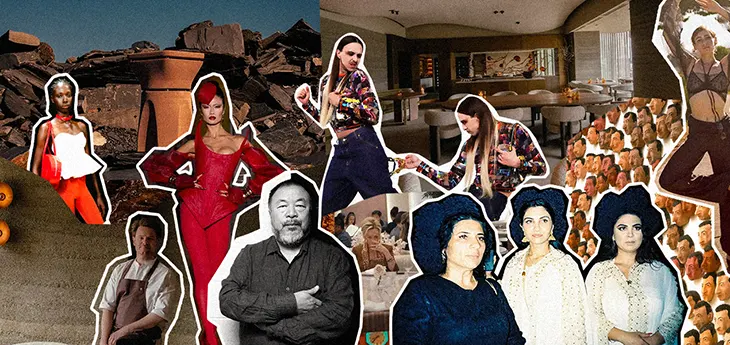
Across fashion, art, music, design, and culture, DSCENE Magazine interviews in 2025 centered on people who shape meaning through practice rather than noise. These conversations moved beyond promotion or surface-level commentary, focusing instead on belief systems, creative discipline, resistance, and responsibility. From artists confronting power to designers redefining form, each interview offered a precise moment of insight into how culture is made, questioned, and carried forward. Below are our favorite DSCENE interviews of 2025, reflecting the range of voices and practices explored throughout the year.
The Story of Mihaela Minca: Europe’s Most Powerful Witch
The interview with Mihaela Minca centered on tradition, practice, and cultural transmission. Speaking as part of a lineage of nomadic Roma witches, Mihaela addressed magic as inheritance, responsibility, and survival, rather than spectacle. Her reflections on secrecy, gender roles, and intergenerational knowledge reframed witchcraft as lived cultural practice, grounded in care, healing, and continuity. The presence of her daughters underscored the interview’s central theme: preservation as resistance.

The World According to Tommy Cash
Tommy Cash’s cover interview captured an artist fully aware of his role as disruptor. Moving between humor, provocation, and sharp cultural observation, Cash reflected on touring, internet culture, and his ongoing interest in destabilizing taste hierarchies. What made the conversation resonate was its balance of absurdity and control, revealing an artist who understands chaos as a tool rather than a gimmick, and who treats pop culture as material to be bent, sampled, and reassembled.
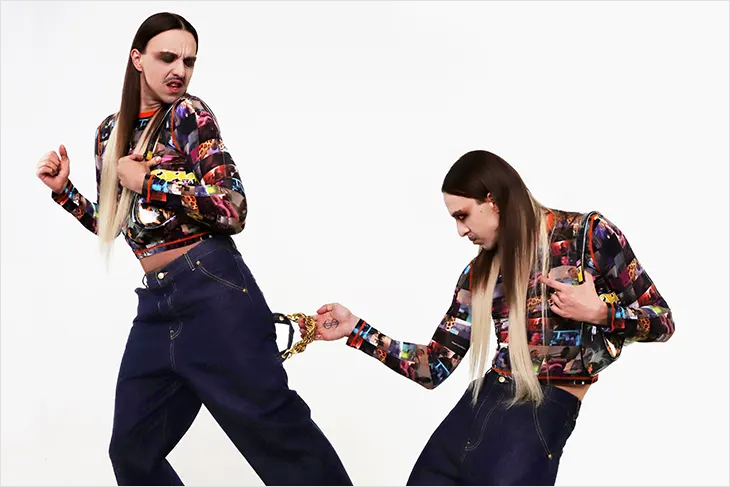
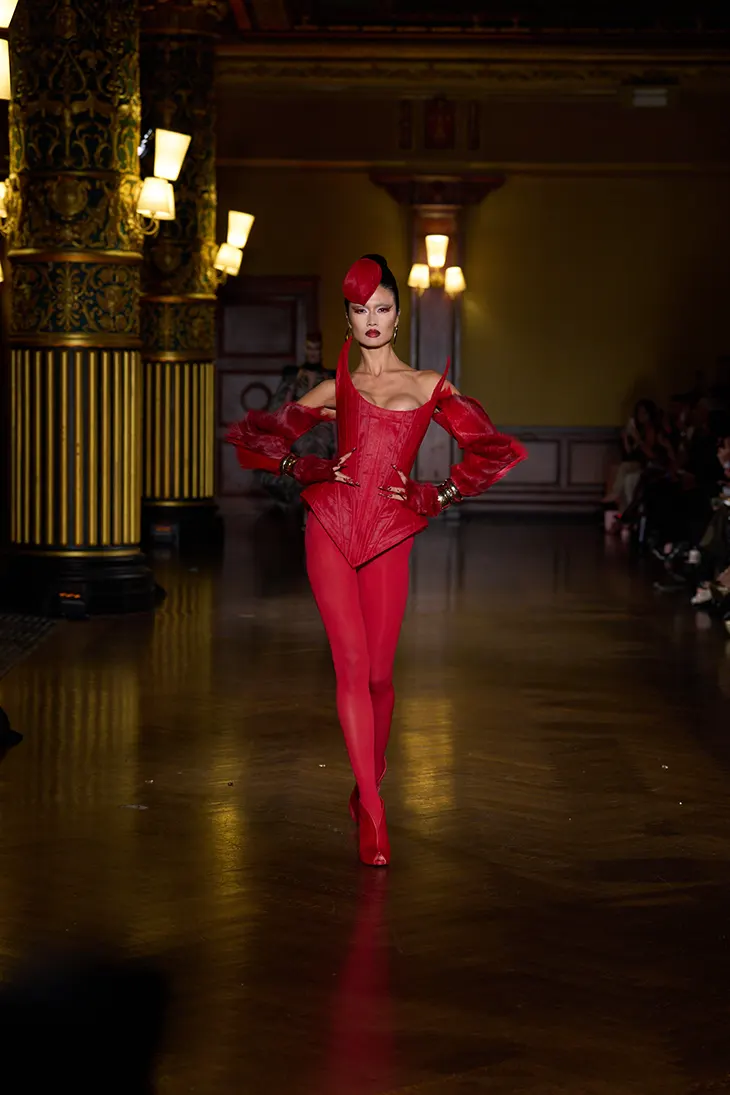
The Blonds on SS26 and Madame Hollywood at NYFW
The Blonds interview unfolded as a discussion about excess as strategy. Following their Spring Summer 2026 show, the designers spoke about Madame Hollywood as a constructed figure of power, danger, and transformation. Their approach to corsetry, embellishment, and character-driven design framed fashion as performance with intention. The conversation clarified how spectacle functions in their work as empowerment, not decoration.
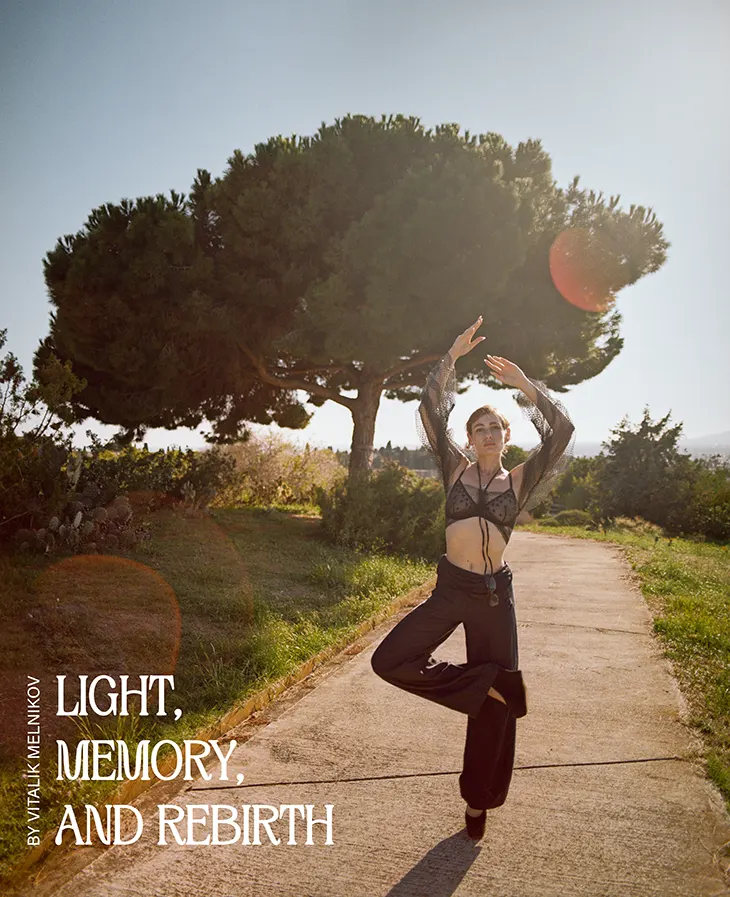
Kristina Luna on Light, Memory, and Rebirth
Kristina Luna’s interview offered a quieter, emotionally precise counterpoint. Speaking about motherhood, relocation, and artistic survival, Luna described creativity as a state of continued existence across distance and change. The conversation moved gently between sound, silence, and selfhood, revealing how her music operates as memory in motion, shaped by loss, renewal, and care.
Chef Bas van Kranen on Flore’s Reinvention and the Future of Fine Dining
Chef Bas van Kranen’s conversation around Restaurant Flore focused on value rather than luxury. Discussing micro-seasonality, material choices, and spatial design, he challenged simplified narratives around sustainability and refinement. The interview framed cooking as ethical practice rooted in proximity, restraint, and awareness, extending that philosophy into architecture and guest experience.

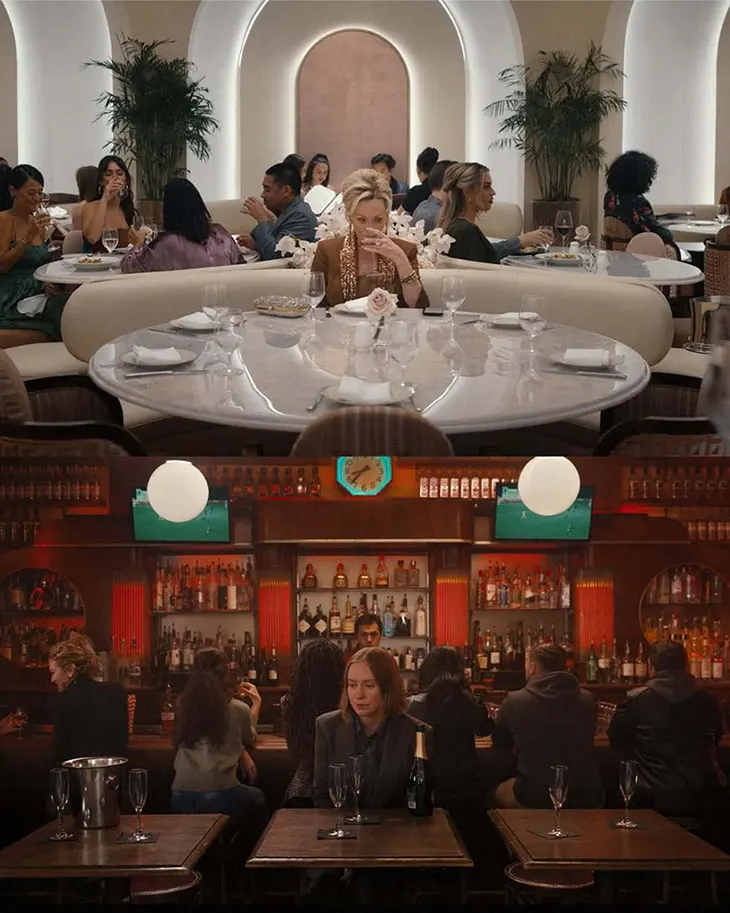
Hacks Season 4: Rob Tokarz on Merging Art, Storytelling, and Design
The interview with production designer Rob Tokarz opened a rare window into the spatial intelligence behind Hacks Season 4. Discussing Deborah Vance’s late-night set and the demands of visual storytelling in comedy, Tokarz explained how design shapes character and rhythm. The conversation highlighted production design as narrative force, operating quietly but decisively.
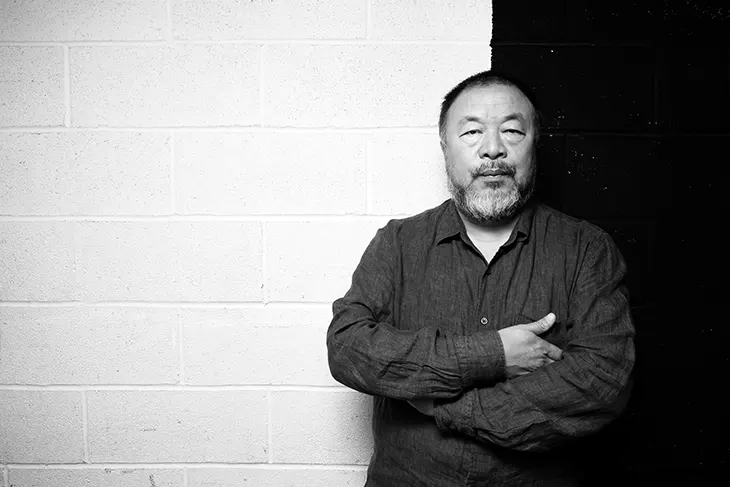
This Is Not Peace: Interview With Ai Weiwei
Ai Weiwei’s interview carried the weight of urgency. Speaking about exile, surveillance, memory, and refusal, Ai framed art as confrontation rather than commentary. His reflections on truth-telling, institutional power, and public space reinforced why his voice remains essential. The discussion around Camouflage positioned art as shelter and threat at once, shaped by the political conditions it inhabits.
Francesca Murri: Breathing New Life into Fiorucci
Francesca Murri’s interview traced her vision for Fiorucci as a site of optimism, dialogue, and play. Drawing from archive material while remaining forward-facing, Murri discussed Milan, color, and creative responsibility. The conversation framed her work as an ongoing process of reinterpretation that keeps joy and openness central.
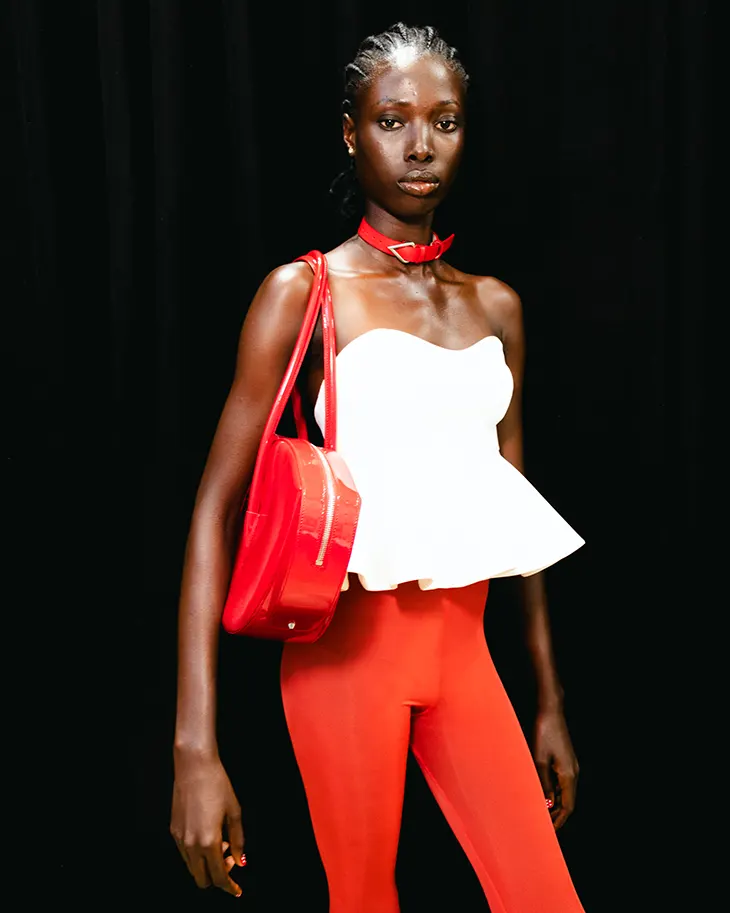
Maurizio Cattelan Doesn’t Do Weekdays!
Maurizio Cattelan’s conversation around Endless Sunday explored contradiction as method. Discussing museums, authority, and melancholy, Cattelan articulated how humor and disruption operate as structural tools in his work. The interview revealed his continued interest in destabilizing institutions from within, using art to expose the theater of power and permanence.
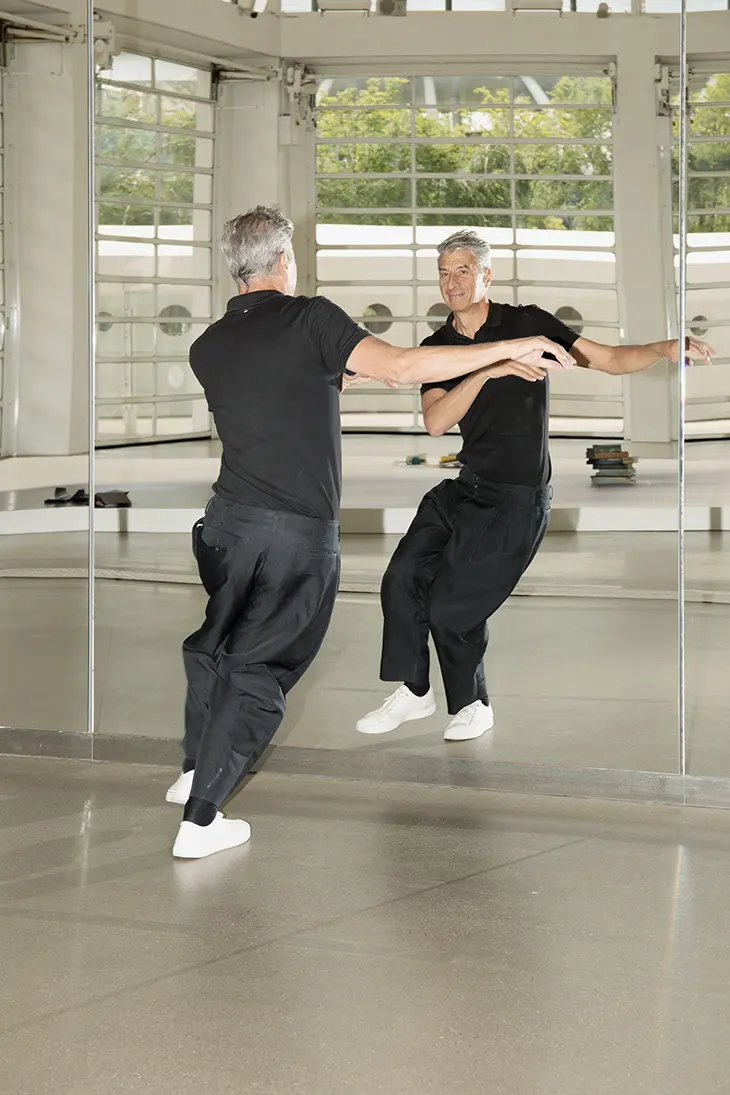
Roc H Biel on Dust Order and the Architecture of Contradiction
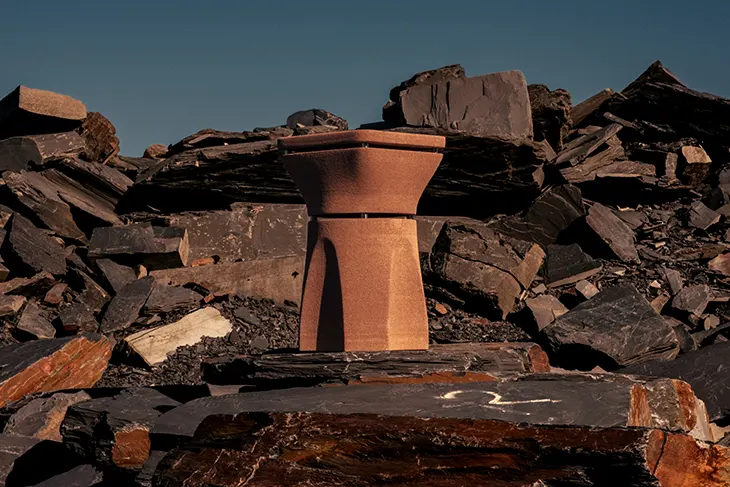
Roc H Biel’s interview focused on form, material, and transformation through his Dust Order collection. Speaking about Dust Order, Biel unpacked how architectural history, waste material, and surreal logic intersect in his work. The conversation emphasized tension, misdirection, and lightness, positioning design as a site where past references remain unstable and open to reconfiguration.