


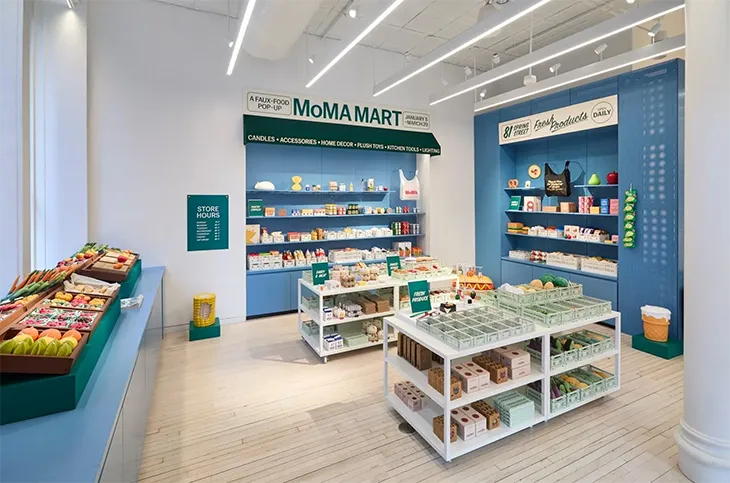
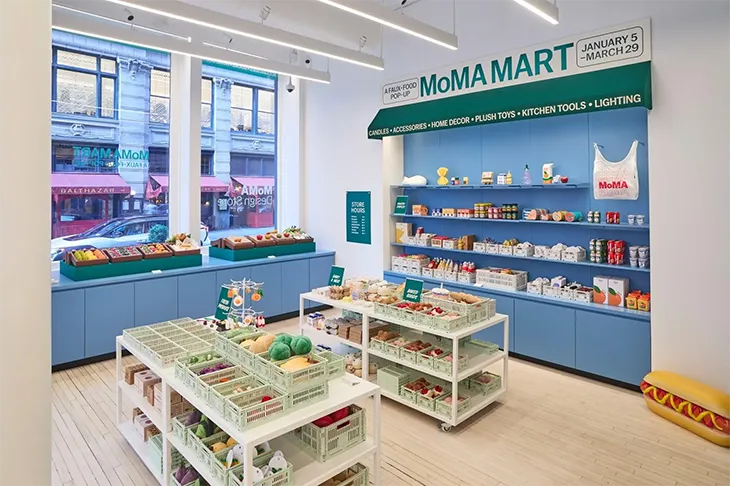
MoMA Design Store introduces MoMA Mart, a temporary faux-food retail project that adopts the structure of a grocery store while replacing edible goods with functional design objects, running from January 6 to March 29, 2026.
DESIGN
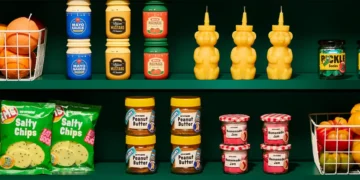
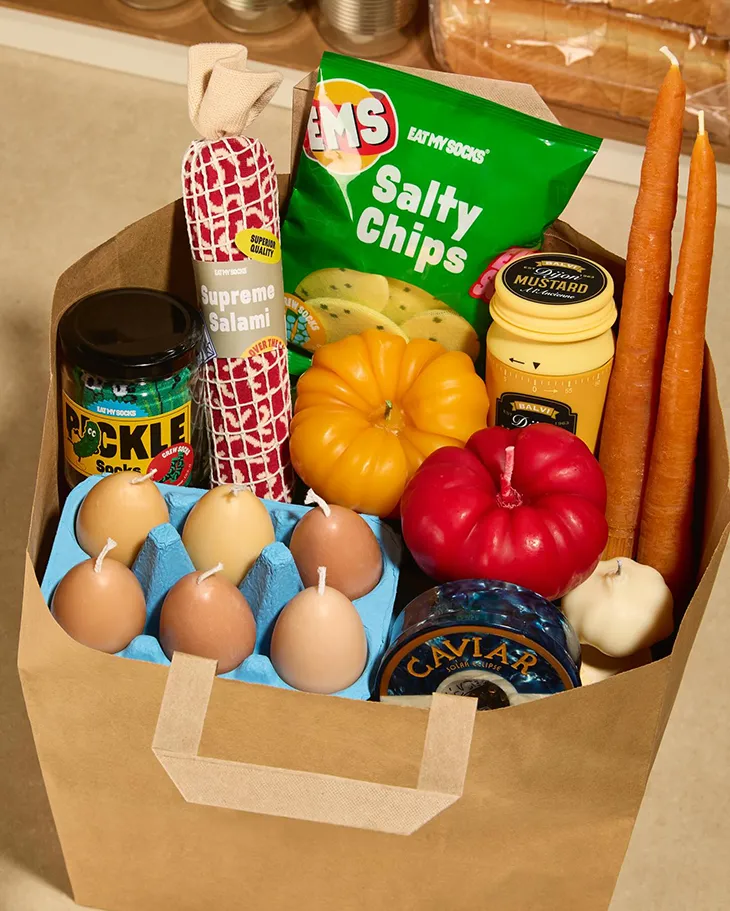
MoMA Mart relies on visual familiarity. Lamps resemble tomatoes. Clocks reference pizza slices and sandwiches. Candles take cues from produce. Vases, stools, salt-and-pepper shakers, and other domestic objects echo grocery items while serving practical roles. The store layout encourages browsing through aisles and shelves that mirror a market, prompting visitors to register form first and purpose second.

The pop-up operates at both New York City MoMA Design Store locations, SoHo at 81 Spring Street and Midtown at 44 West 53rd Street. The full selection also appears online, extending the project beyond its physical footprint. As with other MoMA Design Store initiatives, sales support The Museum of Modern Art’s exhibitions and programs.
View this post on Instagram
MoMA Mart connects directly to the museum’s long-standing interest in faux-food within modern and contemporary art. MoMA has acquired multiple works that use food as subject matter, scale reference, or visual trigger. Claes Oldenburg played a central role in this history through sculptures such as Two Cheeseburgers, with Everything (Dual Hamburgers) from 1962 and Pastry Case, I from 1961–62. His 1961 installation The Store presented oversized replicas of food items inside a mock shop environment. MoMA represents this project through a poster advertising the original gallery presentation.
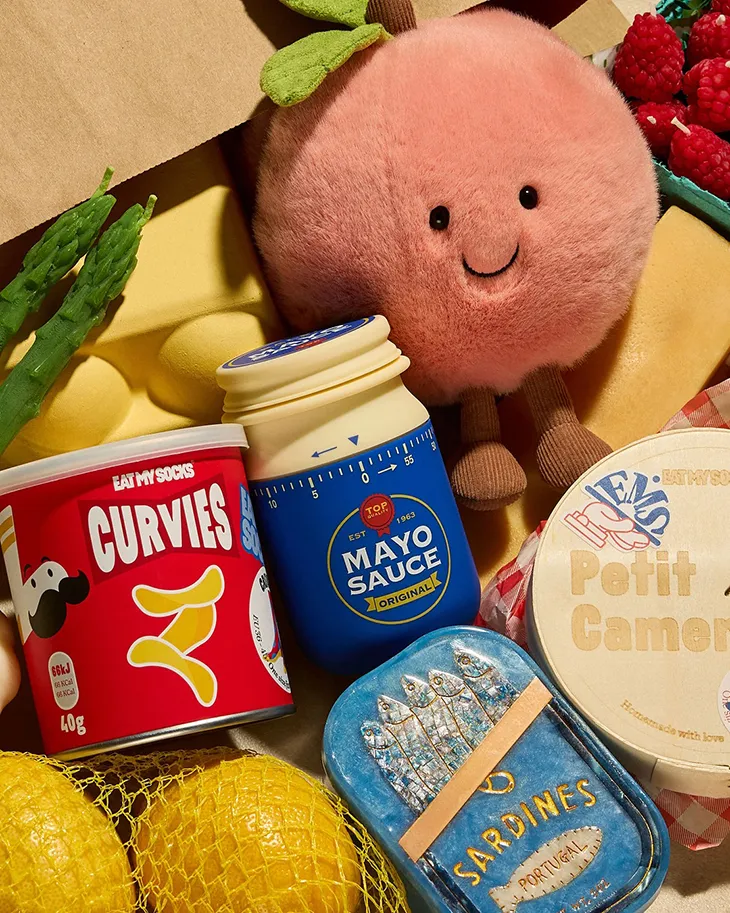
Other artists also explored food as a recurring theme. Cubist artists incorporated food into still lifes as a way to examine form and perception. Ed Ruscha later approached food imagery through text, repetition, and commercial reference, extending its role within visual culture. MoMA Mart draws from this lineage by translating familiar grocery forms into contemporary design objects meant for daily use.
MoMA Mart functions as a retail concept shaped by art history and design practice. By placing faux-food objects inside a grocery framework, the project examines how form guides perception and how familiar shapes influence interaction. The result offers a shopping experience built on observation, use, and visual memory, grounded in MoMA’s ongoing engagement with design as part of everyday life.