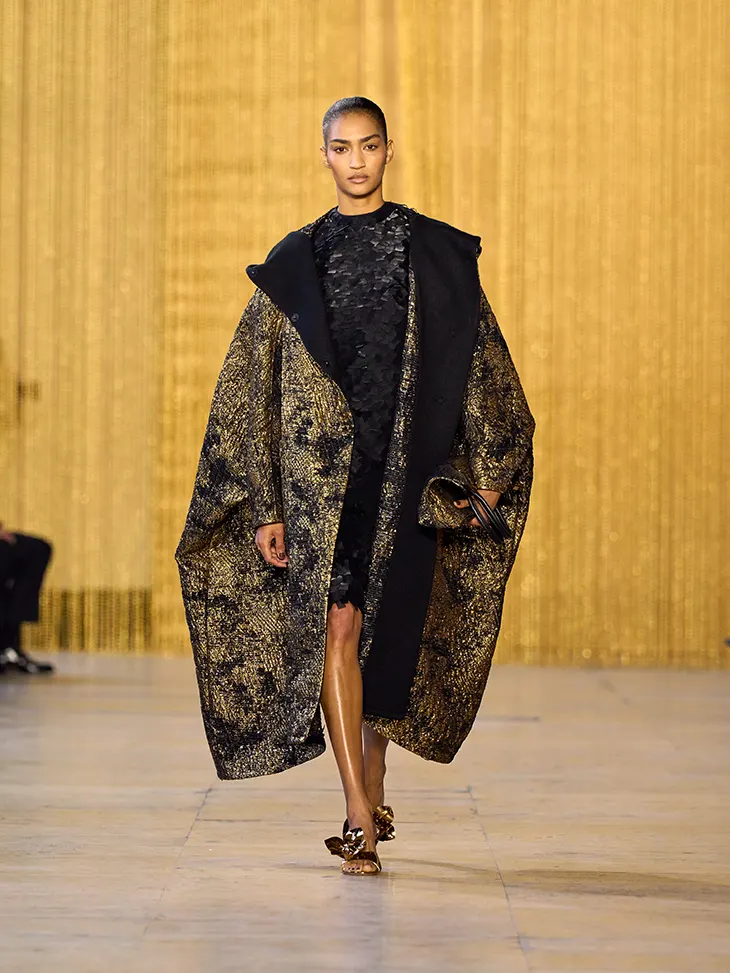



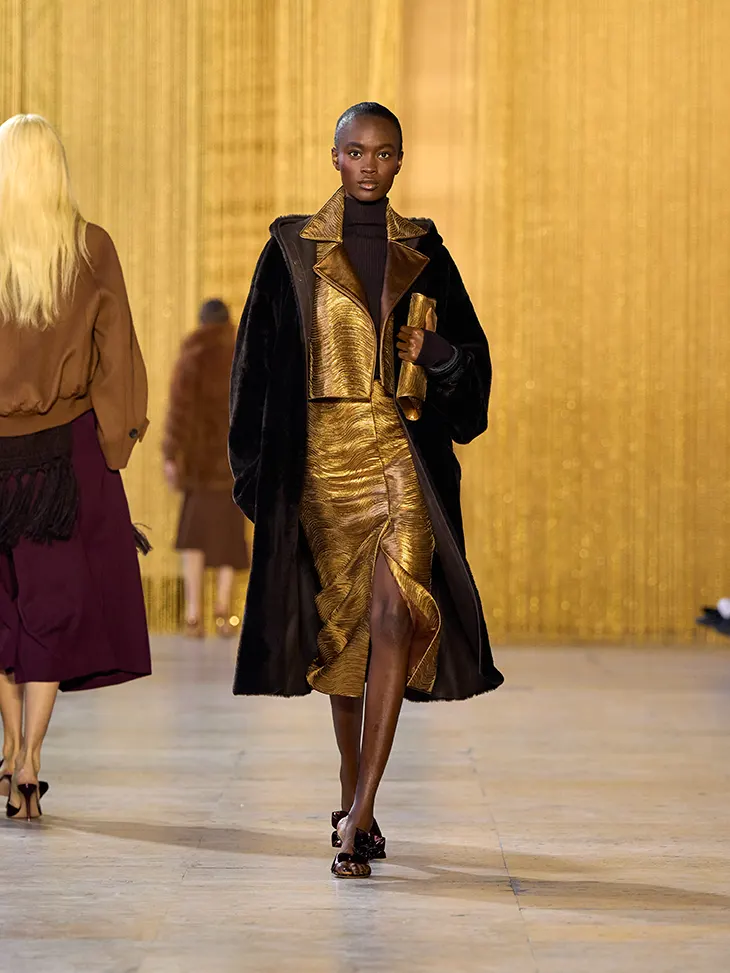
For Akris Fall 2026, Albert Kriemler draws on a dialogue with textile artist Olga de Amaral and begins the collection through texture and the tactile relationship between cloth and the body. Kriemler describes fabric as a form of language. He explains that his ideas rarely begin with words. They start with the sensation of touch and the qualities of material.
FALL WINTER 2026
Both stem from the Latin word texere, which refers to weaving and to telling. For Kriemler, this linguistic connection clarifies how fabric communicates. Texture, weight, and surface structure convey meaning through physical experience. Garments express ideas through the hand, the skin, and the movement of cloth.
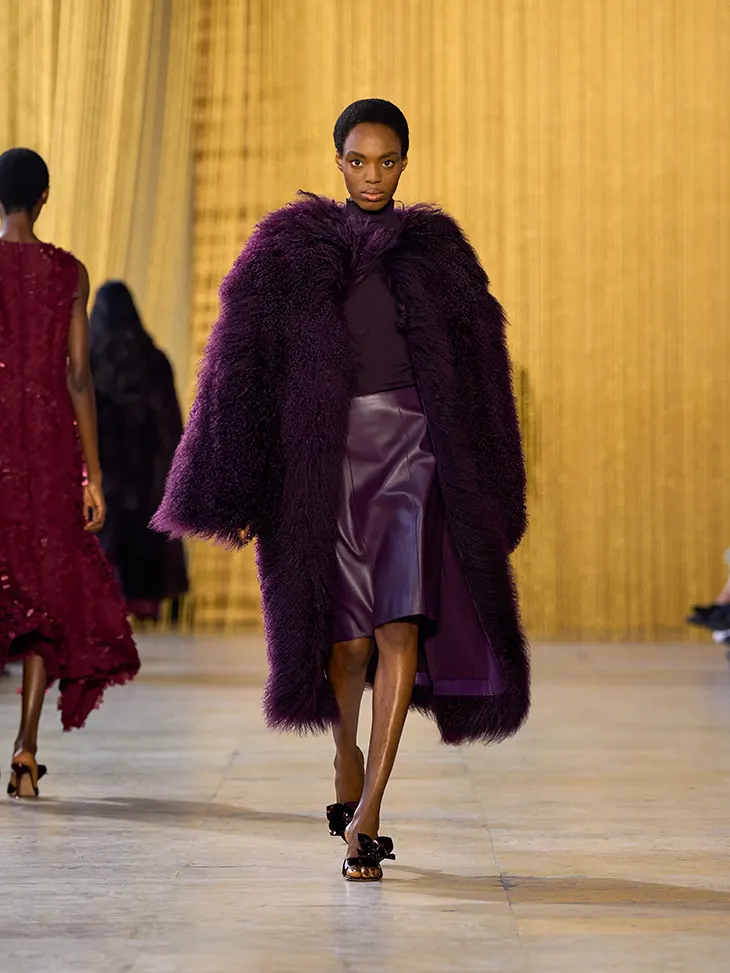
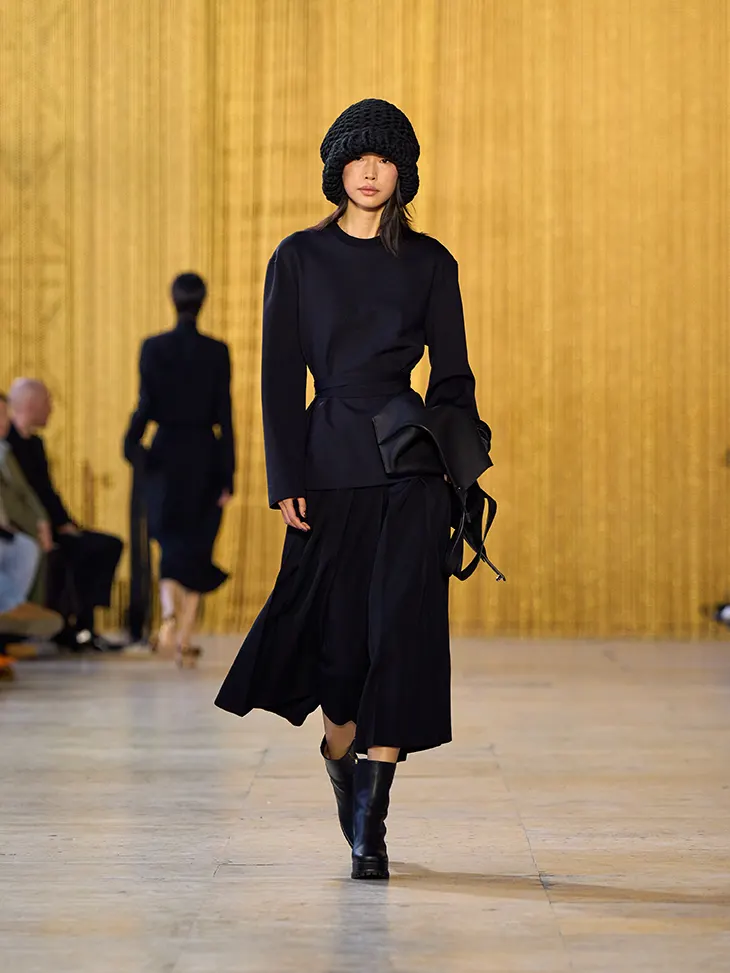
This understanding forms the foundation of his dialogue with Colombian textile artist Olga de Amaral. Her work centers on the tactile presence of fiber and the expressive possibilities of woven material. Amaral’s practice treats textile as a medium capable of transmitting memory, sensation, and physical awareness. Kriemler recognizes this shared language and identifies a strong connection between Amaral’s artistic process and his own approach to clothing.
Their collaboration began with a visit to Bogotá in September 2025. Kriemler traveled to meet Amaral in person and start a conversation about their relationship with fabric. The discussion focused on craft and sensory experience. Both creators value the direct encounter with material. Touch activates perception and anchors the body in the present moment.
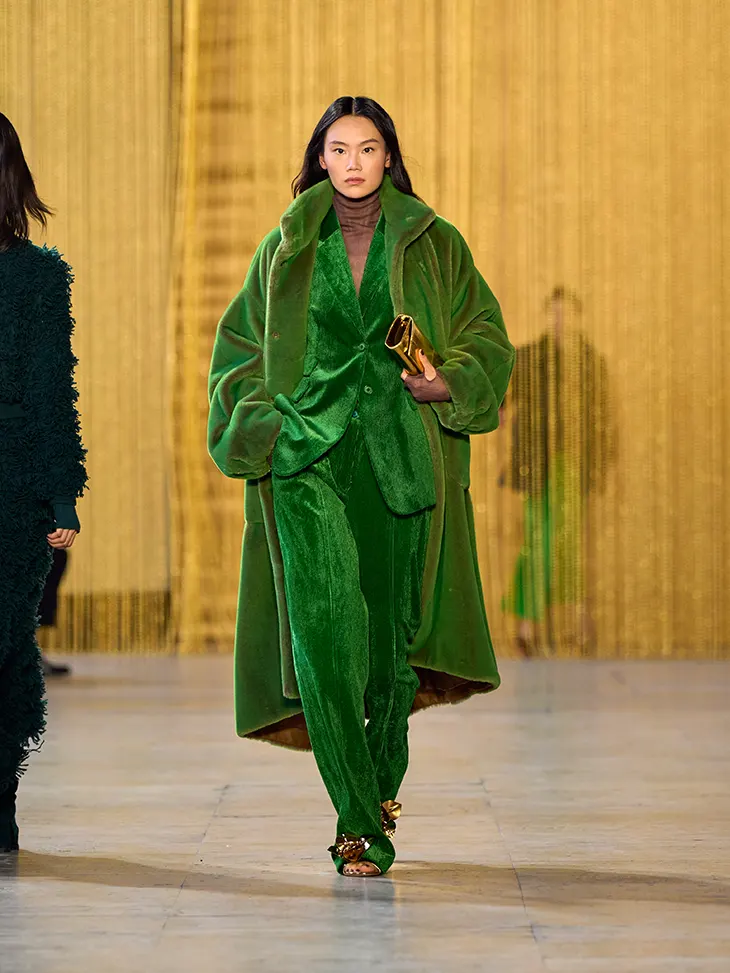
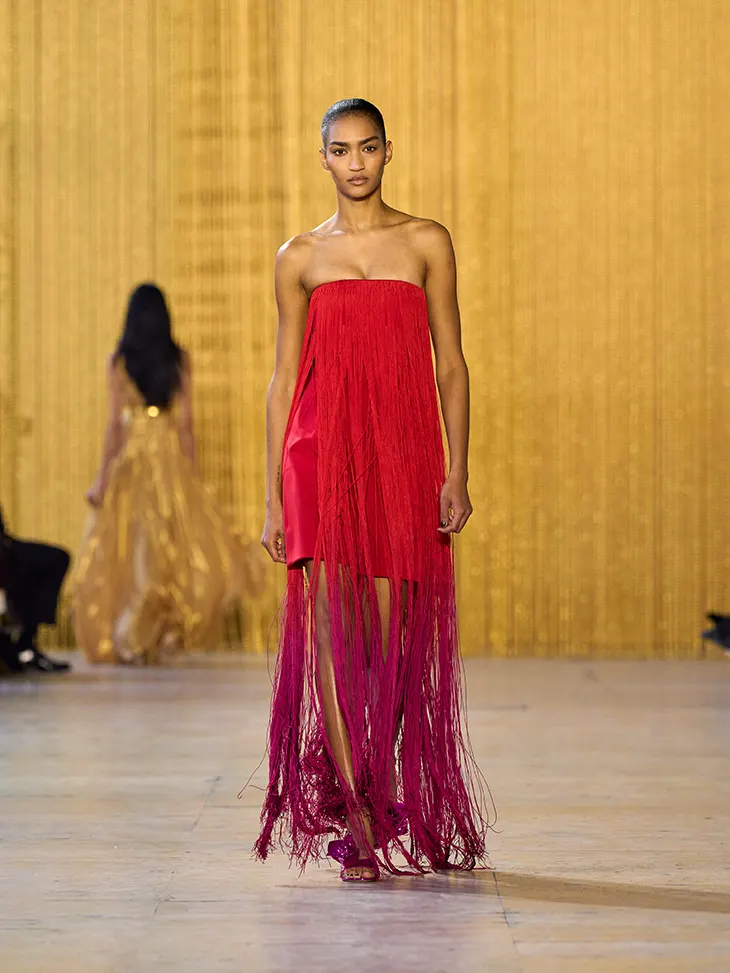
The dialogue between designer and artist revolves around tactile experience. Texture stimulates the senses and triggers memory. The feeling of cloth against the skin generates awareness of presence and movement. This immediate sensory response forms an essential part of clothing. Kriemler sees garments as objects that communicate through contact. The body interprets surface, weight, and structure before any verbal explanation occurs.
Working with Olga de Amaral opened a new direction for the Akris Fall 2026 collection. Her reputation as a major figure in textile art shaped the collaboration with significance for the designer. Amaral’s work demonstrates how fiber and weaving carry emotional and sensory meaning. Kriemler views the collaboration as a rare opportunity to deepen his understanding of fabric as a medium. He speaks of the experience with gratitude and regards it as a gift he will carry with him.