


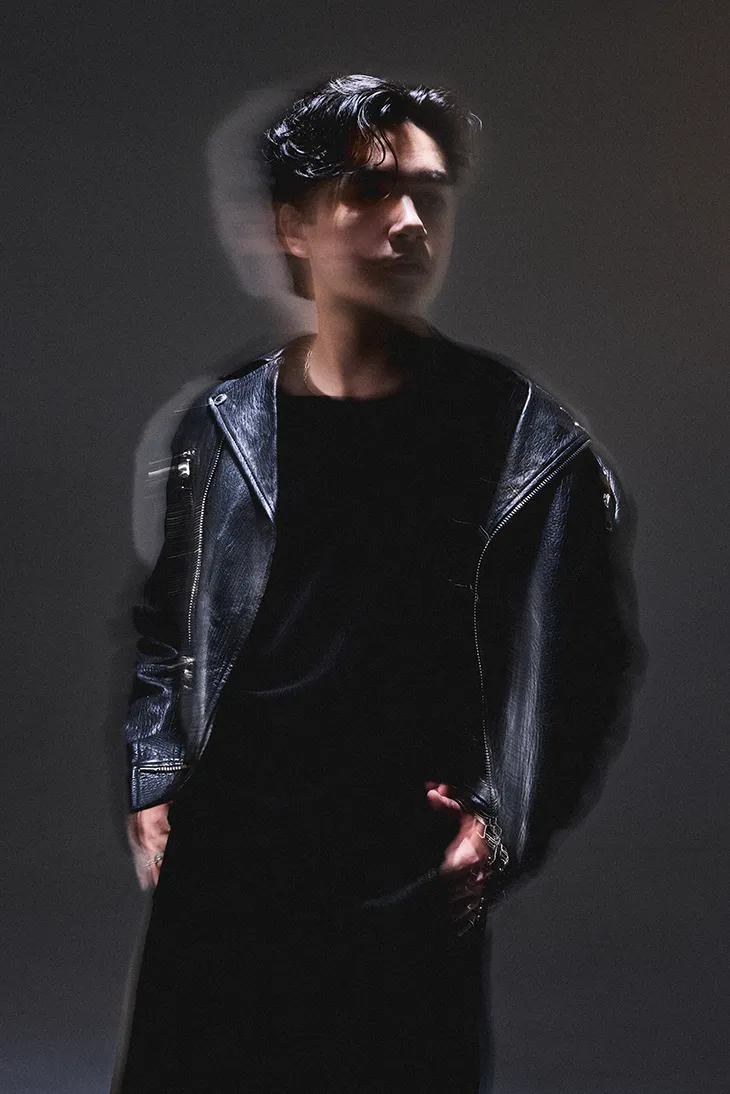
Ian Asher is a California-born dance music artist who has built a global audience through a mix of house-driven production, vocal-led tracks, and a strong presence across digital platforms. He first gained wide recognition in 2023 with his remix of Jain’s “Makeba,” which became the most-used sound on Instagram and TikTok that summer, generating over 3 billion plays and more than 80 million streams on Spotify. The release earned him “Remix of the Year” at the Electronic Dance Music Awards and a place on Spotify Mint’s Best Dance Songs of 2023.
INTERVIEWS
Since then, Asher has continued to expand his reach through new releases and live performances. His recent rework of Years & Years’ “Desire” has already reached tens of millions of streams, while collaborations with Oliver Heldens and SB19 include a No. 1 iTunes placement in over 23 countries. Alongside new releases, he maintains an active touring schedule, with appearances at EDC Mexico, Ushuaïa Ibiza, Lollapalooza, and a residency at Wynn Las Vegas.
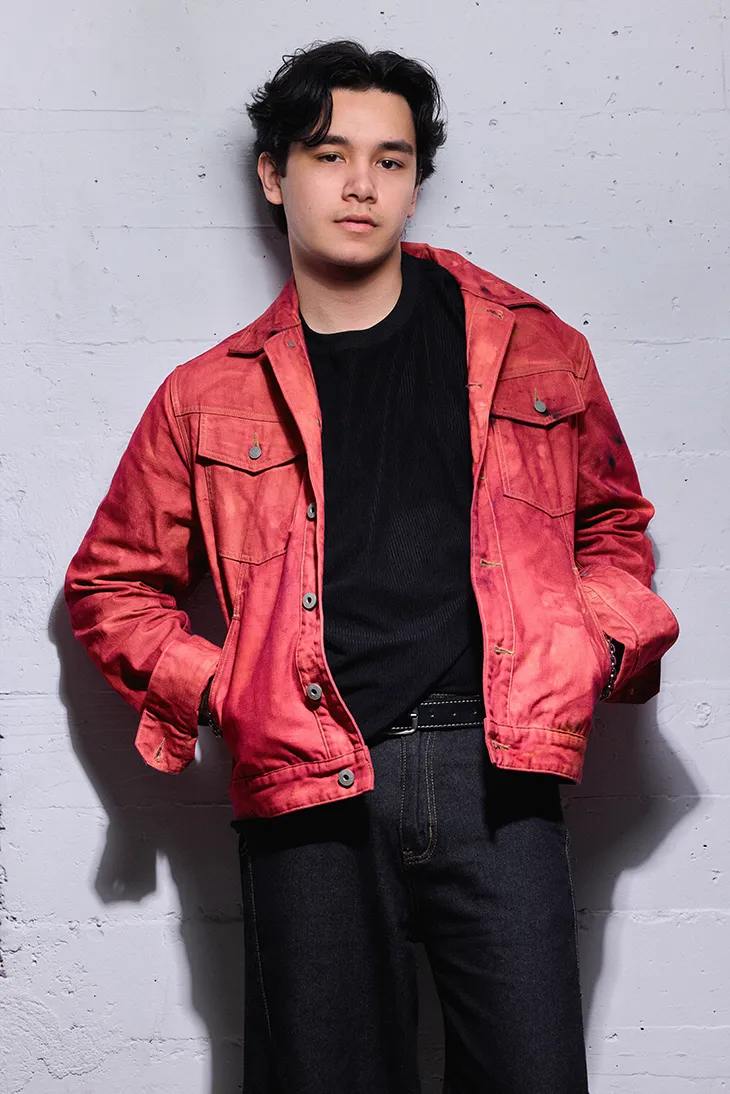
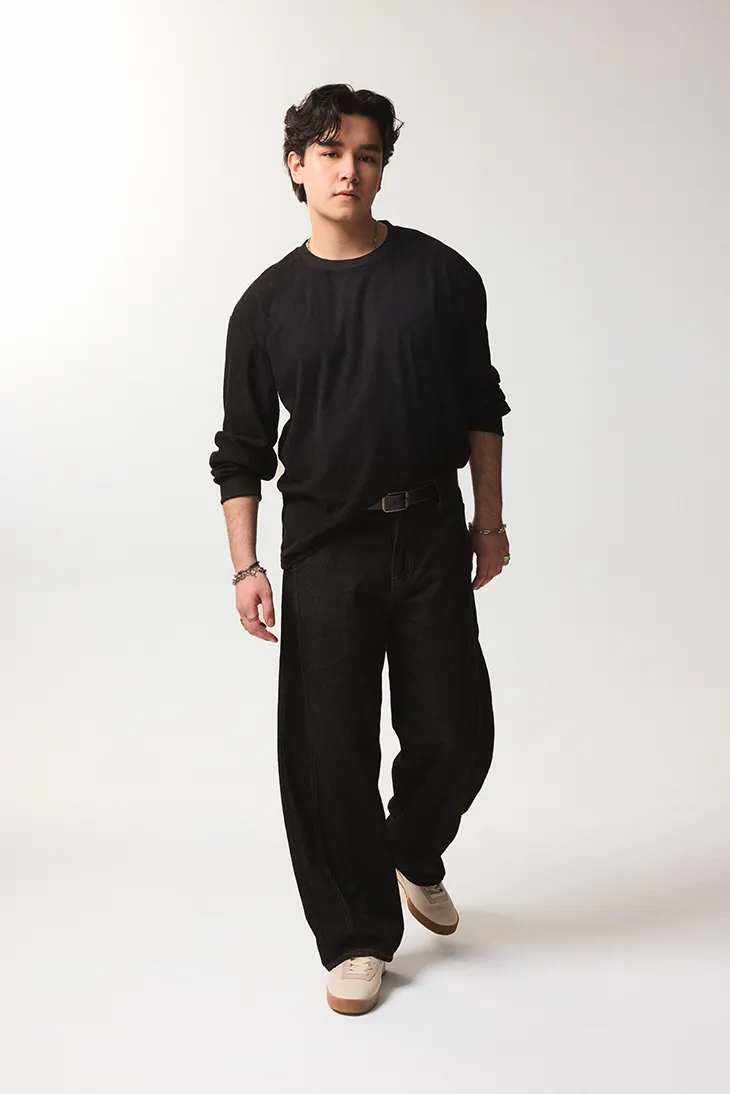
In an exclusive DSCENE interview with our editor Ana Markovic, Asher discusses his early relationship with music, his approach to remixing, and the decisions that shaped his career.
How did music first enter your life, before you thought about releasing tracks or building a career?
I’ve been obsessed with electronic music since I was about 10 or 11 years old. Honestly, I don’t really remember a time before imagining myself building a career around it, this has always been my dream, and I’ve always chased after it.
Why did remixing feel like the right format for you?
I’ve released a lot of originals and remixes, both formats I love to create. Recently, my remixes have connected so well with the fans and have opened up so many opportunities for me. I will be making a lot more originals in the future but for now I’ll keep giving the fans what they want!
This has always been my dream, and I’ve always chased after it.
How do you choose which tracks to remix?
There’s no set plan, for me it all depends on the vibe and the feeling of the vocal and if it connects with me and inspires me.
How do you decide how far a remix should depart from its original structure?
For me, the whole point of sampling and remixing is to flip something on its head, so there’s really no limit to where I want to take it creatively. If someone suggests putting boundaries on it, I’d honestly rather not do the record, at its core, it has to feel right to me. That might mean taking a hook from a track I loved as a kid, pitching it up half an octave, stuttering it, cranking the bass to 11, and dropping Portuguese vocals right in the middle. These are the kind of musical ideas that excite me and so I just follow where that takes me.
Social platforms played a role in how many listeners first encountered your work. How do you approach those platforms now?
What excites me is coming up with an idea and being able to show it to people who care about what I do that same day, in real time. It reminds me of when I first started making music and couldn’t wait to show my friends because I was so hyped about it, that’s the only energy that matters. The internet just lets me do that on a bigger scale. If I’m not genuinely tripping in my seat, excited to share something right now, I’d rather not share it.
The whole point of sampling and remixing is to flip something on its head.
Many artists struggle to carry viral momentum into a sustained artistic path. What concrete decisions did you make after “Makeba” to protect your growth and avoid being defined by a single track?
I made the decision to just fully trust my gut on everything. If something feels off, it’s off, and if it feels right, it’s right, regardless of the structure, the sample, how much I’m speeding a track up, or any factor really. I just follow where my gut is taking me, and since adopting that mindset, people have really connected with what I’m doing because it is just raw and real.
How did the scale of response to “Makeba” affect your personal life?
That was a game changing moment for me. Immediately after that took off, I started touring heavily, and so since then I’ve been on the road almost every single weekend.
If I’m not genuinely tripping in my seat, excited to share something right now, I’d rather not share it.
What differences do you notice between audiences discovering your music online and those encountering it live?
I make music that makes you want to dance, rage, jump around, just move. Because of that, I don’t see much difference between live audiences and people discovering it online. If you hear one of my tracks and love it, you should feel like getting up and jumping around in your room just like you would at one of my shows. That’s always the goal.
What do large stages demand from a track that online platforms do not?
I make very energetic and euphoric sounding music, so I’m very glad that my sound has really worked well in so many different settings. Whether you hear my records on phone speakers or at a massive festival it’s my goal that it gives you the same goosebumps.
People have really connected with what I’m doing because it is just raw and real.
You’ve collaborated with artists working in very different musical spaces. What needs to align before you commit to a collaboration?
Nothing technical really needs to align. They just need to be dope and bring their own sauce to the song, and that could mean literally anything. At the end of the day, it’s about the vibe and the feeling. That’s what I care about.
Looking ahead to upcoming releases, what are you focused on developing further as an artist?
I’m looking forward for these next few remixes that I have planned, and beyond that I plan on continuing to work on originals alongside the remixes.
Follow Ian Asher – @ianasher