



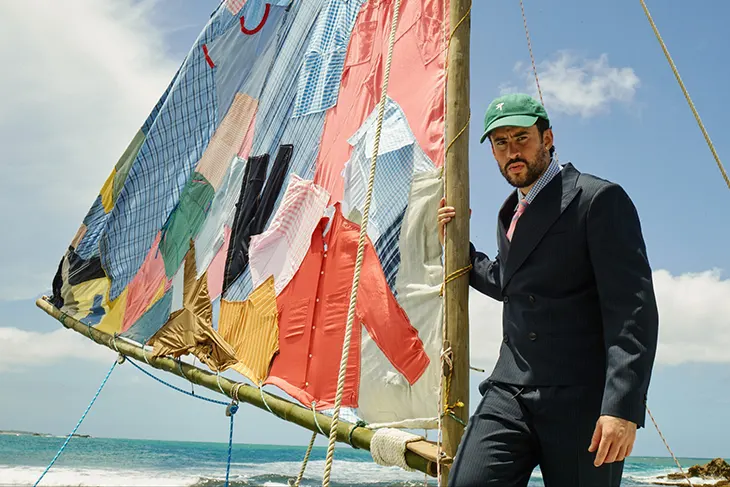
I first felt the problem during the Super Bowl halftime show. Bad Bunny stood on one of the biggest stages in American entertainment, carrying a performance loaded with cultural meaning, Latino visibility and political charge. It was the kind of moment where clothing mattered. Every detail mattered. This was not an airport photo or a casual campaign appearance. This was a global stage, a televised event built around spectacle, identity and history. I expected him to wear a young Latino designer. Someone emerging, sharp, specific, hungry. Someone who could have used that visibility to enter a conversation usually controlled by the same major houses and corporate names. There are many of them. There are enough to make the choice feel easy.
DORIC ORDER
Then came Zara. At first, it felt odd. Why Zara? Why would an artist who had built so much of his image around Puerto Rican pride, cultural resistance and anti-establishment energy choose one of the largest fast fashion corporations in the world for a moment that should have carried another kind of weight? The answer arrived later with the collaboration. The halftime outfit was no isolated styling decision. It was the opening move.
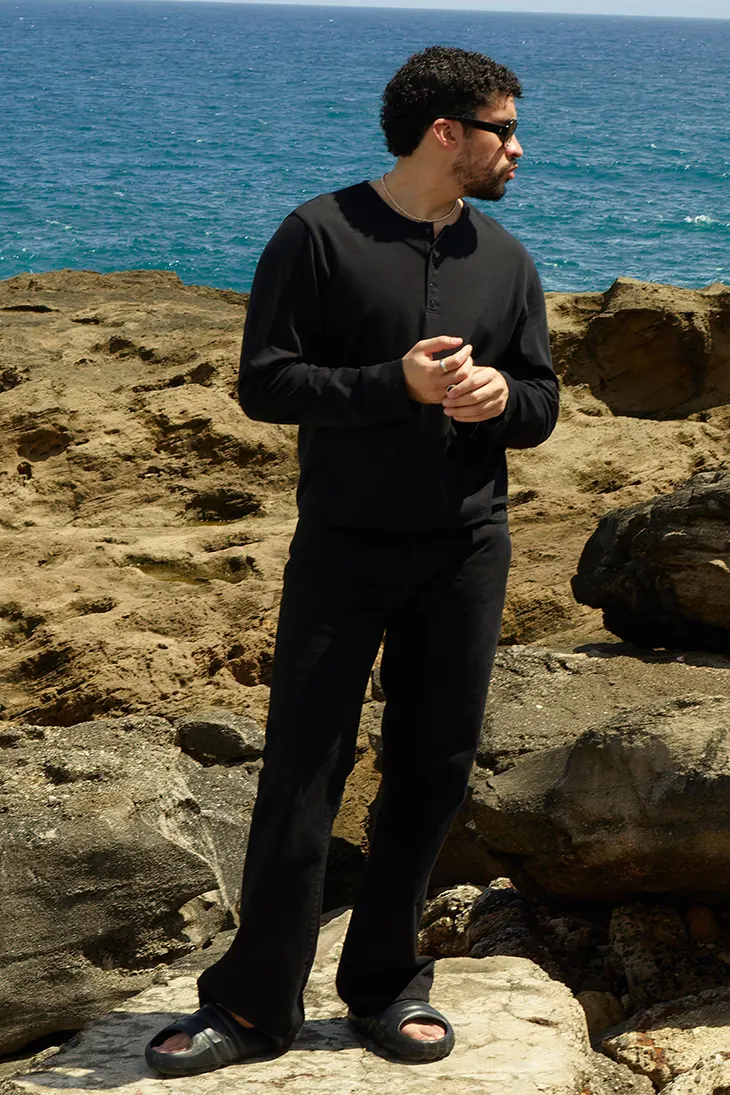
That is what makes the Zara x Bad Bunny project feel so cynical. It recasts a disappointing fashion choice as strategy. What looked like a missed opportunity to platform a young designer now reads as the beginning of a corporate rollout. The stage became soft launch. The cultural moment became product placement. The symbol of visibility became a prelude to retail.
What makes the Zara x Bad Bunny collaboration feel so strange is the contradiction behind it.
Bad Bunny, born Benito Antonio Martínez Ocasio, has spent years building an image around refusal. He positioned himself as an artist rooted in Puerto Rico, fluent in gender play, political awareness and visual risk. His public identity carried a sense of difference that felt earned because it seemed connected to place, language and attitude. He did not need the approval of the usual cultural machinery. At least that was the fantasy. He seemed to move through fame while keeping some distance from the polished corporate system that absorbs most artists once they become useful enough.
Zara collapses that fantasy. Zara is not a neutral partner. It is one of the most powerful fast fashion corporations in the world, built on speed, scale and constant consumption. Its model depends on turning desire into inventory with extreme efficiency. A mood appears, a silhouette circulates, a cultural signal gains heat, and the machine translates it into clothes before the public has time to question where the idea came from. This is the logic of fast fashion. It does not simply sell garments. It trains people to consume identity in weekly installments.
View this post on Instagram
Bad Bunny once seemed to resist that kind of flattening. He made global pop feel local, difficult and specific. He brought Puerto Rican references into the mainstream without sanding them down into something polite. He moved through masculinity with color, softness, humor and confrontation. His style worked because it felt unstable. He could look tender, strange, sexy, funny, political and deliberately difficult in the same breath. That instability made him interesting. It also made him valuable.
Fashion has always known how to monetize rebellion once rebellion becomes legible. The industry rarely destroys resistance. It studies it, copies its surface, removes its danger and sells the remaining image back to the public. A subculture becomes a capsule. A political gesture becomes a campaign mood. A local reference becomes a global drop. A gender code becomes styling. By the time the clothes reach the rack, the original friction has usually disappeared.
Benito becomes a brand code. Puerto Rico becomes atmosphere. Cultural memory becomes merchandising language.
The Bad Bunny x Zara collection, titled BENITO ANTONIO, sits directly inside that process. The project uses his birth name, his personal history and his Puerto Rican image as emotional infrastructure. On paper, that should create intimacy. In practice, it turns the person into a retail category. Benito becomes a brand code. Puerto Rico becomes atmosphere. Cultural memory becomes merchandising language.
The clothes make the contradiction harder to ignore. The collection moves through oversized basics, relaxed shapes, washed tones, casual summer pieces and familiar Zara menswear language. Some pieces may photograph well. Some will sell quickly. Some may look convincing on people who already know how to style anything. Yet the collection does not carry the visual force that made Bad Bunny compelling in the first place. It feels safe, broad and unusually ordinary for someone whose image once thrived on disruption.
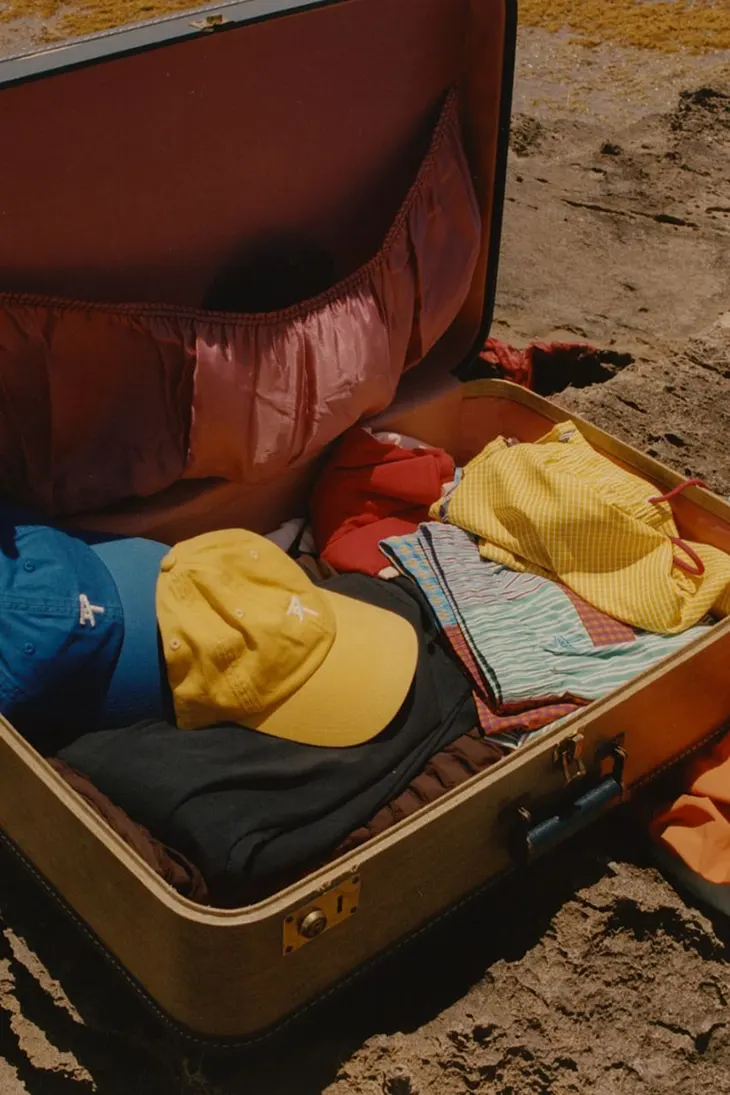
Without his name attached, much of it would likely pass through Zara’s system like any other seasonal drop. It would appear online, fill stores, move through social media for a week, then disappear into the next round of product. That disposability matters. If an artist builds cultural power through specificity, the work attached to his name should resist becoming forgettable so easily.
The disappointment grows because the Super Bowl moment could have done something else. Imagine that same stage used to introduce a young Puerto Rican or Latino designer to a global audience. Imagine a look made with cultural knowledge, personal collaboration and actual design risk. Imagine a designer whose work could have expanded the story beyond Bad Bunny himself. That would have felt aligned with the politics of visibility his image often suggests. It would have transformed attention into opportunity. Instead, the opportunity went to Zara.
Watching an artist whose image is so closely tied to rebellion and anti establishment messaging suddenly become the face of that machine inevitably raises questions.
This is where the collaboration enters a larger strategy. Zara has spent recent years positioning itself closer to the language of high fashion through partnerships and cultural alignments. The company’s two-year creative partnership with John Galliano makes that ambition clear. Galliano brings history, theater, myth and fashion credibility. His name gives Zara access to a different kind of aura, one associated with couture drama and archival imagination. Bad Bunny brings another kind of cultural capital: youth, music, Latino pride, gender fluidity and global fandom. Together, these projects reveal a company working to make fast fashion feel culturally elevated.
That strategy is clever. It is also revealing. Zara does not need to change the structure of fast fashion if it can change how fast fashion feels. It can invite Galliano to bring artistic mythology. It can invite Bad Bunny to bring cultural authenticity. It can wrap speed and scale in the language of craft, identity and personal narrative. The machine remains the machine, but the surface becomes more seductive.
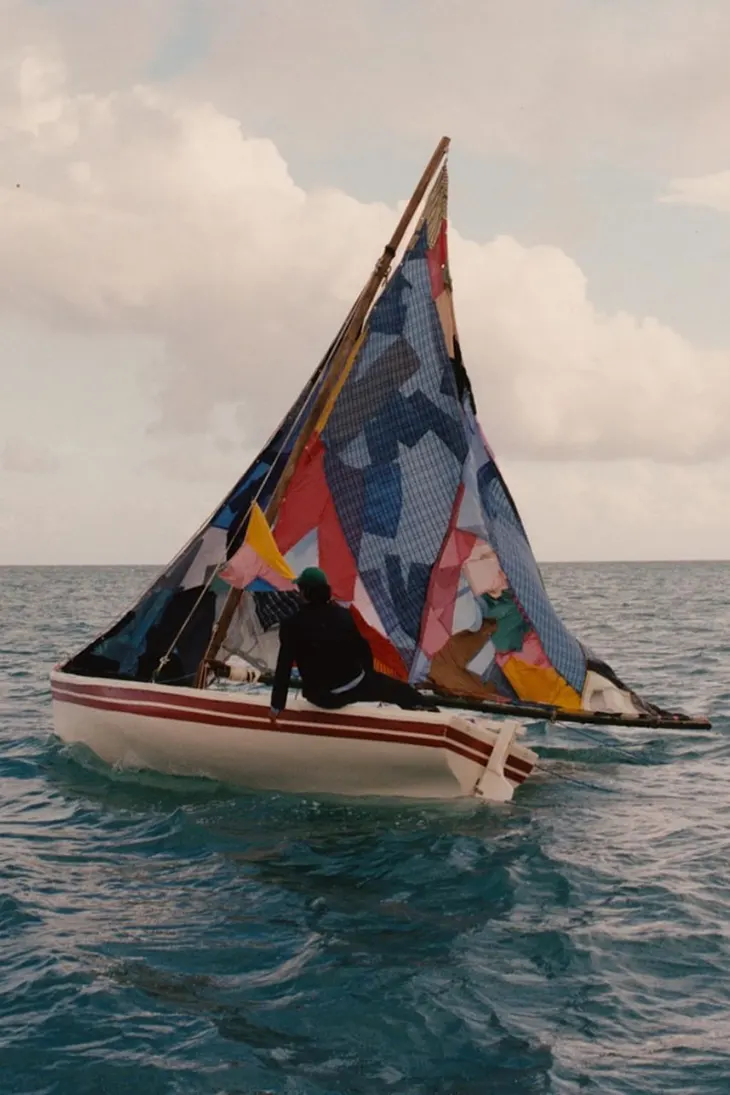
Bad Bunny is not the first artist to enter this trap. Celebrity activism has always lived inside contradiction. Famous people speak about justice while working with corporations. They critique power while benefiting from it. They celebrate community while turning community into branding. The public knows this. We have grown fluent in compromise. We call it complexity when it often looks more like convenience.
Still, some contradictions cut deeper. With Bad Bunny, the gap feels sharper because his image depended on the idea that he represented something different. He was not interesting because he became famous. He was interesting because fame did not seem to fully tame him. His refusal to translate himself for everyone, his defense of Puerto Rico, his challenge to rigid masculinity and his visual unpredictability created a rare kind of trust. The Zara collaboration does not erase that history, but it changes how it circulates. It makes the rebellion look available for licensing.
The collaboration becomes even harder to defend creatively because the collection itself feels painfully uninspired.
The collection also exposes the limits of celebrity-led design when the celebrity becomes the main idea. If the strongest thing about a garment is the famous name attached to it, the design has already lost. Bad Bunny could have used Zara’s scale to create something strange, funny, excessive or unmistakably his. He could have made the corporation work harder. He could have made mass fashion feel less obedient. Instead, the result feels designed to make Bad Bunny easier to consume.
That may be the point. The contemporary celebrity does not simply sell a product. The celebrity sells access to a feeling. In this case, the feeling is proximity to Benito: to Puerto Rico, to the Super Bowl, to rebellion, to an artist who once seemed outside the usual system. Zara understands that fans are not only buying shirts, jackets or shorts. They are buying participation in an identity story. They are buying a fragment of difference made affordable, repeatable and safe.
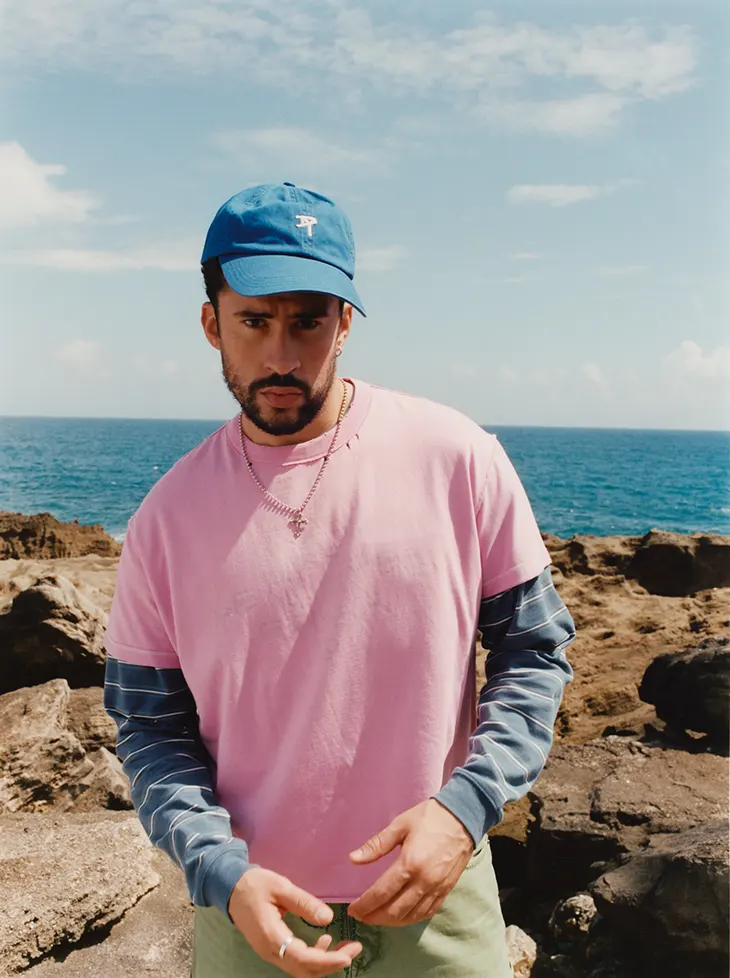
The problem is that difference loses force when it becomes too easy to package. The more Zara uses Bad Bunny’s image to signal authenticity, the more artificial the entire exercise begins to feel. Authenticity cannot survive endless translation into product. At some point, the personal becomes promotional. The political becomes aesthetic. The artist becomes a campaign asset.
This is why the Super Bowl outfit still matters. It was the first crack in the image, the moment when the choice felt smaller than the stage demanded. The disappointment came from expecting more. Not luxury, necessarily. Not spectacle for its own sake. More imagination. More responsibility toward the ecosystem he comes from and speaks through. More willingness to use his platform to widen the frame.
Fashion has always been tied to capitalism and almost every major artist eventually becomes absorbed into the same corporate structures they once appeared to criticize.
There is nothing radical about choosing Zara when you could introduce the world to someone new. Perhaps this is the future of celebrity fashion. Artists will build power through identity, resistance and cultural specificity. Brands will turn that power into collections. Fans will buy the pieces because purchase feels like belonging. Critics will point out the contradiction. The cycle will continue because the system already knows how to absorb criticism as part of the rollout.
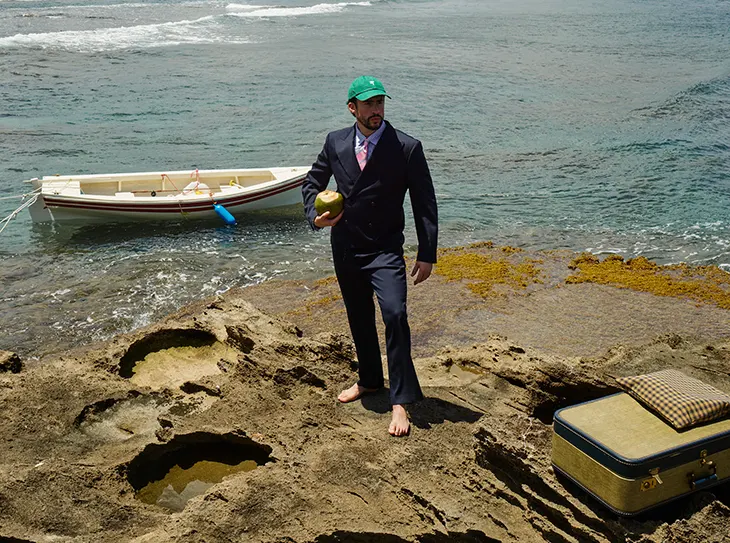
Still, criticism matters. It marks the moment when the image breaks enough for us to see the structure behind it. Bad Bunny can work with Zara. He can wear Zara at the Super Bowl. He can call the collection BENITO ANTONIO. He can turn personal history into a 150-piece retail project. But the public can also name what gets lost in that exchange.
The Zara collaboration shows that the system Bad Bunny once appeared to resist has become fluent in his language. It does not need him to abandon difference. It needs him to perform it inside the machine. It needs the politics, the softness, the Puerto Rican pride, the anti-establishment glow, the idea that he is unlike everyone else.
Then it places all of that on the rack.








Yeah so we live in the Zara world 🌎