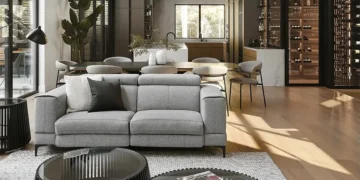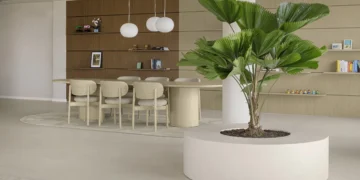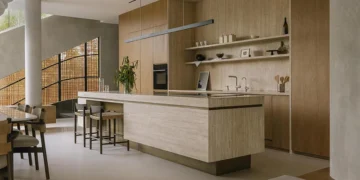



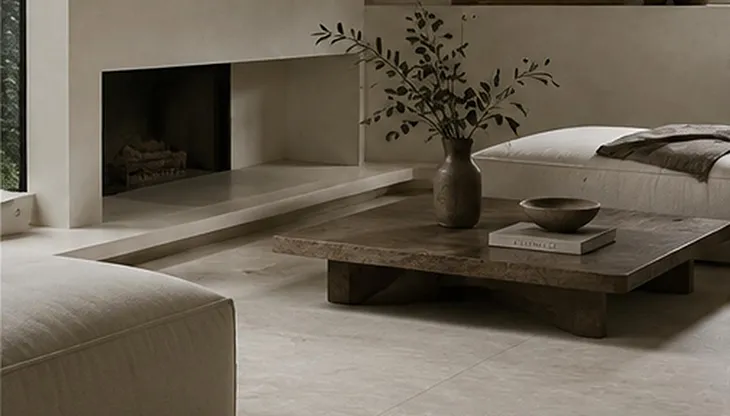
Flooring choices in 2026 are being shaped by three clear trends. Durability, natural materials and warmer colours are influencing buying decisions, while hybrid flooring has become a mainstream option alongside timber, laminate and vinyl. These shifts are influencing how Australians select flooring for both homes and commercial spaces.
Flooring Trends to Watch in 2026
Australian households are looking for floors that can handle more activity with less maintenance. Open plan living, pets and busy family routines mean scratch resistance, water tolerance and easy cleaning are now essential features.
Interior design is also moving away from cool grey tones. Warmer and more organic colours are becoming the preferred choice. Honey and caramel timbers, soft greiges and richer oak inspired finishes are replacing the grey-on-grey look that dominated the past decade.
Sustainability is becoming a stronger part of the decision-making process. Buyers want to understand where timber is sourced, what materials are used in engineered and hybrid flooring construction, and how long a floor is expected to last. Comfort underfoot is also important, especially in multi-storey homes and apartments where acoustic underlay and noise reducing installation systems are often requested.
Across the market, this has created steady demand for engineered timber, hybrid, laminate and vinyl. Rather than searching for one perfect product, people are choosing the right category for each room and budget.
Timber Flooring: Warmth That Never Goes Out of Style
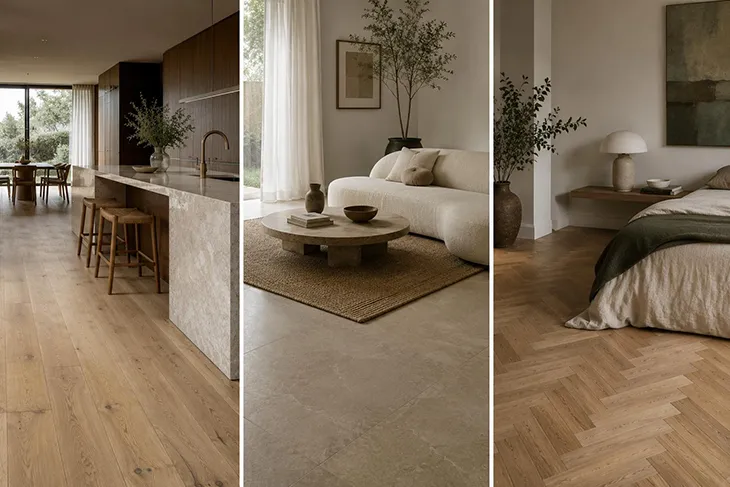
Engineered timber remains the benchmark for natural character and long-term value. In 2026, wider and longer boards are the preferred look because they create a more open feel compared to traditional narrow boards. Matte and low sheen finishes continue to be popular as they hide everyday wear and suit the softer, textured interiors that are trending this year.
Colour preferences are shifting toward natural and understated tones that highlight the timber grain. Engineered timber combines a real timber veneer with a multi layered core, offering the appearance of solid timber with improved stability. This is especially useful in Australian climates where humidity and temperature changes can cause movement in solid boards.
When considering timber flooring, it is worth reviewing veneer thickness, finish type and suitability for each room, particularly spaces with underfloor heating or higher moisture levels.
Hybrid Flooring: A Category That Keeps Growing
Hybrid flooring has moved from a niche option to a mainstream favourite. It combines a rigid core, either SPC or WPC, with a detailed timber look surface and an acoustic layer. This creates a flooring option that offers water resistance, stability and a realistic timber appearance.
Designs are becoming more authentic each year. Wider planks, embossed textures and matte finishes are now common. Some hybrid products use a natural timber veneer for added authenticity, while others use a stone polymer composite core for comfort and dent resistance.
Hybrid flooring appeals to households that want a durable, low maintenance option for kitchens, bathrooms and laundries. Its click together floating installation also makes it a practical choice for renovations where reducing downtime matters.
Vinyl and Laminate: Reliable Options That Still Play a Major Role
Vinyl and laminate remain important flooring options, especially where budget or specific performance needs guide the decision.
Vinyl provides fully waterproof performance, making it a dependable choice for wet areas and moisture prone environments. Laminate offers a cost-effective timber look with strong scratch resistance, making it suitable for busy homes and commercial spaces.
Although hybrid flooring has gained popularity, vinyl and laminate continue to be the right fit for rental properties, high traffic commercial areas and projects where cost is the main consideration.
Flooring as Part of the Broader Interior
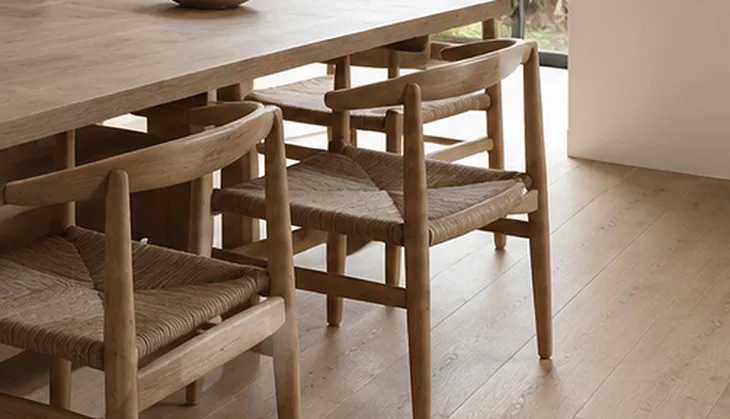
Flooring also plays a big role in how the rest of a room comes together. In Australian homes, warmer timber tones and natural finishes can work particularly well with textured rugs, soft furnishings and understated furniture. Studios such as Double Studio offer pieces that can help connect these elements, making it easier to create interiors where the flooring feels considered alongside the rest of the space rather than treated as a separate design decision.
Choosing the Right Category in 2026
There is no single correct choice when it comes to flooring choices like timber, hybrid, laminate or vinyl. The best option depends on the space, the budget and the level of performance required.
- Timber offers long term character, warmth and strong resale appeal
- Hybrid suits areas that need water resistance and consistent performance
- Laminate is ideal for durability and affordability
- Vinyl is perfect for wet areas and moisture heavy environments
Many projects in 2026 use a blended approach across a single property. Timber is often chosen for living areas and bedrooms, while hybrid or vinyl is used in wet zones or high traffic spaces.
Before making a final decision, it is worth reviewing samples in person and considering installation requirements, subfloor conditions and warranty terms.