



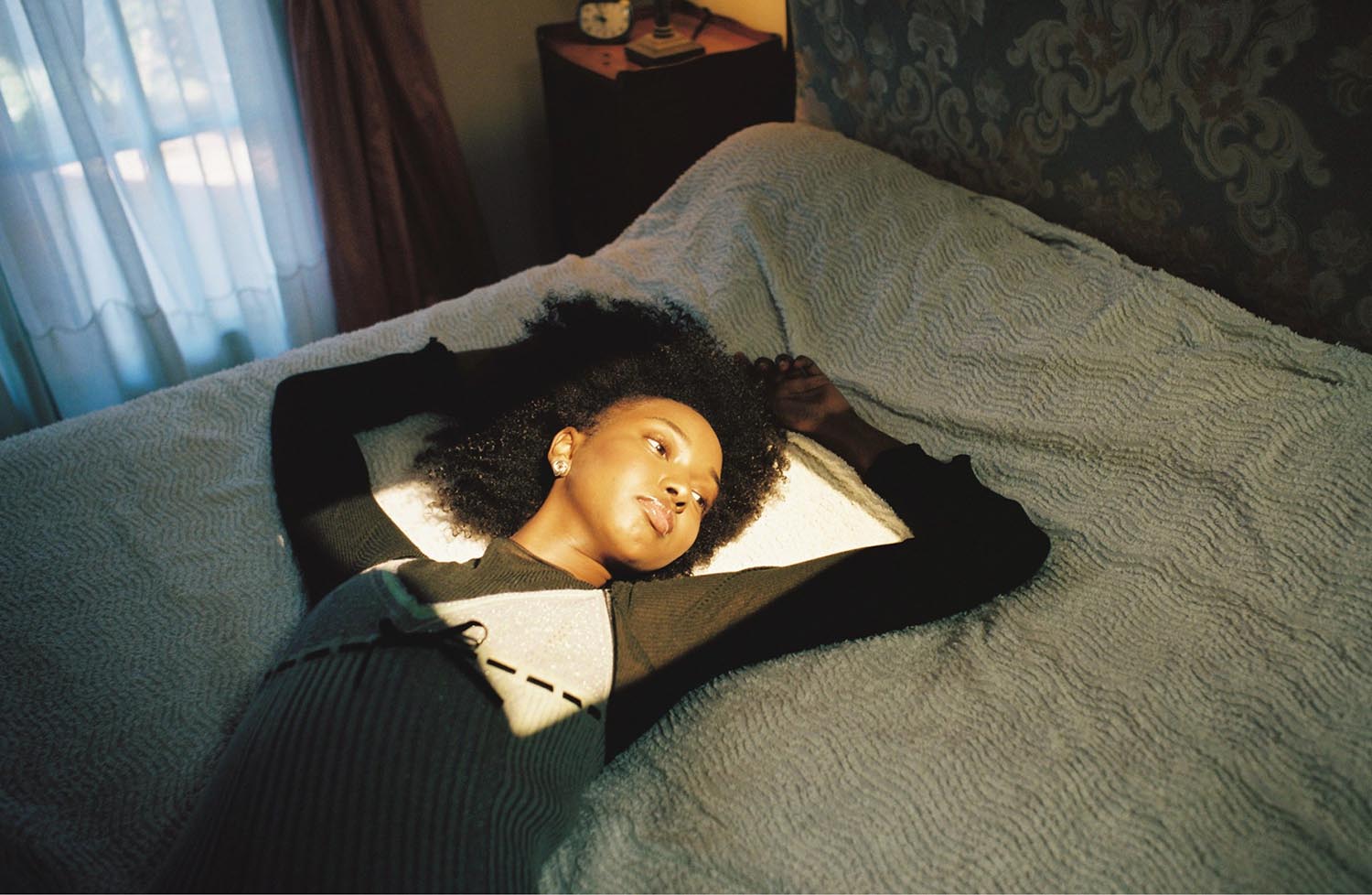
Sleep is one of the immune system’s most important working periods. During the night, immune cells change location, inflammatory activity shifts according to the body’s internal clock, and the body strengthens its memory of previous infections and vaccines. When sleep becomes short, fragmented or badly timed, that coordination begins to break down.
The consequences can appear quickly. Even a single night of restricted sleep can alter immune cell activity, while repeated disruption may contribute to chronic inflammation and a weaker response to vaccination.
Scientists increasingly view sleep and immunity as parts of the same biological system. Sleep and immunity influence each other through circadian signals that regulate immune activity, tissue repair and the body’s response to potential threats. Sleep therefore plays a central role in immune regulation and long-term health.
The connection between circadian regulation, sleep and immune function has also led to interest in compounds such as Epitalon for human use, which are studied in relation to biological timing mechanisms that influence these interconnected processes.
How the Immune System Uses Sleep as a Work Window
Sleep provides a regular period for immune activity. During the first part of the night, the body increases certain signals that help immune cells respond to threats and support long-term protection. At the same time, naïve T cells circulate at higher levels, supporting the body’s ability to respond to unfamiliar infections.
Deep sleep helps T cells move from the bloodstream into the lymph nodes. There, they interact with other immune cells and begin developing the memory that allows the body to recognise a virus, bacterium or vaccine in the future. This process works best when sleep remains deep, continuous and aligned with the body’s internal clock.
The relationship also works in the opposite direction. During infection or inflammation, the immune system releases substances including interleukin-1 beta and tumour necrosis factor alpha, which can increase sleepiness and promote deeper sleep. This explains why the body often demands extra rest during illness.

What Sleep Deprivation Does to Immune Defences
Sleep deprivation can alter immune activity after only one night. Natural killer cells, which help the body identify and respond to infected or abnormal cells, become less active when sleep is restricted. This weakens one of the immune system’s fastest lines of defence.
The effects become more serious when short sleep continues. Repeated sleep restriction can reduce the body’s antibody response after influenza vaccination, making it harder to build strong protection.
Long-term sleep disruption can also keep the body in a state of low-grade inflammation. Levels of inflammatory markers such as IL-6 and C-reactive protein rise, while T-cell production, natural killer cell activity and lymphocyte growth begin to decline. This creates a less balanced immune response, with more inflammation and weaker protection against infection.
Poor sleep may also affect how quickly immune cells age. Researchers have connected prolonged sleep disruption with shorter telomeres in T cells. Telomeres protect genetic material and gradually shorten over time, linking inadequate sleep with faster cellular ageing and declining immune function.
Over time, this combination of weaker immune activity and persistent inflammation can affect systems throughout the body. It has been associated with cardiovascular disease, metabolic disorders, autoimmune conditions and neurodegenerative disease. The consequences of poor sleep therefore extend far beyond tiredness or a greater chance of catching a seasonal infection.
Vaccination Shows How Sleep Shapes Immune Memory
Vaccination offers a clear way to see how sleep affects the immune system. People who sleep fewer than six hours in the days before a flu vaccine can produce a much weaker antibody response than those who sleep seven hours or more. Similar patterns have appeared in research on hepatitis A, hepatitis B and H1N1 vaccines.
Sleep after vaccination also plays an important role. During the night, the immune system begins organising its response to the vaccine and building the memory it will use during future exposure. When sleep becomes disrupted during this period, that process becomes less effective.
The first night appears especially important. Sleep supports the development of antigen-specific immune memory, allowing the body to recognise the same threat more quickly in the future.
The Circadian Clock as the Shared Mechanism
Sleep and immune function depend on the same circadian system. Immune cells carry their own molecular clocks, controlled by genes including Bmal1, Clock, Per and Cry. These clocks regulate when cells move through the body, release cytokines and respond to potential threats.
This timing affects how lymphocytes circulate through the lymph nodes and how strongly immune cells react to antigens. It also helps guide the development of CD4+ T cells into different forms, each responsible for a specific part of the immune response.
Chronic sleep disruption can push these cellular clocks out of alignment with the body’s internal clock. Fragmented sleep, irregular timing and shallow sleep can all interfere with the signals that organise immune activity.
This explains why sleep quality matters as much as duration. A person may spend enough time in bed, yet poor timing or repeated interruptions can still weaken the coordination between sleep and immune function.
What This Means for Long-Term Immune Health
Sleep patterns and immune function change with age. As melatonin production declines, circadian signals grow weaker and sleep becomes lighter and more fragmented. This can affect overall wellbeing by making it harder for the immune system to use the night as a regular period for repair and coordination.
Over time, the loss of deep, continuous sleep can contribute to persistent low-grade inflammation. Immune responses become less coordinated, while inflammatory activity remains elevated for longer periods.
Researchers often describe this process as inflammaging. It connects age-related changes in sleep and circadian timing with the gradual accumulation of inflammation that can weaken immune function over time.
Images from Depressing Holidays by Hoa & Elina Lankry – see full article here.