


There was a time when a sunroom felt like an afterthought, a glassed-in porch tacked onto the back of a house for the occasional lazy afternoon. That perception has changed. Across new builds and renovations alike, the sunroom has moved from optional extra to design centerpiece, the room homeowners actually plan their layouts around rather than squeeze in wherever space allows.
Part of the shift comes down to how people are living now. Remote work blurred the line between home and office, and with it came a renewed appreciation for rooms that feel different from the rest of the house. A sunroom offers exactly that: a change of light, a change of texture, a sense of being outdoors without actually stepping outside. It is the room people gravitate toward for a morning coffee, an afternoon read, or a call they would rather not take at a kitchen table.
Designing for Light, Not Just a View
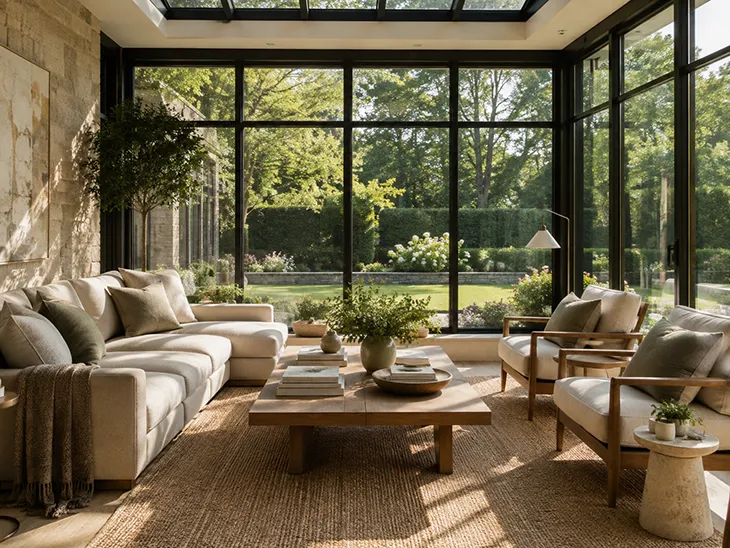
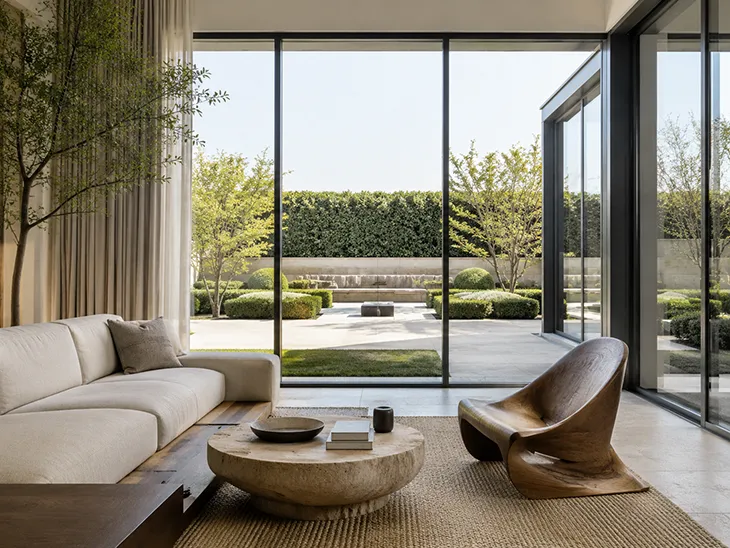
The best sunrooms are built around the quality of light they let in. Architects and designers are leaning into larger glazing systems, thinner window mullions, and vaulted or gabled ceilings that let daylight travel deeper into the space throughout the day. Where older sunroom additions relied on a single wall of windows, newer designs wrap glass around two or three sides, sometimes extending it overhead with a full or partial glass roof.
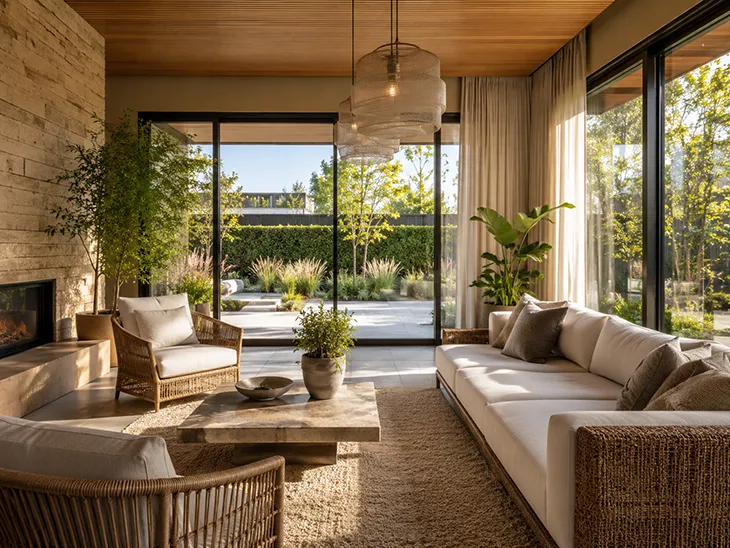
Material choices have shifted too. Instead of the plastic wicker and glass-topped tables that once defined the sunroom aesthetic, homeowners are furnishing these spaces the way they would any other living area: performance fabrics that can handle sun exposure, warm wood tones, layered textiles, and lighting fixtures chosen for evening use. The result is a room that reads as an extension of the home’s interior design language, not a separate, lesser space.
Four-Season Function Is the New Standard
The other major evolution is function. A sunroom that only works for a few months a year is increasingly seen as a missed opportunity. Insulated glazing, radiant floor heating, mini-split systems, and better-sealed frames have made it realistic to use these spaces in January as comfortably as July. That four-season capability is often what separates a simple screened porch from a true sunroom addition, and it is a major factor in how homeowners think about the value of the investment.
This is also where planning tends to get more complicated than people expect. Foundation requirements, roofline integration, HVAC extension, and glazing specifications all vary significantly depending on whether a sunroom is a three-season space or a fully conditioned one. Homeowners researching a project often start by trying to understand realistic sunroom cost ranges before they get into layout and finish decisions, since the answer shapes almost every choice that follows, from window style to roof structure. Firms like Lifestyle Remodeling, which specializes in these additions, typically walk clients through that budgeting conversation early, precisely because it determines what is architecturally possible on a given home.
A Room That Pays Attention to the Rest of the House
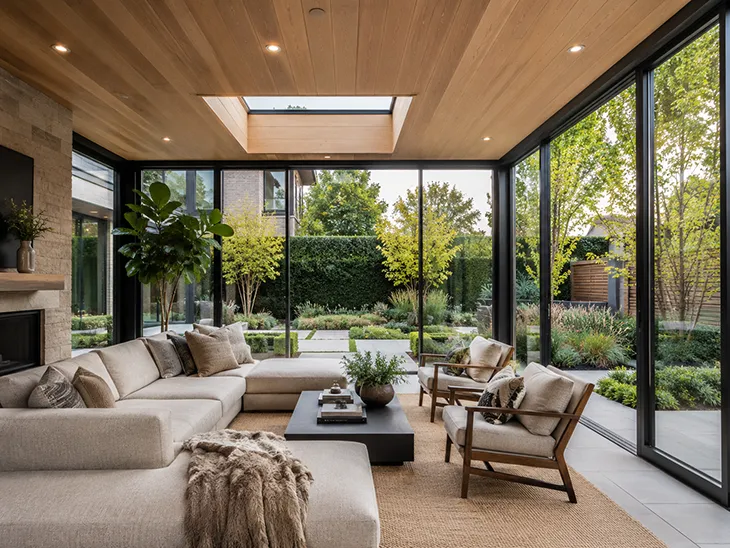
What distinguishes a well-designed sunroom from a bolted-on addition is how deliberately it connects to the existing structure. Rooflines should echo the home’s existing pitch. Flooring often transitions from an adjacent room rather than introducing an entirely new material. Sightlines from the kitchen or living room into the sunroom are treated as part of the layout, not an afterthought once construction begins. When that continuity is missing, even a beautifully finished sunroom can feel like a separate structure that happens to share a wall with the house.
Landscaping plays into this too. The best sunroom additions are often paired with updated exterior plantings or hardscaping just beyond the glass, so the transition between indoor and outdoor feels considered rather than incidental. A sunroom facing an overgrown yard undercuts its own purpose.
Finally, the sunroom’s rise says less about a passing trend and more about a broader shift in how people want to use their homes: spaces that flex between indoor comfort and outdoor connection, usable in every season, and designed with the same intention as any other room in the house. For homeowners weighing whether the investment makes sense, the smartest starting point is usually the same one designers recommend: understanding the budget realities up front, then letting that inform everything from footprint to finishes. Get that sequence right, and a sunroom stops being an add-on and becomes one of the most-used rooms in the home.