


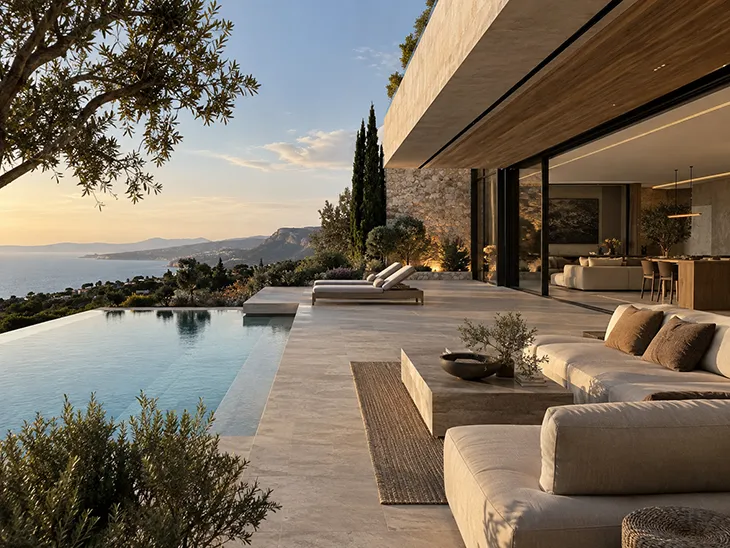
Outdoor spaces have taken on an increasingly important role in contemporary design, evolving from secondary areas into true living environments. Terraces, gardens, courtyards, and relaxation zones are now conceived as integral parts of architecture, capable of expanding how a property can be used and redefining the relationship between people, buildings, and the surrounding environment. Designing outdoor spaces therefore calls for an approach, in which materials, furnishings, lighting, and technical solutions work together to create environments that are cohesive, comfortable, and built to last.
Outdoor Spaces as a Natural Extension of the Architectural Project
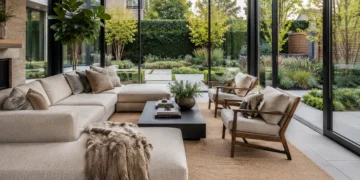
In contemporary architecture, outdoor areas are no longer treated as transition zones or service spaces. They now represent a genuine extension of the overall design. The line between indoors and outdoors continues to blur, with design solutions aimed at creating visual and functional continuity between living areas and open-air spaces.
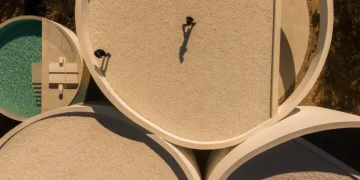
Pools, panoramic terraces, gardens, and relaxation areas are designed with the same level of care given to interiors, through the selection of materials, finishes, and spatial layouts. The goal is to create places that welcome people and enhance the surrounding context, combining aesthetics with practicality. A pool, for instance, is no longer just a functional feature. It can become the centerpiece of the entire outdoor environment, helping to shape the identity of a home or hospitality property. For the design of certain outdoor areas, such as those built around a pool, one particularly popular solution is Atlas Concorde’s swimming pool porcelain tiles, engineered to deliver both safety and visual performance even in high-traffic settings.
Material selection therefore plays a central role in creating spaces that are distinctive and harmonious. Surfaces, textures, and colors need to work in dialogue with the surrounding architecture, striking a balance between natural elements and designed components. In this sense, the outdoors becomes a space capable of telling the story of a project’s style and offering new ways to enjoy the property year-round.
Materials and Design Solutions for Durable, High-Performing Outdoor Spaces
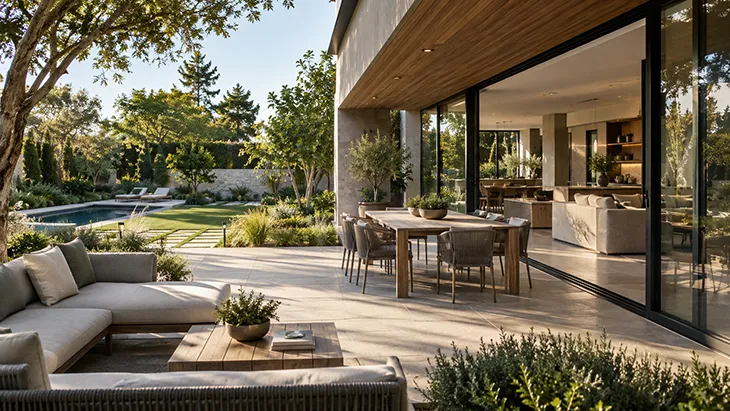
Designing outdoor environments requires particular attention to technical factors, since outdoor surfaces face different daily conditions than interior spaces do. Sun exposure, weather fluctuations, humidity, and the presence of water are all factors that influence the choice of materials and construction solutions.
Among the main considerations are surface safety, especially around pools and other wet areas, weather resistance, and maintenance. An effective outdoor project needs to deliver lasting performance without compromising the space’s visual appeal. Choosing suitable surfaces from the beginning can also reduce maintenance needs and help preserve the overall quality of the space.
Another key consideration is visual continuity across the different elements that make up the environment. Flooring, wall coverings, pool edges, walkways, and seating areas should be designed as parts of a single system, avoiding jarring contrasts and supporting a harmonious overall look. Coordinating different surfaces makes it possible to create more fluid environments, where every detail contributes to a coherent experience.
Lighting and furniture layout also play a role in shaping today’s outdoor spaces. Solutions designed to highlight walkways, gathering areas, and wellness zones extend the usability of outdoor environments, making them functional not just during the day but into the evening as well.
Hotels, Resorts, and Private Residences: Outdoor Areas as a Defining Design Element
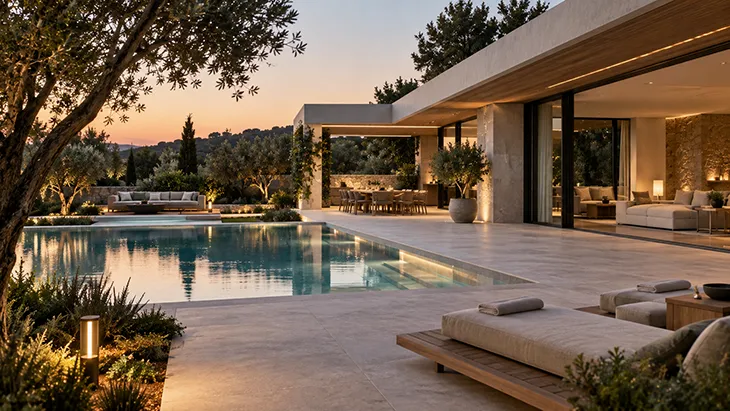
The value of outdoor spaces is clear in both hospitality properties and high-end private residences. In hotels and resorts, well-designed outdoor areas can become an important part of the guest experience, providing dedicated spaces for relaxation, socializing, dining, and time spent outside.
Panoramic pools, fully equipped terraces, designed gardens, and outdoor wellness areas can help define a property. In these settings, design needs to balance visual quality with durability and functionality, taking into account the heavier use typical of hospitality spaces.
Private homes have also placed greater emphasis on outdoor areas. Contemporary residences increasingly include outdoor kitchens, lounge areas, pools, and gardens designed as additional living spaces that support moments of connection and well-being.
This shift has made outdoor areas an important part of the architectural project. Creating a strong connection between indoor and outdoor spaces allows a property to function as a more complete whole, while careful choices around materials, lighting, circulation, and furnishings determine how well those spaces perform in everyday use.