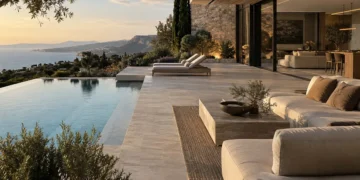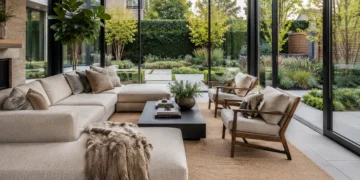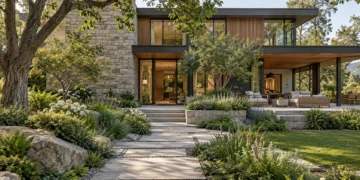



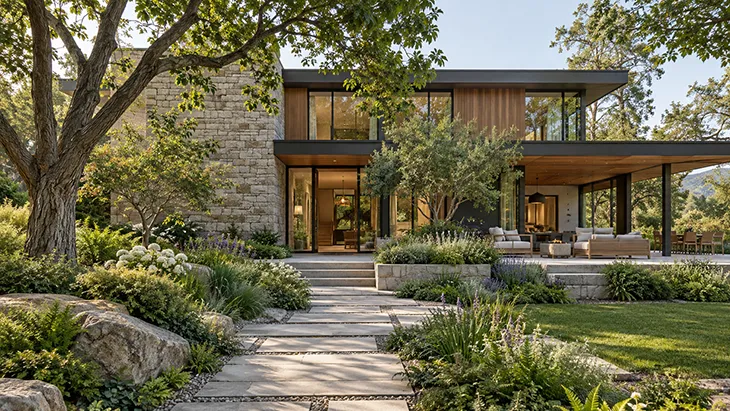
A home extends beyond its walls, with the spaces around it shaping how the property is experienced and used. From the first impression at the entrance to quiet mornings outdoors and evenings shared with family or guests, the landscape becomes part of everyday life. The most successful outdoor spaces bring together greenery, materials, lighting, layout, and maintenance planning to create an environment that feels inviting and easy to enjoy.
Treat the Landscape as an Extension of the Home
Outdoor areas are often viewed as separate from the house itself, but the strongest designs create a visual and functional connection between indoors and outdoors.
A patio that aligns naturally with the kitchen can become an extension of the living area. A shaded seating area can create a place for relaxation. A garden path can connect different areas of the property, leading from the entrance to a patio, garden, or more secluded outdoor space.
The goal is to understand how the outdoor area will actually be used.
A family may need open space for children to play. Someone who enjoys entertaining may prioritize seating and gathering areas. Others may want a quiet corner surrounded by plants where they can unwind.
Good landscaping begins with lifestyle.
Use Water Planning as Part of Landscape Design
Water management should be considered during the landscape planning stage. Different areas of a property often require different amounts of water. A lawn, flower bed, tree, and shrub area may each have different needs. Treating the entire yard the same way can lead to wasted water or stressed plants.
This is where irrigation becomes part of the larger landscape strategy.
A properly designed system supports plant health by delivering water where it is needed while helping prevent issues caused by inconsistent coverage. When plants continue struggling despite reasonable watering habits, professional sprinkler repair can help identify whether damaged equipment, uneven distribution, or hidden system problems are affecting the landscape.
Design Around Comfort, Movement, and Daily Use
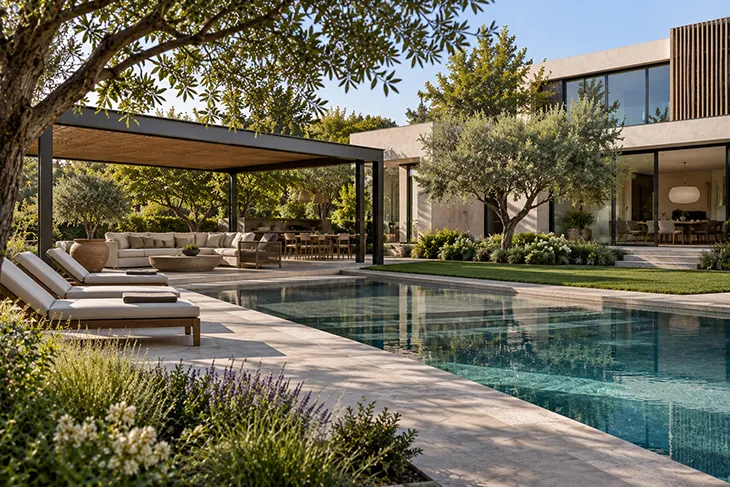
Beautiful landscapes are meant to be experienced. Walkways should feel natural. Seating should be placed where it will actually be used. Plants should support the atmosphere.
Different zones can serve different purposes:
- A dining area for outdoor meals
- A shaded corner for reading or relaxing
- A garden area for adding color and texture
- Open space for children or pets
- A welcoming entry path that improves curb appeal
Choose Plants That Work With the Property
Plant selection affects both the character of a landscape and the work required to maintain it. The right choices depend on the conditions of the property, including sun exposure, soil, drainage, available moisture, and seasonal changes.
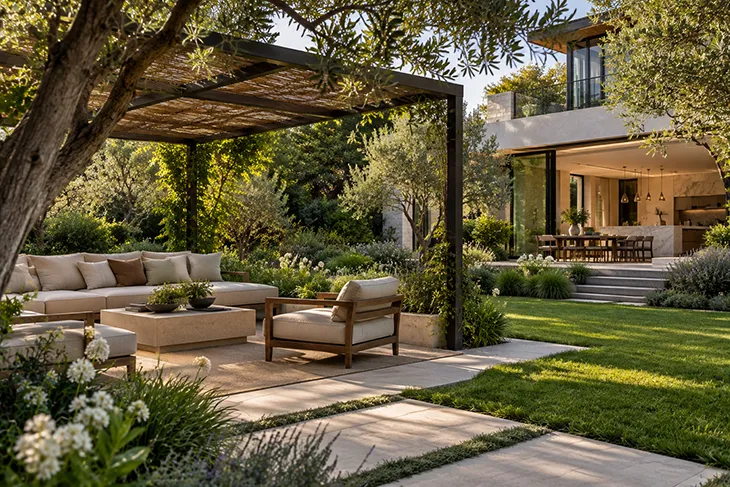
Thoughtful planting also improves the relationship between the home and its surroundings. Trees can add privacy and shade. Shrubs can soften architectural lines. Ground cover can create visual interest while reducing bare areas.
A shade-loving plant placed in strong afternoon sun will struggle regardless of maintenance, while plants suited to the site can establish more easily and require less intervention. Trees can provide shade and privacy, shrubs can soften the transition between the house and garden, and ground cover can fill open areas without relying on a large number of different species.
Create Balance Between Natural Beauty and Maintenance
A landscape should improve life, not create a constant list of chores.
Maintenance is an important part of design because even the most beautiful outdoor space can become frustrating if it requires more effort than homeowners can realistically provide.
This means understanding the level of care each feature requires before adding it.
A successful landscape balances:
- Visual appeal
- Seasonal interest
- Practical upkeep
- Water needs
- Long-term growth
Simple choices often make a significant difference. Grouping plants with similar needs, using appropriate ground coverings, and planning garden areas carefully can reduce unnecessary work while keeping the space attractive.
Add Layers With Lighting and Outdoor Details
Small details can completely change how an outdoor space feels.
Lighting is one example. A carefully planned lighting system can highlight pathways, trees, architectural features, and seating areas while making the property easier to enjoy after sunset.
Furniture, outdoor structures, decorative materials, and even smaller planting choices also contribute to the personality of the space.
A modern home may benefit from clean lines and structured planting. A more traditional property may feel better with softer transitions and layered greenery. The best outdoor designs reflect the character of the home.
Consider Sustainability Without Sacrificing Style
A beautiful landscape can also be designed with responsible resource use in mind.
Water-efficient planning, suitable plant choices, and regular maintenance can reduce resource use while supporting a healthier outdoor environment. Using strategies such as efficient irrigation, appropriate plant placement, and soil improvement can help landscapes become more resilient over time.
Water use is one of the practical areas where landscape planning can make a measurable difference. The EPA’s WaterSense landscape program provides guidance on water-efficient landscaping, including plant selection, watering practices, and ongoing maintenance. Its landscaping tips offer practical ways to reduce water waste while keeping outdoor spaces healthy and usable.
Build an Outdoor Space That Ages Well
The best landscapes continue to make sense years after they are created. Plants grow. Families change. Outdoor habits evolve. A space designed with flexibility in mind can adapt without requiring constant redesign.
Avoid focusing only on immediate impact. Consider how large trees will become, how much maintenance future growth will require, and whether the layout will continue supporting the way the property is used.
A landscape should feel better over time, not gradually become a burden.