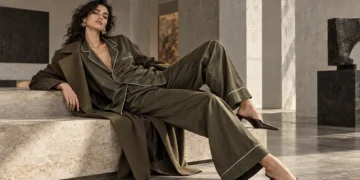



Some of the most interesting wardrobes include pieces bought years apart. A vintage leather jacket might pair with a contemporary designer bag, while a simple pair of trousers works with almost anything. The appeal comes from how these items work together, not necessarily how much they cost. Fashion offers countless opportunities to experiment with personal style, but building a cohesive wardrobe takes more than following new collections. It means recognizing quality, understanding your preferences, and making purchases that stay satisfying beyond the initial excitement.
However, good taste is something that goes beyond aesthetics and has economic implications. The ability to determine when it is appropriate to engage in the artisanship of fashion and to determine the overall cost of purchase can add satisfaction to fashion.
Understanding What Makes Fashion Worth Buying
Designer labels can communicate creativity, exclusivity, and craftsmanship, but price alone doesn’t determine whether something deserves a place in your wardrobe. Construction is one of the first details worth examining. Well-finished seams, secure fastenings and carefully selected materials can influence how a garment performs over time. However, expensive clothing isn’t automatically better made, and an unfamiliar designer may offer exceptional quality.
Fit is equally important. A beautifully constructed jacket can remain unworn if its proportions don’t suit your body or lifestyle. Meanwhile, a relatively simple garment might become a favorite because it feels comfortable and works with several outfits. Consider how a potential purchase relates to your existing wardrobe. Does it add something genuinely useful, or would it require several additional purchases to wear it?
These questions help distinguish an appealing design from a worthwhile addition.
Making Fashion Purchases With Financial Confidence
Thoughtful shopping doesn’t mean applying strict rules to every purchase. Different fashion purchases serve different purposes, and understanding those differences can help you decide where your money provides the most value.
Here are four situations where a little planning can improve the experience.
1. Planning for a Designer Piece You Truly Want
However, there are certain designs that remain popular even after some time since their original launch. From a tailored jacket to an expensive handbag, as well as from some special shoes, saving money to buy a particular thing becomes easier. A dedicated savings goal also gives you time to compare collections, evaluate materials, and decide whether the piece still appeals to you after several weeks. Instead of relying on the excitement of a new release, you make a decision based on a preference that has had time to develop.
2. Discovering Value in Pre-Owned Fashion
The resale market has made it easier to explore designer collections beyond what’s currently available in stores. Platforms such as Vestiaire Collective and The RealReal offer access to pre-owned clothing and accessories, including discontinued designs and vintage pieces. However, finding an attractive price is only one part of evaluating a resale purchase. Condition, authenticity procedures, return policies, and potential restoration expenses all deserve attention. A pre-owned leather bag that requires extensive repairs may not offer the value its listed price initially suggests.
Shopping resale can also encourage greater individuality by introducing pieces that aren’t widely available in current collections.
3. Looking Beyond the Price Tag
The price displayed in a store isn’t always the final amount someone pays for a fashion purchase. Payment arrangements, interest charges, and additional fees can affect the overall cost, especially for higher-priced designer pieces. Understanding these costs helps you make informed purchasing decisions. A credit card APR calculator can help shoppers estimate how much interest they may pay on an unpaid balance, giving them a clearer understanding of the total cost before deciding how much to allocate toward future wardrobe additions.
Considering the complete cost alongside craftsmanship, quality, and personal preference makes it easier to choose pieces that offer lasting value.
4. Choosing Pieces That Work Across Different Occasions
Versatility doesn’t necessarily mean choosing neutral colors or conventional silhouettes. A distinctive jacket, patterned shirt, or unusual accessory can work across several outfits when it complements your existing style. Before purchasing, consider how you’d wear the item in different settings. A structured blazer might work with tailored trousers for formal occasions and denim for more relaxed outings. Similarly, well-made leather shoes can complement several looks without requiring an entirely separate collection.
The goal is to choose items that offer creative possibilities rather than limiting you to one outfit.
Why Cost Per Wear Is Only Part of the Equation
People often discuss cost per wear when evaluating clothing purchases. The calculation divides an item’s purchase price by how many times you wear it. Although useful, this approach doesn’t capture every aspect of fashion’s value. A special-occasion dress might only be worn occasionally but still provide considerable enjoyment. Meanwhile, an inexpensive garment worn regularly may lose its appeal if the fabric deteriorates quickly. Personal satisfaction, comfort and design also matter. A more useful approach is to consider how often you expect to wear something, along with its construction, maintenance requirements, and personal significance. Fashion isn’t purely functional, so evaluating clothing through numbers alone can overlook the qualities that make personal style interesting.
The Value of Maintaining What You Own
Thoughtful clothing needs to be cared for accordingly. The manner in which one cleans, stores, and repairs clothing can actually determine how well they maintain their wearability. There are various ways to do all this depending on the kind of material the piece is made of. Knits are best stored folded as opposed to hanging, while jackets will require a suitable hanger. Modifications can also be useful in making old clothing items more functional. The simple act of hemming trousers, mending a seam, or fixing the buttons can make one feel like there is new clothing to wear.
This behavior makes one appreciate the effort put into the manufacture of fashion items.
Building a Wardrobe That Feels Like Your Own
A lasting wardrobe doesn’t need to follow a particular formula. Some people prefer minimalist designs, while others enjoy bold colors, vintage discoveries, and unexpected combinations. What matters is understanding which pieces genuinely reflect your taste and how they fit into your everyday life.
Good taste economics isn’t about spending less money or more money on expensive things. It’s all about knowing quality, calculating the total cost of buying things, and enjoying clothes not just because of how attractive they look at first sight. In fashion choices, combining creativity and budget considerations leads to an enjoyable wardrobe in the long term.