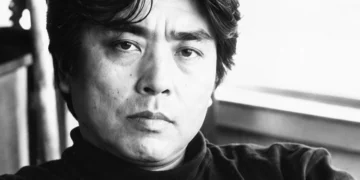



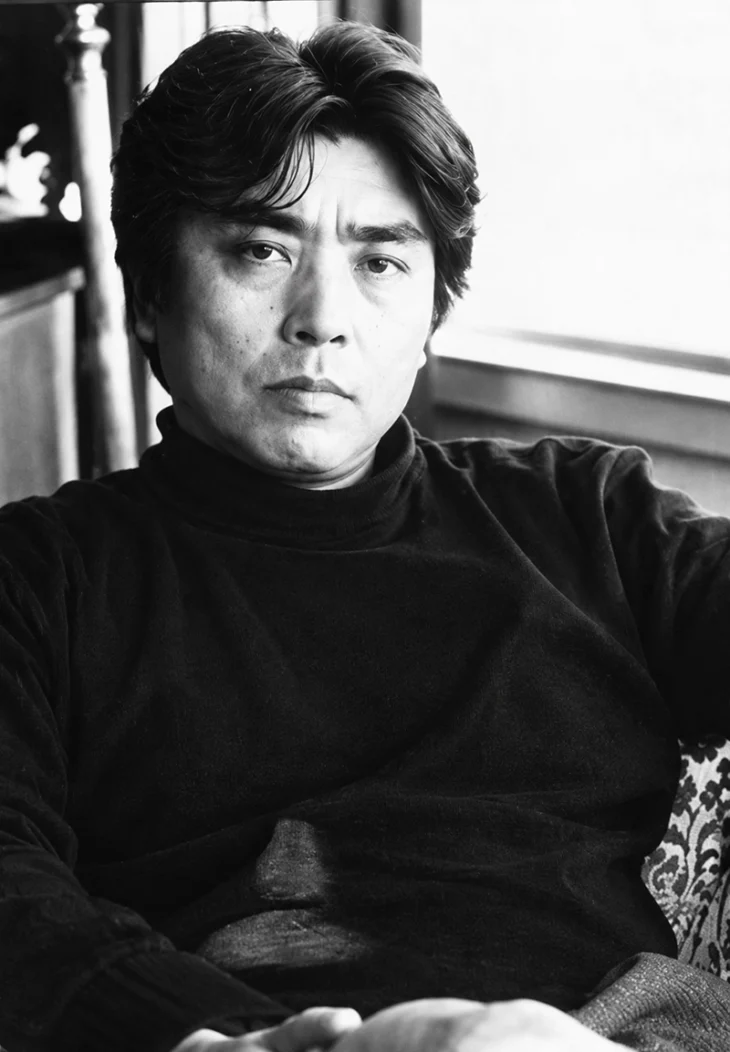
Japanese novelist, filmmaker and cultural commentator Ryū Murakami has died at the age of 74. His publisher, Gentosha, announced on October 23, 2026, that the author died at his home on October 17. His family held a private funeral. His death marks the loss of one of Japan’s most provocative literary figures, whose novels confronted violence, sexuality, consumer culture and the psychological pressures of contemporary life.
BOOKS
Born in Sasebo, Nagasaki Prefecture, in 1952, Murakami grew up near an American military presence that would influence his understanding of postwar Japanese society. He studied at Musashino Art University and achieved literary recognition while still a student. His debut novel, Almost Transparent Blue, won the prestigious Akutagawa Prize in 1976 and introduced a distinctive literary voice interested in disillusionment, excess and the experiences of young people living outside conventional expectations.
Murakami developed a body of work that crossed literary genres, from psychological thrillers and dystopian fiction to political satire and experimental narratives. He also worked in cinema, directing several films, while his novel Audition inspired Takashi Miike’s influential 1999 horror adaptation. His work reached international audiences through translations and film, attracting readers fascinated by his unsettling portraits of human behaviour.
To remember his contribution to contemporary literature, DSCENE revisits five essential novels that offer different entry points into his work.
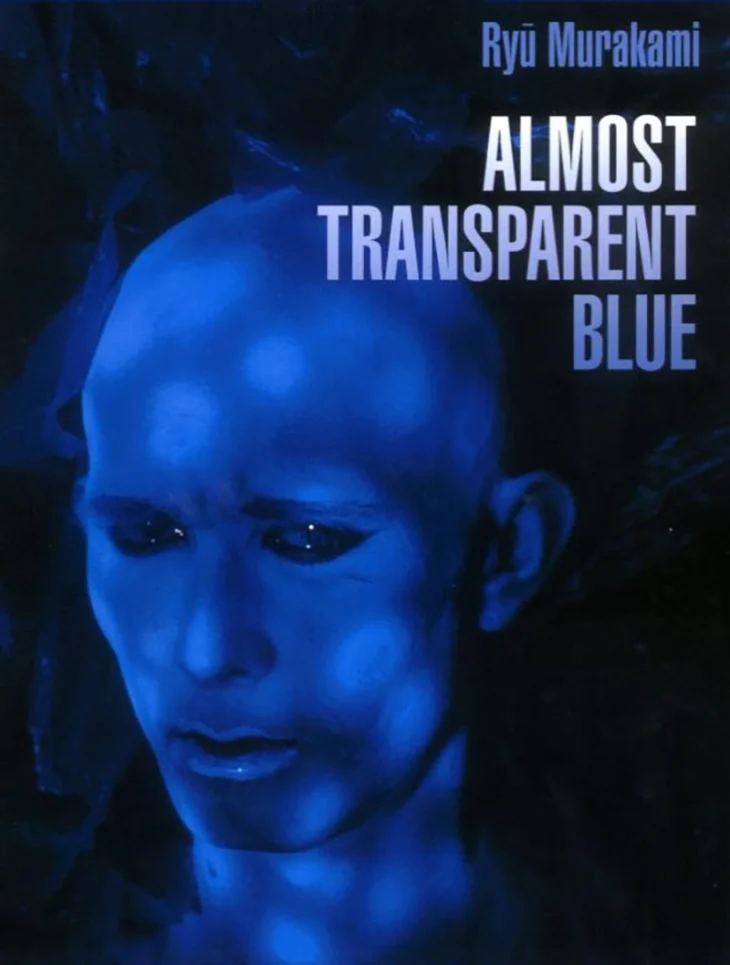
1. Almost Transparent Blue (1976)
Murakami’s debut follows a group of young people living near an American military base in 1970s Japan, immersed in drugs, sex, music and increasingly destructive relationships. The novel captures a generation searching for sensation amid emotional isolation.
Its fragmented narrative and vivid imagery established many of the concerns that would recur throughout his career. Published when Murakami was 24, the book won the Akutagawa Prize and became a major bestseller. It remains the natural starting point for understanding his literary sensibility.

2. Coin Locker Babies (1980)
Two infants abandoned in station lockers survive and grow into young men whose lives develop in radically different directions. Their experiences lead them through a violent, surreal version of Japan shaped by abandonment, revenge and the desire to escape their past.
Coin Locker Babies brings together punk culture, dystopian imagery and psychological intensity. Its sprawling narrative demonstrates Murakami’s ability to construct an entire fictional world around social alienation. The novel won the Noma Literary Prize for New Writers and remains among his most ambitious works.
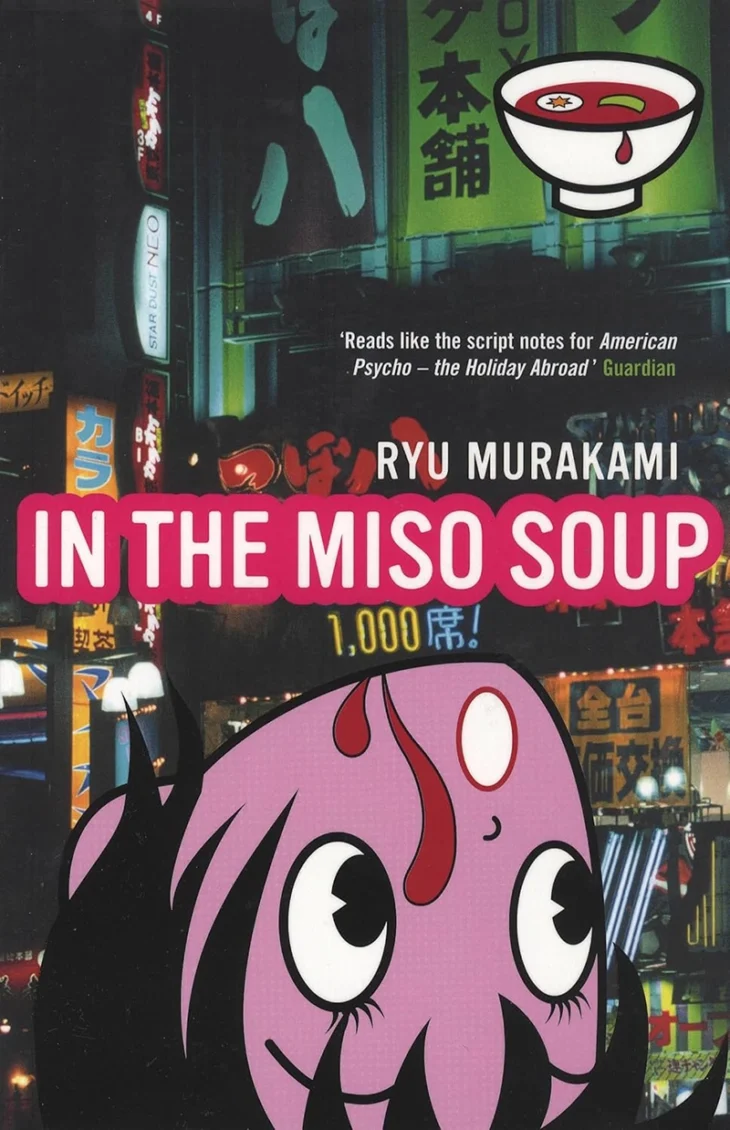
3. In the Miso Soup(1997)
Set during the days leading up to New Year’s Eve, In the Miso Soup follows Kenji, a young guide who introduces foreign visitors to Tokyo’s nightlife. His latest client, an American named Frank, begins behaving in increasingly disturbing ways, raising suspicions about his connection to a series of violent crimes.
Murakami uses the psychological thriller to investigate loneliness, cultural alienation and the darker aspects of urban life. Tokyo’s nightlife districts become environments of escalating tension as Kenji struggles to understand the man accompanying him. The novel received the Yomiuri Prize for Fiction and remains one of Murakami’s most accessible and disturbing books.
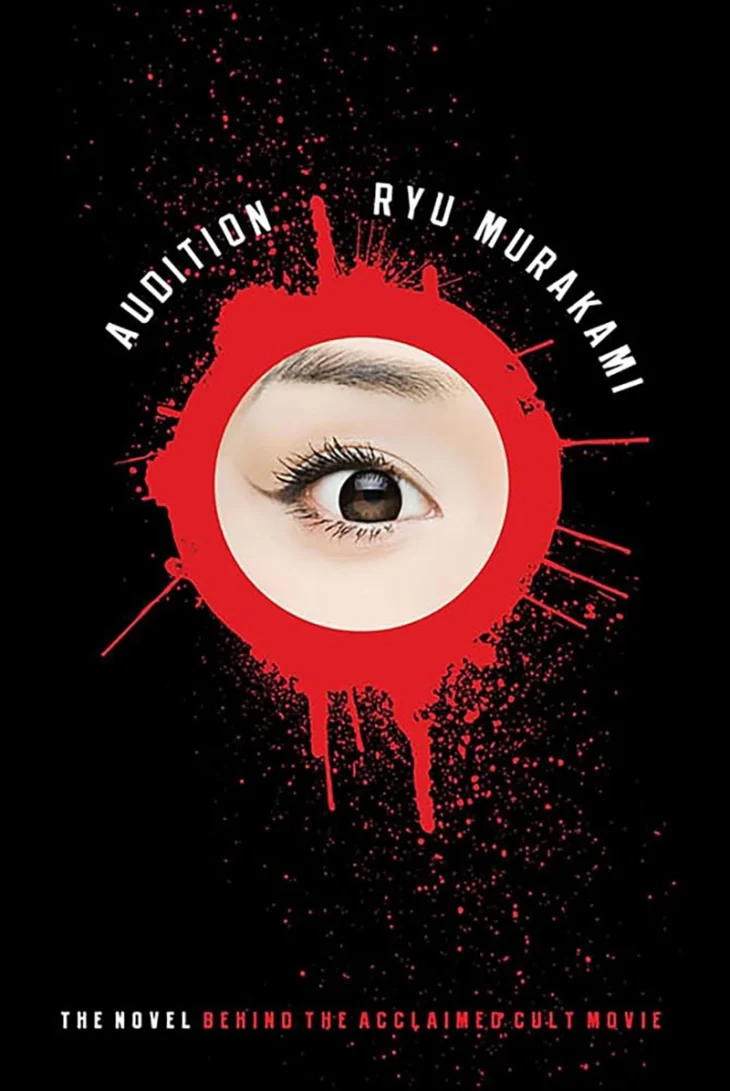
4. Audition (1997)
A widower seeking a new relationship agrees to participate in an unusual scheme: a friend arranges fake film auditions to help him meet potential romantic partners. He becomes fascinated by Asami, a seemingly reserved young woman whose past gradually reveals disturbing secrets.
Audition examines desire, deception and the consequences of treating another person as an imagined ideal. Murakami builds psychological unease through ordinary social interactions before pushing the story into extreme territory.
Takashi Miike adapted the novel into his acclaimed 1999 horror film, introducing Murakami’s disturbing fictional world to a wider international audience.
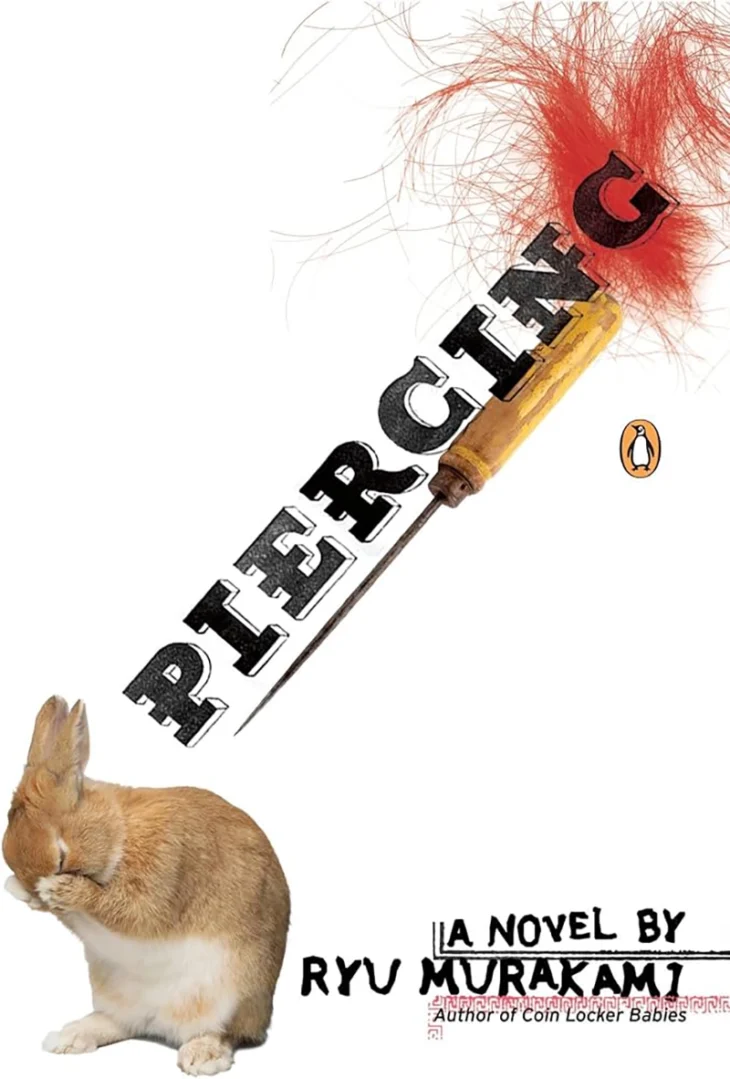
5. Piercing (1994)
Piercing follows Masayuki Kawashima, a seemingly ordinary family man who becomes terrified by his recurring urge to harm his infant daughter. Attempting to control his impulses, he develops a disturbing plan involving a stranger, setting off a psychological confrontation.
The novel compresses Murakami’s fascination with repression, violence and unstable identities into a tense narrative. Its claustrophobic atmosphere reveals how easily ordinary domestic life can conceal dangerous compulsions.
Director Nicolas Pesce adapted the book into a 2018 film starring Christopher Abbott and Mia Wasikowska, further extending Murakami’s influence on contemporary psychological horror.
Murakami consistently examined the uncomfortable aspects of modern existence. His characters frequently confronted feelings of isolation, frustrated desire and a society increasingly driven by consumption. Music, cinema and popular culture influenced his writing, giving his fiction a visual intensity that helped several of his stories reach the screen.
His influence also extended beyond literature and filmmaking. For approximately two decades, he hosted the television programme Cambrian Palace, interviewing prominent figures from Japan’s business community. This interest in economics, work and social organisation reflected the broader cultural questions that informed his novels.
Across five decades, Murakami created fictional worlds that exposed anxieties beneath the surface of contemporary life. From the disaffected youth of Almost Transparent Blue to the psychological violence of Audition and Piercing, his work invited readers to confront experiences that society often prefers to ignore.
His death closes an extraordinary literary career, while his novels continue to offer powerful, unsettling perspectives on human behaviour.