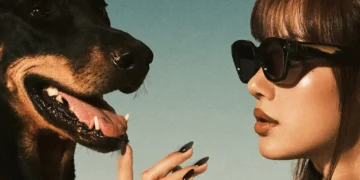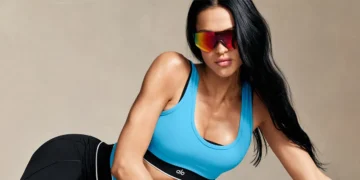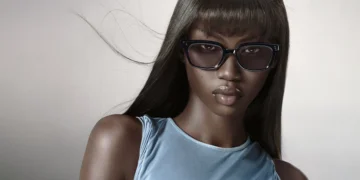



Eyewear now plays a central role in fashion styling. Glasses are now deliberate accessories rather than background items. Across runways, editorials and street style – frames increasingly define how outfits are read.
Designers are approaching spectacles with greater intention. Shapes are taking a stronger lead. Colour choices are carefully planned. Finishes have a visual weightage. Frames now introduce direction instead of fading in the background.
Wardrobes have also taken a turn. Clothing silhouettes are cleaner and more toned. Accessories, therefore, take more responsibility. Eyewear fills that role naturally, sitting at eye level and anchoring the look.
Buying glasses online has reinforced this change. Multiple pairs now fit within everyday wardrobes. Frames rotate with outfits rather than remaining fixed purchases. This flexibility allows glasses to function as expressive design pieces.
Statement frames no longer demand luxury pricing. Retailers such as Glasses2You make trend-driven styles more accessible – encouraging experimentation without a forever commitment.
The seven trends below define eyewear in 2026. Each treats glasses as considered design objects, with attention to shape, colour and finish. Styling notes focus on balance and clarity rather than excess.
Trend One: Sculptural Acetate Frames
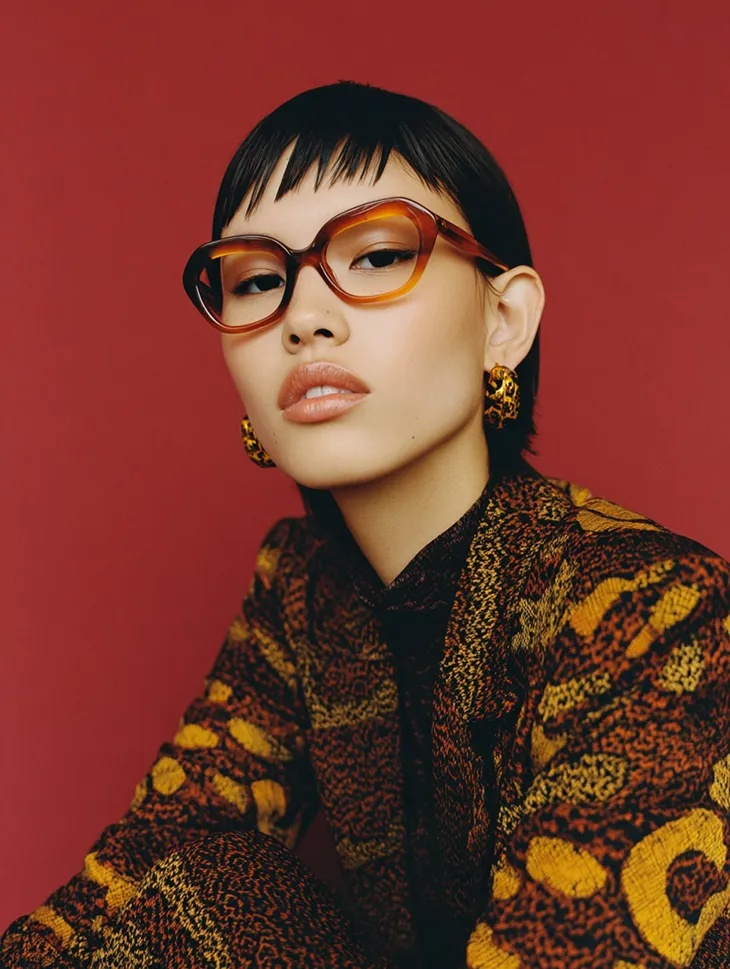
Sculptural acetate frames have set the tone for eyewear in 2026. This trend moves away from subtle outlines and leans into visible form. Frames are carved rather than flat, with thickness used as a design feature instead of a structural necessity.
Volume defines this look with solid profiles. Curves help soften the edges, preventing the frame from looking heavy. The results are closer to an accessory than a utility item, especially when paired with simple clothing.
This style suits people drawn to statement dressing. Oval and angular face shapes benefit most, as the added structure brings balance. Smaller faces still work with this trend when proportions remain controlled and lens width stays within cheekbone lines.
Outfit pairing is restrained. Tailored coats, clean knitwear, straight trousers and minimal dresses allow the frame to lead. Busy prints and layered textures compete with the shape – weakening its impact.
When selecting sculptural frames, shape matters first. Rounded edges are current and considered. Colour choices should stay rich but grounded – including deep tortoise, black, olive or warm amber. High-gloss finishes have a big presence, while satin surfaces soften the effect for daily wear.
This trend works best when styling is not loud. The frame speaks clearly without needing support.
Trend Two: Metal Frames With Architectural Lines
Metal frames return in 2026 with sharper intent. People no longer want delicate frames. Structure is taking a priority.
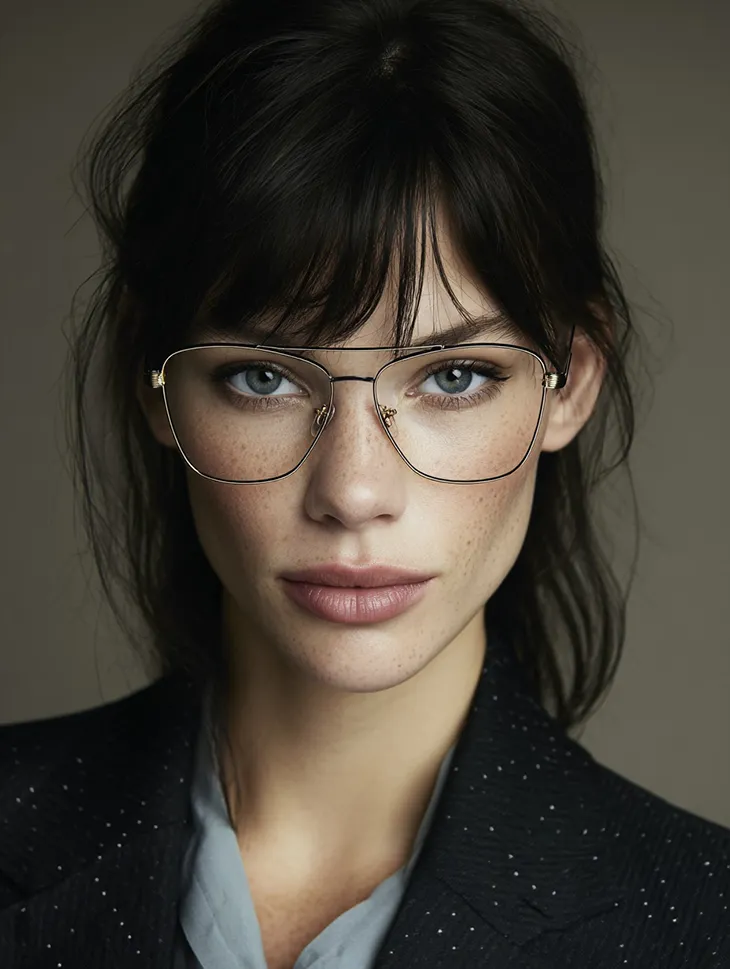
Most of the designs feature angular bridges, squared lenses and visible construction. Lines are now intentional and precise. The overall effect resembles fine metalwork rather than classic optical design.
This trend suits wardrobes built around intention and clarity. Round and softer face shapes can gain definition from the structure. Sharper facial features work best with slightly softened corners to maintain balance.
Styling is very sleek. Tailored jackets, pressed trousers, structured shirts and clean layers support the frame’s geometry. Even simple outfits can get a direction through this contrast.
Material choice plays a critical role. Metal thickness should be present without becoming bulky. Thin frames read refined, while overly delicate builds lose impact. Colours are muted, with brushed gold, matte silver and soft gunmetal leading the trend. Shiny finishes disrupt the architectural quality and should be avoided.
Architectural metal frames work in the background. Their strength comes from line and proportion rather than decoration.
Trend Three: Tinted Lenses for Everyday Wear
Tinted lenses are adding colours to optical styling in 2026. This approach is no longer a novelty. Subtle colour now is a deliberate design choice rather than a seasonal experiment.
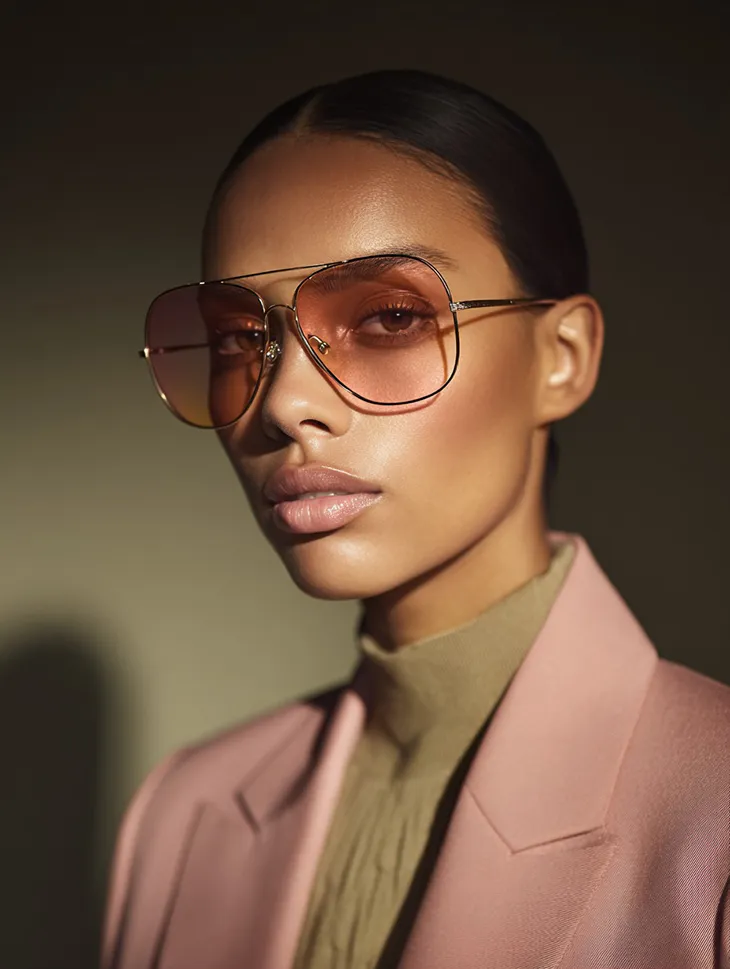
Lens shades are light and wearable. Pale brown, soft grey, muted green and gentle rose tones are dominating. These colours give depth without disrupting visibility or overwhelming the frame.
This trend suits expressive wardrobes that avoid excess. Confident dressers often gravitate toward tinted lenses because the detail is silent but noticeable. Most face shapes work well when lens colour is restrained and frame design stays simple.
Outfits can benefit from tonal balance. Earth tones, neutrals and soft tailoring create harmony. Loud colours clash with the lens tint and disrupt the visual flow.
Lens choice matters more than frame shape here. Optical tints should be light enough for indoor use. Dark lenses belong outdoors. Frames should stay minimal, allowing the tint to carry a visual interest.
Tinted lenses succeed through subtlety. This effect looks more considered rather than something playful.
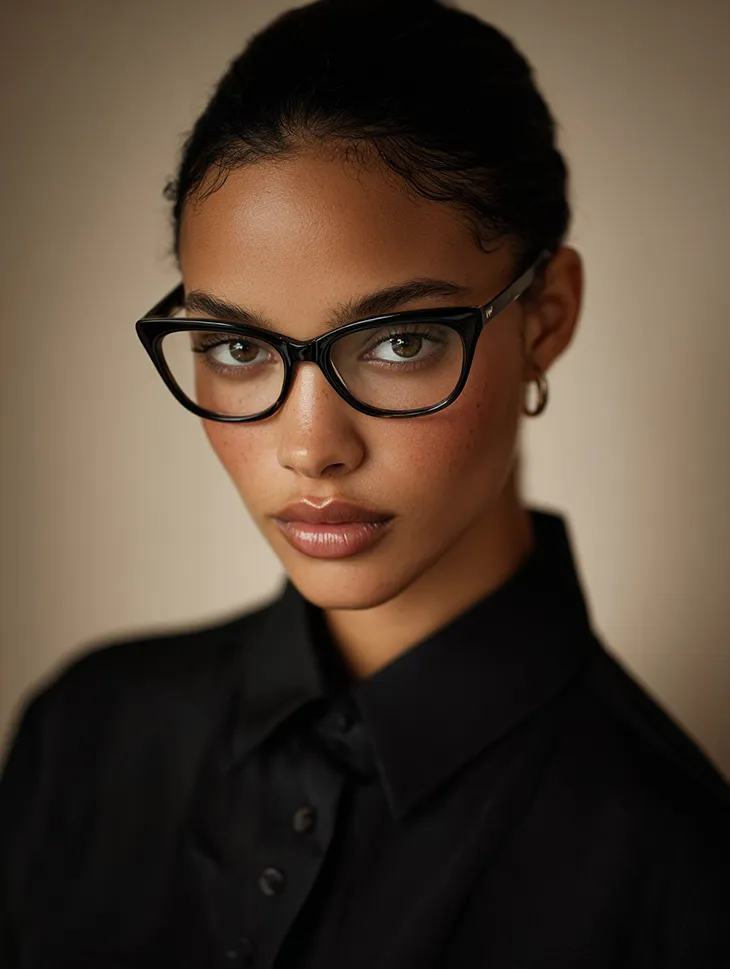
Trend Four: High-Shine Black Frames Reimagined
Black frames remain a constant within eyewear – yet 2026 brings a revolution in surface treatment. Flat finishes are giving way to reflective depth. High-shine acetate transforms familiar shapes into sharper statements.
The silhouette is still classic. Soft rectangles and gentle ovals are the forerunners in the trend. The finish will change perception, adding structure and polish without altering the proportions.
This trend suits almost every face shape. Versatility is the answer for its continued relevance. The reflective surface introduces interest while still adaptable.
Tailoring benefits from the added sharpness. Clean casual outfits get more structure through this contrast. These can complete evening looks without added accessories.
Build quality is important for the success of these frames. The surface should be smooth and controlled rather than plastic-heavy. Oversized shapes can lose refinement quickly and should be avoided. Shine works best when one pairs with restraint.
High-shine black frames prove that surface treatment alone can redefine a classic.
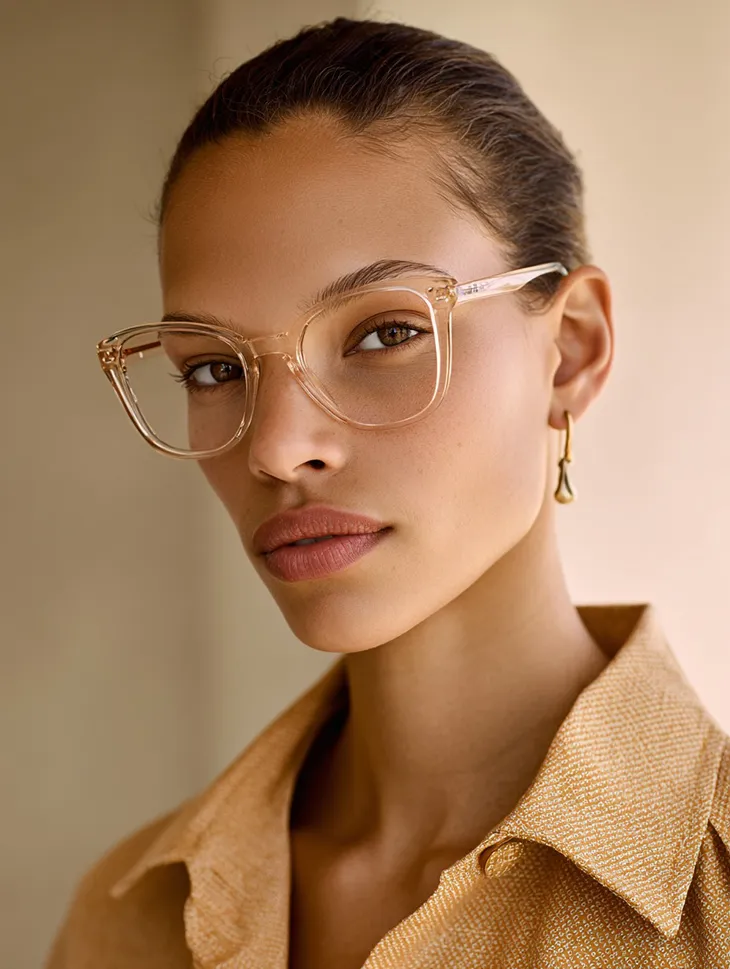
Trend Five: Clear Frames With Depth
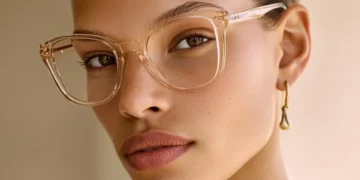
Clear frames continue into 2026 with added refinement. Flat transparency is no longer – the IT. Subtle colour infusions are now adding dimensions to this familiar style.
Champagne, soft grey, pale caramel and light smoke tones are trendsetters. These shades do not pull the focus away from the face.
This trend suits pared-back wardrobes. Light styling and softer colour palettes look great with these. Many face shapes work well with clear frames when proportions are balanced and lens width is appropriate.
Linen pieces, knitwear, soft tailoring and neutral layers complement the clarity of the frame. Heavy prints distract from the subtle colour shifts within the acetate.
Thickness plays a central role. Medium profiles look more structured. Thin, clear frames disappear too easily, while overly thick designs can overpower the face. Satin finishes will reduce glare and create a calmer surface than high gloss.
Clear frames succeed when one replaces details with simplicity. Depth will define their relevance in 2026.
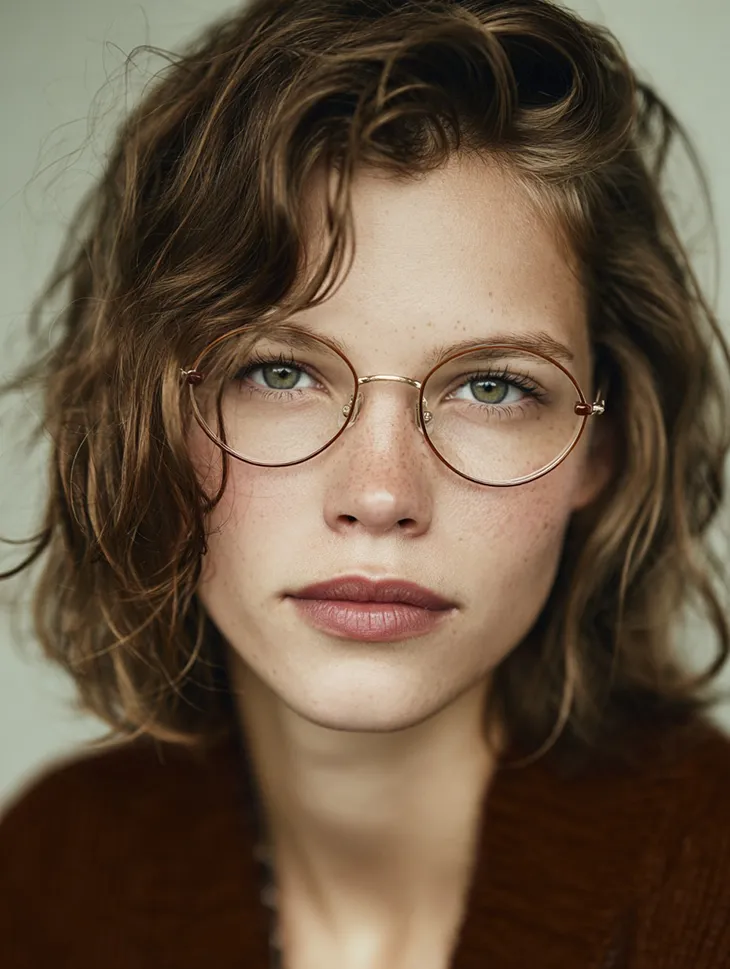
Trend Six: Vintage-Inspired Oval Frames
Oval frames return with renewed confidence in 2026. This revival is intentional rather than nostalgic.
Designs draw from archival references, with balanced proportions and softened curves. The shape carries heritage influence without drifting into costume territory.
This style works especially well on angular and heart-shaped faces. Curved lenses soften strong lines and restore balance. Smaller faces benefit from a controlled lens height and a narrow bridge.
Styling is more classic with these glasses. Trench coats, cardigans, straight-leg denim, loafers and knit dresses align naturally with this trend. The look pairs well with understated accessories and clean layers.
Material choices can also reinforce authenticity. Warm metals, antique silver, tortoise and deep brown acetate suit the oval form. Exaggerated shapes can disrupt the archival reference and should be avoided.
Vintage-inspired ovals do offer continuity. But their appeal rests in proportion rather than trend weight.
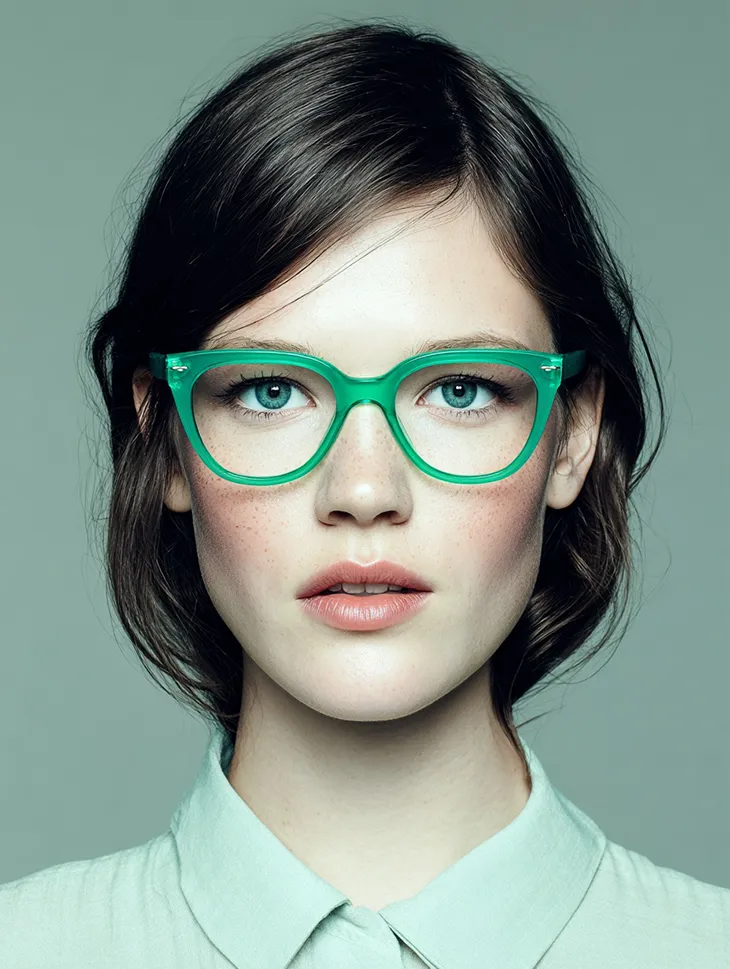
Trend Seven: Coloured Frames as Accent Pieces
Colour returns to eyewear in 2026 with restraint. Random bright frames are fading away fast. Every shade choice is now purposeful.
Frames come in tones that operate as accents rather than focal overloads. Deep green, navy, oxblood and muted burgundy define this direction. These colours introduce contrast without going overboard.
This trend suits wardrobes built around neutrals. People who dress in black, grey, beige or denim will benefit most. The frame provides visual interest without requiring additional styling layers.
Proportion keeps the look controlled. Balanced lens width and moderate thickness prevent colour from overpowering the face. Most face shapes work well when scale is taken into account.
Outfit pairing must be simple. Clean silhouettes help colour register more clearly. Patterned clothing will distract from the frame and make it obsolete.
The finish choice also matters. Matte surfaces are calmer and more wearable. Gloss finishes introduce sharpness but demand careful balance. Softer textures age better across seasons.
Wearing Statement Glasses Without Visual Overload
Statement eyewear works best with subtle styling. Excess will weaken the impact rather than strengthening it. In 2026, restraint is what defines strong looks.
A good balance must start with contrast. Frames with strong shapes or colours pair best with clean clothing lines. Tailored coats, simple knits, straight trousers and fluid dresses allow glasses to anchor the outfit naturally.
Scale also plays a critical role. Oversized frames suit broader builds when proportions stay aligned with facial width. Smaller faces benefit from controlled sizing that is within cheekbone limits.
Surface treatment will influence perception. High-shine frames are polished and formal. Matte finishes appear relaxed and understated. Satin textures lie comfortably between both and suit regular wear.
Colour works best when it subtly connects with the wardrobe. Deep green complements neutral palettes. Warm amber goes well with brown and cream tones. Soft metals integrate easily across outfits.
Lens choice also shapes styling. Clear lenses offer versatility across settings. Light tints introduce mood while remaining practical indoors. Dark lenses belong strictly outside and alter how outfits are read.
Confidence appears strongest when effort stays invisible. Frames lead when everything else steps back.
Finally, eyewear now holds a defining position in fashion. Glasses no longer support outfits in the background. They now shape them.
Each trend explored here treats spectacles as design objects rather than functional tools. Shape carries weight. Colour introduces direction. Finish defines character.
This shift reflects how people approach style today. With access to glasses online and freedom to rotate frames, eyewear becomes expressive rather than fixed.
Recreating these looks does not depend on luxury pricing. Accessible retailers allow experimentation without commitment, keeping eyewear aligned with seasonal fashion cycles.
The defining factor remains intention. Thoughtful frame selection simplifies styling rather than complicating it. When glasses carry visual clarity, outfits require less explanation.
That balance explains why eyewear leads the conversation in 2026.